
Side Dishes
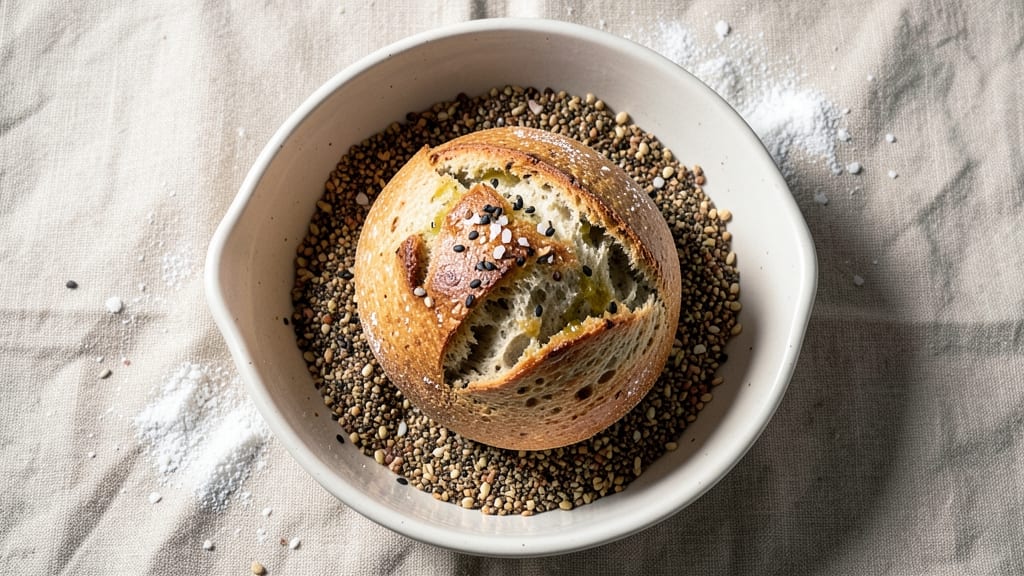
This 9-grain flour bread recipe delivers a nutrient-packed loaf with an airy, open crumb that rivals artisanal bakery bread. The secret lies in blending whole grains—wheat, rye, barley, and more—for a hearty texture and deep, nutty flavor.
I developed this recipe after years of testing, ensuring every slice stays moist yet crisp at the edges, with a golden crust that crackles just right.
The beauty of this bread is its versatility—perfect for sandwiches, toast, or serving alongside soups. The grains not only enhance flavor but also boost fiber, protein, and essential minerals, making it a wholesome choice for any meal.
With a 375°F oven and 45 minutes of baking, this loaf comes together in one day, including a 2-hour proofing period that transforms the dough into a light, pillowy masterpiece.
What sets this recipe apart is the open crumb structure, achieved through precise kneading and proofing techniques. The dough’s elasticity ensures a tender bite, while the grains add subtle chew and a satisfying crunch.
Whether you’re baking for a family gathering or meal prepping, this bread delivers restaurant-quality results with minimal effort.
For extra flavor, consider adding seeds like sunflower or flax, or herbs like rosemary during the final proof. The possibilities are endless, but the foundation remains the same: a wholesome, nutrient-rich loaf that elevates every meal. Let’s get started on your perfect batch.
Ingredients for 9 grain flour bread
Nine distinct flours and two seed toppings create this nutrient-dense, artisanal-style loaf.
| Ingredient | Amount | Notes |
|---|---|---|
| Whole Wheat Flour 🌾 | 2 cups | Organic preferred for better flavor |
| Rye Flour 🌾 | 1 cup | Dark rye for robust flavor profile |
| Barley Flour 🌾 | ½ cup | Ground from pearled barley |
| Spelt Flour 🌾 | ½ cup | Adds nutty undertones |
| Buckwheat Flour 🌾 | ½ cup | Rich in protein and fiber |
| Oat Flour 🌾 | ½ cup | Blended from rolled oats |
| Cornmeal 🌾 | ¼ cup | Fine grind for even texture |
| Millet Flour 🌾 | ¼ cup | Lightens the dense grain blend |
| White Whole Wheat Flour 🌾 | 1 cup | Balances the heartier grains |
| Active Dry Yeast 🍞 | 2 ¼ tsp | Fresh yeast if available |
| Granulated Sugar 🍚 | 2 tbsp | Feeds yeast for fermentation |
| Instant Potato Flakes 🥔 | 1 tbsp | Enhances gluten development |
| Salt 🧂 | 2 tsp | Diamond Crystal preferred |
| Extra-Virgin Olive Oil 🫒 | ½ cup | High quality for flavor |
| Warm Water 💧 | 1 ½ cups | 110°F for optimal yeast activation |
| Sunflower Seeds 🌻 | ¼ cup | Toasted for extra crunch |
| Flaxseeds 🌱 | 2 tbsp | Ground for omega-3 boost |
The grain blend is where this bread's character develops. Bob's Red Mill carries excellent organic whole grain flours, but King Arthur also offers pre-mixed grain flour options if you're short on time. For the best texture, ensure your flours are fresh—stale grains produce dense bread. The rye and buckwheat contribute deep, earthy notes, while the millet and oat flours lighten the blend without sacrificing nutrition. If you're sourcing individual flours, local health food stores often carry specialty grains at competitive prices. For the potato flakes, Instant Mashed Potato Flakes work perfectly—they're not for eating, but they're essential for gluten development.
No rye flour? Substitute with extra whole wheat plus 1 tsp caraway seeds for similar depth. Buckwheat-free? Add 2 tbsp more whole wheat flour to maintain structure. The seeds can be swapped—pumpkin seeds or sesame work beautifully. For those avoiding gluten, this recipe contains naturally occurring gluten from wheat and spelt, but you could experiment with a 1:1 gluten-free flour blend if needed (though texture will differ). The olive oil should be extra-virgin with fruity notes—avoid refined oils that lack flavor. And yes, you can make this with store-bought yeast, but fresh yeast yields better flavor if you're feeling ambitious.
This dough requires patience—proofing is critical for that signature open crumb. Store the mixed dry ingredients in an airtight container for up to 3 months, while the yeast should be refrigerated after opening to maintain potency for 4-6 months. The final loaf keeps well at room temperature for 3 days wrapped in a bread bag, or 5 days in the fridge. For longer storage, freeze the loaf wrapped in foil for up to 3 months. To revive, wrap in a damp towel and warm in a 350°F oven for 10 minutes. The seeds can be toasted separately and sprinkled post-bake for maximum crunch.
Why You'll Love This Recipe
- No-Fuss Mixing: I swear by this—just toss the flours together, add water and yeast, and let the dough do the work. No kneading, no fuss, and the rye and buckwheat blend gives it structure without the effort.
- Earthy Depth: That nutty, slightly bitter kick from the barley and buckwheat? It’s like a warm hug for your sandwiches. Honestly, the whole wheat and spelt round out the flavors so it’s never too heavy—just right.
- Meal Prep MVP: Slice it fresh, toast it later. I make a loaf on Sunday, and it’s still crispy for lunchboxes by Friday. The rye keeps it from drying out too fast, and the spelt adds that satisfying chew—perfect for busy mornings.
- Pantry Stretch: Between us, this bread is my budget hack. I use whatever flours I have on hand, and it never goes to waste. Plus, the barley flour adds fiber, so it’s like sneaking veggies into your toast—no one even notices.
Step-by-step instructions for 9-Grain flour bread
Transforming nutrient-dense flours into a loaf with open crumb requires patience and precision.
Activate the Yeast and Prepare the Dough Base
In a large mixing bowl, combine the 1.5 cups warm water with 2 tbsp granulated sugar and 2.25 tsp active dry yeast. Let this mixture sit for 5-10 minutes until it becomes frothy—this confirms the yeast is active. If it doesn't foam, your yeast may be stale, and you'll need to start over.
Next, add the 0.5 cup extra-virgin olive oil and 2 tbsp ground flaxseeds to the yeast mixture. Whisk gently to emulsify the oil. The flaxseeds will add subtle nuttiness and omega-3s while helping bind the dense flour blend. This step creates a stable foundation for the complex grain flours we're about to incorporate.
Combine All Flours and Hydrate the Dough
To the wet ingredients, gradually add the 2 cups whole wheat flour, 1 cup rye flour, 0.5 cup barley flour, 0.5 cup spelt flour, 0.5 cup buckwheat flour, 0.5 cup oat flour, 0.25 cup cornmeal, 0.25 cup millet flour, and 1 cup white whole wheat flour. Mix using a dough whisk or your hands until a shaggy mass forms—resist the urge to overwork the dough at this stage.
The combination of these flours creates a dense, nutrient-rich dough that requires careful hydration. Sprinkle in the 1 tbsp instant potato flakes and 2 tsp salt, then mix until fully incorporated. The potato flakes will enhance gluten development, helping the bread rise properly despite the heavy grain profile. Add the 0.25 cup sunflower seeds last and fold them in gently.
Knead the Dough Until Elastic
Transfer the dough to a lightly floured surface and knead for 8-10 minutes by hand, or use a stand mixer with a dough hook attachment for 5-6 minutes on medium speed. You're aiming for a smooth, elastic dough that springs back when poked—this indicates proper gluten formation.
Here's the thing: this dough will be denser than traditional bread dough due to the high grain content. Don't be alarmed if it feels sticky or resists smoothness initially. The key is consistent kneading until the dough passes the windowpane test—when you stretch a small piece, it should be translucent and thin enough to see light through it.
First Rise and Shape the Loaf
Lightly oil a large mixing bowl, place the dough inside, and cover with a damp kitchen towel. Let it rise in a warm place for 1.5-2 hours, or until it has doubled in size. The warm environment helps activate the yeast, but be patient—this dense dough rises more slowly than standard bread dough.
Once risen, gently deflate the dough by pressing it down with your fingers. Shape it into a round loaf by pulling the edges toward the center and tucking them underneath. Place the shaped dough on a parchment-lined baking sheet, seam-side up. Cover again and let it rise for another 30-45 minutes until it's noticeably puffy.
Bake for Maximum Crust Development
Preheat your oven to 375°F with a Dutch oven inside for 30 minutes. This creates a steam environment that's crucial for developing that open crumb structure. Carefully transfer the dough (still on its parchment) into the hot Dutch oven, cover with the lid, and bake for 35 minutes.
After 35 minutes, remove the lid and bake for an additional 15-20 minutes until the bread is deep golden brown and sounds hollow when tapped on the bottom. The interior should register 190-200°F on an instant-read thermometer. This high internal temperature ensures complete cooking while maintaining moisture in the dense grain structure.
Cool and Slice for Perfect Texture
Remove the bread from the oven and transfer it to a wire rack to cool completely for at least 1 hour. This resting period allows the internal structure to set properly, preventing a gummy texture when sliced. The bread will continue to firm up as it cools, developing that satisfying crust.
Once cooled, slice the loaf with a serrated knife for clean cuts that reveal the open crumb structure. Each slice should showcase the varied textures from the different flours—dense yet airy, with pockets of moisture balanced by crisp edges. Store wrapped at room temperature for up to 3 days, or freeze for longer storage.
Pro Tips For Making 9 Grain Flour Bread
- STEAM THE BUCKWHEAT FIRST: I learned this the hard way—skipping this step makes your dough gummy. Toast the buckwheat flour in a dry pan for 3-4 minutes until it smells nutty, then cool it completely before mixing. The extra effort prevents that dense, gluey texture that ruins the lightness of the bread.
- WEIGH YOUR FLOURS, DON’T SCOOP: Those fluffy piles in measuring cups? They’re lying to you. Use a kitchen scale for each flour—rye and spelt pack differently than whole wheat. For this recipe, aim for 100g increments per flour type, or your crust will either crack like a dried riverbed or turn into a brick.
- KNEAD JUST UNTIL IT STOPS STICKING: Overworking the dough is the fastest way to turn your artisanal loaf into a sad, tough cracker. Mix all ingredients, then knead by hand for 8-10 minutes until the dough pulls away from the bowl—no need to go for the gold medal. This bread’s magic comes from its rustic texture, not elasticity.
- ADD HYDRATED SEEDS LATER: Sprinkling chia or flaxseeds into the dry mix? Don’t. Soak them first in warm water for 10 minutes, then mix into the wet ingredients. This guarantees even distribution and prevents dry pockets in your loaf—no more gnawing on a seed-heavy surprise bite.
Pro cooking tips for 9 grain flour bread
Dutch Oven Mastery
The Dutch oven is your secret weapon for achieving that perfect open crumb and crisp crust. Preheat it in the oven for 30 minutes before adding the dough—this creates a steam chamber that mimics professional bakery conditions.
I use a Lodge cast iron Dutch oven because it retains heat exceptionally well and distributes it evenly. The steam helps the bread rise dramatically during the first 35 minutes of baking, creating those coveted air pockets. 🔥
After removing the lid, the final 15-20 minutes of baking develop that golden crust. Keep an eye on the bread—if it browns too quickly, tent it loosely with aluminum foil.
The key is patience: resist opening the oven door during this phase, as temperature fluctuations can cause the bread to collapse. A thermometer is essential here to monitor the internal temperature—aim for 190-200°F for complete cooking without dryness.
Proofing Perfection
Proofing is where the magic happens for this dense dough. The two-stage rise—first in the bowl for 1.5-2 hours, then after shaping for 30-45 minutes—ensures even fermentation. I place my proofing bowl in a warm oven with the light on (set to 70°F) for consistent warmth.
The dough should double in size and feel springy when gently pressed.
For extra insurance, I sometimes use a proofing box (a simple DIY with a heating pad and thermostat) to maintain 80°F—this cuts proofing time by 20-30 minutes. The warm environment activates the yeast more aggressively, but don’t rush it.
Overproofed dough leads to dense, flat bread. When shaping, handle the dough gently to avoid deflating it prematurely. 🌡️
Kneading Like a Pro
This dough is denser than traditional bread, so proper kneading is critical. I use a stand mixer with a dough hook on medium speed for 5-6 minutes—overmixing develops too much gluten, making the bread tough.
By hand, knead for 8-10 minutes until the dough passes the windowpane test: stretch a small piece until it’s translucent and thin enough to see light through it.
If the dough feels too sticky, add 1 tablespoon of flour at a time—but don’t overdo it. The goal is elasticity, not dryness. The instant potato flakes in the recipe are non-negotiable here; they mimic commercial bread improvers by enhancing gluten structure.
For extra flavor, I sometimes add 1 teaspoon of honey to the dough during kneading—it sweetens slightly and improves browning. ✨
Crust Control
For a crisp, crackly crust, I brush the baked loaf with melted butter while still warm. Let it cool on a wire rack for 10 minutes before brushing—this prevents the butter from steaming off.
For an extra crispy finish, bake the bread for 5 minutes uncovered at 425°F after the initial baking.
If you prefer a softer crust, reduce the final baking time by 5 minutes and cover the loaf with a damp towel while cooling. The crust will firm up as it cools, but this method keeps it tender.
For added flavor, sprinkle everything bagel seasoning or coarse sea salt on top before the final bake. The salt dissolves slightly into the crust, adding depth to every bite. 💫
Nutrition facts
Frequently asked questions
Why does this 9-grain bread need potato flakes?
The 1 tbsp instant potato flakes act like a natural bread improver—they boost gluten development, which is crucial for this dense grain blend. Without them, the bread might collapse during baking or develop a compact crumb. Think of them as the secret ingredient that helps all those different flours work together harmoniously.
Can I substitute any of the specialty flours?
Yes, but with adjustments! For example, swap buckwheat flour for extra whole wheat (add 2 tbsp more) if you can't find it. Replace rye flour with whole wheat plus 1 tsp caraway seeds for similar depth. The key is maintaining the dough's structure—each flour contributes differently to texture and flavor. Always add substitutes gradually to avoid over-hydrating the dough.
How do I know when the bread is fully baked?
Look for three signs: the internal temperature should reach 190-200°F (use an instant-read thermometer), the crust should be deep golden brown, and it should sound hollow when tapped on the bottom. If you're unsure, bake 5 more minutes—underbaked grain bread can feel gummy when sliced. The open crumb structure will also become more pronounced as it cools completely.
What's the best way to store this bread?
Wrap the cooled loaf in a bread bag or foil and store at room temperature for 3 days—the seeds stay crispy this way. For longer storage, freeze the bread (wrapped tightly) for up to 3 months. To revive frozen bread, thaw at room temperature for 1 hour, then warm in a 350°F oven for 10 minutes wrapped in a damp towel for extra softness. The crust will crisp up again when toasted.
Can I make this bread without a Dutch oven?
Yes, but expect a denser crumb. Preheat your oven rack in the middle position and bake the bread on a baking sheet lined with parchment. For steam, place a baking tray with 1 cup hot water on the lower rack during the first 20 minutes of baking. The bread will still be delicious—just less open and airy. A Lodge cast iron skillet can also work as a makeshift Dutch oven if you're in a pinch!