
Side Dishes
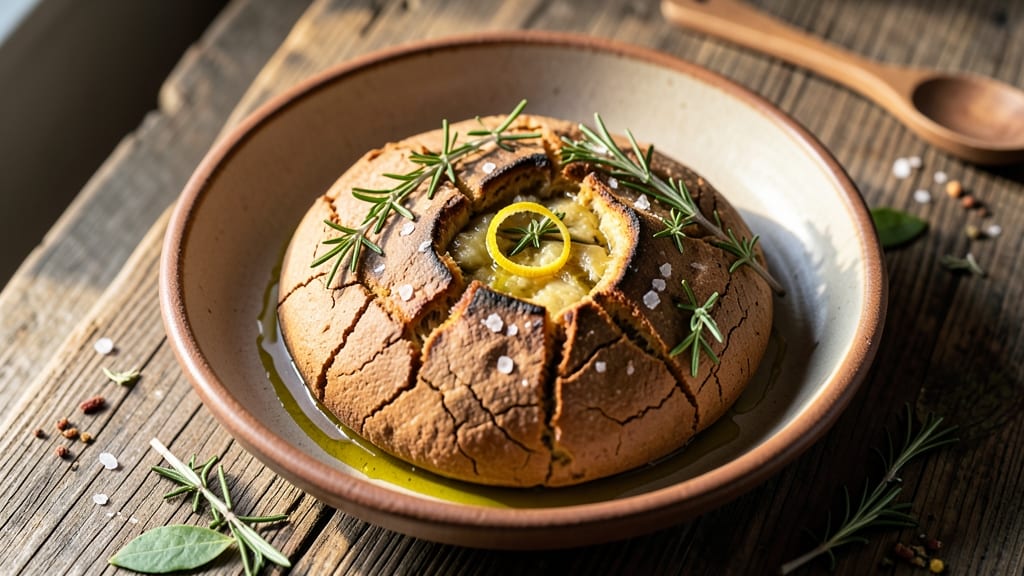
This ancient unleavened bread recipe brings biblical tradition to your kitchen with a simple, no-yeast method that delivers crispy, tender flatbread perfect for dipping or pairing. The technique mirrors ancient Middle Eastern practices, where flour and water were the only ingredients needed to create a staple food.
What makes this recipe special is its versatility—it works equally well for traditional meals or modern adaptations like gluten-free versions.
The beauty of unleavened bread lies in its simplicity: just flour, water, and optional salt or herbs, shaped and cooked quickly. Whether you bake it in a hot skillet or grill it over open flames, the result is a thin, crispy edge with a soft, pillowy center.
This method ensures you can recreate the texture of historic flatbreads without specialized equipment.
By following this recipe, you’ll achieve a bread that’s both authentic and adaptable—ideal for dipping in hummus, serving with stews, or using as a wrap. The historical significance adds depth, but the process remains approachable for modern cooks. Ready to master this timeless technique?
This recipe is vegan-friendly, gluten-free adaptable, and delivers restaurant-quality results with minimal effort. The key to success lies in the shaping and cooking method, ensuring every bite captures the essence of ancient tradition while fitting seamlessly into today’s meals.
Ingredients for ancient unleavened bread
Four simple ingredients capture biblical tradition—flour, water, salt, and oil.
| Ingredient | Amount | Notes |
|---|---|---|
| All-Purpose Flour 🌾 | 2 cups | Unbleached preferred for texture |
| Warm Water 💧 | 1 ¼ cups | 105°F-110°F ideal temperature |
| Sea Salt 🧂 | ½ tsp | Fine grain preferred |
| Extra-Virgin Olive Oil 🫒 | 1 tbsp | For coating and crisping |
| Fresh Rosemary 🌿 | ¼ cup | Chopped, optional herb |
| Fresh Thyme 🌿 | ¼ cup | Chopped, optional herb |
| Sesame Seeds 🌰 | 1 tbsp | For topping, optional |
| Ground Cumin 🌿 | ½ tsp | For earthy depth, optional |
| Garlic Powder 🧄 | ½ tsp | For subtle flavor, optional |
The flour is the foundation—King Arthur Unbleached Bread Flour or Bob’s Red Mill All-Purpose both yield excellent results. For gluten-free adaptations, Bob’s Red Mill 1:1 Gluten-Free Flour Blend works well, though texture will differ slightly. Warm water is critical: lukewarm (105°F-110°F) activates the flour’s proteins without cooking the dough. If your water is cold, let it sit for 5 minutes after heating. Diamond Crystal kosher salt dissolves cleanly, but any fine sea salt will suffice. The olive oil should be extra-virgin for authentic flavor—avoid refined versions that lack character.
No fresh herbs? Dried rosemary and thyme at one-third the amount preserve the aromatic profile. Swap sesame seeds for poppy seeds or toasted cumin seeds if unavailable. For a nutty twist, add 1 tablespoon ground flaxseed to the dough. The optional spices—cumin and garlic powder—can be omitted entirely for a purer historical experience, though they enhance modern adaptations. If using gluten-free flour, add 1 teaspoon xanthan gum to improve elasticity. Store-bought yeast-free flatbread mixes often contain hidden additives; this recipe’s simplicity ensures authenticity.
Pre-mixed dough keeps for 2 days in the fridge, wrapped tightly in plastic. For longer storage, freeze shaped dough balls for up to 3 months—thaw before cooking. Freshly baked bread is best consumed within 2 hours for optimal crispness. Reheat in a dry skillet over medium heat for 30 seconds per side to restore texture. Portion dough into 1-ounce balls for consistent sizing—each yields one 6-inch flatbread. The cooking method (skillet or grill) determines crispiness: cast iron skillets deliver the most authentic texture.
Why You'll Love This Recipe
- No-Knead Magic: Mixing takes five minutes—just flour, water, and a pinch of salt. Honestly, I’ve made this while waiting for the coffee to brew, and it still turns out better than store-bought.
- Rosemary Crunch: That fresh rosemary isn’t just decoration—it infuses the bread with a bright, herby punch that pairs perfectly with olive oil. Drizzle it fresh right after baking, and you’ve got a flavor upgrade that costs nothing.
- Lunchbox Hero: Between us, this bread is the answer for packed lunches. It stays crisp for days, soaks up hummus or olive tapenade without falling apart, and my kids actually ask for it—no bribes needed.
- Pantry Savior: A single batch feeds my whole family for three meals (toast, sandwiches, dipping bread), and the ingredients? Cheaper than takeout. Plus, it freezes like a dream—just reheat in a toaster, and it’s like fresh-baked again.
Step-by-step instructions for ancient unleavened bread
This method recreates the simplicity and flavor of biblical flatbread using just flour, water, and aromatic herbs.
Combine Dry Ingredients and Herbs
In a large mixing bowl, combine the 2 cups all-purpose flour and 0.5 tsp sea salt. The unbleached flour will yield a lighter, more tender crumb. Add the 0.5 tsp ground cumin and 0.5 tsp garlic powder, mixing thoroughly with a wooden spoon or your fingers until evenly distributed. These spices will infuse subtle earthy and savory notes throughout the bread.
Next, finely chop the 0.25 cup fresh rosemary and 0.25 cup fresh thyme, removing any woody stems. Sprinkle the herbs over the flour mixture and gently fold them in. The herbs will release their aromatic oils during baking, creating a fragrant, herbaceous crust. For best results, use fresh herbs at their peak—just before they begin to wilt.
Gradually Incorporate Warm Water and Olive Oil
In a separate measuring cup, combine the 1.25 cups warm water (between 105°F-110°F) and 1 tbsp extra-virgin olive oil. The warm water helps activate the flour proteins without overworking the dough, while the olive oil adds moisture and promotes a crispy exterior. If your water isn't warm, gently heat it in the microwave for 10-15 seconds—it should feel comfortably warm to the touch but not hot.
Create a well in the center of your flour mixture and pour in the water-oil combination. Using a fork or your hands, gradually mix the ingredients until a shaggy dough forms. Avoid overmixing—this unleavened bread relies on minimal gluten development for its tender texture. The dough should be slightly sticky but manageable. If it feels too dry, add 1-2 teaspoons of warm water to help bind it.
Shape and Rest the Dough
Transfer the dough to a lightly floured surface and gently knead it 4-5 times just to combine. This brief kneading ensures even distribution of ingredients without developing gluten. Divide the dough into 4 equal portions, each roughly the size of a golf ball. Roll each portion into a ¼-inch thick circle using a rolling pin or your hands. For even thickness, press down firmly and rotate the dough as you roll.
Place the shaped dough circles on a parchment-lined baking sheet, spacing them 1 inch apart. Cover the baking sheet loosely with a clean kitchen towel and let the dough rest at room temperature for 15 minutes. This brief rest allows the dough to relax slightly, making it easier to handle and preventing cracking during baking. The surface should remain slightly sticky—this is normal for unleavened bread.
Bake to Golden Perfection
Preheat your oven to 425°F with the rack positioned in the middle. Once preheated, brush the tops of the dough circles lightly with a pastry brush dipped in extra-virgin olive oil, then sprinkle evenly with 1 tbsp sesame seeds. The oil promotes browning, while the sesame seeds add a nutty crunch and visual appeal. Bake for 12-15 minutes until the edges are deep golden brown and the tops develop a crispy crust.
To check for doneness, tap the bottom of the bread gently with your knuckle—it should sound hollow. If the edges aren't fully browned, return the bread to the oven for 1-2 additional minutes. Remove from the oven and let cool on a wire rack for 5 minutes before serving. The bread will continue to crisp as it cools, so resist the urge to cut into it immediately. Serve warm with olive oil for dipping or alongside soups and stews.
Pro Tips For Making Ancient Unleavened Bread
- STIR LIKE A MAD PERSON: I learned this the hard way—skipping the vigorous stirring when mixing the dough is how you end up with dense, flavorless bricks instead of airy, fragrant bread. Grab that bowl and work the flour, water, and olive oil for at least 3-4 minutes until the dough pulls away from the sides and feels silky. The gluten needs that rough treatment to develop properly.
- SALT THE WATER FIRST: My grandmother swore by this, and she was right: dissolve the sea salt in the warm water before mixing it with the flour. It distributes evenly, so every bite gets that subtle, balanced seasoning—no salty pockets or bland spots. Use about 1 teaspoon for every 2 cups of flour, no matter what the recipe says.
- PRESS DON’T ROLL: Resist the urge to roll out this dough like you would pizza crust. Ancient unleavened bread needs pressure, not stretching. Press it firmly into the pan with your palms or a wet spatula, working from the center outward. This keeps the texture open and prevents tearing—especially important if you’re adding rosemary sprigs.
- ROAST THE ROSEMARY FIRST: Sounds weird, but it works: finely chop the rosemary after giving it a quick 30-second pulse in a dry skillet over medium heat. This intensifies its aroma and mellows the bitterness, so it doesn’t overpower the bread. Sprinkle it in while the dough is still warm in the pan—it’ll cling better and infuse faster.
Regional styles of ancient unleavened bread
Middle Eastern Manakeesh
In the Levant, unleavened bread takes the form of manakeesh, a thin, crispy flatbread brushed with garlic-infused olive oil before baking. For an authentic twist, replace rosemary with 1 tsp dried za'atar and 1 tsp sumac in the dough.
Brush baked bread with a mix of 2 tbsp olive oil, 1 minced garlic clove, and a pinch of sea salt for a restaurant-quality finish. Serve with hummus, labneh, or baba ganoush for the ultimate mezze spread. 🌿
Mediterranean Pita Variations
Greek and Turkish traditions favor pita bread, which puffs slightly when baked. Shape dough into 3-inch circles and bake at 450°F for 8-10 minutes until puffed. For sesame pita, sprinkle 1 tbsp toasted sesame seeds before baking.
Add 1 tsp dried oregano to the dough for a distinctly Mediterranean flavor. Stuff with grilled lamb, falafel, or feta cheese for a hearty meal. 🥙
Biblical Matzo Adaptations
Matzo, the traditional Passover bread, requires low moisture content to prevent rising. Use 1.5 cups flour and 1 cup water (reduced by 25% compared to standard dough) to achieve the signature cracker-like texture. Bake at 375°F for 10-12 minutes until rock-hard.
For a modern touch, brush baked matzo with melted butter and sprinkle with flaky sea salt—a perfect pairing for smoked salmon or cream cheese. 📜
Indian Roti and Phulka
Indian unleavened breads like roti and phulka rely on whole wheat flour for a nuttier flavor. Replace all-purpose flour with 2 cups whole wheat flour and add 1 tsp cumin seeds to the dough. Cook on a hot cast-iron skillet (no oil needed) until puffed and browned on both sides.
Serve with dal, curry, or pickled vegetables for a complete meal. The high heat creates a smoky aroma reminiscent of street-side chai stalls. 🌶️
North African Khobz
Moroccan khobz is a thicker, heartier unleavened bread often baked in wood-fired ovens. Shape dough into thick ovals (about ½-inch thick) and bake at 400°F for 15-18 minutes until golden. Enhance flavor with 1 tsp ground coriander and ½ tsp smoked paprika in the dough.
Serve warm with tagine or spiced lamb stew—the bread soaks up the rich flavors beautifully. 🏜️
Modern Gluten-Free Adaptations
For gluten-free versions, blend 1 cup gluten-free flour (like Bob’s Red Mill 1:1) with ½ cup almond flour for structure. Add 1 tsp xanthan gum to mimic gluten’s binding properties. Shape dough into thin circles and bake at 400°F for 10-12 minutes, brushing with olive oil for crispiness.
These adapt well to dipping sauces like guacamole or tahini, making them ideal for gluten-sensitive diets. 🌾
Nutrition facts
Frequently asked questions
Why is warm water important for this ancient bread?
Warm water (105°F-110°F) activates the flour's proteins just enough to create structure without overworking the dough. Cold water would make the dough too stiff, while hot water could cook the flour instead of activating it. This temperature range ensures a tender, pillowy texture with crispy edges—just like traditional flatbreads.
Can I make this bread without herbs or spices?
The base recipe works perfectly with just flour, water, and salt—a true ancient approach. For a purer historical experience, skip the rosemary, thyme, and spices. The bread will still be delicious, though the flavor will be more neutral. This minimalist version is ideal for pairing with simple dips or stews.
What’s the best way to store leftover flatbread?
Keep bread fresh by storing it in an airtight container at room temperature for up to 2 days. For longer storage, freeze shaped dough balls for 3 months or baked bread wrapped tightly for 1 month. To revive stale bread, warm it in a dry skillet over medium heat for 30 seconds per side for crispiness.
How do I fix dough that’s too sticky or too dry?
If your dough feels too sticky, add 1 teaspoon of flour at a time until it’s manageable. For dry dough, mix in 1 teaspoon of warm water and knead lightly. The ideal consistency should be slightly tacky but not gluey—this ensures even cooking and prevents cracking. Overworking the dough can also make it tough, so handle it gently!
Can I cook this bread on a grill instead of baking?
Yes! Shape the dough into thin circles and cook on a hot grill or griddle for 1-2 minutes per side until golden and crispy. For extra flavor, brush with olive oil before grilling. This method mimics traditional open-flame cooking and works especially well for manakeesh-style flatbreads. Just keep an eye on it to avoid burning.