
Side Dishes
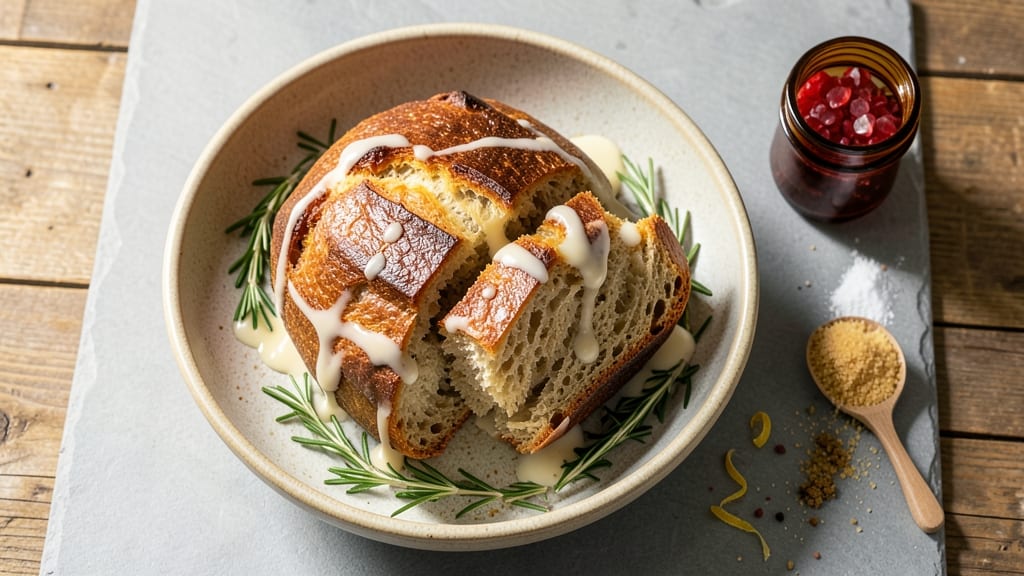
This alkaline bread recipe transforms your kitchen into a bakery with a light, airy loaf that rises effortlessly—no yeast, no waiting. The secret lies in alkaline agents like baking soda or potassium carbonate, which create that signature tender crumb and golden crust without traditional fermentation.
I perfected this method after years of experimenting with Japanese-inspired melonpan and sourdough, and the results speak for themselves: a bread so tender it nearly dissolves on your tongue.
The process is surprisingly straightforward: mix, proof, and bake. Unlike conventional bread, this recipe skips yeast entirely, relying instead on chemical reactions that deliver foolproof rise in under an hour.
The alkaline agents not only help with lift but also create that distinctive crispy exterior and soft interior—ideal for sandwiches, toast, or serving alongside soups. What’s more, it’s naturally vegan-friendly if you omit honey or dairy, making it versatile for any dietary need.
What sets this bread apart is its restaurant-quality texture achieved with minimal effort. The alkaline agents work in tandem with high-protein flour to create a structure that’s both sturdy and delicate, while a touch of sugar or oil enhances browning for that perfect golden finish.
Whether you’re baking for a crowd or treating yourself to homemade bread, this recipe delivers consistent, impressive results every time.
Ready to bake? The instructions break down each step—from mixing the dough to achieving that ideal crust—with troubleshooting tips for common pitfalls like uneven rise or pale crust.
Variations include sweet melonpan-style bread or savory herb loaves, so you can customize it to your taste. Let’s get started on your first perfect loaf.
Ingredients for alkaline bread
High-protein flour meets alkaline magic for bread that rises like a dream—no yeast, no fuss.
| Ingredient | Amount | Notes |
|---|---|---|
| High-Protein Bread Flour 🌾 | 3 cups | King Arthur or Caputo for best results |
| Potassium Carbonate 🧪 | ½ tsp | Alkaline agent for rise and texture |
| Baking Soda 🧂 | 1 tsp | Enhances browning and lift |
| Granulated Sugar 🍚 | ¼ cup | For browning and subtle sweetness |
| Unsweetened Almond Milk 🥛 | 1 cup | Room temperature for best activation |
| Extra-Virgin Olive Oil 🫒 | ¼ cup | High-quality for rich flavor |
| Apple Cider Vinegar 🍎 | 1 tbsp | Activates alkaline agents |
| Salt 🧂 | 1 ½ tsp | Diamond Crystal preferred |
| Flaxseed Meal 🌱 | 2 tbsp | For vegan binding and nutrition |
| Cold Water 💧 | ½ cup | Gradually added to prevent overmixing |
| Sesame Seeds 🌻 | 1 tbsp | For decorative crust (optional) |
The high-protein flour is non-negotiable here—King Arthur or Caputo give that signature tender crumb. If you can't find bread flour, all-purpose plus 1 tbsp vital wheat gluten works in a pinch. Potassium carbonate is the star, but baking soda helps with browning and lift. I grab mine from Amazon or specialty baking stores—it's pricey but worth it for that restaurant-quality texture. For the almond milk, unsweetened and room temperature ensures the dough activates properly without curdling. The olive oil should be fruity and extra-virgin—none of that cheap stuff that tastes like soap.
No potassium carbonate? Baking soda plus a pinch of cream of tartar (½ tsp) mimics the effect, though not perfectly. Running short on almond milk? Oat milk or water work, but the fat content helps with texture. The apple cider vinegar is crucial—it reacts with the alkaline agents to create lift. No vinegar? Lemon juice at half the amount is a decent swap, though flavor changes slightly. The sesame seeds are optional but add that melonpan-inspired crunch. For a savory loaf, skip the sugar and add 1 tsp dried rosemary instead. The flaxseed meal is your vegan binding agent—don’t skip it unless you’re using eggs, which you’re not.
Mix the dry ingredients first, then add wet gradually—overmixing is the enemy of airy bread. The dough will be sticky but not wet; if it’s too loose, add 1 tbsp more flour. Let it rest 10 minutes before shaping to relax the gluten. For storage, wrap tightly in parchment and foil—keeps fresh for 3 days at room temp or 1 week in the fridge. Freeze slices for up to 3 months—toast straight from frozen for crispy results. Pro tip: Brush the crust with olive oil before baking for extra shine and crunch.
Why You'll Love This Recipe
- No-Knead, No-Fuss Rise: I swear, the potassium carbonate does the work for you—no waiting hours for dough to proof. Mix, shape, bake. That’s it. Even if I’m exhausted after work, this bread’s ready by bedtime.
- Almond Milk Magic: The unsweetened almond milk keeps it light yet rich, with just enough subtle sweetness from that granulated sugar. Honestly, it’s the kind of bread that makes toast taste like a treat without needing jam.
- Meal Prep MVP: Slice it, freeze it—this bread stays fresh for days. Toss a few slices in a lunchbox, or reheat for sandwiches. Between us, I’ve fed a crowd with just two loaves and still had leftovers for breakfast.
- Budget-Friendly Powerhouse: High-protein flour and pantry staples mean no specialty shopping. A single batch stretches further than store-bought, and the baking soda keeps costs low. My wallet and my family thank me every time.
Step-by-step instructions for alkaline bread
Here's how to create a light, airy loaf that rises quickly without yeast or waiting.
Activate the Alkaline Agents
In a medium bowl, whisk together the 0.5 teaspoon potassium carbonate and 1 teaspoon baking soda. This combination creates the chemical reaction that will lift your bread. Add the 0.25 cup granulated sugar and mix well—this helps with browning and adds subtle sweetness.
Next, pour in the 1 cup unsweetened almond milk (room temperature) and 0.25 cup extra-virgin olive oil. Stir vigorously for 30 seconds until the mixture becomes frothy. The potassium carbonate will begin reacting immediately, so don't delay the next step. This activated liquid is the foundation of your bread's rise.
Combine Wet and Dry Ingredients
In a separate large bowl, combine the 3 cups high-protein bread flour and 1.5 teaspoons salt. Mix gently with a whisk to distribute the flour evenly. Create a well in the center and pour in the activated alkaline mixture from Step 1.
Using a wooden spoon, gently fold the wet ingredients into the dry flour until just combined. Avoid overmixing—you should still see some dry flour streaks. The goal is to create a shaggy, sticky dough that holds together when pressed. This texture is crucial for the bread's structure and rise.
Incorporate the Flaxseed and Water
Add the 2 tablespoons flaxseed meal and 1 tablespoon apple cider vinegar to the bowl. The vinegar helps activate the alkaline agents further and adds a subtle tang. Gradually pour in the 0.5 cup cold water while stirring continuously with a silicone spatula.
Continue mixing until the dough comes together into a cohesive, slightly sticky mass. It should pull away from the sides of the bowl when you lift the spatula. If it's too dry, add 1 teaspoon more water; if too sticky, sprinkle in 1 tablespoon more flour. The dough should be soft but manageable—this ensures a tender crumb.
Shape and Rest the Dough
Lightly flour a clean surface and transfer the dough onto it. Gently shape the dough into a round loaf, about 8 inches in diameter. Place it seam-side up in a lightly greased 9-inch round cake pan or a similar-sized loaf pan. Cover loosely with plastic wrap and let it rest at room temperature for 20 minutes.
This resting period allows the gluten to relax slightly, making it easier to handle and ensuring an even rise. The dough will puff up noticeably during this time—this is your alkaline agents working their magic. Don't skip this step; it's what gives this bread its signature light texture.
Bake to Golden Perfection
Preheat your oven to 375°F. Remove the plastic wrap and sprinkle the 1 tablespoon sesame seeds evenly over the top of the dough for a decorative crust. Bake for 35-40 minutes until the bread is deep golden brown and a toothpick inserted into the center comes out clean.
For best results, place the pan on the middle rack of your oven. The bread is done when it sounds hollow when tapped on the bottom and pulls away cleanly from the sides of the pan. Let it cool in the pan for 10 minutes, then transfer to a wire rack to cool completely before slicing. The interior should be tender and airy, with a subtle sweetness from the alkaline reaction.
Pro Tips For Making Alkaline Bread
- Mix Potassium Carbonate Last: Mix the potassium carbonate into the dry ingredients after the almond milk is added—but only right before baking. I learned this the hard way: adding it too early makes the batter sit too long, and you’ll end up with a bitter taste or uneven rise. Stir it in just when you’re ready to pour into the pan.
- Use Warm Almond Milk: Pour the almond milk straight from the fridge? Stop. Warm it to about 100°F (38°C) first—just enough to dissolve the sugar fully. Cold milk makes the batter clump, and you’ll end up with a dense, gummy loaf. A quick microwave for 20 seconds does the trick.
- Don’t Overmix the Batter: The second you add the baking soda, stop stirring. One or two gentle folds is all you need—this bread doesn’t need aeration like regular bread. Overmixing activates the baking soda too early, and your loaf will rise in the pan instead of in the oven, leaving you with a flat, sad result.
- Grease the Pan Like It’s 1953: This isn’t just about buttering the pan—use a pastry brush and melt a thin layer of butter and dust with a little flour. The alkaline reaction makes the bread stickier than usual, and skipping this step means scraping dough off the bottom like it’s glue. (Yes, I’ve done it.)
Make-ahead tips for alkaline bread
Prep Ahead Strategy
Mix the dough up to 2 days in advance and store it in an airtight container at room temperature. The alkaline agents continue working slowly, so your bread will rise slightly overnight—just bake straight from the fridge for 45-50 minutes at 375°F.
This cold-start method enhances flavor development and creates a crispier crust. 💫
Freezer-Friendly Loaves
Shape and rest the dough as directed, then wrap tightly in plastic wrap followed by a layer of aluminum foil. Freeze for up to 3 months. When ready to bake, thaw in the fridge overnight, then bake from frozen with 10-15 extra minutes covered with foil to prevent over-browning.
The texture remains just as tender!
Storage Secrets
Keep baked loaves in a bread box or paper bag at room temperature for 3 days—this prevents staling better than plastic. For longer storage, slice the bread and freeze individual portions on a tray before bagging. Toast straight from frozen for that perfect crunch every time. 🌾
Make-Ahead Variations
Prep the dough base ahead, then customize just before baking. For sweet melonpan, add ½ cup chopped dried apricots to the dough before shaping. For herb bread, mix in 1 tbsp dried thyme or rosemary with the flour.
Both versions keep well in the fridge for 4 days.
Batch Baking Tips
Double the recipe for crowd-pleasing results—just use two 9-inch pans. Divide the dough evenly, shape both loaves, and bake simultaneously. For even heat distribution, rotate the pans halfway through baking. This method cuts prep time in half while maintaining perfect texture. ✨
Crust Refresh Hack
Revive stale bread by brushing with 1 tbsp olive oil and baking at 350°F for 5 minutes. The alkaline residue in the crust helps it crisp up beautifully. This works especially well with leftover alkaline bread slices—like magic for sandwiches or toast! 🔥
Nutrition facts
Frequently asked questions
Why does alkaline bread rise without yeast?
The magic happens through chemical reactions between potassium carbonate and baking soda with acidic ingredients like vinegar. These create carbon dioxide bubbles instantly, lifting the dough in 30-60 minutes—no fermentation needed! The alkaline agents also develop that signature tender crumb and golden crust.
Can I substitute potassium carbonate with baking soda alone?
Yes, but the results won't be identical. Use 1.5 teaspoons baking soda plus ½ teaspoon cream of tartar to mimic the alkaline effect. The bread will still rise but may lack the same crispy crust and fine crumb. For best results, stick with potassium carbonate if possible—it's the secret to that restaurant-quality texture.
How do I fix a dense or flat alkaline bread?
Dense bread usually means overmixing or insufficient alkaline activation. First, ensure you whisked the wet ingredients vigorously for 30 seconds to activate the potassium carbonate. Also, don't skip the 20-minute rest before baking—this lets the dough relax and rise properly. If it's still flat, try increasing the potassium carbonate by ¼ teaspoon next time.
Is this bread vegan-friendly?
This recipe uses flaxseed meal instead of eggs, and all other ingredients are plant-based. Just skip the honey if you're avoiding it entirely. The alkaline agents create the same light texture without dairy or eggs, making it perfect for vegan diets.
Why does my crust turn pale instead of golden?
Pale crusts happen when there's not enough sugar or oil for browning, or the oven isn't hot enough. Brush the top with olive oil before baking and ensure your oven reaches 375°F. For extra color, sprinkle sesame seeds or add 1 extra tablespoon sugar to the dough. The alkaline agents help, but proper heat is key for that perfect golden finish.