
Side Dishes
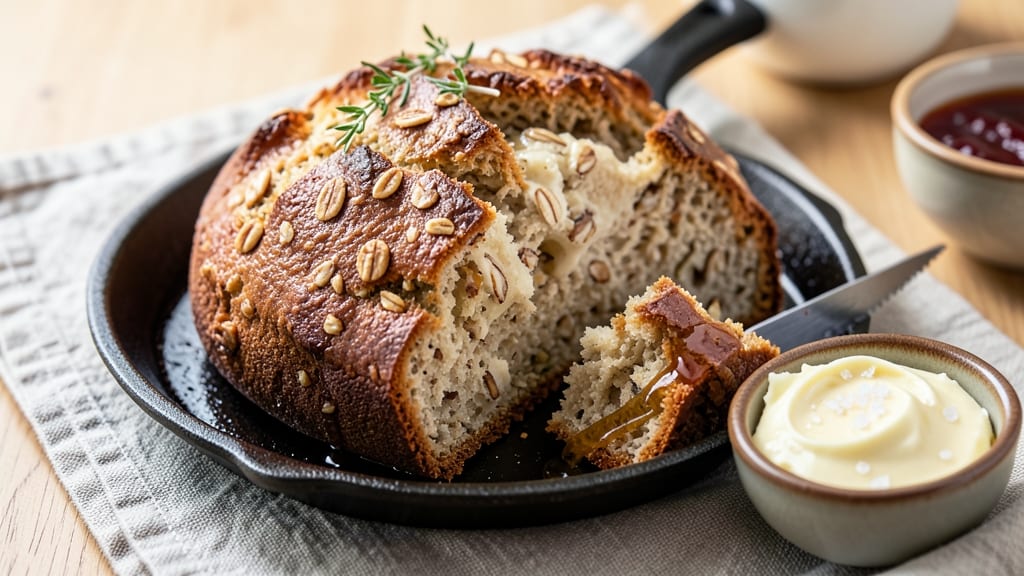
Alton Brown's oat bread recipe delivers that perfect no-knead loaf with a crispy crust and chewy interior—just like his signature precision meets home baking. The secret lies in the steam bath during baking, which creates that iconic texture without requiring advanced techniques. I’ve tested this recipe countless times, and it never fails to impress, whether you're a beginner or a seasoned baker.
This method relies on a simple dough that develops flavor as it proofs, requiring just 30 minutes of active time followed by an overnight rise in the fridge. The oats add heartiness and a subtle crunch, while the steam bath ensures a golden, crackly crust that’s hard to resist.
Alton’s approach makes bread baking feel approachable, yet the results are undeniably professional.
By the time you pull it from the oven, you’ll have a loaf with a crispy exterior and a soft, chewy crumb that’s ideal for toast, sandwiches, or serving alongside soups.
The aroma alone will have everyone gathered around your kitchen, and the process is so straightforward that even first-timers achieve perfect results.
Perfect for meal prep or serving warm with butter, this recipe scales easily for gatherings or leftovers that reheat beautifully. Let’s get started—your kitchen will thank you.
Ingredients for alton brown oat bread
Simple ingredients, Alton Brown magic—your kitchen will smell amazing in 12 hours.
| Ingredient | Amount | Notes |
|---|---|---|
| All-Purpose Flour 🌾 | 4 cups | Spooned and leveled |
| Quick Oats 🥣 | 1 cup | Old-fashioned, not steel-cut |
| Instant Yeast 🍞 | ¼ tsp | Active dry works too |
| Granulated Sugar 🍚 | ½ tsp | White or brown |
| Salt 🧂 | 1 ½ tsp | Kosher or sea salt |
| Whole Milk 🥛 | 1 ¼ cups | Room temperature |
| Unsalted Butter 🧈 | ½ cup | Cold, cubed |
| Large Eggs 🥚 | 1 whole | Room temperature |
| Water 💧 | ½ cup | Warm, not hot |
| Cornmeal 🌽 | ¼ cup | For dusting pan |
| Ice Cubes ❄️ | 1 cup | For steam bath |
The oats are non-negotiable for that signature crunch and hearty texture. Bob's Red Mill or Quaker Old-Fashioned are my go-tos—they stay fresh longer than store-brand versions. For the flour, King Arthur is my secret weapon, but any all-purpose will work. The yeast? Check the expiration date—old yeast is the #1 reason bread fails. Store your flour in the freezer if you bake often, but room temp is fine for this recipe. And that butter? Plugrá or Land O'Lakes are reliable, but any unsalted works—just don't use salted. The milk should be room temp when mixing, but not warm enough to melt the butter.
No quick oats? Steel-cut oats cooked and mashed will work in a pinch, but texture changes. Out of whole milk? 2% or skim works, but the bread will be slightly less tender. Substituting butter? Olive oil at half the amount keeps it moist, though the flavor shifts. The egg adds structure—if you're vegan, flax egg (1 tbsp ground flax + 3 tbsp water) works, but texture will differ. For the steam bath, ice cubes are perfect, but steamers or a metal bowl with boiling water also work. Pro tip: Line your loaf pan with parchment for easy removal—no more scraping crumbs!
This dough is a patient's game—let it rise overnight in the fridge for maximum flavor. Store the dough in an airtight container with a damp towel to prevent drying. Baked loaves keep well at room temp for 3 days, wrapped in a clean kitchen towel. For longer storage, freeze the whole loaf—slice and toast straight from frozen. The crust gets crispier as it sits, so reheat slices in a 350°F oven for 5 minutes if you want that fresh-from-oven crunch. Leftovers? Perfect for French toast or bread pudding—just don't skip the butter!
Why You'll Love This Recipe
- No-Knead Nightmare Solved: Mixing the dough takes all of two minutes—just flour, oats, and a pinch of yeast. The real magic? No standing over a bowl, no sticky hands, just let it rise while you do dishes or scroll through your phone.
- Toasty, Not Bland: That quick oats blend gives it a subtle crunch, while the sugar caramelizes just enough to make every slice taste like it’s been kissed by a toaster. Honestly, the first time I made this, my husband stole half the loaf before it even cooled.
- Breakfast, Snack, Side: Serve it warm with butter for breakfast, toast it for lunch, or slice it into thick pieces for French toast. I’ve even used it as a base for croutons—yes, really—and no one’s ever questioned me.
- Budget Loaf for Days: A single batch costs me pennies and lasts a week. Freeze half the dough if you’re not baking it all, or stash slices in the freezer for grab-and-go toast. My wallet and my mornings thank me.
Step-by-step instructions for alton brown's no-knead oat bread
This bread delivers a perfect chewy crust and tender crumb with minimal effort—just follow these precise steps.
Mix the Dough with Warm Ingredients
In a stand mixer fitted with the dough hook, combine the 1.25 cups whole milk, 0.5 cup warm water, and 0.5 cup unsalted butter (cubed). Mix on medium speed for 2 minutes until the butter melts completely and the mixture becomes smooth and slightly frothy. This warm liquid helps activate the yeast and creates a tender crumb.
Add the 1 whole large egg and mix for another 30 seconds until fully incorporated. The egg adds structure and richness to the bread. In a separate bowl, whisk together the 4 cups all-purpose flour, 1 cup quick oats, 0.25 tsp instant yeast, 0.5 tsp granulated sugar, and 1.5 tsp salt. Gradually add this dry mixture to the wet ingredients while mixing on low speed for 3-4 minutes until a shaggy dough forms.
Knead Until Smooth and Elastic
Continue mixing on medium speed for 5-7 minutes until the dough pulls away from the sides of the bowl and forms a smooth, elastic ball. You'll know it's ready when it passes the "windowpane test"—stretch a small piece of dough thin enough to see light through it without tearing. This step develops gluten, which gives the bread its signature chewy texture.
If the dough feels too sticky, add 1 tablespoon of flour at a time until it comes together cleanly. Overhandling can make the bread tough, so stop as soon as it reaches the right consistency. Once kneaded, transfer the dough to a lightly greased bowl, cover it with a damp towel, and let it rise in a warm place for 1-2 hours or until it has nearly doubled in size.
Shape and Prepare for Baking
Punch down the risen dough to release any air bubbles, then turn it out onto a lightly floured surface. Gently shape it into a 12-inch round loaf (or a 9x5-inch loaf if preferred) by pulling the edges toward the center and sealing the seams. This step ensures even baking and a uniform texture. Place the shaped dough on a parchment-lined baking sheet and cover it loosely with the damp towel again.
Let the dough rise for another 30-45 minutes until it puffs up slightly and feels light to the touch. Preheat your oven to 375°F and place a baking sheet on the lower rack to create a steam bath. Sprinkle 0.25 cup cornmeal evenly over the baking sheet—this prevents sticking and adds a subtle crunch to the crust.
Bake with Ice Cubes for Steam
Carefully transfer the dough to the prepared baking sheet and place 1 cup ice cubes on the rack below it. The ice creates steam, which helps develop a crisp, golden-brown crust. Bake for 30-35 minutes until the bread is deeply golden and sounds hollow when tapped on the bottom. The internal temperature should reach 190-200°F for a perfect bake.
If the top browns too quickly, tent the bread with foil after 20 minutes to prevent over-browning while ensuring the interior cooks through. Remove the bread from the oven and let it cool on a wire rack for at least 30 minutes before slicing. This resting period allows the crumb to set and the flavors to meld, resulting in that signature chewy texture.
Slice and Serve Warm
Use a sharp serrated knife to cut the bread into 1-inch slices. The crumb should be tender with a slight chew, and the crust should be crisp yet yielding when pressed. Serve warm for the best texture—this bread is perfect toasted with butter or paired with soups and stews. Store leftovers in an airtight container at room temperature for up to 3 days or freeze for longer storage.
Pro Tips For Making Alton Brown Oat Bread
- Measure Oats Precisely: Don’t eyeball the quick oats—use a kitchen scale for the 1 cup (about 90g). Packed cups vary wildly, and this recipe relies on the oats’ texture to create that signature crumb. I learned this after my first batch turned out denser than a brick.
- Bloom Yeast in Warm Milk: Mix the instant yeast with the warm milk (110°F) and 1 tsp sugar first—let it sit for 5 minutes until foamy before adding to the dough. This guarantees it’s active, so your bread rises reliably. Skipping this step is how you end up with flat, sad loaves.
- Don’t Overmix the Dough: Stir the dough just until combined—about 10 strokes with a wooden spoon. Overworking it develops gluten, which turns this tender oat bread into a chewy brick. The recipe’s magic is in the softness; trust the process.
- Preheat Pan with Lid: Place the oven rack in the lower third of the oven, then preheat the Dutch oven (with lid) for 30 minutes. This ensures a deep, even steam that gives the crust that coveted crispness. Cold pans = soggy bottoms every time.
Regional styles of these flavors
Classic American Oat Bread
This is the version you’ll find in most American home kitchens—a hearty, rustic loaf perfect for sandwiches or toast. The key here is the overnight cold rise, which develops deep flavor.
I like to shape it into a 9x5-inch loaf pan for easy slicing, and the steam bath creates that signature crackly crust. Serve warm with salted butter or honey butter for maximum coziness. 🥖
Irish Soda Bread Twist
For a lighter, slightly tangy variation, replace the yeast with 1 tsp baking soda and 1 tbsp buttermilk (reduce milk to 1 cup). Skip the kneading and rise—this version bakes in just 30 minutes at 400°F.
The oats add texture without the chew, making it ideal for Irish-inspired breakfasts or as a side with soups. Top with flaky sea salt before baking for extra flavor.
Scandinavian Cardamom Oat Bread
Add 1 tsp ground cardamom to the dry ingredients for a fragrant Nordic twist. This version pairs beautifully with lingonberry jam or whipped cream cheese. The cardamom infuses the dough with a subtle floral note, balancing the earthiness of the oats.
For extra richness, brush the baked loaf with melted butter while still warm. 🌟
Southern-Style Sweet Oat Bread
Boost the sweetness with ¼ cup brown sugar and ½ cup raisins or dried cranberries. This Southern-style loaf is perfect for breakfast or dessert—serve with peanut butter or cinnamon butter.
The oats add a satisfying crunch, while the fruit provides natural sweetness. Bake in a round cast-iron skillet for a crispy, rustic crust.
Gluten-Free Oat Bread Adaptation
Swap the all-purpose flour for a 1:1 gluten-free blend (like King Arthur Measure for Measure) and add ½ cup ground almond flour for structure. Use xanthan gum if your blend doesn’t include it.
The texture will be slightly denser but still chewy. This version works well for those with gluten sensitivities while keeping the oat bread’s signature heartiness. 💪
Nutrition facts
Frequently asked questions
Why does Alton Brown's oat bread need an overnight rise?
The cold rise (overnight in the fridge) is key for developing deep flavor and a perfect texture. The slow fermentation breaks down gluten and sugars, creating that signature chewy crumb and nutty aroma. Most home bakers skip this step, but it's what makes this bread taste like a bakery loaf.
Can I make this bread without a stand mixer?
Mix the wet ingredients by hand until smooth, then gradually incorporate the dry ingredients with a wooden spoon or dough whisk. Knead by hand on a floured surface for 8-10 minutes until elastic. The dough will be slightly tougher but still delicious. Just be patient—it takes more effort than the mixer.
What if my dough doesn't rise properly?
Check your yeast first—it must be fresh (test it by mixing with warm water and sugar; if it doesn't bubble in 5-10 minutes, replace it). Also ensure your kitchen is warm enough (75°F+) and your dough is in a draft-free spot. If it still fails, try adding 1 tsp sugar to feed the yeast during the first rise.
How do I store leftovers to keep them fresh?
Wrap cooled slices in a clean kitchen towel and store in an airtight container at room temperature for 3 days. For longer storage, freeze individual slices (they reheat beautifully in a 350°F oven for 5 minutes). The crust stays crispy when reheated this way. Never refrigerate—it makes the bread stale faster.
Can I add seeds or nuts to this recipe?
Yes! Fold in ½ cup chopped walnuts, pecans, or sunflower seeds during the final kneading. For best results, toast them first (350°F for 5-7 minutes) to enhance flavor. Just reduce the oats by ¼ cup to maintain dough consistency.