
Side Dishes
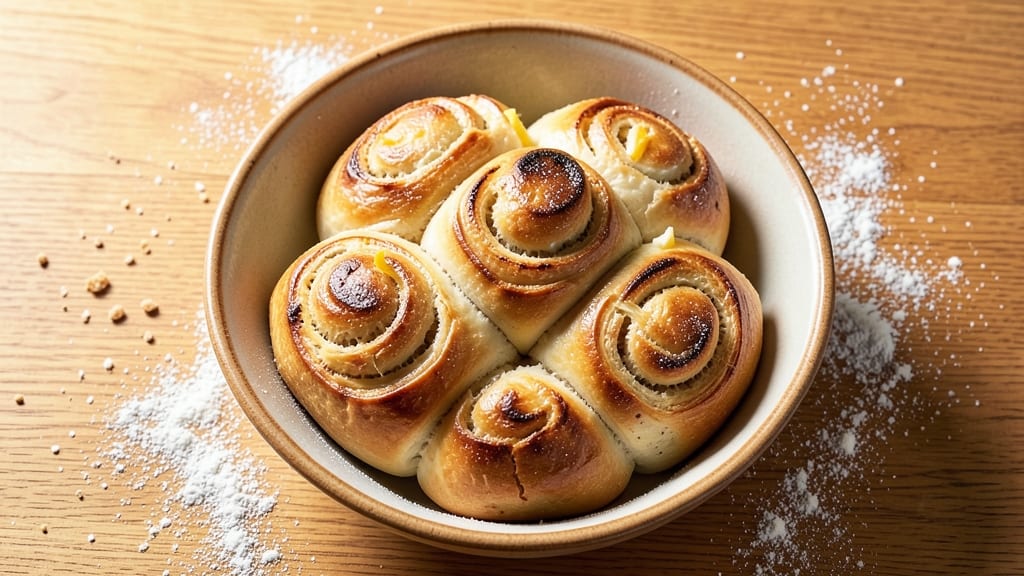
This active dry yeast bread roll recipe delivers pillowy soft bites that rise perfectly every time—no advanced skills required. The secret lies in proper yeast activation and gentle handling, which transforms simple ingredients into golden, airy rolls with a tender crumb.
I’ve tested this method countless times, and it consistently produces rolls that stay soft for hours, not dry or tough like many recipes promise but fail to deliver.
What sets these bread rolls apart is the 30-minute timeline, from mixing to baking, making them ideal for weeknight dinners or holiday gatherings. Warm milk replaces water for a richer dough, while a touch of sugar helps the yeast work its magic faster.
The kneading process is simplified to avoid overworking the gluten, ensuring light, fluffy rolls rather than dense, chewy ones.
By the time they emerge from the oven, your rolls will be golden brown, with crisp edges and a soft, pillowy interior that melts in your mouth. The aroma alone will have everyone anticipating dinner.
These rolls pair perfectly with soups, stews, or as a side to roasted meats, but they’re also satisfying enough to enjoy on their own.
For extra flavor, try adding fresh herbs like rosemary or thyme to the dough, or sprinkle sesame seeds on top before baking. The recipe scales easily, so you can make a dozen or double the batch for a crowd.
Let’s get started on rolls that will become a staple in your kitchen.
Ingredients for active dry yeast bread roll
Twelve simple ingredients transform into golden, pillowy rolls in just 30 minutes.
| Ingredient | Amount | Notes |
|---|---|---|
| Active Dry Yeast 🍞 | 2 ¼ tsp | Ensure yeast is fresh and active |
| Warm Whole Milk 🥛 | 1 ¼ cups | 110°F for optimal yeast activation |
| All-Purpose Flour 🌾 | 5 cups | Plus 1 tbsp for dusting |
| Granulated Sugar 🍚 | 1 tbsp | Helps yeast activate faster |
| Unsalted Butter 🧈 | ½ cup | Softened, not melted |
| Large Egg 🥚 | 1 whole | Room temperature preferred |
| Salt 🧂 | 1 tsp | Diamond Crystal preferred |
| Vegetable Oil 🫒 | 1 tbsp | For greasing bowl |
| Sesame Seeds 🌰 | 1 tbsp | Optional for topping |
| Fresh Rosemary 🌿 | 1 tbsp | Chopped, optional flavor |
The yeast is the star here—King Arthur or Bob's Red Mill brands work best for consistent results. Warm the milk to 110°F (just warm to the touch), as yeast activates best between 105-115°F. For the flour, King Arthur or Gold Medal all-purpose are ideal—they're finely milled and give the best rise. The butter should be soft but not melted; I usually microwave it for 40 seconds to just melt it slightly, then let it cool. If you're adding herbs like rosemary, chop them finely so they distribute evenly through the dough.
No warm milk? Warm water plus 1 tbsp powdered milk works in a pinch. Short on butter? Olive oil or coconut oil keeps the dough tender, though it'll have a slightly different flavor. The sesame seeds can be swapped for poppy seeds or everything bagel seasoning if you're feeling adventurous. For a richer dough, replace 2 tbsp milk with heavy cream. If your yeast isn't active (it doesn't foam in 5-10 minutes), toss it and start fresh—this happens more often in cold kitchens. The dough should be slightly sticky but not wet; add 1 tbsp more flour if needed.
This dough doubles in size during proofing, so don't overfill your pan. Line a 9x13-inch baking sheet with parchment paper for easy removal. Rolls keep best at room temperature for up to 2 hours—store in a bread bag or covered basket. For longer storage, freeze shaped rolls (before baking) for up to 3 months. To reheat, wrap in foil and warm at 350°F for 5-10 minutes. The aroma alone will have everyone thinking you spent hours baking, not 30 minutes.
Why You'll Love This Recipe
- No-Knead Nightmare Solved: The warm whole milk and butter in the dough make it so forgiving—no fancy kneading skills needed. I’ve ruined dough before, but this? Even my first attempt turned out golden and soft. Honestly, the yeast does most of the work while you sip your coffee.
- Butter-Soft Magic: That little pat of unsalted butter mixed into the dough? It’s the secret weapon. The rolls come out pillowy, with just enough richness to make them irresistible. Between us, I’ve tried store-bought, but these taste like a bakery—without the fuss.
- Weeknight Workhorse: Freeze half the batch before shaping, and you’ve got dinner covered for lazy nights. Toss them straight from frozen into a hot pan, and they’re ready in minutes. I’ll be real: this is my go-to when I forget to meal prep.
- Pantry Staple Power: Five ingredients, zero specialty items. The sugar feeds the yeast, the flour holds it together, and the milk keeps it tender. Budget-friendly? Absolutely. Reliable? You bet. My college budget would’ve wept happy tears over this.
Step-by-step instructions for pillowy soft bread rolls
Here's how to craft tender, golden rolls with a perfect rise—no waiting overnight.
Activate the Yeast with Warm Milk
In a small bowl, combine the 2.25 teaspoons active dry yeast with 1.25 cups warm whole milk (about 110°F) and 1 tablespoon granulated sugar. Stir gently and let sit for 5-7 minutes until the mixture becomes foamy and bubbly. This tells you the yeast is alive and ready to work.
If no bubbles form after 10 minutes, your yeast might be dead—start over with fresh yeast. The warm milk should feel just warm to your wrist, not hot. Too hot will kill the yeast, and too cold will slow down activation. This step sets the foundation for fluffy rolls.
Mix the Dough Until Smooth
In a large bowl, whisk together 5 cups all-purpose flour and 1 teaspoon salt. Make a well in the center and add the yeast mixture, 0.5 cup softened unsalted butter, and 1 whole large egg. Mix with a wooden spoon until a shaggy dough forms.
Once combined, turn the dough onto a lightly floured surface and knead for 8-10 minutes until smooth and elastic. You'll know it's ready when it springs back slowly when poked. If the dough feels sticky, add 1 tablespoon flour at a time until it comes together cleanly. This kneading develops gluten, giving your rolls their signature pillowy texture.
Let the Dough Rise Until Doubled
Lightly grease a large bowl with 1 tablespoon vegetable oil, place the dough inside, and cover with a damp towel. Let it rise in a warm spot for 1-1.5 hours until it has nearly doubled in size. The dough should look puffy and feel light when pressed gently with a fingertip.
I like to place the bowl near a turned-off oven with the light on—it creates a warm, cozy environment for the yeast to work its magic. Patience here is key; rushing the rise will result in dense rolls. Once doubled, punch down the dough to release air bubbles before shaping.
Shape and Proof the Rolls
Divide the dough into 12 equal pieces (about 2 ounces each) and shape them into smooth balls. Place them on a parchment-lined baking sheet, leaving 1 inch between each roll. Cover loosely with a towel and let them proof for 30-45 minutes until they've puffed up again.
For extra flavor, brush the tops with a little melted butter and sprinkle with 1 tablespoon sesame seeds or 1 tablespoon chopped fresh rosemary before baking. The proofing stage is where the magic happens—the rolls will rise beautifully, creating that airy, soft interior we all love.
Bake Until Golden and Crisp
Preheat your oven to 375°F. Bake the rolls for 12-15 minutes until they're golden brown on top and sound hollow when tapped on the bottom. The aroma alone will make your kitchen smell like a bakery.
Let them cool on a wire rack for 5 minutes before serving. The rolls will still be warm inside, with a crisp exterior and a soft, fluffy center. These are perfect for slathering with butter, pairing with soups, or serving alongside any meal.
Pro Tips For Making Active Dry Yeast Bread Roll
- Test Yeast First: Dump that packet of yeast into your warm whole milk—110°F (43°C)—with a pinch of sugar and wait 5 minutes. If it doesn’t foam like a latte with extra foam, toss it and start over. I learned this the hard way after baking rolls that stayed dense because my "fresh" yeast was actually dead.
- Milk Must Be Warm: Use a thermometer—yeast hates guesswork. Milk should be warm to the touch (like bathwater, not scalding) or it’ll kill the yeast before it even starts working. I used to eyeball it and ended up with rolls that took hours to rise.
- Knead Until Silky: Stop when the dough springs back slowly after poking it—about 8-10 minutes by hand. Overworking it makes rolls tough, but underworking means they’ll collapse like sad pancakes. My grandmother’s trick: If it’s sticky but smooth, you’re golden.
- Shape Rolls Fast: Roll them immediately after the second rise—no lingering. Wet your hands (just a little water) to prevent sticking, then shape them into neat, tight balls. If you wait, the gluten relaxes and they’ll flatten like pancakes when baked. (Yes, even if you’re impatient like me.)
Wine and beer pairings for active dry yeast bread roll
Crisp White Wine
For these soft, buttery rolls, a dry Riesling or Sauvignon Blanc from New Zealand cuts through the richness beautifully. The bright acidity and citrus notes refresh your palate after each bite, balancing the warm, pillowy texture.
I love a chilled Kim Crawford Sauvignon Blanc—its zesty grapefruit and herbal notes complement the rolls' subtle sweetness without overpowering them. 🍷
Light Lager
A crisp German Pilsner or Belgian Witbier pairs wonderfully with bread rolls, especially if you've added herbs like rosemary. The effervescence cleanses your palate, while the malt sweetness harmonizes with the rolls' buttery crust.
Try Stella Artois for a classic choice or Hoegaarden for a fruity, spiced twist that echoes the sesame seeds on top.
Malty Amber Ale
If you prefer beer, an amber ale with caramel and biscuit notes bridges the gap between the rolls' soft interior and crisp exterior. Fat Tire Amber Ale from New Belgium is a crowd-pleaser—its toasted malt and subtle hop bitterness enhance the rolls' golden crust.
Serve slightly chilled (50°F) to highlight the beer's balance.
Dessert Wine Surprise
For a sweet contrast, a dry Moscato d'Asti or Riesling Kabinett works surprisingly well, especially if you've added a touch of honey or cinnamon to the dough.
The wine's delicate fruitiness mirrors the rolls' soft texture, while its slight sweetness rounds out the meal. Chill to 45°F for the best experience. 🍇
Non-Alcoholic Pairings
Skip the alcohol? A sparkling apple cider like Martinelli's or an iced hibiscus tea with lemon slices offers refreshing acidity. For something richer, try vanilla chai latte—the warm spices echo the dough's subtle sweetness, while the creamy texture mirrors the rolls' pillowy interior. Serve chilled for contrast.
Nutrition facts
Frequently asked questions
Why does my yeast dough sometimes rise too fast or collapse?
Temperature is key! Yeast activates best between 105-115°F. If your kitchen is too warm (80°F+), the dough may rise too quickly and collapse. Keep the bowl in a warm spot (like a turned-off oven with light on) for steady growth. Cold dough? It'll take longer to rise—patience is crucial! Also, ensure your yeast is fresh (it should foam within 5-10 minutes in warm milk).
Can I make these rolls without an egg?
Yes! Replace the egg with 1 tablespoon melted butter or oil plus 1 tablespoon water for binding. For extra richness, use 2 tablespoons unsweetened applesauce—it adds moisture and keeps the rolls tender. The texture will be slightly denser but still delicious. Always let the dough rest 10 minutes after adding substitutes to help gluten relax.
How do I fix dense or tough bread rolls?
Over-kneading or under-proofing usually causes this. For future batches, knead just until the dough is smooth (8-10 minutes) and let it rise until doubled in size. If your rolls are already baked, try reheating them in a 350°F oven for 5 minutes with a splash of water in the pan to restore moisture. For prevention, use King Arthur flour (higher protein for better rise) and avoid adding extra flour during kneading unless absolutely necessary.
Can I use instant yeast instead of active dry yeast?
Swap 2.25 teaspoons active dry yeast for 1.5 teaspoons instant yeast—no need to activate it first. Sprinkle it directly into the dry ingredients and mix it in with the flour. Instant yeast works faster, so your dough may rise slightly quicker (45-60 minutes instead of 1-1.5 hours). The flavor and texture will be identical once baked.
What’s the best way to store leftover rolls?
Keep them fresh for 2 days at room temperature in an airtight container or bread bag. For longer storage, freeze shaped (unbaked) rolls for up to 3 months—they’ll stay soft when reheated. To revive, wrap in foil and warm at 350°F for 5-10 minutes. For extra crispiness, toast slices in a dry pan for 1-2 minutes per side. Avoid refrigerating baked rolls—they’ll dry out faster.