
Side Dishes
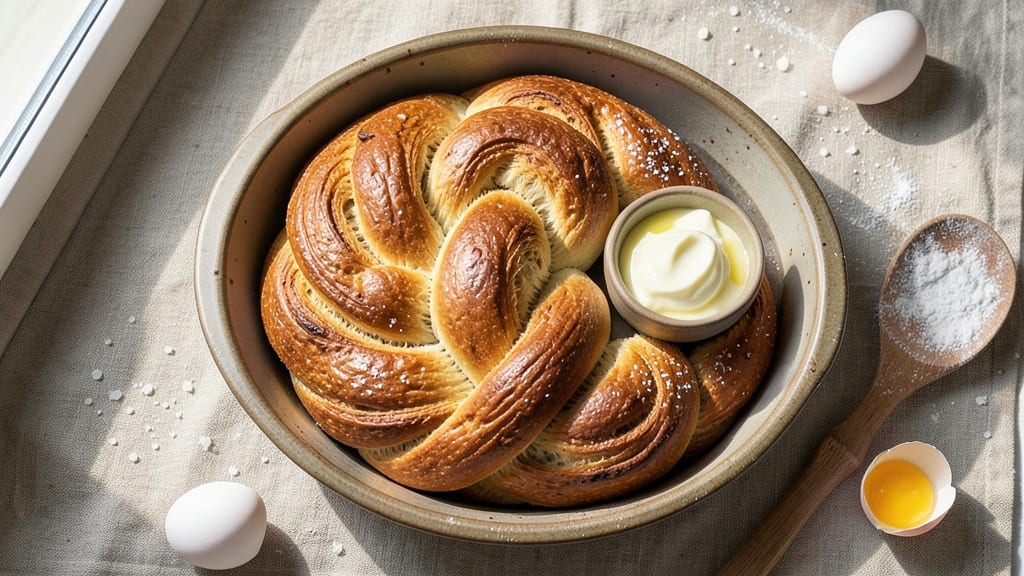
This Zopf bread recipe brings the heart of Swiss baking to your kitchen with its iconic braided shape and buttery crust. The traditional loaf, often associated with Easter celebrations, transforms simple dough into an elegant centerpiece that smells like warm, golden memories.
What makes this recipe special is the combination of tender, slightly sweet dough and the satisfying crunch of a perfectly baked crust.
The key to authentic Zopf bread lies in the dough preparation—rich with butter and milk for that signature flavor, followed by careful braiding that creates its distinctive appearance. Unlike many breads, this one requires patience during proofing to achieve that light, airy texture inside while maintaining a crisp exterior.
The result is a loaf that's both rustic and refined, perfect for serving alongside soups or as an impressive addition to any meal.
By following this method, you'll create a loaf with a golden-brown crust that crackles when you tap it, hiding tender crumb beneath. The braided pattern not only looks beautiful but also helps distribute heat evenly during baking.
Whether you're baking for a special occasion or simply craving homemade bread, this recipe delivers professional-quality results with just a few simple ingredients and some careful technique.
For those interested in variations, you can add cinnamon and sugar to the dough for a sweet version, or incorporate herbs for a savory twist. The beauty of Zopf bread is its versatility—equally at home on a festive table or as an everyday treat.
Let's get started on creating your own rustic masterpiece.
Ingredients for zopf bread
Simple pantry staples transform into a golden, braided masterpiece with this Swiss tradition.
| Ingredient | Amount | Notes |
|---|---|---|
| All-Purpose Flour 🌾 | 5 cups | Plus 1 cup for shaping and dusting |
| Unsalted Butter 🧈 | 1 cup | Cold, cubed for dough |
| Whole Milk 🥛 | ½ cup | Room temperature for best results |
| Granulated Sugar 🍚 | ¼ cup | Lightly packed |
| Large Eggs 🥚 | 1 whole | Room temperature |
| Active Dry Yeast 🍞 | 2 ¼ tsp | Or 1 packet instant yeast |
| Diamond Crystal Kosher Salt 🧂 | 1 tsp | Fine grain preferred |
| Granulated Sugar 🍚 | 1 tbsp | For egg wash |
| Large Egg 🥚 | 1 whole | For egg wash |
| Coarse Sea Salt 🧂 | ½ tsp | For sprinkling on top |
| Cornmeal 🌽 | ½ cup | For dusting baking sheet |
The flour is non-negotiable—King Arthur or Caputo Tipo 00 give the best texture, but King Arthur all-purpose works perfectly for home bakers. If your butter feels greasy or smells off, grab a fresh Plugrá or Land O'Lakes block from the dairy case—cold, cubed butter creates flaky layers. For yeast, Fleischmann's is reliable, but if your packet's expiration is past 4 months, test it in warm milk first. The whole milk should be room temperature; cold milk slows fermentation. I always measure flour by scooping and leveling—never packing—to avoid dense bread.
No unsalted butter? European-style cultured butter like Miyoko's works beautifully, but if you're in a pinch, cold regular butter (salt included) reduces the added salt to 0.5 tsp. Substituting milk? Half-and-half or heavy cream adds richness, but whole milk is traditional. For the sugar, turbinado adds subtle caramel notes, but white granulated keeps it classic. If you're making a sweet variation, add 1 tsp cinnamon and 2 tbsp sugar to the dough. The cornmeal isn't just for dusting—it adds a delicate crunch to the crust. For a herbed twist, mix 1 tbsp fresh rosemary or thyme into the dough.
Proofing is where patience pays off. The dough should double in size (about 1-2 hours at 75°F). If your kitchen is cold, use a proofing box or turn on the oven light to keep it warm. For storage, wrap the baked loaf in a clean kitchen towel and keep at room temperature for 2 days. To revive stale bread, warm in a 350°F oven for 10 minutes with a cup of water in the pan. Freeze unbaked dough for up to 3 months—thaw overnight in the fridge before shaping. The braided loaf reheats beautifully with 5 minutes at 300°F wrapped in foil.
Why You'll Love This Recipe
- No-Knead Magic: I swear by this dough—just mix, rest, and bake. No stand mixer, no arm workout, just a bowl and patience. That buttery milk dough? It practically folds itself into braids.
- Buttery Sweet Crunch: The sugar in the dough caramelizes just enough to give every bite a subtle sweetness, while the butter keeps it rich and flaky. Honestly, the first slice out of the oven is worth the whole batch.
- Breakfast to Brunch Hero: Toss it with jam for a lazy morning, or serve it toasted with butter and honey for guests. Between us, it’s my go-to for Sunday brunch—no one ever leaves hungry.
Step-by-step instructions for Zopf bread
Here's the method for crafting a golden, buttery braided loaf with crisp edges.
Prepare the Dough and First Rise
In a large mixing bowl, combine the 5 cups all-purpose flour, 1 tsp diamond crystal kosher salt, and 2.25 tsp active dry yeast. Make a well in the center and add the 1 cup unsalted butter (cold, cubed), 0.5 cup whole milk (room temperature), and 0.25 cup granulated sugar. Using a wooden spoon or your hands, mix until the butter is fully incorporated and the dough begins to form.
Transfer the dough to a lightly floured surface and knead for 8-10 minutes until smooth and elastic. The dough should be slightly tacky but not sticky—add a little more flour if needed. Shape into a ball, place it back in the bowl, cover with a damp towel, and let it rise in a warm place for 1-2 hours, or until doubled in size. You'll know it's ready when it springs back slowly when poked.
Shape and Braid the Dough
Once the dough has risen, punch it down to release the air and divide it into 3 equal pieces. Roll each piece into a 12-inch rope, about 1 inch thick. Lay the ropes side by side and gently twist them together to form a single braid. Pinch the ends to seal and tuck the braid into a greased 9x5-inch loaf pan (or a similar-sized pan). Cover loosely with plastic wrap and let it rise for another 30-45 minutes until puffy and slightly domed.
Here's the thing—don't overbraid or force the dough. Let the natural tension create the shape. If the braid starts to unravel, gently tuck the strands back into place. The dough should feel springy but not resistant when pressed.
Prepare for Baking
Preheat your oven to 375°F. In a small bowl, whisk together the 1 whole large egg and 1 tbsp granulated sugar for the egg wash. Brush the risen braided dough generously with this mixture, making sure to coat all sides. Sprinkle the top evenly with 0.5 tsp coarse sea salt. Dust a baking sheet with 0.5 cup cornmeal to prevent sticking.
Place the loaf pan on the prepared baking sheet. This extra layer of cornmeal ensures easy release later. The egg wash will give the bread its signature golden, buttery crust, while the salt adds a subtle contrast to the sweetness.
Bake to Golden Perfection
Bake the zopf bread for 30-35 minutes, until the top is deep golden brown and the internal temperature reaches 190°F. You'll know it's done when the loaf sounds hollow when tapped on the bottom. If the top browns too quickly, tent the pan with aluminum foil to prevent over-browning.
Remove the bread from the oven and let it cool in the pan for 10 minutes before transferring it to a wire rack. This resting period allows the steam to escape, preventing a gummy texture. The bread will continue to crisp up as it cools.
Serve Warm for Maximum Enjoyment
Slice the zopf bread while it's still warm for the best texture—crisp edges with a tender, slightly sweet crumb. Serve it alongside soups, cheeses, or simply toasted with butter. The braided shape makes it perfect for sharing, and the buttery crust ensures every bite is satisfying.
Real talk: This bread tastes even better the next day as the flavors deepen. Store leftovers in an airtight container at room temperature for up to 3 days or freeze for longer storage.
Pro Tips For Making Zopf Bread
- Soften Butter First: Take that cold butter out of the fridge 30 minutes before mixing—it should be pliable but not melted. I learned this the hard way when my dough turned greasy and refused to hold its shape. Room-temp butter incorporates evenly, so skip the microwave.
- Weigh the Flour: Use a kitchen scale for the flour, not cups. A single scoop can vary by 20-30 grams, and Zopf bread relies on precise ratios for that tender crumb. My first loaf was dense until I switched to grams—now it’s light and airy.
- Braid Tight, Not Loose: Pull the strands taut when braiding—no gaps, no slack. Loose braids unravel in the oven, and the crust won’t crisp properly. Think of it like tying a shoelace: snug but not strained.
- Egg Wash Matters: Don’t just drizzle egg wash—brush it on and sprinkle coarse sugar immediately after baking. The sugar caramelizes into a glossy crust, while the wash keeps the bread moist inside. (Yes, even if you’re impatient like me.)
Perfect pairings for this recipe
Classic Swiss Pairings
Zopf bread shines alongside traditional Swiss dishes like fondue or raclette. The buttery crust soaks up melted Gruyère cheese beautifully, while the tender crumb balances the richness. I always serve it with a side of pickled vegetables—the tangy crunch cuts through the bread's sweetness.
For a hearty meal, pair with boeuf bourguignon or Swiss rösti for a complete alpine-inspired feast. 🥖
Sweet Spread Combinations
This bread's subtle sweetness makes it perfect for fruit compotes like rhubarb or plum. Spread Swiss Mürbeteig butter (or Land O'Lakes cultured butter) with a pinch of cinnamon before serving.
For breakfast, top with Swiss Bündnerfleisch (dried beef) and Emmentaler cheese—a traditional pairing that adds savory depth. The braided shape also makes it ideal for chocolate-dipped breadsticks as a dessert. 🍓
Coffee and Tea Pairings
A warm slice of Zopf bread complements Swiss Lavazza coffee or Earl Grey tea beautifully. The bread's buttery notes enhance the bergamot in tea, while the coffee's bitterness contrasts perfectly. For a festive touch, serve with Swiss Mandeltrüffel (almond truffles) during holiday gatherings.
The bread's texture also makes it excellent for dipping in dark chocolate or Swiss Nougat for a decadent treat. ☕
Cheese Board Essentials
Create a Swiss-inspired cheese board with Appenzeller, Sbrinz, and Tête de Moine alongside your Zopf bread. The bread's buttery richness enhances the nutty, aged flavors of these cheeses.
Add Swiss cornichons and walnuts for texture contrast. For a modern twist, include Swiss Vacherin cheese with its creamy, floral notes—it melts deliciously when paired with warm bread. 🧀
Herb and Jam Variations
Enhance your Zopf bread with Swiss herb butter (mixed with chives, parsley, and a touch of garlic). For a sweet option, spread Swiss apricot jam or quince paste—both complement the bread's subtle sweetness.
I also love adding Swiss sauerkraut for a tangy, savory twist. The bread's versatility makes it perfect for both sweet and savory spreads. 🌿
Wine and Beer Pairings
Pair your Zopf bread with a Swiss Pinot Noir or Dôle (a Valais red blend) for a sophisticated touch. The wine's earthy notes balance the bread's buttery richness. For beer lovers, a Swiss Helles Lager or Bernina IPA works beautifully—the IPA's hops cut through the bread's sweetness.
A Swiss dry Riesling also pairs wonderfully, especially with cheese pairings. 🍷
Nutrition facts
Frequently asked questions
What makes Zopf bread different from regular braided bread?
Zopf bread stands out with its Swiss origins and signature three-strand braid that creates a rustic yet elegant appearance. The dough includes butter and milk for a richer flavor, and the shaping technique emphasizes the braid's natural tension rather than tight, forced folds. This method creates a lighter, airier crumb with a crisp, golden crust that's distinctly different from denser braided loaves.
Can I make Zopf bread without a loaf pan?
If you don't have a 9x5-inch loaf pan, shape the braid into a free-form oval on a parchment-lined baking sheet. For extra structure, place the braid on a banneton or round cake pan lined with parchment. Just ensure the dough rises enough to maintain its shape during baking. The crust will still develop beautifully, though the shape will be more rustic.
Why did my Zopf bread turn out dense instead of light?
Dense bread usually means the dough didn't rise enough or was overworked. Ensure your yeast is fresh (test it in warm milk if unsure) and the dough reaches double its size during proofing. Also, avoid over-kneading—the dough should be smooth but not tough. If your kitchen is cold, use a proofing box or warm oven (with light on) to maintain 75°F for optimal fermentation.
How can I make a sweet version of Zopf bread?
Add 1 teaspoon cinnamon and 2 tablespoons extra sugar to the dough for a sweet twist. For a festive touch, mix in chopped dried fruit (like raisins or cranberries) or chocolate chips into the dough before shaping. Brush the baked loaf with a glaze of powdered sugar and milk for extra sweetness. This version pairs perfectly with coffee or dessert pairings!
Can I freeze Zopf bread dough before baking?
Yes! Shape the braided loaf, place it in a greased pan, and freeze it on a baking sheet until solid (1 hour). Then wrap tightly in plastic wrap and foil. Thaw overnight in the fridge before baking—add 5-10 minutes to the baking time. For best results, bake from frozen at 350°F for 45-50 minutes, covering with foil if needed to prevent over-browning.