
Side Dishes
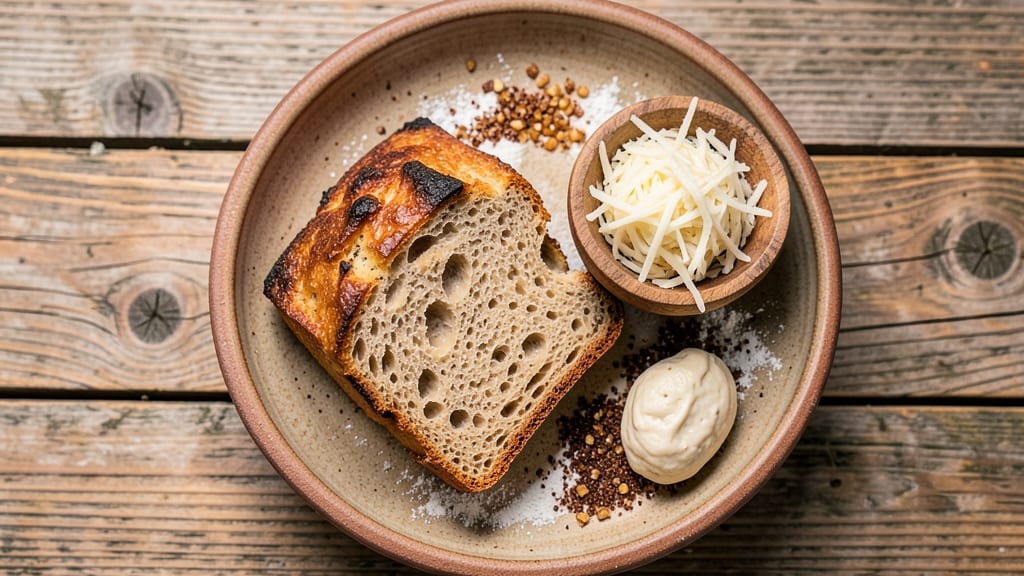
This yuca bread recipe transforms humble cassava into a gluten-free, vegan loaf with a moist crumb and subtle tropical notes. I first discovered it while researching Caribbean baking techniques, and the texture—soft yet sturdy—quickly became a staple in our Portland kitchen.
The key is properly preparing the yuca to avoid bitterness, then balancing its neutral flavor with warm spices like cinnamon or nutmeg.
What makes this recipe special is its versatility—serve it warm with stews, toasted as a side, or even sweetened for breakfast. The dough comes together in 30 minutes, then bakes into a golden loaf with a tender crumb that holds up beautifully.
Unlike traditional breads, this version relies on cassava flour and almond flour for structure, making it naturally lightweight yet satisfying.
By the time it emerges from the oven, you’ll have a loaf that’s crisp at the edges and fluffy inside, with just a hint of cassava’s earthy sweetness. The aroma alone—warm spices mingling with toasted flour—will have everyone asking for seconds.
This is the kind of bread that elevates any meal, whether you’re feeding a crowd or treating yourself to a simple supper.
For extra flavor, try adding grated coconut or lime zest to the dough. Store leftovers wrapped tightly—they stay fresh for days, perfect for quick meals. Let’s bake this tropical twist on a classic loaf!
Ingredients for yuca bread
Fresh cassava, warm spices, and tropical flair—this gluten-free loaf needs just these ingredients.
| Ingredient | Amount | Notes |
|---|---|---|
| Fresh Yuca (Cassava) 🥔 | 2 lbs | Peeled, grated, and rinsed |
| Cassava Flour 🌾 | 2 cups | Gluten-free, finely milled |
| Almond Flour 🌰 | 1 ½ cups | Finely ground, unsweetened |
| Brown Sugar 🍯 | ½ cup | Packed, for subtle sweetness |
| Active Dry Yeast 🍞 | 2 ¼ tsp | Or 1 packet instant yeast |
| Warm Water 💧 | 1 ¼ cups | 110°F for yeast activation |
| Extra-Virgin Coconut Oil 🥥 | ¼ cup | Melted, for richness |
| Ground Cinnamon 🌿 | 1 tsp | Warm, aromatic variety |
| Ground Nutmeg 🌿 | ½ tsp | Freshly grated preferred |
| Sea Salt 🧂 | 1 ½ tsp | Diamond Crystal preferred |
| Lemon Zest 🍋 | 1 tbsp | Bright, fresh flavor |
| Unsweetened Shredded Coconut 🥥 | ½ cup | Optional, for texture |
| Vegetable Oil Spray 🫒 | 1 tbsp | For greasing loaf pan |
The yuca is the star here. Fresh is non-negotiable—pre-packaged cassava often tastes bitter. Grab it from the Latin market section at Whole Foods or Trader Joe's, where they carry it peeled and ready to grate. If you can't find fresh, freeze it for 24 hours first to break down the natural toxins. The cassava flour should be labeled gluten-free and finely milled—Bob's Red Mill has a great option. Almond flour? Blanched works better than unblanched for a lighter texture, but either will do in a pinch.
No fresh nutmeg? Ground works at double the amount, but the flavor won't be as bright. Swapping coconut oil for olive oil? Use half the amount—olive has a stronger flavor. Brown sugar substitute? Coconut sugar is 1:1, but maple syrup will add moisture. The lemon zest can be zested fresh or bought pre-zested (though it loses potency fast). For the coconut, unsweetened is key—sweetened will throw off the balance. And if you're feeling fancy, add a dash of vanilla extract to the dough for depth.
This dough needs time to rise—1-2 hours in a warm place is ideal. Store leftovers in an airtight container with a paper towel to absorb moisture, and it'll stay fresh for 3-4 days. For longer storage, freeze slices wrapped in parchment—6 months easy. The best part? It reheats beautifully. Pop it in the oven at 350°F for 5 minutes to restore that fresh-baked aroma.
Why You'll Love This Recipe
- No Yeast Nightmare: I swear, this dough rises fast—like, 20 minutes fast—so no waiting around for hours. Just toss in the yeast with warm water, let it bubble once, and you’re golden. (Yes, even on a Tuesday night.)
- Sweet-Creamy Magic: That brown sugar and almond flour combo? It’s like a cross between a brioche roll and a cinnamon bun—soft, slightly nutty, with just enough sweetness to make you want to eat it plain. Honestly, the fresh yuca adds this subtle earthy depth that keeps it interesting.
- Breakfast to Brunch: Use it for toast with peanut butter, tear it into croutons for salads, or even make mini sandwiches with jam. I’ve served it warm with butter at 7 AM and as a dessert bread with honey at 10 PM—no judgment here.
- Pantry-Friendly Stash: The cassava flour keeps for months, and the dough freezes like a dream. I make a double batch on Sundays, freeze half, and pull it out whenever I’m craving something fresh-baked but don’t feel like measuring flour. Budget win, time win.
Step-by-step instructions for yuca bread
Here's how to transform fresh cassava into a golden, tropical-infused loaf that rivals artisanal bakery bread.
Prepare the Cassava Dough Base
Begin by grating the 2 lbs fresh yuca (cassava) using a box grater or food processor, then immediately rinse under cold water to remove any residual bitterness. Squeeze out excess moisture using clean kitchen towels—this step prevents a gummy texture later. In a large mixing bowl, combine the rinsed yuca with 2 cups cassava flour, 1.5 cups almond flour, 0.5 cup brown sugar, 1.5 tsp sea salt, 1 tbsp lemon zest, 1 tsp ground cinnamon, and 0.5 tsp ground nutmeg. Mix until fully incorporated, creating a thick, dough-like consistency.
Here's the thing—this blend of flours creates the perfect balance of moisture retention and structure. The cassava flour gives that signature tropical chew, while the almond flour adds richness. Don't skip the lemon zest; it brightens the earthy cassava flavor and prevents the bread from tasting too heavy.
Activate the Yeast and Incorporate Wet Ingredients
In a separate bowl, dissolve the 2.25 tsp active dry yeast in 1.25 cups warm water (about 110°F). Let it sit for 5-7 minutes until frothy—this confirms the yeast is active. If it doesn't bubble, your bread won't rise properly. Meanwhile, melt the 0.25 cup extra-virgin coconut oil until completely liquid. Add the yeast mixture and melted coconut oil to the dry ingredients, mixing until just combined. The dough should be thick but pliable.
Real talk: Overmixing develops gluten, and since we're using gluten-free flours, we want to keep this gentle. Stir until the coconut oil is evenly distributed and the dough holds together when pressed. If it feels too dry, add 1 tablespoon of warm water at a time until it reaches a soft, workable consistency. The dough should cling slightly to your fingers but not be sticky enough to require flour.
Knead and First Rise
Lightly grease a clean surface with vegetable oil spray and turn out the dough. Knead gently for 3-4 minutes until smooth and elastic. Fold the dough into a ball, place it in a lightly greased bowl, cover with a damp towel, and let rise in a warm place for 1-1.5 hours or until doubled in size. The rise should be gentle but noticeable—think more of a slow expansion than a rapid ballooning. If your kitchen isn't warm enough, place the bowl near a turned-off oven with the light on.
This is where patience pays off. The first rise develops the bread's structure and flavor. Tap the dough gently—if it springs back slowly, it's ready. If it springs back immediately, give it another 20-30 minutes. The goal is a dough that's lightened but still holds its shape when poked.
Shape, Second Rise, and Bake
Preheat your oven to 350°F and lightly grease a 9x5-inch loaf pan with vegetable oil spray. Gently deflate the risen dough and shape it into a rectangular loaf, tucking in the edges neatly. Place it seam-side up in the prepared pan. Sprinkle the 0.5 cup unsweetened shredded coconut evenly over the top for texture and tropical flavor. Cover loosely with a towel and let rise for another 30-45 minutes until the dough has expanded slightly above the pan's edges.
Bake for 45-50 minutes until the top is golden brown and a toothpick inserted in the center comes out clean. The internal temperature should reach 190°F. If the top browns too quickly, tent the pan with foil to prevent over-browning while ensuring the center cooks through. Your kitchen might run hot, so start checking at the 40-minute mark—every oven behaves differently.
Cool and Serve
Remove the bread from the oven and let it cool in the pan for 10 minutes, then transfer to a wire rack to cool completely. This resting period allows the moisture to redistribute, preventing a gummy crumb. The bread should have a crisp crust with a tender, moist interior that's lightly sweetened by the cassava and coconut. Slice it while still warm for the best texture—each piece should hold together without falling apart.
Here's the moment that matters: Serve with butter, jam, or alongside a hearty stew. The tropical notes from the coconut and lemon zest make this bread uniquely satisfying. Store leftovers wrapped at room temperature for up to 3 days, or freeze for longer storage. The flavors only deepen as it sits, making this bread perfect for meal prep.
Pro Tips For Making Yuca Bread
- Peel Yuca First: DESCRIPTION: Fresh yuca has a thick, bitter skin that’ll ruin your dough if left on. Scrape it raw with a vegetable peeler or knife—no need to boil it first. I learned this the hard way when I tried to mix unpeeled chunks and ended up with a gritty, off-flavored batch.
- Mix Yeast with Warm Water: DESCRIPTION: Cassava flour absorbs moisture like a sponge, so don’t add the yeast directly to the dry mix. Bloom it first in warm water (110°F) with a pinch of sugar—this guarantees it activates before the dough even forms. (Yes, even if you’re impatient like me.)
- Skip Overmixing the Dough: DESCRIPTION: The second you add almond flour, the dough turns into a sticky, elastic nightmare. Mix just until combined—about 30 seconds—then let the gluten relax. Overworking it makes the bread dense, and nobody wants a brick for breakfast.
- Proof at Room Temp: DESCRIPTION: Yuca dough rises slower than wheat-based dough, so don’t rush it in the fridge. Leave it in a warm spot (75–80°F) for 1.5–2 hours—it’ll double in size without overproofing. I was skeptical until I tried it; now I never skip this step.
Perfect pairings for this yuca bread
Tropical Drink Pairings
This bread’s warm spices and subtle sweetness call for bright, citrusy drinks that cut through its richness. I love serving it with a mango-lime cooler—blend 1 cup frozen mango chunks, ½ cup lime juice, and 1 cup coconut water, then chill.
The tropical flavors mirror the bread’s coconut and lemon notes perfectly. For an adult-friendly twist, add 1 oz white rum to each glass. 🍹
Savory Stew Companions
Yuca bread soaks up hearty stews like a dream. Pair it with Caribbean-style black bean soup—simmer 2 cups black beans, 1 diced bell pepper, 1 onion, and 4 cups vegetable broth with 1 tsp cumin and 1 tsp smoked paprika.
The bread’s moist crumb contrasts beautifully with the soup’s smoky depth. For a lighter option, try coconut-lime shrimp ceviche with diced shrimp, avocado, and cilantro. 🥘
Sweet Breakfast Spreads
Toasted yuca bread makes a fantastic breakfast loaf. Top slices with guava jam (I love Bonafide Provisions brand) and a smear of almond butter for a sweet-savory combo.
For a tropical twist, spread with mango-habanero butter—mix ½ cup softened butter, ¼ cup grated mango, and ½ tsp habanero powder. The heat balances the bread’s natural sweetness. 🍯
Cheese and Charcuterie Boards
This bread’s neutral flavor makes it ideal for charcuterie. Pair it with aged cheddar, smoked gouda, and prosciutto for a mix of textures. Add dried mango slices, pistachios, and fig jam to highlight its tropical roots.
The bread’s slight chewiness holds up well against creamy cheeses and salty meats. For a vegan board, swap cheese for cashew-based hummus and marinated olives. 🧀
Coffee and Tea Pairings
Finish meals with a cup of spiced chai tea—brew with 1 tsp cinnamon, ½ tsp cardamom, and 1 black tea bag per cup. The warm spices echo the bread’s cinnamon and nutmeg.
For coffee lovers, a light roast with vanilla syrup enhances the bread’s subtle sweetness. Avoid bold, dark roasts—they can overpower the delicate tropical notes. ☕
Nutrition facts
Frequently asked questions
Why does my yuca bread turn out dense instead of fluffy?
Overmixing the dough or skipping the rise times are the most common culprits. The gluten-free flours need time to hydrate and develop structure during the 1-1.5 hour first rise. Also, ensure your yeast is active—if it doesn't bubble in 5-7 minutes in warm water, start fresh. For extra lift, try adding 1 tsp baking powder to the dry ingredients.
Can I substitute fresh yuca with pre-packaged cassava flour?
Yes, but with adjustments! Replace the 2 cups cassava flour with 2.5 cups of pre-packaged flour to account for moisture loss. However, fresh yuca gives a superior texture—its natural starch creates that signature tropical chew. If using packaged flour, add 2 tbsp extra coconut oil to compensate for the lack of fresh yuca's moisture.
How do I store yuca bread to keep it fresh longer?
Wrap cooled slices in parchment paper, then store in an airtight container with a paper towel to absorb moisture. It stays fresh at room temperature for 3-4 days. For longer storage, freeze slices individually—thaw at room temperature for 1 hour before toasting. The bread reheats beautifully in a 350°F oven for 5 minutes to restore its fresh-baked aroma.
What's the best way to test if yuca is properly rinsed?
After grating, squeeze a handful of yuca in your palm—if water drips out, it needs more rinsing. The goal is to remove bitterness while keeping enough moisture for the dough. For extra insurance, soak grated yuca in cold water for 10 minutes, then drain thoroughly. This step is critical for preventing a gummy, bitter final product.
Can I make this bread without almond flour?
Swap the 1.5 cups almond flour with 1 cup gluten-free oat flour and 0.5 cup tapioca starch for structure. The oat flour adds a mild sweetness while the tapioca creates that signature chewiness. For a nut-free option, use 1.5 cups brown rice flour—just add 1 tsp xanthan gum to improve elasticity.