
Side Dishes
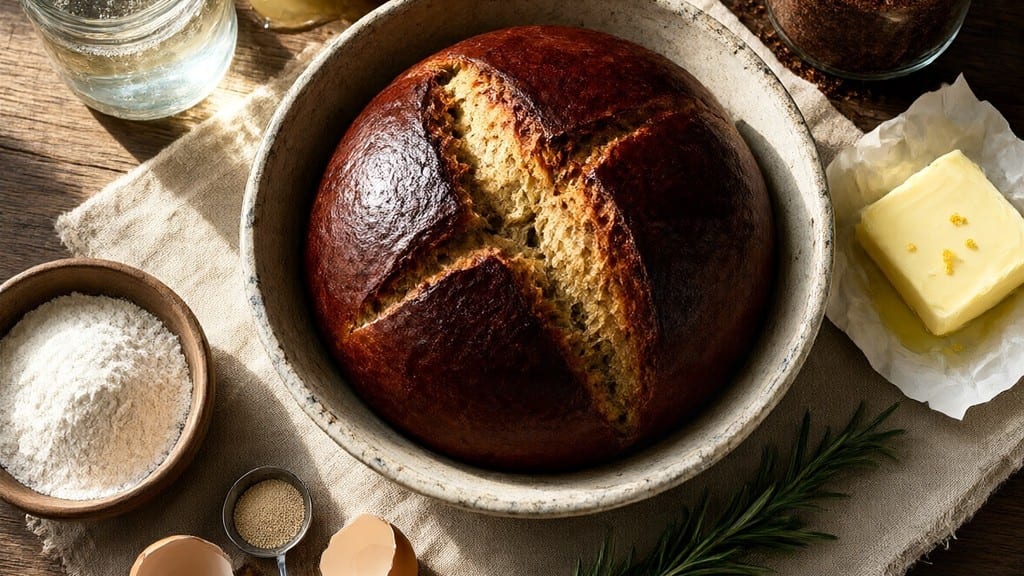
This steamed brown bread recipe delivers the perfect balance of a crusty exterior and soft, fluffy interior—just like your grandmother used to make. The warm spices and tender crumb make it a comforting staple for any meal, whether served with butter, jam, or alongside your favorite dishes.
I've perfected this method over years, ensuring every loaf turns out just right.
The secret lies in the steaming process, which creates that signature moist yet tender texture without needing a bread machine. You'll need a steamer basket or a pot with a tight-fitting lid, along with a simple dough that comes together in minutes.
The dough rests while you prepare the steamer, allowing the gluten to relax for an even rise.
By the time you pull that golden-brown loaf from the steamer, you'll have a bread with a crispy crust and a soft, pillowy crumb that melts in your mouth. The aroma alone will have everyone gathering around the table. This recipe is foolproof and delivers restaurant-quality results at home.
For added flavor, consider mixing in raisins, nuts, or extra spices like cinnamon or nutmeg. Serve warm with honey, jam, or as part of a hearty breakfast spread. Let's get baking!
Ingredients for steamed brown bread
Fourteen simple ingredients for a loaf that tastes like nostalgia.
| Ingredient | Amount | Notes |
|---|---|---|
| All-Purpose Flour 🌾 | 3 cups | Plus 2 tbsp for dusting |
| Brown Sugar 🍚 | ½ cup | Packed firmly |
| Active Dry Yeast 🍞 | 2 ¼ tsp | One packet |
| Warm Water 💧 | 1 ¼ cups | 110°F ideal |
| Unsalted Butter 🧈 | ½ cup | Softened, full-fat preferred |
| Large Eggs 🥚 | 1 whole | Room temperature |
| Milk 🥛 | ¼ cup | Whole milk preferred |
| Salt 🧂 | 1 ½ tsp | Fine sea salt |
| Ground Cinnamon 🌿 | 1 tsp | Freshly ground preferred |
| Ground Nutmeg 🌿 | ½ tsp | Freshly grated if possible |
| Allspice 🌶️ | ¼ tsp | Ground for warmth |
| Honey 🍯 | 1 tbsp | For brushing crust |
The flour is the foundation—King Arthur or Gold Medal works best for that tender crumb. Brown sugar adds depth, but if you only have white, reduce by 1 tbsp and add 1 tbsp molasses for that classic flavor. Yeast is non-negotiable here—check the expiration date and use it fresh. Warm water is key: too hot kills the yeast, too cold slows it down. I always test it with my pinky finger—it should feel like bathwater. For the butter, full-fat is worth it—it creates that signature richness. If you're in a pinch, European-style butter works too, but don't use margarine.
No brown sugar? White sugar plus 1 tbsp molasses gets you close. Short on milk? Heavy cream or even water in a bind, but the texture won't be quite the same. The spices are where this bread gets its soul—Penzeys or bulk bins have the best quality. If you can't find allspice, half the cinnamon and nutmeg works. For the honey, raw or local honey adds extra flavor, but store-bought is fine. The dough will be sticky—don't fight it. Wet hands or a lightly floured surface makes handling it easier. And trust me, don't skip the resting time—it makes all the difference in the final texture.
This dough keeps for 2 days in the fridge, covered tightly. For longer storage, freeze the shaped loaf for up to 3 months—thaw overnight in the fridge before steaming. The steamed loaf stays fresh for 4-5 days wrapped in a clean kitchen towel. I always make an extra loaf—it's perfect for toasting or French toast later. The crust gets crispier the next day, so save a slice or two for that reason alone.
Why You'll Love This Recipe
- Steam-Powered Speed: I’ve made this bread while waiting for dinner to cook—yes, really. The yeast and warm water activate fast, and the steaming method means no oven preheating or long waits. Just mix, steam, and walk away.
- Brown Sugar Magic: That rich, caramelized sweetness from the brown sugar? It’s the star. The butter adds a tender crumb, but it’s the molasses-like depth that makes every slice feel like a hug—especially with a little jam or butter.
- Breakfast to Picnic: I keep a loaf in the freezer for lazy mornings (toast it straight from frozen) or pack slices for sandwiches. It’s sturdy enough for travel but soft enough to eat fresh from the steamer—no crumbs, no fuss.
- Budget-Friendly Staples: Flour, sugar, yeast—these are pantry basics that won’t break the bank. A single batch stretches for days, and the leftovers? Perfect for French toast or breadcrumbs. Minimal ingredients, maximum mileage.
Step-by-step instructions for steamed brown bread
Here's how to achieve that perfect crusty crumb and warm spice blend every time.
Activate the Yeast for Maximum Rise
In a small bowl, combine the 2.25 teaspoons active dry yeast with the 1.25 cups warm water (around 110°F). Let it sit for 5-10 minutes until it becomes frothy and bubbly. This tells you the yeast is alive and ready to work. If it doesn't bubble, your yeast might be dead—start over with fresh yeast.
While waiting, whisk together the 3 cups all-purpose flour, 0.5 cup packed brown sugar, 1.5 teaspoons salt, 1 teaspoon ground cinnamon, 0.5 teaspoon ground nutmeg, and 0.25 teaspoon allspice in a large mixing bowl. The spices should be evenly distributed throughout the flour. This dry mix is the flavor foundation of your bread—don't skip measuring carefully.
Mix the Dough Until Smooth
Make a well in the center of your dry ingredients and pour in the yeast mixture. Add the 1 whole large egg and 0.25 cup milk, then use a wooden spoon or dough whisk to gradually incorporate everything. The dough will be shaggy at first—this is normal.
Once combined, switch to your hands and knead the dough on a lightly floured surface for 8-10 minutes. You're looking for a smooth, elastic dough that springs back when poked. If it feels too sticky, add 1 tablespoon of flour at a time until it comes together nicely. The dough should feel slightly tacky but not wet—this ensures proper texture in your bread.
Let the Dough Rise Until Doubled
Shape the dough into a round loaf and place it in a lightly greased bowl. Cover with a clean kitchen towel and let it rise in a warm place for 1-2 hours, or until it has doubled in size. You'll know it's ready when you poke it gently and the indentation stays put. This first rise develops the gluten structure and allows the yeast to create air pockets.
While the dough rises, prepare your steaming setup. Fill a large pot with 2 inches of water and place a heatproof steaming rack inside. Bring the water to a gentle simmer—you want steam, not boiling water, when you're ready to steam the bread. The steam creates that signature crusty exterior while keeping the interior moist.
Shape and Steam for Perfect Texture
Punch down the risen dough to release any large air bubbles, then shape it into a round loaf again. Place it on a piece of parchment paper and brush the top generously with the 1 tablespoon honey. This creates that beautiful caramelized crust while adding subtle sweetness. Fold the parchment paper over the dough to make handling easier.
Carefully transfer the dough to your steaming rack and place it over the simmering water. Cover the pot with a lid and steam for 45-50 minutes. The bread is done when it sounds hollow when tapped on the bottom and the internal temperature reaches 190°F. The crust should be golden brown and crisp, while the interior remains soft and moist.
Cool and Enjoy Your Homemade Bread
Remove the bread from the pot and let it cool on a wire rack for at least 30 minutes before slicing. This resting period allows the steam inside to redistribute, ensuring each slice has that perfect moist crumb. The bread will continue to firm up slightly as it cools, making it easier to slice cleanly.
Here's the thing—this bread is best enjoyed fresh from the steamer. The warm spices and crusty exterior make it perfect for serving with butter or jam. Store any leftovers wrapped in a clean kitchen towel at room temperature for up to 3 days, or freeze for longer storage. The flavor only improves as it sits, developing deeper spice notes with each passing day.
Pro Tips For Making Steamed Brown Bread
- Test Yeast First: Skip straight to mixing and you might end up with a brick instead of bread. Sprinkle that yeast in warm water with a pinch of brown sugar, wait 5–10 minutes for bubbles—if nothing happens, your yeast is dead, and you’ve got to start over. (Yes, even if you bought it yesterday.)
- Butter Matters More: Ditch the melted butter for cold, cubed unsalted butter—it creates steam pockets that make this bread light, not dense. Fold in those cubes at the very end, or they’ll melt into a greasy mess before the steam does its magic.
- Don’t Overmix the Dough: The second you see gluten strands forming, stop stirring. This isn’t pizza dough—overworking it turns your bread into chewy rubber. A few lumps? Doesn’t matter. The steam will smooth it out.
- Steam It Properly: Your pot’s lid isn’t enough—add a metal bowl filled with boiling water to the bottom before steaming. The direct steam hits the bread evenly, giving you that classic moist crumb instead of a sad, dry center. (And yes, this is why your first attempt might’ve tasted like cardboard.)
Regional styles of this recipe
Southern Comfort
In the American South, steamed brown bread is a breakfast staple with deep roots in African American culinary traditions. This version often includes molasses instead of honey for brushing, giving it a richer, deeper flavor.
I like using 1 tablespoon molasses mixed with 1 teaspoon apple cider vinegar for brushing—it adds tangy sweetness that pairs perfectly with Southern-style butter. 🍯
For an extra touch, some Southern cooks fold in ¼ cup raisins or chopped pecans during the final rise. The raisins soak up the steam and plump beautifully, while pecans add a satisfying crunch.
This variation works especially well when served with sweet tea or as part of a classic Southern breakfast spread.
Caribbean Spice Twist
In Caribbean cuisine, steamed bread often incorporates warm spices like allspice and nutmeg, but with a tropical flair. I swap ½ teaspoon ground ginger for half the nutmeg and add ¼ teaspoon ground cloves to the dry mix.
The result? A bread with a fragrant, almost citrusy warmth that pairs beautifully with jerk chicken or coconut curry. 🌶️
For a truly Caribbean touch, brush the crust with 1 tablespoon coconut oil instead of honey before steaming. The coconut flavor enhances the spices and adds a subtle richness. Serve this version with a side of scotch bonnet pepper jam for a fiery-sweet contrast that’s pure island inspiration.
Asian-Inspired Adaptation
In Japan, steamed breads like melonpan or shokupan have inspired a lighter, sweeter version of brown bread. I reduce the brown sugar to ¼ cup and add 1 teaspoon vanilla extract to the dough.
The crust gets brushed with a mix of ½ cup honey and 1 tablespoon soy sauce before steaming, creating a savory-sweet balance. This adaptation is perfect for pairing with miso soup or as a side for teriyaki dishes. 🍜
For texture, I fold in 2 tablespoons toasted sesame seeds during the final kneading. The seeds add a nutty crunch that contrasts beautifully with the soft interior. This version also works well as a dessert bread—brush slices with matcha glaze for a Japanese-inspired treat.
European Rustic Style
In Europe, steamed breads often have a denser, heartier texture. For a rustic twist, I replace ½ cup of the all-purpose flour with ½ cup whole wheat flour and add 1 teaspoon dried thyme to the spice mix.
The thyme adds an earthy depth that pairs wonderfully with roasted meats or hearty stews. 🌿
Before steaming, I score the top of the loaf with a sharp knife in a crosshatch pattern. This not only makes it look impressive but also helps the bread expand evenly. Brush the scored crust with melted butter instead of honey, then sprinkle with flaky sea salt before steaming.
The result is a bread with a crisp, salty crust and a tender, spiced interior—ideal for a rustic European-style meal.
Nutrition facts
Frequently asked questions
Why does steamed bread turn out softer than baked bread?
The steaming process creates moisture inside the dough while cooking, which prevents the crust from becoming too hard. This trapped steam keeps the crumb ultra-tender while still allowing the exterior to develop that satisfying crispness. The gentle heat also helps the gluten relax differently than baking, resulting in that signature pillowy texture.
Can I make this bread without a steamer basket?
Use a heatproof plate or bowl that fits snugly inside your pot. Just make sure there's enough space between the water and the dough to allow steam circulation. Alternatively, you can create a makeshift steamer by placing a colander or inverted wire rack over a pot of boiling water. The key is maintaining consistent steam throughout cooking.
What's the best way to store leftover steamed bread?
Wrap the cooled loaf tightly in a clean kitchen towel or beeswax wrap to preserve moisture. Store at room temperature for up to 3 days, or freeze for 3 months. For reheating, wrap a slice in foil and warm in a 350°F oven for 5-7 minutes to restore that fresh-from-the-steamer texture. The crust gets even crunchier when reheated!
Why did my bread come out dense instead of light?
This usually happens when the yeast isn't activated properly or the dough didn't rise enough. Make sure your water is 110°F (not too hot) and the yeast is fresh. Also check that your dough doubled in size during the first rise - if not, let it rise longer. Over-kneading can also make bread dense, so stop when it's just slightly tacky.
Can I add mix-ins like nuts or raisins to this recipe?
Yes! Fold in ¼ cup chopped nuts or ¼ cup raisins during the final kneading. For best results, soak raisins in warm water for 10 minutes first to plump them up. Just be aware that mix-ins will slightly reduce the steaming time by 5-10 minutes - check for doneness at 40 minutes instead of 45.