
Side Dishes
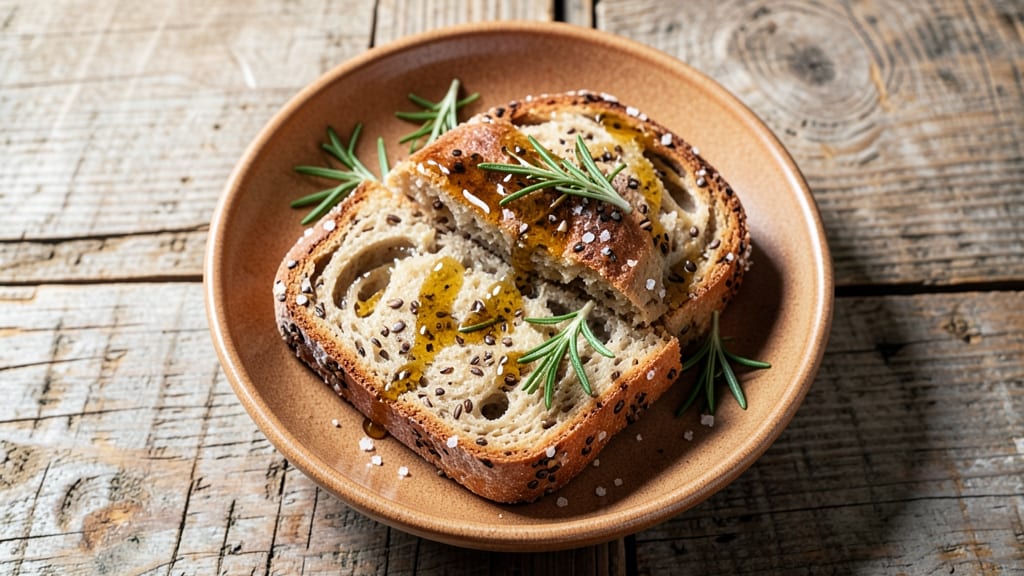
This seedy bread recipe delivers a perfect balance of nutty crunch and tangy depth that transforms ordinary meals into something extraordinary. The secret lies in combining whole grains with seeds like flax, sunflower, and sesame—each bite offers texture and flavor that store-bought loaves simply can’t match.
I developed this version after years of experimenting with artisan bread recipes, refining it to achieve a crispy crust that gives way to a tender, open crumb structure.
The beauty of this recipe is its versatility—it works equally well as a side for soups, a base for sandwiches, or simply toasted with butter for breakfast. With just 8 ingredients and one hour of active time (plus rising), you’ll have a homemade loaf that rivals bakery-quality bread.
The yeast activation and proper kneading ensure a light yet substantial texture, while the seed mixture adds visual appeal and nutritional benefits.
What sets this apart is the perfectly browned crust that develops during the final bake, creating that satisfying crunch while maintaining a soft interior. The seeds toast slightly, intensifying their flavors and making every slice worth savoring.
Whether you’re serving it warm with dinner or using it for toast the next morning, this bread delivers restaurant-quality results at home.
For those who love experimenting, try adding rye flour for a deeper flavor or swapping seeds for pumpkin or chia. The recipe scales easily for larger batches, making it ideal for meal prep or gifting.
Let’s get started on creating your perfect loaf—one that will become a staple in your kitchen.
Ingredients for seedy bread
Eight simple ingredients transform your kitchen into a bakery with this nutty, crunchy seedy bread.
| Ingredient | Amount | Notes |
|---|---|---|
| All-Purpose Flour 🌾 | 3 ½ cups | Sifted for light texture |
| Whole Wheat Flour 🌾 | 1 cup | Adds hearty texture |
| Active Dry Yeast 🍞 | 2 ¼ tsp | Freshly opened package |
| Granulated Sugar 🍚 | 1 tbsp | Feeds yeast activation |
| Salt 🧂 | 1 ½ tsp | Kosher or sea salt |
| Flaxseeds 🌰 | ½ cup | Whole, lightly toasted |
| Sunflower Seeds 🌻 | ½ cup | Shelled, unsalted |
| Sesame Seeds 🌱 | ¼ cup | Toasted for extra flavor |
| Extra-Virgin Olive Oil 🫒 | ½ cup | High quality for richness |
| Warm Water 💧 | 1 ¼ cups | 110°F for yeast activation |
The seeds are the star here. Bob's Red Mill has the best organic blend, but any unsalted seeds work—just toast them lightly in a dry pan for 3-4 minutes before adding. The flaxseeds add fiber and that signature crunch, while sunflower and sesame bring nutty depth. Trader Joe's sells pre-toasted sesame seeds if you're short on time, but toasting your own makes all the difference. For the flours, King Arthur all-purpose and whole wheat give the best texture—avoid the cheap store brands if you can. The yeast? Always check the expiration date—old yeast won't activate properly, and you'll end up with flat bread.
No flaxseeds? Chia seeds at double the amount work in a pinch, though the texture will be slightly softer. Short on sunflower seeds? Pumpkin seeds add a similar earthy flavor. The olive oil can be swapped for avocado oil, but stick with extra-virgin for that fruity richness. If you're feeling adventurous, swap half the all-purpose flour for rye flour—it deepens the flavor profile nicely. The warm water is crucial: too hot and you'll kill the yeast, too cold and it won't activate. 110°F is perfect—use a thermometer if you're unsure. For a lighter loaf, let the dough rise until it's doubled in size before shaping.
This dough keeps well in the fridge for 3 days if you wrap it tightly in plastic. For longer storage, freeze the shaped loaf (unbaked) for up to 3 months)—just thaw overnight before baking. The seeds toast beautifully during baking, so don't skip that step. Once cooled, store wrapped at room temperature for 5-7 days. I like to slice it fresh before serving—it stays crispy longer that way. Toasted slices make amazing crostini for soups or dips, and the nutty flavor pairs perfectly with sharp cheddar or hummus. Leftovers? Toss them in a bread bag with a slice of butter to keep them soft.
Why You'll Love This Recipe
- No-Knead Magic: I swear by this dough—just mix, let it rise, and bake. The whole wheat and all-purpose blend gives it structure without the fuss, and honestly? My hands stay clean while the yeast does all the work.
- Nutty Crunch Surprise: That first bite? The seeds—sunflower, sesame, or whatever you toss in—add a satisfying crunch that turns this into a textural win. It’s like biting into a cozy hug for your mouth.
- Weeknight & Picnic Hero: I make a double batch on Sundays because it’s perfect for sandwiches, toast with butter, or even as a side for soup. Pack it for lunch or serve it warm—it’s the bread equivalent of a Swiss Army knife.
- Budget Bread Wins: Whole wheat flour stretches my grocery dollars, and a single batch feeds four for days. Freeze extras for when I’m too tired to bake—just thaw and enjoy, no guilt. My wallet (and my taste buds) thank me.
Step-by-step instructions for seedy bread recipe
This nutty, hearty loaf comes together with simple steps and big flavor.
Activate the Yeast and Mix the Dough
In a large mixing bowl, combine the 1.25 cups warm water, 1 tbsp granulated sugar, and 2.25 tsp active dry yeast. Let it sit for 5-10 minutes until it becomes frothy—this tells you the yeast is alive and ready to work. If it doesn’t bubble, your yeast might be dead, and you’ll need to start over.
Next, add the 3.5 cups all-purpose flour and 1 cup whole wheat flour to the bowl. Stir in the 1.5 tsp salt and 0.5 cup extra-virgin olive oil. The dough will be shaggy at first, but that’s okay. Now, add the 0.5 cup flaxseeds, 0.5 cup sunflower seeds, and 0.25 cup sesame seeds. These seeds will give your bread that signature crunch and depth of flavor.
Knead Until Smooth and Elastic
Turn the dough out onto a lightly floured surface and knead for 8-10 minutes until it’s smooth and elastic. You’ll know it’s ready when it springs back slowly when poked. If the dough feels too sticky, add a little more all-purpose flour—just enough to make it manageable. The seeds will make the dough denser, so don’t overwork it.
Once kneaded, place the dough back in the bowl, cover it with a clean kitchen towel, and let it rise in a warm spot for 1-2 hours, or until it has doubled in size. A warm oven with the light on works great for this. Patience here is key—rushing the rise will make your bread dense instead of light and airy.
Shape and Proof the Dough
Punch down the risen dough to release any air bubbles, then shape it into a loaf. For a classic look, form it into an oval or rectangle. Place it in a greased 9x5-inch loaf pan and let it rise again for 30-45 minutes until it’s just above the rim of the pan. This second rise ensures a good oven spring when baking.
While the dough proofs, preheat your oven to 375°F. The seeds will toast beautifully in the oven, so don’t skip this step. The bread is ready to bake when it’s puffy and jiggly—just like when you tap the top, and it leaves a slight indent.
Bake to Golden Perfection
Bake the loaf for 35-40 minutes until the top is deep golden brown and it sounds hollow when tapped on the bottom. The seeds will be fragrant and slightly crispy, adding texture and flavor. If the top browns too quickly, tent the pan with foil to prevent over-browning.
Remove the bread from the oven and let it cool in the pan for 10 minutes before transferring it to a wire rack. This resting period helps the bread set properly, so it doesn’t crumble when you slice it. Once cooled, slice it thickly—this bread is hearty and best enjoyed fresh.
Pro Tips For Making Seedy Bread
- Weigh Your Flours: Whole wheat and all-purpose flour behave differently by volume—packed cups vary wildly. Use a kitchen scale for precision: 400g whole wheat and 300g all-purpose gives you the right balance without guessing. I learned this after my first loaf turned dense; the extra air in scooped flour was the culprit.
- Bloom Yeast in Warm Water: Skip the dry yeast shortcut—mix it with the sugar and warm water first, then let it sit for 5 minutes until foamy. This ensures your yeast is active before it hits the flour, especially important with whole wheat’s slower fermentation. I used to just toss it in, and my bread always took longer to rise.
- Knead Until Smooth: The dough will feel sticky and fight you—keep going until it passes the windowpane test (stretch a piece; it should pull thin without tearing). Whole wheat absorbs more water, so resist the urge to add extra flour mid-knead. My first few loaves were gummy because I quit too soon.
- Steam the Pan: Brush the baking pan with water before adding the dough, then bake with a tray of boiling water underneath. The steam creates a crisp crust while keeping the crumb soft, especially crucial for whole wheat’s tendency to dry out. I skipped this once and got a sad, dense loaf—never again.
Storing and reheating this seedy bread
Refrigerator Storage
Wrap your freshly baked seedy bread tightly in plastic wrap or place it in an airtight container to preserve its crispy crust and soft interior. It stays fresh in the fridge for 5-7 days when stored properly.
I like to slice it before storing—this keeps the seeds from losing their crunch over time. For extra protection, place a slice of buttered bread inside the container to maintain moisture. 🌾
Freezer Storage
For longer storage, freeze the unbaked loaf (shaped but not baked) for up to 3 months. Wrap it tightly in plastic wrap, then place it in a freezer bag to prevent freezer burn. When ready to bake, thaw overnight in the fridge and proceed with the baking instructions.
You can also freeze sliced bread—just wrap each slice individually in parchment paper before placing in a freezer bag. Toast directly from frozen for a crispy result.
Reheating Methods
Revive stale seedy bread by warming it in a 350°F oven for 5-7 minutes until toasted and crispy again. For a quicker fix, use the toaster or toaster oven—this method enhances the nutty flavors of the seeds.
Avoid the microwave, as it can make the bread gummy. If reheating a slice for toast, brush it with melted butter or olive oil before toasting for extra richness. ✨
Reviving Stale Bread
If your seedy bread loses its crunch, don’t toss it! Place slices in a single layer on a baking sheet and bake at 300°F for 5 minutes to restore crispiness.
For a sandwich base, lightly toast the bread and spread with garlic butter or hummus to bring back moisture and flavor. The seeds will regain their crunch, making it perfect for open-faced sandwiches or crostini.
Toasted Seed Benefits
The seeds in this bread toast beautifully during baking, but they can lose their crunch over time. To refresh them, sprinkle a pinch of sesame or sunflower seeds on top of your toast before baking.
This adds fresh crunch and intensifies the nutty flavors. Store seeds separately in an airtight container in your pantry for up to 6 months to keep them fresh for future baking adventures. 💡
Meal Prep Tips
Make this seedy bread a staple for meal prep by baking two loaves at once. Store one in the fridge and freeze the second for later. Slice and freeze individual portions for quick toast or sandwiches.
To assemble sandwiches in advance, layer ingredients on parchment paper, wrap tightly, and freeze. Toast the bread directly from frozen for a satisfying crunch every time. This method keeps your bread fresh and ready for grab-and-go meals. 📅
Nutrition facts
Frequently asked questions
Why does my seedy bread turn out dense instead of light and airy?
The most common cause is underproofing—don't rush the 1-2 hour rise or 30-45 minute final proof. The seeds also make the dough heavier, so knead just until smooth (8-10 minutes) to avoid overworking. Try using 10% less whole wheat flour for a lighter texture if needed.
Can I make this bread without a loaf pan?
Shape the dough into a free-form round or oval and bake on a parchment-lined baking sheet at 375°F for 30-35 minutes. For extra crustiness, brush with olive oil before baking. The seeds will still toast beautifully, and you'll get that artisan bakery look.
What's the best way to use up stale seedy bread?
Toast stale slices at 350°F for 5 minutes to revive crispiness, then use for crostini with toppings like hummus or brie. For sandwiches, lightly butter the toasted bread to restore moisture. You can also crumble it into breadcrumbs for meatballs or meatloaf—double the seeds for extra flavor.
How do I know when the seeds are properly toasted?
The seeds should be fragrant and have a light golden color with no raw taste. Toast them separately in a dry pan for 3-4 minutes before adding to the dough, or bake them right in the bread until the crust reaches a deep golden brown. Over-toasted seeds turn bitter, so watch closely during the final 35-40 minutes of baking.
Can I substitute seeds or nuts?
Swap seeds 1:1 by volume, but toast all nuts/seeds first for best flavor. Try pumpkin seeds for earthy notes or chia seeds (double the amount) for a gel-like texture. For nuts, use chopped walnuts or pecans—just reduce the amount by 20% since they're denser. Almonds work too but can make the bread dry.