
Side Dishes
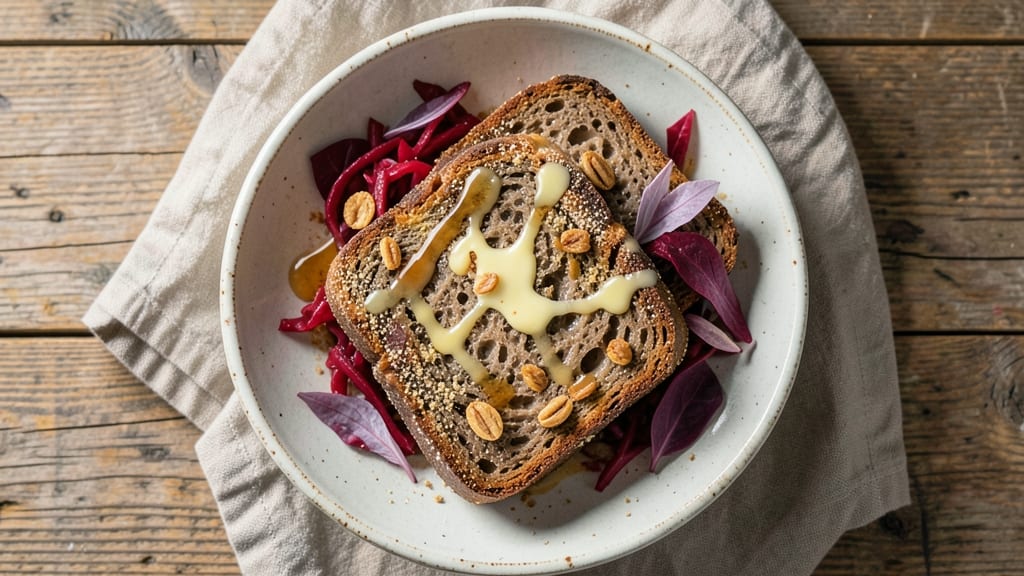
This sauerkraut rye bread recipe transforms traditional rye into a fermented masterpiece with a tangy depth that elevates any meal. The marriage of sauerkraut’s probiotic richness and rye’s hearty texture creates a loaf that’s both rustic and refined—perfect for pairing with sharp cheeses or hearty stews.
I developed this recipe after years of experimenting with fermentation, and the results are a crusty exterior with a dense, moist crumb that holds up to bold flavors.
The process begins with a simple rye starter, which we’ll activate before mixing in sauerkraut for that signature tang. Unlike standard rye bread, this version relies on controlled fermentation to develop flavor while maintaining structure—no dense, heavy loaves here.
The sauerkraut not only adds probiotics but also introduces a bright acidity that cuts through the bread’s natural earthiness, creating a balanced profile that’s impossible to resist.
By the time you pull this loaf from the oven, you’ll have a golden-brown crust with an open crumb and pockets of fermented flavor in every bite. The sauerkraut’s texture remains intact, offering bursts of tangy crunch alongside the bread’s chewy interior.
This isn’t just a side dish—it’s a centerpiece that transforms simple meals into something extraordinary.
Use it to sop up sauces, pair with smoked meats, or serve alongside charcuterie for a bread that’s as impressive as it is delicious. The recipe includes optional additions like seeds or herbs, so you can customize it to your taste.
Let’s get baking—your kitchen will smell like a European bakery in minutes.
Ingredients for sauerkraut rye bread
Fermented tang meets crusty rye perfection—just these 12 ingredients transform your kitchen into an artisan bakery.
| Ingredient | Amount | Notes |
|---|---|---|
| Rye Flour 🌾 | 3 cups | Dark rye preferred for robust flavor |
| Unsalted Butter 🧈 | ½ cup | Cold, cubed for dough development |
| Sauerkraut 🥬 | 1 ½ cups | Drained, finely chopped |
| Active Rye Starter 🍞 | 1 cup | Fully fermented, bubbly |
| Granulated Sugar 🍚 | ½ cup | Feeds fermentation process |
| Active Dry Yeast 🍞 | 1 tsp | Or 2.25g instant yeast |
| Warm Water 💧 | 1 ¼ cups | 105-110°F for yeast activation |
| Diamond Crystal Kosher Salt 🧂 | 1 ½ tsp | Adjusts to taste after baking |
| Sesame Seeds 🌰 | 2 tbsp | Optional for crunchy texture |
| Flaxseeds 🌱 | ¼ cup | Ground for nutty flavor |
| Cornmeal 🌽 | ¼ cup | For dusting baking sheet |
| Extra-Virgin Olive Oil 🫒 | 1 tbsp | For dough handling |
The rye flour is non-negotiable here—King Arthur or Bob's Red Mill dark rye deliver that signature hearty flavor. Bulk bins at Whole Foods often have the freshest, but regular grocery store bags work fine. The sauerkraut should be bright, crunchy, and tangy—avoid the mushy kind. For the rye starter, I use a simple 1:1:1 ratio of rye flour, water, and sugar, fermented for 12-24 hours until bubbly. Trader Joe's sells pre-made starters if you're short on time, but homemade gives that extra depth. The sesame seeds and flaxseeds add texture; Bob's Red Mill sells them pre-ground for convenience, but I always toast mine briefly for extra nuttiness.
No rye flour? Substitute half with whole wheat pastry flour—it won't be identical, but you'll still get a tangy loaf. Sauerkraut too sour? Mix in 1 tbsp drained capers to mellow the acidity. Running out of sesame seeds? Sunflower seeds or poppy seeds work just as well. The yeast is crucial—if your starter isn't bubbly, add an extra 0.25 tsp of active dry yeast. For a lighter crumb, some bakers use half rye, half white flour, but that dilutes the signature flavor. The olive oil matters too—use something fruity and peppery; none of that bland supermarket stuff. And if you're gluten-sensitive, swap the rye for certified gluten-free all-purpose flour, though texture will differ.
This dough is a beast—let it ferment 12-18 hours in the fridge for maximum flavor development. The longer it ferments, the more complex the tang. Shape it gently; overworking the dough makes it tough. For the crust, I bake at 425°F for 30 minutes, then reduce to 375°F for 25-30 minutes until golden. Store wrapped at room temp for 3 days or freeze for 3 months. The flavor actually improves after a day or two—trust the fermentation. Slice with a serrated knife for clean cuts, and always serve warm with sharp cheddar or smoked salmon to let the tang shine.
Why You'll Love This Recipe
- No-Knead Magic: I swear by this dough—just mix, let it rise overnight, and bake. The rye starter does all the heavy lifting while you sleep.
- Tangy Twist: That sauerkraut isn’t just an ingredient—it’s the star. The sharp, funky flavor cuts through the richness of the butter, giving every bite a bright, almost crackling contrast.
- Weeknight Hero: Pull it fresh from the oven for breakfast with jam, or pack slices for sandwiches all week. Honestly, I’ve never met a loaf that works harder for me.
- Budget Bread: Rye flour and sauerkraut are cheap staples, and one batch feeds my family for days. Leftovers? Toast them, freeze them—I’ve even repurposed the ends into croutons. Zero waste, all flavor.
Step-by-step instructions for sauerkraut rye bread
Here's the method that delivers a perfectly tangy, crusty loaf every time—no shortcuts, just flavor.
Activate the Yeast and Prepare the Dough Base
In a large mixing bowl, combine the 1 cup active rye starter, 0.5 cup granulated sugar, and 1.25 cups warm water (between 105-110°F). Stir gently and let sit for 5-10 minutes until the mixture becomes bubbly and frothy—this confirms the yeast is active. If it doesn't bubble, your starter may be spent or the water too hot.
Next, add the 3 cups rye flour and 1.5 tsp diamond crystal kosher salt to the bowl. Using a wooden spoon or dough whisk, mix until a shaggy dough forms. The rye flour will be dense, so don't worry if it looks dry at first. The fermentation process will hydrate it fully over time.
Incorporate Wet Ingredients and Sauerkraut
Cut the 0.5 cup unsalted butter into small cubes and add them to the dough mixture. Using your hands or a dough scraper, work the butter into the flour until it begins to break down into tiny pieces—this step develops gluten and creates a tender crumb. The butter should be cold enough to resist melting immediately.
Add the 1.5 cups finely chopped sauerkraut (well-drained) and the 1 tbsp extra-virgin olive oil. Mix thoroughly until the sauerkraut is evenly distributed. The tangy flavor will infuse the dough, creating that signature depth. Cover the bowl with a damp towel and let it rest at room temperature for 30 minutes—this allows the flour to hydrate and the gluten to relax.
Knead and Add Flaxseeds for Texture
Turn the dough onto a lightly floured surface and knead for 8-10 minutes until smooth and elastic. If the dough feels too sticky, add small amounts of rye flour as needed, but avoid over-flouring. Fold in the 0.25 cup ground flaxseeds during the last minute of kneading—this adds a subtle nuttiness and improves moisture retention.
Shape the dough into a round loaf and place it back in the bowl. Cover again and let it rise at room temperature for 1.5-2 hours, or until it has doubled in size. You'll know it's ready when the dough springs back slowly when pressed gently—this indicates proper fermentation without overproofing.
Shape, Rest, and Prepare for Baking
Punch down the dough to release air, then shape it into a 9x5-inch loaf pan (lightly greased with olive oil). Sprinkle 0.25 cup cornmeal evenly over the dough to prevent sticking. Cover loosely and let it rise again for 30-45 minutes until it domes slightly above the pan.
Preheat your oven to 375°F with a baking stone or inverted baking sheet on the middle rack. Brush the risen dough with a thin layer of extra-virgin olive oil and sprinkle the 2 tbsp sesame seeds evenly over the top. The seeds will add crunch and visual appeal, but they're optional if you prefer a smoother crust.
Bake to a Deep Golden Crust
Bake the bread for 40-45 minutes until the internal temperature reaches 190-195°F and the crust is a deep golden brown. The loaf should sound hollow when tapped on the bottom—this confirms it's fully baked. If the top browns too quickly, tent loosely with foil after 20 minutes to prevent over-browning.
Remove from the oven and let the bread cool in the pan for 10 minutes, then transfer to a wire rack. The crust will firm up as it cools, developing that satisfying crunch. Slice while still slightly warm for the best texture—each bite should balance the tangy sauerkraut, nutty flaxseeds, and crispy crust.
Pro Tips For Making Sauerkraut Rye Bread
- Squeeze the Sauerkraut: Drain and really press out that liquid—no one wants a soggy loaf. I learned this the hard way after tossing out a batch that turned into a dense, sad brick. Use a clean kitchen towel or paper towels to blot the kraut dry before mixing, or your dough will fight you.
- Warm the Butter First: Softened butter mixes better, but lukewarm butter incorporates like a dream. Stick it in the microwave for 10–15 seconds (yes, even if it’s unsalted) so it melts into the rye starter without clumping. Cold butter = lumpy dough = uneven texture.
- Don’t Rush the Autolyse: Let the rye flour and water (or starter) sit for 20–30 minutes before adding other ingredients. This hydrates the flour properly and makes mixing the sauerkraut and butter easier—no gloppy messes here. I skip this step when I’m tired, and the dough always feels like a chore.
- Score Deep and Early: Use a sharp lame or knife to slash the dough before it’s fully baked—about 5 minutes into the bake time. Aim for ½-inch deep cuts; this lets the bread expand properly and gives you that rustic, open crumb. Shallow cuts = sad, closed cracks.
Creative variations of this dish
Herb-Infused Twist
Swap the sesame seeds for 1 tbsp fresh dill or chives, finely chopped, mixed into the dough during the final knead. The herbs brighten the tangy flavor and add a fresh aroma.
For extra depth, fold in 1 tsp dried thyme or rosemary with the flaxseeds. I love this variation when serving with smoked salmon—it feels like a Scandinavian-inspired open-faced sandwich. 🌿
Sweet & Spiced Variation
Add 2 tbsp molasses to the dough base for a caramelized depth, then sprinkle 1 tsp cinnamon and ½ tsp black pepper on top before baking.
This creates a bread that’s perfect for breakfast—pair it with cream cheese and jam. The molasses balances the sauerkraut’s acidity while adding a subtle sweetness. 🍯
Seed & Nut Boost
Boost texture and nutrition by adding ¼ cup chopped walnuts or pecans along with the flaxseeds. Toast the nuts first for 3-5 minutes at 350°F to enhance their flavor. This version holds up well for 3-4 days at room temperature, making it ideal for meal prep.
The nuts add a satisfying crunch that contrasts beautifully with the soft, tangy crumb. 🌰
Gluten-Free Adaptation
Replace the rye flour with a 1:1 gluten-free rye blend like Bob’s Red Mill GF Rye Mix, and use 1 tbsp psyllium husk powder to bind the dough. Reduce the water by 2 tbsp to account for the blend’s moisture content.
The texture will be slightly denser, but the tangy flavor remains intact. This version works well for those with gluten sensitivities while keeping the probiotic benefits. 🌱
Savory Cheese Version
Fold in ½ cup shredded sharp cheddar or smoked gouda during the final knead for a cheesy, melty interior. Sprinkle an extra ¼ cup cheese on top before baking for a golden, bubbly crust. This version is a crowd-pleaser at holiday gatherings—every slice becomes a mini grilled cheese sandwich. 🧀
No-Knead Overnight Option
For a hands-off approach, mix all ingredients (except seeds) in a bowl, cover, and refrigerate overnight. The next morning, shape the dough and bake as directed. The extended fermentation deepens the sauerkraut’s tang and creates a more open crumb.
This method is perfect for busy schedules—just wake up to a freshly baked loaf. ⏰
Nutrition facts
Frequently asked questions
Why does my sauerkraut rye bread taste too sour?
The sauerkraut’s acidity can overpower if not balanced. Try reducing the amount to 1 cup instead of 1.5 cups, or add 1 tbsp capers to mellow the tang. Also, ensure your rye starter is fully fermented but not overproofed—this prevents excess sourness from dominating.
Can I make this bread without a rye starter?
Yes! Substitute the starter with 1 cup warm water + 1 tsp active dry yeast, then let it sit for 5 minutes until bubbly. For extra depth, add 1 tbsp apple cider vinegar to mimic the tang. The texture will be slightly lighter, but the sauerkraut’s flavor will still shine.
How long should I ferment the dough for maximum flavor?
For best results, ferment the dough at room temperature for 12-18 hours in the fridge. This slow fermentation develops complex flavors while keeping the structure intact. If short on time, 6-8 hours at room temp still works, but the tang will be milder.
What’s the best way to store leftover sauerkraut rye bread?
Wrap tightly in plastic wrap or place in an airtight container at room temperature for 3-4 days. For longer storage, freeze slices wrapped individually—they’ll stay fresh for 3 months. Reheat in a 350°F oven for 5-10 minutes to restore crispiness.
Can I use jarred sauerkraut instead of fresh?
Jarred sauerkraut works fine, but drain it thoroughly to avoid a soggy dough. Rinse briefly if it’s too salty, then pat dry with a towel. For extra flavor, use ½ cup sauerkraut juice in place of water in the dough—it adds depth without excess moisture.