
Side Dishes
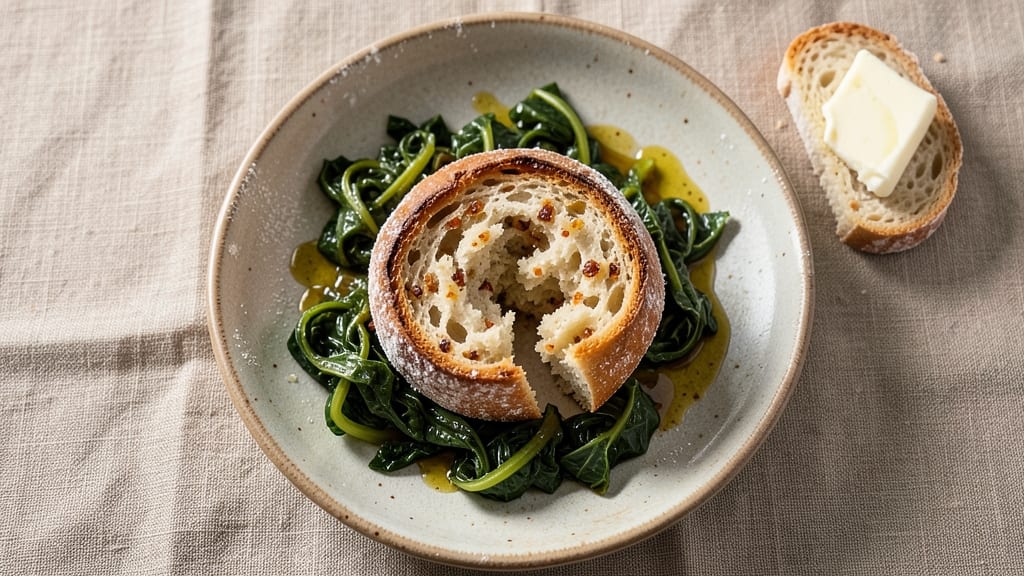
This sauerkraut bread recipe transforms humble dough into a tangy, chewy masterpiece that pairs perfectly with hearty meals.
The secret lies in balancing fermented sauerkraut's sharpness with a rich dough base, creating a crust that's crispy on the outside and pillowy within—plus those irresistible crumbly cheese twists that elevate every bite.
I developed this recipe after years of experimenting with fermented flavors in bread, and the results speak for themselves.
The process is straightforward but requires patience—allowing the dough to rise and the sauerkraut to meld with the flour creates that signature depth. You'll need basic pantry staples like flour, yeast, and a block of sharp cheddar, plus the star ingredient: sauerkraut.
The cheese twists add a satisfying texture contrast, while the tangy fermented cabbage brings a complexity you won't find in standard bread recipes.
By the time it emerges from the oven, you'll have golden-brown loaves with a fragrant crust and a crumb that's both tender and slightly chewy. The cheese twists will be perfectly crisp, while the sauerkraut infuses every bite with a bright, fermented tang.
This bread isn't just a side—it's the star of your table, especially when served warm with butter or alongside roasted meats.
For those with dietary preferences, you can easily adapt this recipe by omitting cheese or using plant-based alternatives without sacrificing flavor. The method remains the same, proving that even traditional recipes can be made inclusive. Let's get started on creating this uniquely satisfying loaf.
Ingredients for sauerkraut bread
Basic pantry staples plus fermented magic—this tangy loaf needs just 14 ingredients.
| Ingredient | Amount | Notes |
|---|---|---|
| All-Purpose Flour 🌾 | 4 cups | Plus 2 tbsp for shaping |
| Unsalted Butter 🧈 | ½ cup | Cold and cubed, full-fat preferred |
| Sauerkraut 🥬 | 1 ½ cups | Drained and finely chopped |
| Active Dry Yeast 🍞 | 2 ¼ tsp | Or 1 packet instant yeast |
| Granulated Sugar 🍚 | 1 tbsp | Feeds the yeast |
| Warm Water 💧 | ¾ cup | 110°F for optimal yeast activation |
| Sharp Cheddar Cheese 🧀 | 1 cup | Shredded, aged 6+ months preferred |
| Diamond Crystal Kosher Salt 🧂 | 1 ½ tsp | Adjusts to taste |
| Cornmeal 🌽 | ¼ cup | For dusting loaf pans |
| Large Egg 🥚 | 1 whole | For egg wash |
| Honey 🍯 | 1 tsp | For egg wash |
| Garlic Cloves 🧄 | 2 cloves | Minced for cheese twists |
| Fresh Dill 🌿 | 1 tbsp | Chopped, optional for brightness |
| Black Pepper 🌶️ | ½ tsp | Freshly cracked |
The sauerkraut is non-negotiable here—look for brands like Bubbies or Weck for that bright, crisp fermented flavor. Freshly opened jars work best, but if you've got leftover sauerkraut, squeeze out every drop of juice (it's the liquid gold that feeds your dough). For the cheese, sharp cheddar from a block melts better than pre-shredded—it's worth the extra minute grating. The yeast needs to be active dry or instant, and if your pantry yeast is past its prime, test it in warm water with sugar first. Flour? King Arthur or Gold Medal are my go-tos for that perfect balance of protein and texture.
No sauerkraut? Pickled green cabbage juice can mimic the tang, though you'll miss the texture. Running low on cheddar? Gouda or Gruyère work beautifully—just adjust the sharpness to taste. Substituting butter? Lard or coconut oil keeps things rich, but butter's flavor is irreplaceable. The cornmeal is key for crispy crusts—don't skip it! For the cheese twists, add fresh herbs like dill or chives if you're feeling fancy. And if you're avoiding dairy, nutritional yeast can add a cheesy note without the cheese.
This dough needs time—let it rise overnight for maximum flavor development. Store shaped loaves in the fridge for up to 3 days before baking, or freeze shaped dough for up to 2 months. Once baked, cool completely before slicing—the cheese twists stay crisp for 2 days if stored in an airtight container. For leftovers, reheat slices in a 350°F oven for 5-7 minutes to restore that fresh-baked magic.
Why You'll Love This Recipe
- No-Knead Magic: I swear by this dough—just mix, let it rise, and bake. The yeast and butter do all the heavy lifting while I sip coffee.
- Tangy Twist: That sauerkraut isn’t just an afterthought—it’s the star. The lactic acid cuts through the richness of the butter, giving every bite a bright, funky edge.
- Weeknight Hero: Between us, this bread is my go-to for sandwiches, toast, or even a quick charcuterie board. The texture holds up perfectly, no soggy slices here.
- Budget-Friendly Staple: Sauerkraut lasts forever in my fridge, and a little goes a long way. I stretch one loaf into three meals—breakfast toast, lunch wraps, and dinner sides—without breaking the bank.
Step-by-step instructions for sauerkraut bread
Here's how to craft this fermented loaf with a tangy crust and cheesy surprises.
Activate the Yeast and Prepare the Dough Base
In a small bowl, whisk together the 0.75 cup warm water (110°F), 1 tbsp granulated sugar, and 2.25 tsp active dry yeast. Let this sit for 5-7 minutes until frothy—you'll see bubbles forming on the surface and a slightly yeasty aroma. This tells you the yeast is alive and ready to work.
In a large mixing bowl, combine the 4 cups all-purpose flour and 1.5 tsp diamond crystal kosher salt. Create a well in the center and pour in the yeast mixture. Use a wooden spoon to gradually incorporate the flour from the edges, mixing just until a shaggy dough forms. The dough will be sticky, but that's perfect for developing gluten.
Incorporate Sauerkraut and Cheese for Depth
Add the 1.5 cups drained and finely chopped sauerkraut to the dough and mix thoroughly with your hands or a dough scraper. The sauerkraut will add moisture and that signature tangy fermented flavor. Then fold in the 1 cup shredded sharp cheddar cheese—this will create pockets of melty goodness throughout the loaf.
Next, work in the 0.5 cup cold cubed unsalted butter using your hands. The butter should be cold enough to hold its shape but soft enough to incorporate. Press and fold the dough until the butter is fully distributed and the dough becomes more cohesive. This step is crucial for creating that tender, flaky texture in the final bread.
Knead and Rest for Optimal Texture
Turn the dough out onto a lightly floured surface and knead for 5-7 minutes until smooth and elastic. You're looking for a dough that springs back when pressed gently. If it's too sticky, add 1-2 tbsp more flour as needed, but don't overdo it—the extra moisture from the sauerkraut helps with texture.
Shape the dough into a ball, place it back in the mixing bowl, and cover with a damp towel. Let it rise in a warm place for 1-1.5 hours or until doubled in size. You'll know it's ready when it puffs up noticeably and leaves an indent when pressed lightly with your finger. This resting period allows the gluten to relax and the yeast to ferment properly.
Shape and Prepare for Baking
Punch down the risen dough to release air, then divide it into 4 equal portions. Roll each portion into a 12-inch rope and coil them into loose rounds. Place each round in a 9x5-inch loaf pan that's been lightly dusted with 0.25 cup cornmeal. This ensures easy removal later and adds a subtle crunch to the crust.
Cover the pans with damp towels and let the dough rise again for 30-45 minutes until puffy. While the dough rises, preheat your oven to 375°F. This second rise ensures the bread will be light and airy rather than dense. Just before baking, brush the tops with an egg wash made from 1 whole large egg and 1 tsp honey mixed together. Sprinkle with 1 tbsp chopped fresh dill and 0.5 tsp freshly cracked black pepper for extra flavor.
Bake to Golden Perfection and Create Cheese Twists
Bake the bread for 30-35 minutes until the tops are deep golden brown and the internal temperature reaches 190°F. The bread should sound hollow when tapped on the bottom. If the tops brown too quickly, tent with foil to prevent over-browning while ensuring the interior cooks through.
While the bread bakes, prepare the cheese twists. Mix the 2 minced garlic cloves with 1 tbsp chopped fresh dill and 0.5 tsp black pepper. Once the bread is out of the oven, use a serrated knife to make 4 diagonal cuts across each loaf, creating a crosshatch pattern. Gently pull apart the sections and stuff each with a small amount of the garlic-dill mixture. Wrap the sections around the cheese to create twists, then place them back in the loaf pans. Return to the oven for 5-7 minutes to melt the cheese and create those signature crispy, cheesy twists.
Pro Tips For Making Sauerkraut Bread
- Squeeze the Sauerkraut Dry: Drain the kraut, then press it between paper towels to remove excess liquid—this keeps your dough from getting gummy and ensures a lighter texture. I learned this the hard way after kneading a dough that felt like wet cement.
- Warm the Butter First: Softened butter is a must, but don’t overdo it—just warm it to room temp so it melts into the dough smoothly without turning greasy. Cold butter pockets make for a dense, heavy loaf.
- Let the Yeast Bubble Twice: Proof the yeast in warm water with sugar, then wait until it foams twice—once when it first activates, and again after adding flour. This guarantees your bread rises properly, not just a little puff before collapsing.
- Shape Loaves Tightly: Roll the dough into a tight, compact log—no gaps or air pockets. Sauerkraut bread needs a snug shape to hold its form during baking, or you’ll end up with a sad, flat loaf. My first attempt looked like a deflated hot dog.
Creative variations of this sauerkraut bread
Savory Garlic-Herb Twist
Swap the sharp cheddar for a blend of Gruyère and Parmesan—this combo adds nutty depth and melts beautifully. For the cheese twists, mix 2 tbsp minced garlic, 1 tbsp chopped fresh thyme, and ½ tsp smoked paprika into the cheese filling.
The smoky paprika pairs perfectly with the tangy sauerkraut, creating a rich, aromatic twist that’s irresistible. 🌿
Spicy Jalapeño Kick
For heat lovers, fold 2 chopped jalapeños (seeds removed for mild heat) directly into the dough during Step 2. The fermented tang of the sauerkraut and the fresh, bright jalapeño create a bold flavor contrast.
Top the baked loaves with ½ cup pickled jalapeño slices before adding the cheese twists for an extra layer of spicy crunch. Serve with cool yogurt or sour cream to balance the heat. 🌶️
Sweet Onion & Caramelized Topping
Caramelize 1 cup thinly sliced yellow onion with 1 tbsp brown sugar and 1 tbsp balsamic vinegar until golden. Spread this mixture over the risen dough before baking—it adds a sweet, jammy note that complements the sauerkraut’s acidity.
For the cheese twists, mix in 1 tbsp chopped walnuts with the garlic and dill for a textural surprise. This variation works beautifully as a side for roasted meats. 🍯
Whole Grain Rustic Version
Replace 2 cups of all-purpose flour with whole wheat flour for a heartier loaf.
The nuttier flavor of whole grains balances the sauerkraut’s tang, while adding 1 tbsp ground flaxseed to the dough boosts fiber and omega-3s. For the cheese twists, use feta cheese instead of cheddar—its salty tang cuts through the richness of the whole grains.
Brush the baked loaf with olive oil and sprinkle with everything bagel seasoning for extra depth. 🌾
Vegan Fermented Twist
For a dairy-free version, omit the cheese and replace it with ½ cup vegan cheddar shreds (like Miyoko’s) or cashew cream cheese mixed with nutritional yeast for a cheesy flavor. Use vegan butter and ensure your yeast is active.
The sauerkraut’s tang still shines, and the cheese twists can be made with tofu ricotta mixed with garlic powder and smoked salt. This version is just as satisfying and perfect for vegan diets. 🌱
Herbed Beer Bread Adaptation
Boost the dough’s moisture by replacing ¼ cup warm water with ¼ cup dark beer (like stout or porter) for a malty depth. Add 1 tbsp chopped fresh rosemary to the dough and use blue cheese crumbles for the cheese twists.
The beer’s caramel notes and the blue cheese’s funk create a sophisticated twist that pairs well with rich stews or hearty soups. 🍺
Nutrition facts
Frequently asked questions
Why does this bread need to rise twice?
The first rise develops the gluten and activates the yeast for maximum flavor. The second, shorter rise ensures a light, airy texture. Skipping either step can make the bread dense or flat. The sauerkraut's moisture also affects fermentation—don't rush it!
Can I make this bread without cheese?
Replace the cheese with ½ cup chopped sun-dried tomatoes or caramelized onions for the twists. The tangy sauerkraut will still shine, and you'll get a vegetarian-friendly loaf. For extra flavor, add 1 tsp smoked paprika to the dough.
How do I fix dough that's too sticky?
If your dough feels unmanageable, add 1-2 tbsp flour at a time while kneading. The sauerkraut adds moisture, but too much flour will make it dry. For extra help, chill the dough for 20 minutes before shaping—this firms it up.
What's the best way to store leftovers?
Wrap cooled loaves in plastic wrap and store at room temperature for 2-3 days. For longer storage, freeze the baked bread (without cheese twists) for up to 3 months. Reheat slices in a 350°F oven for 5 minutes to restore freshness.
Can I use store-bought sauerkraut?
Yes, but choose brands with minimal additives. Drain well and chop finely for even distribution. For extra flavor, mix in 1 tsp caraway seeds with the sauerkraut before adding to the dough. The fresher the sauerkraut, the brighter the tang!