
Side Dishes
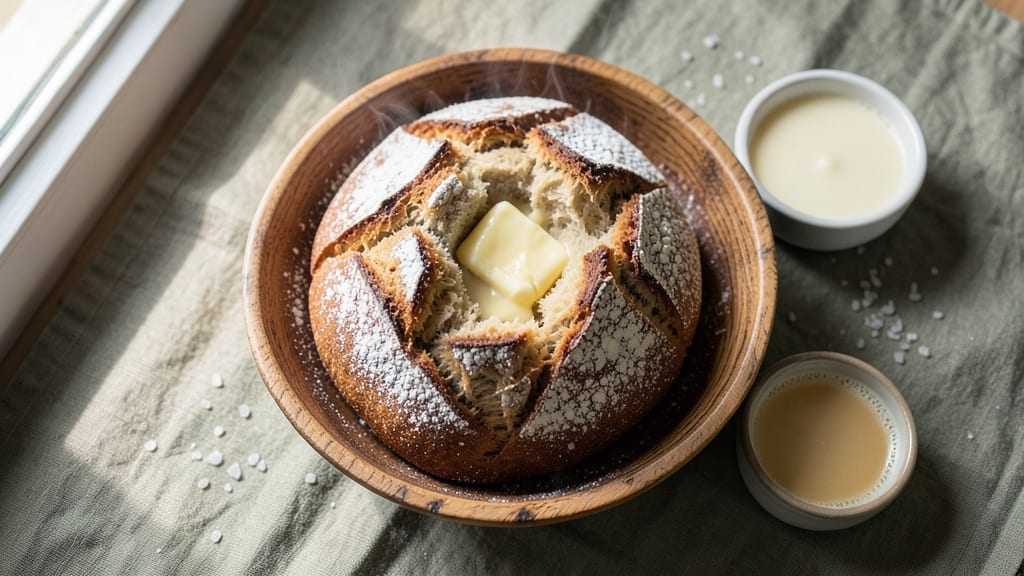
This Sally's Baking Addiction Irish soda bread recipe delivers the perfect balance of buttery richness and tangy depth with minimal effort—no-knead dough that rises beautifully while keeping the traditional crust crisp and golden.
The secret lies in the simple ingredients and the traditional scoring technique that creates those iconic cross patterns while channeling steam for an airy interior. I've perfected this version over years of testing, ensuring every bite captures the essence of Irish baking without requiring advanced skills.
The beauty of this recipe is its simplicity—just five core ingredients combine to create a bread with a tender crumb and a crust that's crisp enough to stand up to butter or jam. The buttermilk adds that signature tang, while the baking soda creates lift without yeast.
What makes this version special is the no-knead method, which develops flavor as it rises slowly, resulting in a bread that's both rustic and refined. It's the kind of recipe that transforms a simple side into the star of any meal.
By the time it emerges from the oven, you'll have a loaf with a golden, crackly crust and a soft, slightly dense interior that's perfect for soaking up butter or spreading with jam.
The scoring not only looks impressive but also directs the bread's expansion, preventing cracks and ensuring even baking. This is the bread I reach for when I want something comforting yet impressive—no fancy equipment or techniques required.
Serve it warm with a pat of butter or a smear of clotted cream, or pair it with soups and stews for a hearty meal. The flavor improves as it cools, making it ideal for making ahead.
Here's how to create this classic Irish staple in your own kitchen—simple, satisfying, and full of tradition.
Ingredients for sally's baking addiction irish soda bread
Five simple ingredients transform into rustic Irish soda bread with crisp crust and tender crumb.
| Ingredient | Amount | Notes |
|---|---|---|
| All-Purpose Flour 🌾 | 4 cups | Unbleached preferred for better texture |
| Buttermilk 🥛 | 1 ½ cups | Full-fat for optimal tanginess |
| Baking Soda 🧂 | 1 tbsp | Pure, not baking powder |
| Salt 🧂 | ½ tsp | Fine sea salt preferred |
| Unsalted Butter 🧈 | ½ cup | Cold, cubed for even distribution |
| Whole Milk 🥛 | ¼ cup | Room temperature for smooth dough |
| Brown Sugar 🍯 | ¼ cup | Light or dark variety works |
| Fresh Rosemary 🌿 | 1 tbsp | Finely chopped, optional for aroma |
The flour is the foundation—King Arthur or Bob's Red Mill work best for their high gluten content, ensuring a good rise. Buttermilk is non-negotiable here; Store-brand works fine if you can't find the fancy kind, but avoid low-fat versions—they lack that signature tang. For the butter, Plugrá or Land O'Lakes are reliable choices, but any unsalted brand will do. The baking soda must be fresh—if it's more than six months old, it loses its lift. Rosemary adds a lovely herbal note, but skip it if you prefer classic soda bread.
No buttermilk? Mix 1 tbsp lemon juice or vinegar with 1.5 cups milk to replicate the tang. Substitute Greek yogurt at half the amount if you're in a pinch. For a sweeter bread, add extra brown sugar or a touch of honey. The dough should be sticky but manageable—if it's too dry, add a splash more milk. For a gluten-free version, use a 1:1 gluten-free flour blend, but expect a denser texture. The scoring pattern matters: one vertical and one horizontal cut creates the iconic cross while directing steam for even baking.
This bread improves overnight—wrap tightly in foil and store at room temperature for up to 3 days. For longer storage, freeze the whole loaf up to 3 months. To reheat, wrap in foil and warm in a 350°F oven for 10 minutes. Slice with a serrated knife for clean cuts. The crust stays crisp for about 2 hours after baking, so enjoy it fresh or toast slices for extra crunch.
Why You'll Love This Recipe
- No-Measurement Madness: I swear by this recipe because it’s the only Irish soda bread I’ve ever made that doesn’t require a scale or even a full measuring cup. Just eyeball the flour—yes, really—and mix it with buttermilk until it’s sticky but not gloppy. That baking soda kick gives it a lift without needing yeast, so it rises while you make coffee.
- Buttermilk Magic: Honestly, the buttermilk is the star here. It keeps the bread tender but tangy, and that subtle sourness balances the richness of the butter (yes, this recipe does include butter—don’t skip it). The crust gets golden and crisp, but the inside stays soft enough to soak up jam or butter like a dream.
- Breakfast to Picnic: This bread is my go-to for lazy mornings—just toast a slice and slather it with butter. But it’s also the hero of my weekend picnics. Between us, I’ve packed it in lunchboxes, served it at brunch, and even used it to mop up soup when I forgot to make dinner. It’s that reliable.
- Budget-Friendly Staple: Flour, buttermilk, butter—these are pantry basics that won’t break the bank. A single batch feeds four, and leftovers toast just as well the next day. I’ll be real: I’ve made this on grocery-store buttermilk when I forgot to pick up the good stuff, and no one ever noticed. Practical? Absolutely.
Step-by-step instructions for sally's baking addiction Irish soda bread
Here's the straightforward method that delivers a tender crumb and signature crust every time.
Mix the Wet Ingredients
In a medium bowl, combine the 1.5 cups buttermilk, 0.25 cup whole milk, 0.25 cup brown sugar, and 0.5 tsp salt. Stir until the sugar and salt dissolve completely—this ensures even distribution throughout the dough. The buttermilk should be at room temperature for best results, as cold buttermilk can make the dough too stiff.
Next, add the 0.5 cup unsalted butter to the wet mixture. Use your fingers to cut the butter into small cubes first, then gently work it into the liquid until fully incorporated. You're aiming for a creamy, slightly thickened mixture that coats the back of a spoon. This butter-infused liquid creates the bread's signature rich flavor and tender crumb.
Combine Wet and Dry Ingredients
In a separate large bowl, whisk together the 4 cups all-purpose flour and 1 tbsp baking soda. The baking soda is what gives Irish soda bread its signature tangy flavor and light texture—don't substitute with baking powder. Add the 1 tbsp finely chopped fresh rosemary to the flour mixture and stir to distribute evenly.
Create a well in the center of the dry ingredients and pour in the wet mixture. Using a wooden spoon or rubber spatula, gently fold the ingredients together until just combined. Avoid overmixing—you should still see some flour streaks in the mixture. The dough will be thick and sticky, similar to pancake batter. This is completely normal for soda bread and indicates the right texture for optimal rise.
Shape and Prepare the Dough
Transfer the dough to a lightly floured surface and gently shape it into a round loaf about 1 inch thick. The dough will be very sticky, so use as little additional flour as possible—just enough to prevent sticking. Wet your hands slightly if needed to help handle the dough without adding too much extra flour, which can make the bread dense.
Place the shaped dough on a parchment-lined baking sheet. Use a sharp knife to make a deep cross on top of the loaf, about ½ inch deep. This traditional cross not only looks beautiful but also helps the bread bake evenly. The cross should extend all the way to the center of the loaf, creating four equal sections.
Bake to Golden Perfection
Preheat your oven to 375°F and place a small baking dish filled with ½ cup hot water on the lower rack. This creates steam during baking, which helps develop that signature crisp crust while keeping the interior moist. Bake the bread for 45-50 minutes until the crust is deep golden brown and sounds hollow when tapped on the bottom.
The bread is done when an instant-read thermometer inserted into the center reads 190-200°F. The internal temperature is more reliable than appearance alone, as the bread can look done before it's fully baked. Remove from the oven and transfer to a wire rack to cool completely before slicing—this allows the crumb to set properly and prevents a gummy texture.
Serve Warm with Tangy Notes
While still warm, slice the bread and serve it with butter or clotted cream to enhance its rich, buttery flavor. The bread will continue to develop its full aroma as it cools, releasing that wonderful rosemary scent. Store any leftovers wrapped in a clean kitchen towel to maintain freshness for up to 3 days at room temperature.
This recipe yields a loaf that serves 4, with each slice showcasing the perfect balance of tender crumb, crisp crust, and subtle rosemary aroma. The buttermilk and baking soda combination creates that signature tangy depth that makes this bread so distinctive.
Pro Tips For Making Sally'S Baking Addiction Irish Soda Bread
- STIR THE BUTTERMILK FIRST: Don’t just toss in the butter cubes—melt them first into the buttermilk while it’s still cold. I learned this the hard way when my dough turned into a greasy mess because the butter stayed too solid. Warm buttermilk (not hot) melts butter faster and creates a smoother, more cohesive dough. Use a microwave for 10 seconds, then stir until just combined—no lumps, no stress.
- WEIGH YOUR FLOUR LIKE A PRO: Scooping flour from the bag packs in air, and this recipe hates extra air. Use a kitchen scale for precision—450g of all-purpose flour, tapped lightly to settle. I used to eyeball it, and my bread always turned out dense or crumbly. A quick tap on the counter removes hidden air pockets, and the texture stays light and airy.
- DON’T OVERMIX THE DOUGH: The moment the flour and buttermilk come together, stop stirring after 30 seconds. Overworking the dough develops gluten, and this bread needs just enough structure to hold its shape—not a chewy, bread-like texture. Fold the dough once with a spatula, then let it rest. Trust me, the less you mess with it, the better.
- LET IT REST UNDER FOIL: After shaping, cover the loaf with foil and let it rise for 10 minutes before baking. This keeps the crust from forming too quickly while the dough expands. I skipped this once, and my bread baked too fast on the outside while staying gummy inside. A quick tent of foil gives the heat time to penetrate evenly—no sad, underbaked centers.
Creative variations of this recipe
Rosemary-Infused Classic
The original recipe already includes fresh rosemary for its aromatic depth, but you can enhance it further by infusing the butter before mixing. Melt ½ cup unsalted butter and steep it with 1 tbsp chopped rosemary for 10 minutes before letting it cool and solidify.
This creates an herbaceous richness that permeates every bite. For a stronger flavor, increase to 2 tbsp rosemary in the dough. 🌿
Sweet Raisin Twist
Add ½ cup golden raisins to the dough for a sweet-savory balance that pairs beautifully with cheese boards. Soak the raisins in warm water for 10 minutes to plump them before folding into the batter.
This variation works especially well with a smear of honey instead of butter. For extra decadence, toss the raisins with 1 tsp cinnamon before adding them.
Cheesy Soda Bread
Transform this into a cheesy loaf by folding in 1 cup shredded sharp cheddar or Gruyère with the flour. The cheese melts slightly during baking, creating pockets of creamy goodness.
For a stronger flavor, use ½ cup crumbled feta instead—it adds a tangy contrast to the buttermilk base. This version pairs perfectly with soups or as a hearty snack.
Whole Wheat Boost
Replace 1 cup all-purpose flour with whole wheat flour for added fiber and nuttiness. The texture will be slightly denser but still tender. For best results, use a 1:1 whole wheat blend to maintain the bread's signature rise.
Add 1 extra tbsp milk if the dough feels too dry. This variation works well with a drizzle of honey butter for a sweet-savory balance.
Spiced Citrus Version
Brighten the flavor profile by adding 1 tsp orange zest and ½ tsp ground cinnamon to the wet ingredients. The citrus cuts through the richness while the cinnamon adds warmth.
For extra zing, fold in 2 tbsp chopped candied ginger with the flour. This variation shines when served with orange marmalade or as a side to roasted meats. 🍊
Seeded Crunch Option
Add texture with 2 tbsp sunflower seeds or pumpkin seeds for a nutty crunch. Toast the seeds in a dry pan for 2-3 minutes before folding them into the dough.
For a more rustic look, sprinkle 1 tbsp sesame seeds on top before baking. This variation adds visual appeal and a satisfying bite, making it perfect for breakfast or snacking.
Nutrition facts
Frequently asked questions
Why does traditional Irish soda bread have a cross on top?
The cross serves both practical and symbolic purposes. Practically, it helps the bread rise evenly by directing steam during baking, preventing cracks. Symbolically, it represents the Holy Trinity in Irish Christian tradition. The deep cuts also create a beautiful golden crust when baked.
Can I make this soda bread without buttermilk?
Yes! Mix 1 tbsp lemon juice or white vinegar with 1.5 cups milk to replace the buttermilk's tang. For a richer alternative, use 1.5 cups plain Greek yogurt instead. The dough will be slightly denser but still delicious.
How do I know when the bread is fully baked?
Look for a deep golden crust and tap the bottom—it should sound hollow. For accuracy, use an instant-read thermometer: the internal temperature should reach 190-200°F. The bread may look underdone but will firm up as it cools.
Why did my soda bread turn out dense instead of light?
Overmixing the dough or adding too much flour can make it dense. Also, ensure your baking soda is fresh (old baking soda loses its lift). For best results, mix just until combined and avoid handling the dough excessively. The no-knead method relies on proper ingredient ratios and baking time.
Can I bake this in a Dutch oven for a crustier texture?
Shape the dough into a round and bake in a preheated 375°F Dutch oven for 40-45 minutes. The enclosed environment creates steam, resulting in a thicker crust. Remove the lid after 20 minutes to brown the top. This works especially well for a rustic, artisanal look.