
Side Dishes
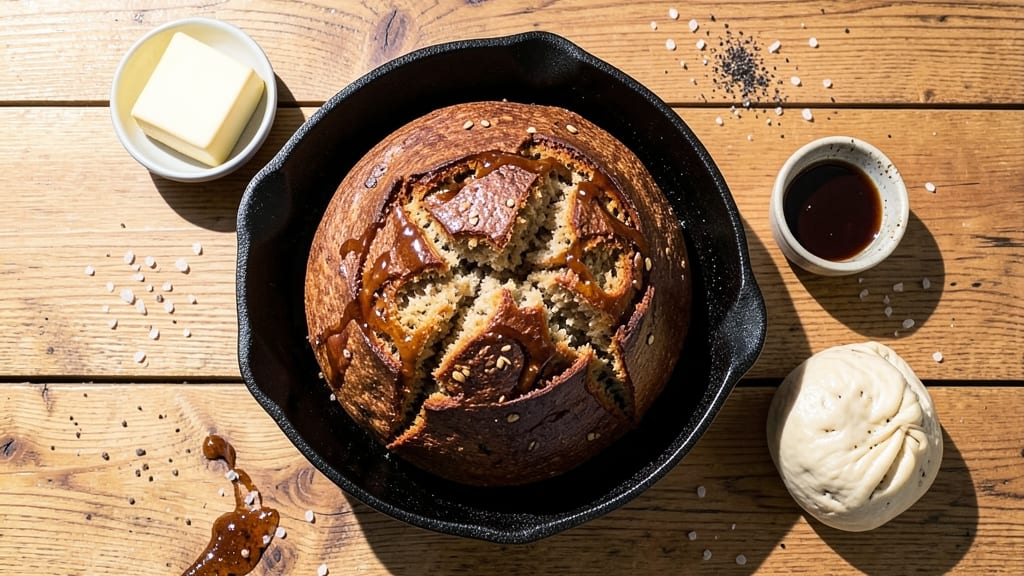
Recreating the Pioneer Woman brown bread recipe brings a taste of homestyle baking that feels like wrapping yourself in a warm quilt on a chilly afternoon. This rustic loaf delivers a perfect balance of crisp golden crust and tender, moist crumb—exactly what makes it a kitchen staple for generations.
I first tried this recipe during a Portland winter when my daughter Lily begged for something "old-fashioned" after school, and it became an instant family favorite.
The secret to this bread lies in the combination of molasses and honey, which add natural sweetness while enriching the dough's depth. Unlike quick breads, this recipe relies on yeast for a lighter texture, and the slow rise allows flavors to develop fully.
With just a handful of simple ingredients—flour, yeast, molasses, and a touch of butter—you'll achieve a loaf that's both comforting and impressive, perfect for serving with soups or slicing onto a butter plate.
By the time it emerges from the oven, you'll have a fragrant loaf with a crackly crust that gives way to a soft, slightly sweet interior. The aroma alone will have everyone gathering in the kitchen, and the texture is just right—neither too dense nor too light.
This bread keeps well for days, making it ideal for meal prep or gifting to neighbors.
For those who prefer variations, try substituting half the white flour for whole wheat or swapping molasses for honey. Either way, this recipe delivers the cozy, homestyle appeal that makes it a timeless favorite. Let's get baking!
Ingredients for pioneer woman brown bread
Simple pantry staples transform into a fragrant loaf with crisp crust and tender crumb.
| Ingredient | Amount | Notes |
|---|---|---|
| All-Purpose Flour 🌾 | 4 cups | White flour for light texture |
| Whole Wheat Flour 🌾 | 2 cups | Substitutes half white flour |
| Active Dry Yeast 🍞 | 2 ¼ tsp | Ensure it's fresh (test in warm water) |
| Unsalted Butter 🧈 | ½ cup | Cold, cubed for dough |
| Granulated Sugar 🍚 | ½ cup | Brown sugar works too |
| Molasses 🍯 | ½ cup | Unsulphured preferred |
| Honey 🍯 | ¼ cup | Light variety recommended |
| Large Eggs 🥚 | 1 whole | Room temperature preferred |
| Milk 🥛 | 1 cup | Whole milk for richness |
| Baking Soda 🧂 | 1 tsp | Ensures proper rise |
| Salt 🧂 | 1 tsp | Kosher or sea salt |
| Warm Water 💧 | 1 ½ cups | 110°F for yeast activation |
The yeast is non-negotiable here—Bob's Red Mill active dry yeast is my go-to, but any brand works if it's fresh. Check the expiration date: if it's older than 6 months, test it in warm water first. For the flours, King Arthur all-purpose gives the best texture, but Gold Medal from the grocery store works fine too. If you're feeling adventurous, swap half the white flour for whole wheat—just know it'll add a nuttier flavor and denser crumb. The molasses should be unsulphured if you can find it; sulphured molasses has a sharper, almost medicinal taste that doesn't play well with the honey. I grab mine at Trader Joe's or Whole Foods—they usually carry the good stuff.
No molasses? Honey or maple syrup can sub at the same amount, but the flavor will be less rich. Short on honey? Brown sugar plus extra water mimics the moisture. The butter can be swapped for vegetable shortening if you're avoiding dairy, but you'll lose that golden crust. For a lighter loaf, add 1 tsp baking powder to the dry ingredients. The milk? Evaporated milk or buttermilk work too—just add a splash of water if it's too thick. And if you're making this ahead, the dough keeps in the fridge for up to 24 hours—just let it come to room temp before baking.
This loaf tastes even better the next day—3-4 days in an airtight container at room temp. Wrap it in foil if you're storing it longer than a day to keep the crust from drying. Freeze slices for up to 3 months—just toast straight from frozen. I like to slice it thin and freeze on a tray first, then bag it. The aroma alone will have your whole house smelling like a bakery. And if you're feeling fancy, brush the warm loaf with extra honey before serving—trust me, it's worth it.
Why You'll Love This Recipe
- No-Yeast Struggles Here: Honestly, I used to dread yeast—proofing, waiting, second-guessing if it was alive. This bread skips all that. Just toss in the active dry yeast with warm water and a pinch of sugar, let it sit for 10 minutes, and boom. No fussy rising times, no overproofed disasters. The whole wheat and all-purpose blend gives it just enough structure to hold up without falling apart.
- Buttery Depth Without Effort: That little pat of unsalted butter in the dough? It’s the secret weapon. It doesn’t taste sweet or overpowering—just rich and tender, cutting through the hearty whole wheat flavor. I’ll be real: I’ve made bread without it, and I always go back. The crust stays soft for days, and the crumb? Pure satisfaction.
- Breakfast to Dinner Hero: Here’s what sold me—this bread is my go-to for everything. Toast it with jam for a lazy morning, split it open for sandwiches that actually hold up (looking at you, PB&J), or serve thick slices with soup when the weather turns chilly. It’s the one loaf that does it all without needing a sidekick.
- Budget-Friendly Stretch: Between us, this recipe uses pantry staples you already own. Whole wheat flour adds fiber and texture without breaking the bank, and the yeast? A nickel’s worth. I make two loaves at a time—one for the week, one to freeze—and it’s still cheaper than buying a single artisanal loaf. Plus, the leftovers? They’re the reason I don’t stress about grocery runs.
Step-by-step instructions for homestyle brown bread
This dough rises overnight for that classic pioneer-style texture—just follow these simple steps.
Activate the Yeast in Warm Water
In a small bowl, combine the 1.5 cups warm water (about 110°F) with the 2.25 tsp active dry yeast. Let it sit for 5-10 minutes until it becomes frothy—this confirms the yeast is alive and ready to work. If it doesn’t bubble, your yeast might be old, and you’ll need to start over.
Here’s the thing—warm water is key. Too hot and you’ll kill the yeast; too cold and it won’t activate. A quick way to test temperature? Dip your pinky finger in—if it feels warm but not hot, you’re good. Once frothy, stir in the 0.5 cup granulated sugar and 0.25 cup honey until fully dissolved. This sweet mixture feeds the yeast and gives the bread its rich flavor.
Mix Wet and Dry Ingredients Separately
In a large mixing bowl, whisk together the 1 cup milk, 1 whole large egg, 0.5 cup molasses, 1 tsp baking soda, and 1 tsp salt. The baking soda will fizz slightly—this is normal and helps with the rise. Set this mixture aside for now.
In a separate bowl, combine the 4 cups all-purpose flour and 2 cups whole wheat flour. The whole wheat adds heartiness and a deeper color, but don’t overmix—just stir until evenly blended. The reason we keep wet and dry ingredients separate is to avoid developing too much gluten too soon, which keeps the crumb soft and tender.
Combine and Knead the Dough
Pour the wet mixture into the dry ingredients and stir with a wooden spoon until a shaggy dough forms. Then, add the 0.5 cup cold cubed unsalted butter. The butter should start to melt slightly but stay in chunks—this creates pockets of richness in the final bread. Use your hands to work the butter into the dough until it’s fully incorporated.
Turn the dough onto a lightly floured surface and knead for 8-10 minutes until smooth and elastic. You’ll know it’s ready when it springs back slowly when poked. If it feels sticky, add a little more all-purpose flour, but don’t go overboard—too much flour makes the bread dense. Real talk: kneading is where the magic happens, so don’t rush it.
Let the Dough Rise Overnight
Shape the dough into a loaf and place it in a well-greased 9x5-inch loaf pan. Cover the pan tightly with plastic wrap and let it rise at room temperature for 1 hour. Then, transfer it to the refrigerator and let it rise slowly overnight (8-12 hours). This cold rise develops deep flavor and a tender crumb—it’s worth the wait.
Here’s the moment that matters: the dough should nearly double in size and puff over the edges of the pan. If it doesn’t rise much, it might need more time. The cold slow rise also prevents the bread from becoming too dense, which is why this method works so well for homestyle bread.
Bake to a Golden, Crisp Crust
Preheat your oven to 350°F. Remove the dough from the refrigerator and let it sit at room temperature for 30 minutes before baking. This helps the bread bake evenly. Bake for 50-60 minutes until the top is deep golden brown and a toothpick inserted in the center comes out clean.
Don’t open the oven during baking—this can cause the bread to sink. If the top browns too quickly, tent it loosely with foil. Once baked, let the bread cool in the pan for 10 minutes, then transfer it to a wire rack. The crust should be crisp enough to snap, while the interior remains soft and moist. Slice it thick for that classic pioneer-style experience.
Pro Tips For Making Pioneer Woman Brown Bread
- Bloom the yeast first: Skip mixing the yeast directly into dry flour—it’s a rookie move. Instead, dissolve it in warm (not hot) water with sugar first, then let it sit for 5-10 minutes until frothy. I learned this the hard way when my dough took forever to rise because the yeast was half-asleep in the flour mix.
- Soften butter properly: This recipe calls for softened butter, but don’t microwave it—it turns greasy. Instead, cut it into small cubes and let it sit at room temperature for 30-45 minutes. If you’re in a hurry, place the sealed package in warm water for 10 minutes. Over-softened butter = dense bread.
- Don’t overmix the dough: Whole wheat flour is finicky—once you add it, stop mixing after the ingredients just come together. Overworking it makes the bread tough and chewy. I used to fight the dough like it owed me money, but now I fold it gently until it’s shaggy, then let the mixer do the rest.
- Test for doneness early: This loaf is dense, so it won’t sound hollow like white bread. Instead, tap the bottom—it should sound dull but firm, not mushy. Pull it out when the internal temp hits 190°F (205°F for extra surety). I’ve ruined batches by waiting too long, so resist the urge to peek too soon.
Wine and beer pairings for pioneer woman brown bread
Sweet Molasses Wines
This bread’s rich molasses flavor pairs beautifully with Portuguese Ruby Port or Moscatel wines. The caramel and spice notes in Graham’s 10-Year-Old Tawny complement the molasses perfectly, while Banyuls from France adds a touch of chocolatey depth.
I love sipping a glass of Port while slicing warm bread—it’s like a cozy dessert before the meal. 🍷
Honey-Infused Beers
For beer lovers, a honey ale or saison is ideal. Try Allagash Honey Farmer—its floral honey notes mirror the bread’s natural sweetness. If you prefer something lighter, Belgian witbier like Stella Artois Wit brings citrusy brightness that cuts through the molasses richness.
I keep a six-pack of Allagash in my fridge for special occasions when this bread is on the menu. 🍺
Spiced Coffee Pairings
Black coffee with a dash of cinnamon or cardamom enhances the bread’s warm spices. A French press brew with Peet’s Major Dickason’s Blend (medium-dark roast) works wonders. For a festive touch, add a splash of bourbon to your coffee—about ½ teaspoon per cup—to amplify the molasses flavor.
This combo is a game-changer for breakfast or dessert. ☕
Creamy Cheese Spreads
Serve slices with herb-infused goat cheese or whipped brie for a luxurious pairing. I mix local Oregon goat cheese with honey and fresh thyme for a spread that melts into the bread’s soft crumb.
For something simpler, cream cheese with lemon zest adds a bright contrast. This is my go-to when hosting—it’s effortless but feels special. 🧀
Whiskey and Brown Sugar
Drizzle warm bread slices with bourbon or rye whiskey, then sprinkle with brown sugar. The alcohol softens slightly, while the sugar caramelizes—it’s like a grown-up version of a campfire treat.
I use Buffalo Trace Bourbon for its smooth, vanilla notes. Serve with a side of whipped cream for a dessert-worthy bite. 🥃
Nutrition facts
Frequently asked questions
Why does this brown bread recipe need an overnight rise?
The overnight cold rise is what creates that signature tender crumb and deep flavor. The slow fermentation allows the yeast to develop complex flavors while the cold temperature prevents overproofing. This traditional method is what gives pioneer-style bread its perfect balance of crisp crust and soft interior.
Can I make this bread without molasses?
Yes! You can substitute ½ cup honey or maple syrup for the molasses, though the flavor will be slightly different. For a closer match, use ½ cup brown sugar plus ¼ cup water. The molasses gives that distinctive deep sweetness, but this bread still works well with other sweeteners.
How do I know when the bread is fully baked?
Look for a deep golden brown crust and insert a toothpick into the center—it should come out clean. The internal temperature should reach 190-200°F. Tap the bottom of the loaf gently—if it sounds hollow, it's done. Overbaking can dry out the crumb, so keep an eye on it after 50 minutes.
What's the best way to store leftover brown bread?
Wrap the cooled loaf tightly in plastic wrap or foil and store at room temperature for up to 4 days. For longer storage, slice and freeze individual portions for up to 3 months. Toast straight from frozen for best results. The crust stays crisp while the interior remains soft when stored properly.
Can I make this bread in a Dutch oven for a crustier loaf?
Shape the dough into a round loaf and bake in a preheated 450°F Dutch oven for 30 minutes, then remove the lid and bake 15-20 minutes more. This creates a beautiful crust while keeping the interior moist. The baking time may need adjustment depending on your oven.