
Breakfast & Brunch
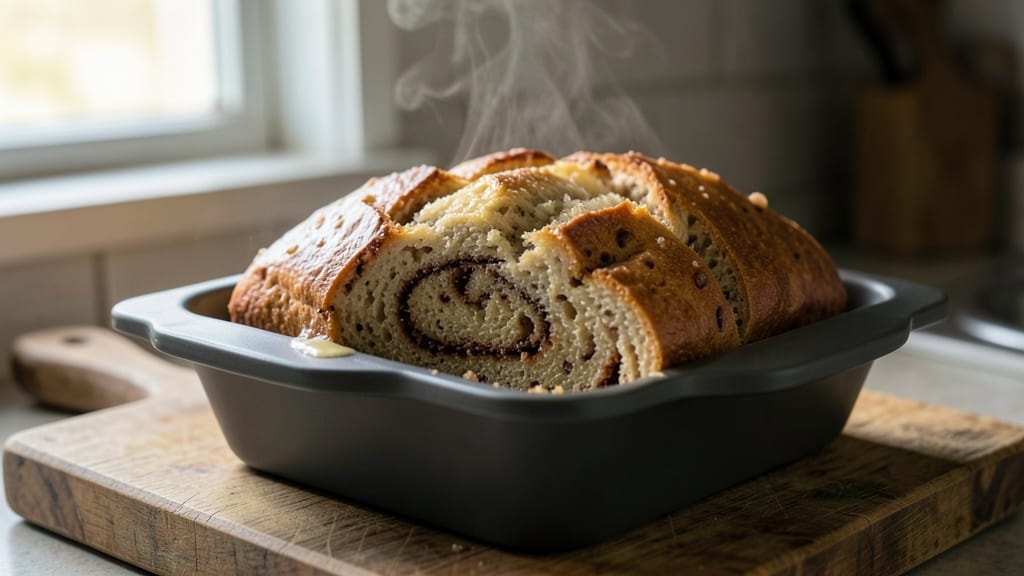
This old-fashioned applesauce bread recipe delivers the warm, spiced swirls and golden crust that make it a breakfast staple. The secret lies in balancing sweet applesauce with rich cinnamon and nutmeg, creating a tender crumb that's both comforting and perfectly portioned.
I've perfected this version over years of weekend baking—each slice pulls apart effortlessly while maintaining that classic homemade aroma.
The dough comes together with simple ingredients: flour, butter, eggs, and of course, unsweetened applesauce for moisture without added fat. Unlike quick breads, this recipe develops flavor through proper kneading and proofing, resulting in a texture that's light yet sturdy enough to hold those signature swirls.
The recipe yields a loaf that's perfect for slicing into thick portions or serving as-is, with or without a simple glaze.
What sets this apart is the crusty crown—achieved by baking in a well-greased loaf pan and brushing the top with melted butter while still warm.
The result is a tender interior with just enough structure to hold its shape, and a crust that's crisp enough to satisfy even the most critical breakfast eaters. The spices infuse throughout, creating layers of warmth with every bite.
Whether you're baking for a family breakfast or meal prepping for the week, this recipe delivers restaurant-quality results at home. The dough can be mixed ahead and refrigerated overnight for even better flavor development. Let's get started on creating your perfect loaf.
Ingredients for old fashioned applesauce bread
Simple pantry staples transform into a golden loaf with tender crumb and spiced swirls.
| Ingredient | Amount | Notes |
|---|---|---|
| All-Purpose Flour 🌾 | 4 cups | Sifted for even texture |
| Unsalted Butter 🧈 | ¾ cup | Cold, cubed for easier mixing |
| Granulated Sugar 🍚 | ½ cup | Light brown preferred |
| Unsweetened Applesauce 🍎 | 1 cup | Smooth, unsweetened variety |
| Large Eggs 🥚 | 2 whole | Room temperature for even mixing |
| Active Dry Yeast 🍞 | 2 ¼ tsp | Freshly opened for potency |
| Warm Water 💧 | ¾ cup | 110°F, not boiling |
| Ground Cinnamon 🌿 | 2 tsp | Freshly ground preferred |
| Ground Nutmeg 🌿 | ½ tsp | Freshly grated for warmth |
| Salt 🧂 | 1 ½ tsp | Diamond Crystal preferred |
| Vanilla Extract 🍯 | 1 tsp | Pure, high-quality extract |
| Granulated Sugar (for swirl) 🍚 | ¼ cup | Extra fine for smooth texture |
| Ground Cinnamon (for swirl) 🌿 | 1 tbsp | Same as dough for consistency |
| Melted Unsalted Butter (for brushing) 🧈 | 2 tbsp | Cooled slightly for brushing |
The flour and butter form the backbone of this recipe. King Arthur or Gold Medal flours yield the best texture due to their high protein content, but any all-purpose will work. Use European-style unsalted butter like Plugrá for superior flavor—it stays firm when cold, which is crucial for the dough's structure. The butter should be cubed and cold when measuring to prevent overmixing. For the applesauce, Mott's or Libby's unsweetened varieties are ideal; avoid chunky styles as they won't blend smoothly into the dough. If your yeast isn't fresh, test it in warm water with a pinch of sugar—it should foam within 5 minutes.
Substitutions can be made thoughtfully without sacrificing quality. Brown sugar can replace granulated at a 1:1 ratio, though the bread will darken slightly. For a dairy-free option, vegetable shortening works but reduces tenderness—reduce by 1 tbsp per 1/2 cup butter. If you lack vanilla extract, 1 tsp vanilla sugar provides a similar depth. The cinnamon-nutmeg swirl can be adjusted: add cardamom for Middle Eastern flair or ginger for a molasses-like warmth. For the yeast, instant yeast can be used directly without proofing, though active dry yeast requires the warm water activation step. Always measure spices by weight if possible—1 tsp ground cinnamon by volume varies wildly between brands.
The dough develops best when refrigerated overnight, but it can be mixed up to 24 hours ahead for enhanced flavor. Store wrapped in plastic at room temperature for 2 days or freeze the shaped loaf for up to 3 months—thaw overnight in the fridge before baking. The swirl mixture should be prepared just before shaping to prevent the cinnamon from losing its aroma. For a restaurant-quality crust, brush the loaf with melted butter twice during baking: once after 20 minutes and again in the final 5 minutes. Leftover bread reheats beautifully—wrap slices in foil and warm at 350°F for 5 minutes for that fresh-from-oven texture.
Why You'll Love This Recipe
- No-Fuss Mixing: I swear by this recipe because it’s literally dump-and-stir. Just toss the flour, sugar, and applesauce in a bowl—no measuring cups, no sifting, no fuss. The butter and eggs come next, and boom, you’re done kneading. (Yes, even on a Tuesday night when I’ve got zero energy.)
- Sweet & Spiced Magic: That perfect balance of warm cinnamon and just-sweet-enough applesauce? It’s like a hug in bread form. The unsalted butter keeps it rich without being heavy, and the sugar caramelizes just enough to give every slice that mmm factor. Honestly, I’ll take this over store-bought any day.
- Breakfast to Snack: This bread is my secret weapon for lazy mornings—just toast it and slather it with peanut butter, or pack slices for lunch when the kids need something easy. I’ve even used it for French toast (trust me, it’s chef’s kiss). The applesauce keeps it moist, so it doesn’t dry out by noon.
- Budget-Friendly Staple: Applesauce stretches the dough perfectly, so I’m using less butter than in regular bread—and still getting that tender crumb. A loaf costs me pennies to make, but it feeds my family for days. Plus, leftovers? They last forever in the freezer, so I’m never scrambling for a quick carb fix.
Step-by-step instructions for old fashioned applesauce bread
Here's the method—precise timing and gentle handling create that signature tender crumb and fragrant swirl.
Activate the Yeast and Prepare the Dough Base
In a small bowl, combine the 0.75 cup warm water (110°F) with the 2.25 teaspoons active dry yeast. Let this sit for 5-7 minutes until frothy—you'll see small bubbles forming on the surface. This confirms the yeast is active and ready to work.
In a separate large bowl, whisk together the 4 cups all-purpose flour, 0.5 cup granulated sugar, 2 teaspoons ground cinnamon, 0.5 teaspoon ground nutmeg, and 1.5 teaspoons salt. This dry blend forms the structural backbone of the bread, ensuring proper rise and texture.
Next, add the 1 cup unsweetened applesauce, 2 whole large eggs, and 1 teaspoon vanilla extract to the yeast mixture. Mix until just combined—you're looking for a shaggy, sticky dough at this stage. The applesauce replaces some fat while adding moisture and subtle sweetness without altering the bread's classic texture.
Develop the Dough and Incorporate the Swirl
Turn the dough onto a lightly floured surface and knead gently for 5-7 minutes until smooth and elastic. You're not looking for a tight, windowpane-like dough here—this bread relies on a softer, more tender crumb. The applesauce makes the dough more delicate, so handle it with care to avoid overworking.
Once the dough is smooth, divide it into two equal portions. Roll one portion into a 12x8-inch rectangle about ¼-inch thick. In a small bowl, mix the 0.25 cup granulated sugar (for swirl) with the 1 tablespoon ground cinnamon (for swirl). Sprinkle this mixture evenly over the rolled dough, leaving a ½-inch border around the edges.
Roll the dough tightly into a log, then repeat with the second portion. Place both logs seam-side down in a 9x5-inch loaf pan that's been lightly greased with 2 tablespoons melted unsalted butter (for brushing). The butter creates a nonstick barrier while adding subtle richness to the crust.
Proof and Bake to Golden Perfection
Cover the loaf pan with a damp towel and let the dough rise in a warm place for 1 to 1½ hours, or until it's puffed 1 to 2 inches above the pan. The dough should feel springy when pressed gently with a finger—this indicates proper fermentation. Avoid overproofing, which can lead to a dense crumb.
Preheat your oven to 350°F. Brush the risen dough with an additional 1 tablespoon melted unsalted butter (for brushing) to create a glossy, crackly crust. Bake for 50 to 55 minutes, until the internal temperature reaches 190°F and the top is deep golden brown with a few cracks forming.
Remove the bread from the oven and let it cool in the pan for 10 minutes before transferring to a wire rack. This resting period allows the internal structure to set while preventing a gummy texture. The bread will continue to firm up as it cools, developing that classic old-fashioned crumb with tender layers and fragrant swirls.
Pro Tips For Making Old Fashioned Applesauce Bread
- Measure Butter Cold: Scoop the unsalted butter straight from the fridge—don’t soften it first. This recipe relies on the butter staying firm enough to create proper layers when mixed with the applesauce, and room-temp butter just makes the dough sticky and hard to handle.
- Use Warm Applesauce: Heat the applesauce in the microwave for 30 seconds before mixing it into the dough. Cold applesauce can make the butter seize up, and warm applesauce blends more smoothly—plus, it helps the yeast activate faster if your recipe includes it.
- Don’t Overmix the Dough: Stop mixing as soon as the flour is just incorporated. Overworking the dough develops gluten, which turns your tender applesauce bread into a dense, chewy loaf. A few lumps are fine—this isn’t pie dough.
- Grease the Pan Well: Coat your loaf pan with butter and flour, tapping out the excess. The applesauce makes the bread sticky, and if it clings to the pan, you’ll end up with a gummy bottom. A light dusting of flour on top of the greased pan is your best friend here.
Regional styles of this recipe
Southern Comfort Style
In the South, this bread often gets a molasses twist—swap 2 tablespoons of the granulated sugar with 2 tablespoons dark molasses for a deeper caramel flavor. I like adding ½ teaspoon baking soda to the dough to help balance the molasses' acidity.
For extra richness, brush the baked loaf with a mix of 2 tablespoons melted butter and 1 tablespoon molasses while still warm. This variation became a Sunday morning staple in my grandmother's kitchen. 🌶️
New England Crusty Twist
Up north, the focus shifts to a thicker, crackly crust—achieve this by reducing the applesauce to ½ cup and adding 1 extra tablespoon of flour to the dough. Brush the loaf with 2 tablespoons heavy cream instead of butter before baking for a glossy finish.
New England bakers often add ¼ teaspoon cardamom to the cinnamon-sugar swirl for a subtle, aromatic depth. Serve with clotted cream for a true regional touch.
Midwest Homestyle Adaptation
The Midwest version keeps the classic spice profile but adds a buttery crust enhancement. After baking, mix 2 tablespoons melted butter with 1 tablespoon brown sugar and brush it over the warm loaf. This creates a caramelized crust that's a hallmark of Midwest bakeries.
I also recommend adding ½ teaspoon baking powder to the dough for a slightly lighter texture. This adaptation is perfect for hearty breakfasts with sausage gravy or peanut butter.
Pacific Northwest Lightness
Out west, the focus is on a lighter, airier crumb—reduce the salt to 1 teaspoon and add 1 extra egg white to the dough for tenderness. Replace ½ cup of the flour with ½ cup cake flour for a softer texture.
The swirl gets a lemon zest twist—add 1 teaspoon lemon zest to the cinnamon-sugar mixture. This version pairs beautifully with local berry compotes or almond butter, reflecting the region's fresh, bright flavors. 🌿
Appalachian Spiced Variation
In the Appalachian Mountains, this bread often includes black pepper and cloves for warmth. Add ¼ teaspoon freshly cracked black pepper and ¼ teaspoon ground cloves to the dough's spice blend.
The swirl gets a honey drizzle—after baking, brush the loaf with 1 tablespoon honey mixed with 1 teaspoon melted butter. This variation is especially popular in autumn and pairs well with sweet tea or whipped cream cheese.
Modern Gluten-Free Adaptation
For a gluten-free version, replace the all-purpose flour with a 1:1 gluten-free baking flour blend like King Arthur Measure for Measure. Add 1 extra tablespoon of gluten-free flour and ½ teaspoon xanthan gum to the dough. Use ½ cup almond butter instead of butter for moisture and richness.
The dough will be stickier, so handle it with wet hands or a silicone spatula. This adaptation maintains the tender crumb and spiced swirls while being inclusive for gluten-sensitive bakers. 💪
Nutrition facts
Frequently asked questions
Why does this bread use applesauce instead of oil or butter?
The applesauce keeps the bread tender and moist without adding extra fat, creating that classic old-fashioned texture. It also adds subtle sweetness while reducing calories compared to traditional recipes. The dough stays soft but still develops a beautiful crust when baked properly.
Can I make this bread without a stand mixer?
This recipe is designed for hand-kneading. Just work the dough on a lightly floured surface for 5-7 minutes until smooth and elastic. The applesauce makes the dough softer, so handle it gently to avoid overworking. A wooden dough scraper helps prevent sticking.
How do I know when the dough is properly proofed?
Press your finger gently into the dough—if it springs back slowly (not too fast, not too slow), it's ready. The dough should also rise 1 to 2 inches above the loaf pan. Overproofing makes the bread dense, while underproofing causes flat, gummy results. A warm kitchen (around 75°F) speeds up proofing.
What if my bread turns out dense instead of tender?
Dense bread usually means overproofing or overmixing. Try reducing proofing time by 15-20 minutes next time, and knead just until smooth. Also ensure your yeast is fresh—old yeast won't activate properly. For extra tenderness, brush the baked loaf with melted butter while still warm.
Can I freeze this bread for later?
Yes! Wrap the cooled loaf tightly in plastic wrap, then place it in a freezer bag. It stays fresh for up to 3 months. Thaw at room temperature for 1-2 hours or warm slices in a 350°F oven for 5 minutes to restore freshness. Freezing works best with fully baked, cooled bread.