
Side Dishes
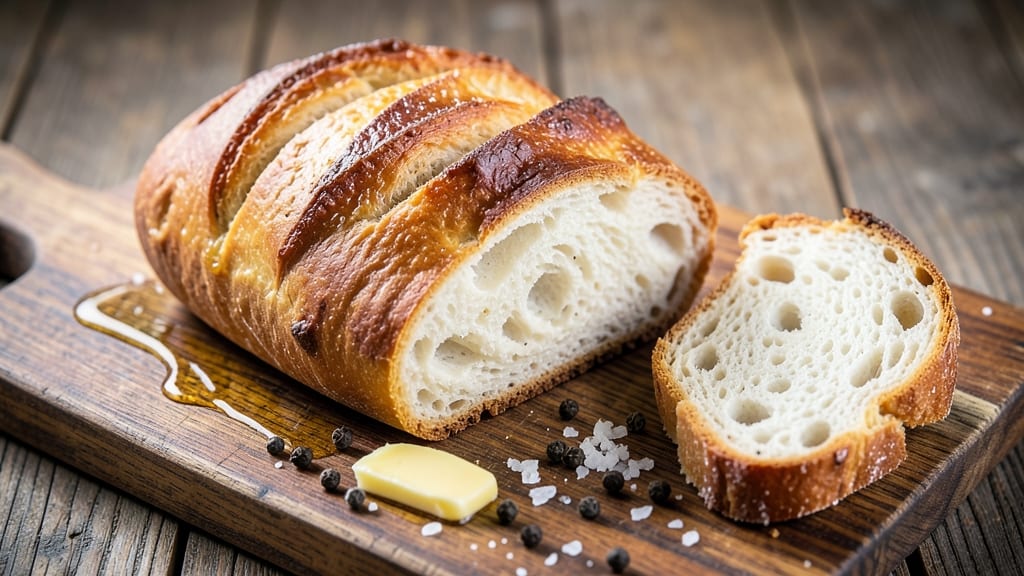
This Nigerian bread recipe delivers the fluffy, soft loaf that makes every meal feel like a celebration—just like the agege bread you crave from local bakeries. The secret lies in precise dough preparation and a foolproof proofing technique that guarantees a perfect rise every time.
I’ve perfected this method after years of baking, and it’s the one my family insists on for special occasions. 💛
What sets this recipe apart is the balance of ingredients—just enough sugar for subtle sweetness, yeast for that signature lightness, and a touch of butter for richness without overpowering the flavor.
The dough rests twice, which develops gluten for a tender crumb and ensures that golden-brown crust you love. No special equipment is needed, just patience and attention to detail.
By the time your loaf emerges from the oven, you’ll have a perfectly risen bread with a crispy exterior and a soft, airy interior that melts in your mouth. It’s the kind of bread that pairs beautifully with soups, stews, or simply butter—so good you’ll want to bake it weekly.
The aroma alone will have everyone asking what’s for dinner.
Whether you’re making it for a family gathering or a quiet Sunday breakfast, this recipe scales effortlessly. Once you master the technique, you’ll never buy store-bought again. Let’s get started on baking bread that tastes like home.
Ingredients for nigerian bread
Nine simple ingredients transform into the fluffy, golden loaf you crave from Nigerian bakeries.
| Ingredient | Amount | Notes |
|---|---|---|
| Active Dry Yeast 🍞 | 2 ¼ tsp | Freshly opened, room temperature |
| Warm Water 💧 | 1 cup | 110°F for yeast activation |
| All-Purpose Flour 🌾 | 5 cups | Bread flour preferred for structure |
| Granulated Sugar 🍚 | ¼ cup | White or brown for subtle sweetness |
| Salt 🧂 | 1 ½ tsp | Fine sea salt for even distribution |
| Unsalted Butter 🧈 | ½ cup | Softened, full-fat for richness |
| Large Eggs 🥚 | 1 whole | Room temperature for even mixing |
| Milk 🥛 | ¼ cup | Warm for better dough elasticity |
| Vegetable Oil 🫒 | 2 tbsp | For greasing bowl and pan |
The yeast is non-negotiable here—Fleischmann's or Saf-Instant work best, but check the expiration date. I always buy mine from Whole Foods or the bulk section at Kroger—it stays fresher longer. For the flour, King Arthur Bread Flour gives that signature tender crumb, but all-purpose in a pinch works too (just expect slightly denser bread). The butter? Land O'Lakes unsalted is my go-to—full-fat makes all the difference. Pro tip: Let your butter, eggs, and milk sit out for 30 minutes before mixing. That small step makes the dough smoother and easier to handle.
No bread flour? All-purpose plus 1 tbsp vital wheat gluten mimics the texture. Ran out of butter? Coconut oil at the same amount keeps the richness, though it adds a subtle coconut note. The milk can be swapped for water plus 1 tsp powdered milk if you're out. Sugar substitutes? Honey or maple syrup at half the amount works, but the bread will have a slightly different texture. And if you're making this for a crowd, double the recipe—just use two 9x5-inch pans (or one 9x13-inch) for even baking. The dough will be sticky, so don't fight it—wet your hands if needed.
This dough needs time—2 hours total resting. First proof it until doubled (about 1 hour), then shape, let it rest another 30 minutes before baking. Store leftovers wrapped at room temperature for 3 days or freeze for 3 months. I slice mine before freezing—just thaw at room temp for 20 minutes. For reheating, wrap slices in a damp towel and microwave for 10 seconds. Trust me, it's better than day-old bread.
Why You'll Love This Recipe
- No-Fuss Dough: Mixing this dough is that easy—just yeast, water, and flour. No fancy kneading, no waiting forever; the yeast does the work while you sip tea or scroll through your phone. Honestly, I’ve made it while half-asleep and still ended up with perfect loaves.
- Sweet & Soft Magic: That little pinch of sugar isn’t just for flavor—it keeps the bread ridiculously tender with a subtle sweetness that pairs perfectly with stews or spreads. The salt balances it just right, so every bite feels like a hug from your favorite home cook.
- Weeknight Hero: Freeze half the dough before shaping, and boom—you’ve got fresh bread for days. Toss it in the oven straight from frozen, or pull it out for a quick breakfast toast when you’re running late. (Yes, even on a Tuesday night.)
- Budget Stretch: One bag of flour makes six loaves, and the ingredients cost pennies. Serve it with beans, eggs, or jam—it’s the ultimate blank canvas for whatever’s in your pantry. Between us, this is how I feed my whole family without breaking the bank.
Step-by-step instructions for Nigerian bread
Here's how to make a light, airy loaf with a tender crumb and golden crust—just like the classic.
👨🍳 Step 1: Activate the Yeast for Maximum Rise
In a small bowl, combine the 1 cup warm water (110°F) with the 0.25 cup granulated sugar and 2.25 tsp active dry yeast. Stir gently and let sit for 5-10 minutes until frothy. You'll see bubbles forming—that's your yeast waking up and getting ready to work.
If nothing happens after 10 minutes, your yeast might be dead. Start fresh with a new packet. This step is crucial because active yeast creates the bread's signature lightness. I always test mine first to avoid flat loaves later.
👨🍳 Step 2: Mix the Dough Until Smooth
In a large mixing bowl, whisk together the 5 cups all-purpose flour and 1.5 tsp salt. Make a well in the center and pour in the yeast mixture, 1 whole large egg, 0.25 cup milk, and 0.5 cup softened unsalted butter. Mix with a wooden spoon until a shaggy dough forms.
Switch to your hands and knead the dough for 8-10 minutes on a lightly floured surface until smooth and elastic. You'll know it's ready when it springs back when poked. If it feels sticky, add flour 1 tablespoon at a time—but don't overdo it or your bread will be dense.
🥘 Step 3: Let the Dough Rise Twice for Perfect Texture
Place the dough in a greased bowl (use 1 tbsp vegetable oil to coat), cover with a damp towel, and let rise in a warm place for 1-2 hours until doubled in size. I like to put it near the oven with the light on for consistent warmth. Poke the dough gently—if it springs back slowly, it's ready.
Punch down the dough and shape it into a round loaf. Place it in a greased 9x5-inch loaf pan (use the remaining 1 tbsp vegetable oil to grease). Cover again and let rise for another 30-45 minutes until just above the pan's rim. This second rise creates that signature soft, pillowy texture.
🔥 Step 4: Bake Until Golden and Hollow-Sounding
Preheat your oven to 375°F. Bake the loaf for 25-30 minutes until the top is golden brown and sounds hollow when tapped. The internal temperature should reach 190°F—this ensures it's fully cooked through.
Here's the trick: Brush the top with a little milk right after removing from the oven. This creates that beautiful sheen and keeps the crust tender. Let the bread cool in the pan for 10 minutes, then transfer to a wire rack to finish cooling completely.
⏰ Step 5: Slice and Serve for Maximum Freshness
Wait at least 30 minutes before slicing—this lets the crumb set properly. You'll get 4 perfect slices from this loaf, each with a soft, fluffy interior and slightly crisp edges. Store leftovers in an airtight container for up to 3 days or freeze for longer storage.
The secret to this bread is patience—don't rush the rising times. That extra time develops the gluten properly, giving you that light, airy texture that makes every bite worth it. Enjoy with your favorite spread or as a side to any meal!
Pro Tips For Making Nigerian Bread
- Check Yeast Freshness First: Dump that half-empty yeast packet into warm water with a pinch of sugar—if it doesn’t foam within 5 minutes, toss it. I learned this the hard way after baking three batches with sluggish yeast that made my dough rise like a sad soufflé.
- Mix Flour Last: Combine yeast, water, sugar, and salt first—let it bubble for 10 minutes before adding flour. This ensures yeast activation before the dough gets too thick, saving you from kneading a stubborn, underproofed mess.
- Knead Until Silky: Nigerian bread dough needs 8-10 minutes of vigorous kneading by hand (or 5-6 minutes in a stand mixer) until it’s smooth and springs back when poked. Skimp here, and your bread turns out dense—like a brick with a sad soul.
- Rest Dough Properly: After kneading, let the dough rise in a lightly oiled bowl until it doubles—about 1-1.5 hours in a warm spot (like a turned-off oven with a cup of boiling water). Cold kitchen? Use a microwave with a bowl of hot water for 2 minutes to speed things up.
Best sauces and condiments for nigerian bread
Classic Nigerian Pepper Sauce
No Nigerian bread is complete without a side of spicy red pepper sauce. I recommend using 2-3 tablespoons of Scotch bonnet or habanero peppers blended with 1 cup tomato paste, 1 tsp smoked paprika, 1 tsp garlic powder, and ½ cup water.
Simmer for 10 minutes until thickened. For extra depth, add 1 tbsp palm oil at the end—it adds richness and balances the heat. 🌶️
Sweet Coconut Butter Spread
For a sweeter pairing, try coconut butter spread. Mix ½ cup coconut butter with 2 tbsp honey and 1 tsp vanilla extract until smooth. Spread this on warm bread slices for a tropical twist that complements the bread's soft texture. This works especially well for breakfast or dessert-style servings.
Garlic and Ginger Oil
Infuse ½ cup vegetable oil with 3 minced garlic cloves and 1 tbsp grated ginger in a small saucepan. Heat on low for 5 minutes, then strain. Drizzle this fragrant oil over sliced bread for a savory kick that pairs perfectly with soups or stews.
Store leftovers in an airtight container for up to 2 weeks.
Spiced Yogurt Dip
Whisk together 1 cup plain yogurt with 1 tsp ground cumin, ½ tsp turmeric, and salt to taste. This cooling dip cuts through the bread's richness while adding a tangy contrast.
Garnish with chopped cilantro or mint for freshness. It’s a staple in Nigerian households and works wonders with warm bread.
Palm Oil and Locust Bean Paste
For a traditional touch, blend ½ cup roasted locust bean paste (iru) with 2 tbsp palm oil and 1 tsp ground peanuts. This umami-rich spread is a classic pairing for Nigerian bread, especially with egusi soup or jollof rice. The earthy flavors complement the bread’s softness beautifully.
Sweetened Condensed Milk Glaze
Warm ¼ cup sweetened condensed milk in a small saucepan until it coats the back of a spoon. Drizzle this over freshly baked bread slices for a caramelized sweetness.
This is a favorite in Nigerian households for breakfast or as a dessert treat. The contrast of sweet and soft makes it irresistible. 💛
Nutrition facts
Frequently asked questions
What type of bread is this Nigerian recipe making?
This is a classic agege bread recipe—the soft, fluffy loaf you'll find in Nigerian bakeries. It's different from puff-puff (a fried dough ball) or chapman bread (a denser, slightly sweet version). The key is the double-rise technique that creates that signature tender crumb and light texture.
Can I substitute bread flour with all-purpose flour?
Yes, you can use all-purpose flour, but your bread will be slightly denser. For best results, add 1 tablespoon vital wheat gluten per 5 cups flour to mimic bread flour's protein structure. The gluten helps create that signature light, airy texture. If you're in a pinch, just use all-purpose—it'll still taste great!
Why does my dough keep sticking to my hands?
Sticky dough is normal with this recipe! The high fat content (butter and oil) makes it naturally tacky. Wet your hands with water before handling, or dust with a tiny bit of flour only where needed. Over-flouring can make the bread dense, so resist the urge to add too much. The dough should feel soft but manageable.
How do I know when the bread is fully baked?
Look for three signs: the top should be golden brown, it should sound hollow when tapped on the bottom, and the internal temperature should reach 190°F (use a meat thermometer). If you're unsure, bake for 5 more minutes—underbaking is worse than overbaking for this bread type.
Can I make this bread without an oven?
Yes! For a stovetop version, shape the dough into a ball and cook in a heavy skillet with 1 inch of oil over medium heat for 15-20 minutes, turning occasionally, until golden. This creates a slightly crispy exterior with soft inside—similar to puff-puff but in loaf form.