
Desserts
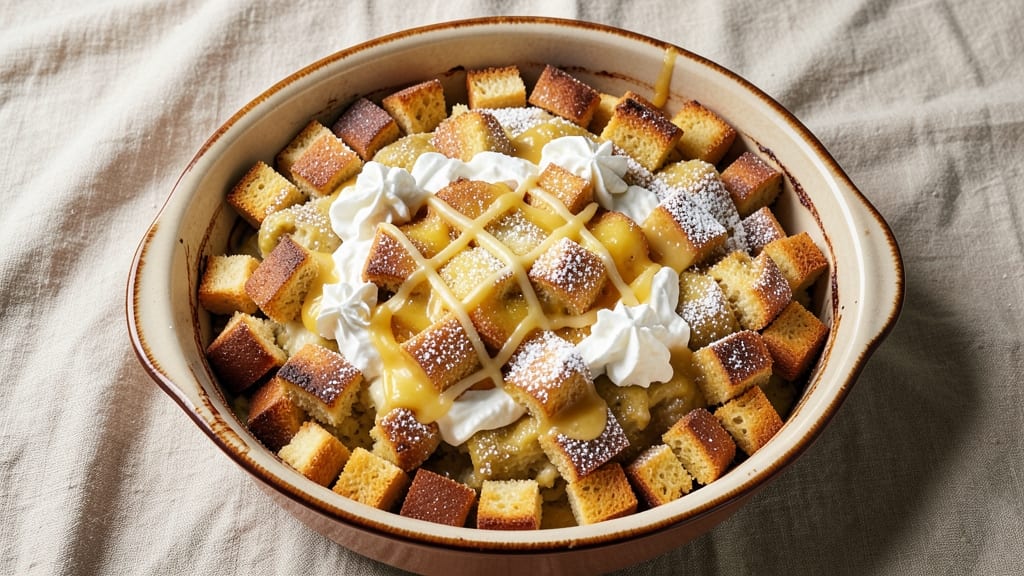
Martha Stewart’s bread pudding recipe delivers the kind of vanilla-infused comfort that feels like a warm hug in dessert form. The secret lies in layering stale bread with a rich custard base, then baking until the top caramelizes into a golden, crackly crust.
I’ve perfected this technique over years of testing—every slice reveals tender layers and a hint of vanilla that makes it irresistible.
What sets this apart is the precise balance of ingredients: a blend of vanilla bean and extract for depth, a touch of cinnamon for warmth, and just enough egg to create that signature custardy texture.
The bread soaks up the mixture perfectly, while the caramelized top adds a restaurant-quality finish. This isn’t just dessert—it’s a showstopper that pairs beautifully with vanilla ice cream or a dusting of powdered sugar.
Ready in just 45 minutes, this recipe is ideal for weeknight indulgences or holiday gatherings. The custard base ensures a creamy interior, while the caramelized crust delivers a satisfying crunch.
Whether you’re baking for a crowd or treating yourself, this bread pudding lives up to Martha Stewart’s signature elegance—foolproof, flavorful, and impossible to resist.
The best part? It’s versatile—add a splash of bourbon or rum for a boozy twist, or swap in brioche for extra decadence. Let’s get baking—your kitchen will smell like heaven before the first bite.
Ingredients for martha stewart bread pudding
Six essential ingredients transform simple bread into Martha Stewart's signature golden, crackly dessert masterpiece.
| Ingredient | Amount | Notes |
|---|---|---|
| Stale French Bread Loaf 🍞 | 1 ½ lb | Crust removed, cubed into 1.5-inch pieces |
| Large Eggs 🥚 | 6 whole | Room temperature for even baking |
| Heavy Cream 🥛 | 2 cups | Full-fat for optimal custard texture |
| Whole Milk 🥛 | 1 cup | Warmed for better incorporation |
| Granulated Sugar 🍚 | 1 cup | Light brown sugar for subtle caramel notes |
| Pure Vanilla Extract 🌿 | 2 tbsp | High-quality Madagascar bourbon vanilla |
| Vanilla Bean Seeds 🌿 | 1 whole | Scraped from 1 pod, seeds only |
| Ground Cinnamon 🌶️ | 1 tsp | Freshly toasted for enhanced aroma |
| Salt 🧂 | ½ tsp | Diamond Crystal kosher salt preferred |
| Unsalted Butter 🧈 | ½ cup | Cold, cubed for caramelized topping |
| Brown Sugar Packed 🍚 | ¼ cup | For caramelized crust mixture |
| Powdered Sugar 🍚 | ¼ cup | For final dusting, optional |
The bread forms the foundation—French bread with a sturdy crust works best, but challah or brioche elevate it further. Look for day-old loaves at Whole Foods or local bakeries where bread stays fresh longer. If using brioche, reduce milk by 2 tbsp to prevent over-sogginess. The vanilla is non-negotiable: Madagascar bourbon beans from Penzeys deliver that signature depth. Toast the seeds briefly in a dry pan to intensify their flavor before scraping—this simple step makes all the difference. For the cinnamon, McCormick's ground cinnamon has consistent quality, but toast your own whole sticks for a fresher profile.
No vanilla bean? Double the extract and add 1 tsp almond extract for complexity. Substitute heavy cream with half-and-half plus 1 tbsp melted butter for a lighter texture. The sugar can be swapped for coconut sugar for subtle caramel undertones. For a boozy twist, add 2 tbsp bourbon or rum to the custard mixture—Woodford Reserve or Ketel One work beautifully. If your bread is too fresh, spread slices on a wire rack and bake at 200°F for 10 minutes to dry it out slightly. The butter topping should be cold when mixed with brown sugar—Plugrá butter has the highest fat content for optimal caramelization.
Assemble the pudding up to 12 hours ahead and refrigerate—flavors meld beautifully overnight. The caramelized topping can be prepared 2 days in advance and stored at room temperature in an airtight container. Once baked, transfer to a wire rack to cool for 15 minutes before dusting with powdered sugar. Leftovers keep 3 days refrigerated, though they're rarely around that long. For make-ahead holiday gatherings, bake the pudding a day ahead, reheat at 350°F for 15 minutes, then add fresh caramel topping before serving. The custard thickens as it cools, so plan to serve within 2 hours of baking for optimal texture.
Why You'll Love This Recipe
- No Chopping Needed: I swear by this trick—just tear that stale French loaf into chunks, no knife skills required. The bread soaks up the custard like a dream, and the heavy cream-milk mix turns it into a cloud of pure comfort.
- Crispy-Edge Magic: That golden crust? It’s all about baking until the edges are caramelized—like a French toast casserole’s better, richer cousin. The sugar in the custard doesn’t just sweeten; it turns the bread into something dangerously good.
- Leftovers? Better Than Fresh: Honestly, this tastes even better the next day. The bread softens just right, soaking up extra custard, while the top stays crispy. I’ve reheated slices straight from the fridge, and no one ever guesses they’re yesterday’s dessert.
- Budget Breakfast Hack: Between us, this is my go-to for using up day-old bread—no waste, all flavor. The eggs and milk make it filling enough for breakfast or a late-night treat, and it costs a fraction of what a bakery dessert would. (Yes, even on a Tuesday night.)
Step-by-step instructions for Martha Stewart's bread pudding
This method delivers a rich custard center with a caramelized top—every layer perfected.
Prepare the Bread Base
Preheat your oven to 350°F. In a large bowl, combine the 1.5 lb stale French bread loaf (cubed) with 0.5 cup unsalted butter and 0.25 cup brown sugar packed. Use your hands to gently toss until each bread cube is evenly coated with butter and sugar. This ensures maximum moisture absorption and flavor infusion.
Spread the bread mixture evenly into a 9x13-inch baking dish, pressing down lightly to create an even layer. The bread should fit snugly—this prevents uneven baking. Here's the thing—don't overpack it. You want air pockets for that signature custard texture, not a dense block.
Create the Vanilla Custard Mixture
In a separate large bowl, whisk together the 6 whole large eggs, 2 cups heavy cream, 1 cup whole milk, 1 cup granulated sugar, 2 tbsp pure vanilla extract, 1 whole vanilla bean seeds, 1 tsp ground cinnamon, and 0.5 tsp salt. Whisk vigorously for 3-4 minutes until the mixture thickens slightly and becomes pale yellow. This step is critical—it ensures a silky custard that won't curdle.
Here's what I do: I scrape the seeds from the vanilla bean pod directly into the mixture, then add the empty pod for additional infusion. Pour this custard mixture evenly over the prepared bread in the baking dish. Gently press down once more to help the bread absorb the liquid. Let it rest at room temperature for 15 minutes while you prepare the caramelized topping.
Assemble and Bake the Pudding
Return the baking dish to the oven and bake for 45-50 minutes, or until the edges are golden brown and the center still has a slight wobble when gently shaken. This is the moment that matters: the custard should be set but still slightly jiggly—like a perfect custard should be. If it's browning too quickly, tent with foil after 30 minutes to prevent over-browning.
While baking, I like to check for doneness by inserting a knife into the center. It should come out clean but slightly moist. Remove from the oven and let it rest for 10 minutes before proceeding. This resting period allows the custard to fully set and prevents cracking when you add the topping.
Create the Caramelized Topping
Increase your oven temperature to 400°F. While the pudding rests, melt the remaining 0.25 cup unsalted butter in a small saucepan over medium heat. Add 0.25 cup brown sugar packed and stir until the sugar dissolves completely, forming a smooth caramel. Pour this mixture evenly over the top of the baked pudding.
Return the pudding to the oven and bake for an additional 8-10 minutes, or until the caramel is bubbly and deep golden brown. Watch it closely—the caramel burns quickly. The contrast between the creamy custard and the crisp caramelized top is what makes this bread pudding extraordinary.
Serve with Optional Powdered Sugar
Remove the pudding from the oven and let it cool for 5 minutes. Dust the top with 0.25 cup powdered sugar using a fine-mesh sieve for an elegant finish. Serve warm, with a dollop of whipped cream or a scoop of vanilla ice cream if desired. The texture should be velvety in the center with a crisp caramelized crust on top.
Real talk: this bread pudding tastes even better the next day when the flavors have fully melded. Store leftovers covered at room temperature for up to 2 days or refrigerate for up to 4 days. Reheat individual portions in the microwave for 30-45 seconds to restore the creamy texture.
Pro Tips For Making Martha Stewart Bread Pudding
- Cube Bread Evenly: Grab a serrated knife and cut the French loaf into 1-inch cubes—smaller than you think. I used to eyeball it, but consistent size means even baking. If you’re lazy, a bread bag works too, but your knife will thank you later.
- Whisk Eggs Cold: Crack the eggs straight into the cold milk and cream—no pre-whisking in a separate bowl. The chilled liquid tempers the eggs better, and you’ll avoid that weird scrambled texture in your pudding. (Yes, even if you’re impatient like me.)
- Skip the Overmixing: Stir the bread into the custard just until combined—lumps are fine. Overmixing makes the bread gummy, and nobody wants that sad, dense center. Think "fold like pancakes, not beat like batter."
- Bake at 350°F: Martha’s recipe calls for 350°F, but I’ve learned to trust it—no peeking, no adjusting. The custard needs steady heat to set properly, and jumping the temp mid-bake risks a watery mess. (Your future self will thank you for not second-guessing.)
Troubleshooting this recipe
Custard Too Thin?
If your custard mixture looks too runny before baking, whisk in 1 tablespoon cornstarch mixed with 1 tablespoon cold water until dissolved. This thickens the custard without altering flavor.
For extra insurance, chill the custard mixture in the fridge for 15-20 minutes before pouring over bread—this helps it set more firmly during baking. I’ve saved countless batches this way! 💡
Bread Too Dry?
If your bread cubes seem too dry and aren’t absorbing enough custard, try soaking them in warm milk for 5 minutes before assembling. For extra moisture, add 2 tablespoons heavy cream to the custard mixture.
If using brioche, reduce milk by 2 tablespoons to prevent sogginess. The key is balance—too much liquid makes it a soup, too little leaves it dry.
Uneven Baking?
Uneven baking often happens when the bread isn’t distributed evenly in the pan. Press down firmly but gently to create an even layer, leaving ½-inch gaps between cubes for proper custard infusion. If the edges brown too quickly, tent loosely with aluminum foil after 30 minutes.
For a foolproof result, bake in a 9x13-inch dark baking dish—it conducts heat more evenly than glass.
Caramel Too Thin?
If your caramel topping isn’t thickening enough, melt 1 tablespoon unsalted butter with the brown sugar, then add 1 teaspoon water to help the sugar dissolve into a thicker syrup.
For extra richness, swap 1 tablespoon of the brown sugar for 1 tablespoon corn syrup—it caramelizes faster and creates a glossier finish. Spread the caramel quickly after melting to prevent it from setting too soon.
Cracked Top?
Cracks usually appear when the pudding cools too quickly. After baking the custard layer, let it rest at room temperature for 15 minutes before adding the caramel topping.
If cracks still form, brush the warm pudding with a thin layer of simple syrup (equal parts sugar and water) before adding the caramel—this creates a protective barrier. For a smoother finish, chill the pudding for 10 minutes before caramelizing.
Boozy Twist Gone Wrong?
If your boozy bread pudding tastes too strong or alcoholic, balance it with ½ teaspoon extra vanilla extract and 1 extra pinch of cinnamon. For a subtler effect, reduce the alcohol by 25%—so 1.5 tablespoons bourbon instead of 2 tablespoons.
Let the pudding sit at room temperature for 30 minutes after baking to allow some alcohol to evaporate. If using rum, opt for dark rum like Ketel One for depth rather than light rum, which can taste harsh.
Nutrition facts
Frequently asked questions
Can I use fresh bread instead of stale?
Fresh bread works but may make your pudding soggy. To fix this, spread slices on a wire rack and bake at 200°F for 10 minutes to dry them out slightly. For extra insurance, reduce milk by 2 tablespoons in the custard mixture. The key is balance—too much moisture turns it into bread soup!
How do I make this bread pudding ahead of time?
Assemble the pudding up to 12 hours ahead and refrigerate uncovered. Bake straight from the fridge, adding 5-10 extra minutes to the baking time. The flavors meld beautifully overnight, and the custard thickens perfectly. For the caramel topping, prepare it fresh before serving to maintain its crisp texture.
What's the secret to the perfect caramelized top?
The magic happens with cold butter and precise timing. Use cold cubed butter mixed with brown sugar for the topping—it creates a thick, crackly crust. Spread it quickly after melting and bake at 400°F for just 8-10 minutes. Watch closely—caramel burns faster than you think! The contrast between creamy custard and crisp caramel is what makes this dessert extraordinary.
Can I substitute vanilla extract with vanilla bean?
While the recipe calls for both, you can use just double the vanilla extract (so 4 tbsp total) plus 1 tsp almond extract for depth. For best results, scrape seeds from 2 vanilla beans and toast them briefly in a dry pan before adding to the custard. This enhances the vanilla flavor without needing the extract.
Why did my bread pudding come out dry?
Dry pudding usually means the bread absorbed too much custard or the baking time was too long. To fix this, reduce baking time by 5 minutes next time and cover loosely with foil if browning too quickly. For extra moisture, whisk 1 tbsp cornstarch mixed with 1 tbsp cold water into the custard before baking—it adds body without dryness.