
Side Dishes
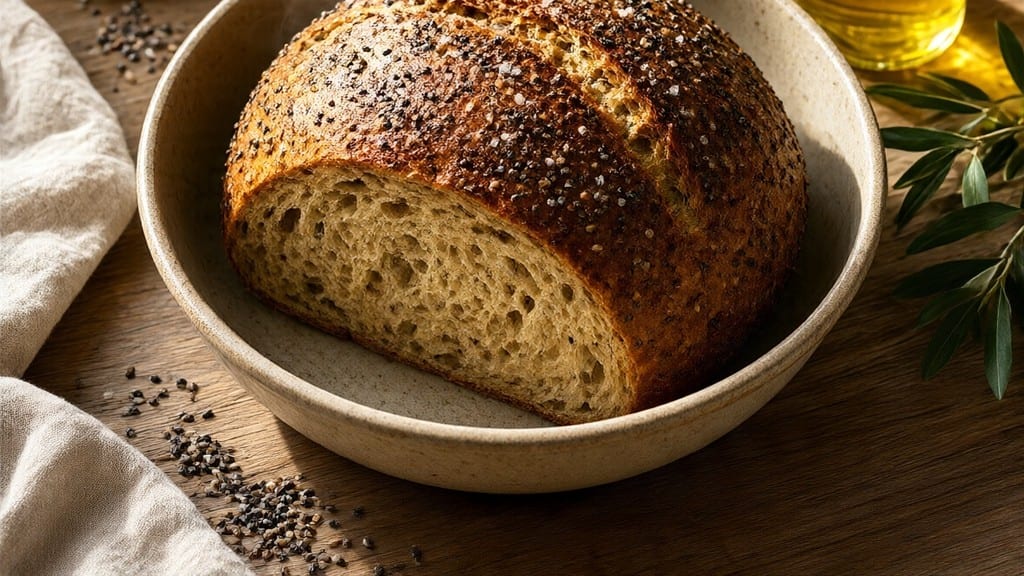
This linseed bread recipe transforms simple ingredients into a hearty, nutty loaf with a crisp crust and chewy interior infused with flaxseed goodness. The linseeds provide a satisfying texture and boost of omega-3s, making this bread both nourishing and delicious.
I developed this recipe after years of perfecting vegan baking techniques that deliver restaurant-quality results at home.
The beauty of linseed bread lies in its versatility and simplicity—just six core ingredients come together to create a loaf that's perfect for sandwiches, toast, or serving alongside soups. The linseeds absorb moisture during mixing, creating a tender crumb while contributing that signature nutty flavor.
Baking at 375°F for 35-40 minutes yields a golden-brown crust with an aromatic interior that's impossible to resist.
What sets this recipe apart is how the linseeds elevate both texture and nutrition. The bread develops a satisfying chewiness while staying light enough to hold fillings beautifully.
For added depth, consider substituting up to 25% of the all-purpose flour with whole wheat or adding extra seeds like sunflower or pumpkin. The possibilities for customization make this a bread you'll want to bake again and again.
This linseed bread recipe proves that vegan baking doesn't require compromise—it delivers rich flavor, satisfying texture, and nutritional benefits without any animal products. Perfect for breakfast, lunch, or snacking, this loaf will quickly become a staple in your kitchen.
Let's get started with the ingredients and instructions that bring this nutty masterpiece to life.
Ingredients for linseed bread
Six simple ingredients transform into a nutty, omega-rich loaf with satisfying chew and golden crust.
| Ingredient | Amount | Notes |
|---|---|---|
| Ground Linseeds 🌰 | 1 ½ cups | Brown or golden, freshly ground preferred |
| All-Purpose Flour 🌾 | 4 cups | Unbleached preferred for better texture |
| Active Dry Yeast 🍞 | 2 ¼ tsp | Fresh yeast preferred for reliability |
| Granulated Sugar 🍚 | 2 tbsp | Organic preferred for cleaner flavor |
| Unsalted Vegetable Oil 🫒 | ¼ cup | Light or canola preferred |
| Warm Water 💧 | 1 ¼ cups | 110°F-115°F for optimal yeast activation |
| Diamond Crystal Kosher Salt 🧂 | 2 tsp | Fine grain preferred for even distribution |
| Sunflower Seeds 🌻 | ½ cup | Optional for added crunch and nutrition |
The linseeds are the heart of this recipe—golden or brown varieties work best, though brown offers deeper flavor. Bulk bins at Whole Foods or Bob's Red Mill brands provide the freshest grind. For optimal texture, grind them yourself if possible; pre-ground linseeds lose their crispness. The yeast should be fresh, not expired—test it in warm water with sugar to confirm activation within 5-10 minutes. Sunflower seeds add extra crunch but aren't mandatory; their nutty profile complements the linseeds beautifully.
No sunflower seeds? Pumpkin seeds or sesame seeds work equally well, though flavor profiles differ. Substituting whole wheat flour requires reducing liquid by 2 tbsp to maintain proper dough consistency. For a sweeter loaf, increase sugar to 3 tbsp—though the linseeds provide natural sweetness. The oil can be swapped for melted coconut oil, though it imparts a slight coconut flavor. Diamond Crystal salt is preferred for its fine grain; Morton's kosher salt requires adjusting to 1.5 tsp due to its coarser texture.
Freshly ground linseeds keep in an airtight container for 3 months at room temperature, while pre-ground lasts only 1 month. The dough rises best in a warm (75°F) environment—place near the oven with the light on for consistent results. Wrap the baked loaf in a clean kitchen towel and store at room temperature for 3 days or freeze for 3 months for long-term preservation. For extra crispiness, reheat slices in a 350°F oven for 5 minutes before serving.
Why You'll Love This Recipe
- No-Fuss Mixing: I swear by this dough—just toss the ground linseeds into warm water first, let them bloom like magic, then fold everything into flour. No stand mixer required, and the yeast activates while you’re still measuring.
- Nutty Crust Perfection: That toasted linseed crust? It’s the star. The seeds add a subtle earthy crunch, while the sugar caramelizes just enough to give every bite a hint of sweetness—like a buttery baguette with a secret.
- Weeknight Wonder: Slice it fresh for breakfast, pack it for lunch, or serve it warm with soup. The oil keeps it moist for days, and honestly? I’ve had it cold, toasted, and even as a quick sandwich base—it never lets me down.
- Budget-Friendly Staple: Linseeds bulk up the dough without breaking the bank, and a single batch stretches across meals. Between us, this is my go-to when I’m tired of pricier artisanal bread—same satisfaction, way cheaper.
Step-by-step instructions for linseed bread
This method delivers a rustic loaf with a crisp nutty crust and tender, seed-speckled interior every time.
Activate the Yeast for Maximum Rise
In a small bowl, combine the 1.25 cups warm water (between 110°F-115°F) with the 2 tbsp granulated sugar and 2.25 tsp active dry yeast. Let this mixture sit for 5-10 minutes until it becomes frothy and bubbles form on the surface. This indicates the yeast is active and ready to work.
I always check the water temperature first with my finger—it should feel pleasantly warm but not hot. If the mixture doesn't bubble within 10 minutes, your yeast may be inactive, and you'll need to start fresh with fresh yeast. The sugar helps accelerate this process by providing food for the yeast to consume.
Mix the Dough with Ground Linseeds and Oil
In a large mixing bowl, whisk together the 4 cups all-purpose flour and 2 tsp diamond crystal kosher salt. Make a well in the center and add the yeast mixture along with the 0.25 cup unsalted vegetable oil. The oil helps create a tender crumb while preventing the dough from becoming too dry.
Gradually incorporate the 1.5 cups ground linseeds while mixing with a wooden spoon or dough whisk. The linseeds will give the bread its distinctive nutty flavor and dense texture. Once combined, use your hands to knead the dough on a lightly floured surface for 8-10 minutes until smooth and elastic. The dough should feel slightly tacky but not sticky—add more flour if needed.
First Rise for Optimal Flavor Development
Place the dough in a lightly oiled bowl, cover with a damp kitchen towel, and let it rise in a warm place for 1-1.5 hours. The dough should nearly double in size and feel light when pressed gently. I like to place my oven light on for 5 minutes before rising to create a warm environment without overheating the dough.
During this time, the yeast will ferment the sugars, producing carbon dioxide bubbles that create the bread's airy structure. If the dough rises too quickly, it may collapse—this is normal. For best results, perform this rise at room temperature (70°F-75°F). If your kitchen is cold, extend the rising time to 2 hours to allow proper fermentation.
Shape and Second Rise for Structure
Punch down the risen dough to release excess air, then turn it out onto a lightly floured surface. Gently shape it into a round loaf (boule) or oval shape, tucking the edges under as you go. The goal is to create surface tension that will help the bread hold its shape during baking.
Place the shaped dough on a parchment-lined baking sheet, cover again, and let it rise for another 30-45 minutes until it has visibly expanded. For added texture, sprinkle the 0.5 cup sunflower seeds evenly over the top just before baking. These seeds will toast beautifully and add a delightful crunch to the crust.
Bake for Crisp Crust and Tender Crumb
Preheat your oven to 375°F with a Dutch oven inside for 30 minutes. This creates steam, which is crucial for developing that signature crisp crust. Carefully transfer the dough (with parchment) into the hot Dutch oven, cover, and bake for 30 minutes. Remove the lid and continue baking for an additional 10-15 minutes until the bread is deep golden brown.
The internal temperature should reach 190°F-200°F when measured with an instant-read thermometer. Let the bread cool on a wire rack for at least 30 minutes before slicing—this allows the crumb to set properly. The cooled loaf will have a nutty aroma from the linseeds and a satisfying chewiness that makes every slice worth the wait.
Pro Tips For Making Linseed Bread
- Bloom the Yeast First: Skip mixing dry yeast straight into the flour—it’s a surefire way to underproof your bread. Instead, dissolve the yeast and sugar in warm (not hot) water with a pinch of oil for 5–10 minutes until frothy. This guarantees your dough rises properly, especially when you’re adding dense linseeds that can weigh it down.
- Toast the Linseeds: Raw linseeds can make your bread taste bitter and gummy. Toast them in a dry pan over medium heat for 3–5 minutes, stirring constantly, until they’re golden and smell nutty. Let them cool completely before grinding—this step makes all the difference in texture and flavor.
- Knead Until Smooth: Linseeds add bulk, so resist the urge to rush the kneading. Work the dough for at least 8–10 minutes by hand (or 5 minutes with a mixer) until it’s elastic and pulls away from the bowl. Overmixing? No—this dough needs the time to develop gluten properly to handle the seeds without collapsing.
- Oil the Loaf Pan: Linseed bread sticks to pans like glue, especially if you’re using a metal one. Brush the pan generously with vegetable oil before adding the dough, then dust with a light coating of flour. This ensures easy removal and a clean crust—no scrubbing required when it’s done.
Wine and beer pairings for these flavors
White Wine Pairings
For linseed bread's nutty, earthy profile, I reach for crisp white wines with enough acidity to balance the richness. A dry Riesling from Germany—like Dr. Loosen Blue Slate—cuts through the linseeds' density with its citrus and mineral notes.
The slight sweetness in off-dry Rieslings also complements the bread's subtle sweetness without overpowering it. 🍷
Dry Sparkling Wine
A glass of Prosecco or Cava elevates this bread like nothing else. The effervescence cleanses your palate between bites, while the wine's almond and apple flavors mirror the linseeds' nuttiness.
I love pairing it with La Marca Prosecco—its bright acidity and green apple notes create perfect harmony. The bubbles also make it feel special enough for weekend brunches.
Light Beer Options
For beer lovers, a wheat beer or Belgian witbier works beautifully. Allagash White with its coriander and orange peel notes complements the linseeds' earthiness, while Hoegaarden adds a refreshing citrus contrast.
Avoid heavy lagers or stouts—they'll make the bread taste too dense. A cold glass of Blue Moon also adds a nice effervescence to the pairing. 🍺
Red Wine for Contrast
If you prefer red, opt for a light-bodied Pinot Noir with bright fruit flavors. Meiomi Pinot Noir from California offers juicy cherry notes that stand up to the bread's nuttiness without overpowering it.
For a more elegant option, try a Pinot Grigio from Italy—its earthy undertones enhance the linseeds' natural flavors. Serve slightly chilled for best results.
Non-Alcoholic Pairings
Don't drink alcohol? No problem. A sparkling apple cider like Martinelli's adds festive bubbles and crisp apple flavors that complement the bread's texture. For something more herbal, hibiscus iced tea with a touch of honey provides a refreshing contrast to the linseeds' earthiness.
Both options keep the pairing light and refreshing. 💧
Nutrition facts
Frequently asked questions
Why does linseed bread have a chewy texture?
The ground linseeds absorb moisture during mixing, creating a dense yet tender crumb. The seeds also contribute natural gums that develop during baking, giving the bread its signature chewiness while maintaining a crisp crust. This texture makes it perfect for sandwiches where you want substance without dryness.
Can I make this recipe without a Dutch oven?
Yes! If you don't have a Dutch oven, bake the bread on a parchment-lined baking sheet. For a crispier crust, place the sheet in a cold oven, then turn on the heat to 375°F. Mist the dough with water before baking to create steam. The texture will be slightly less rustic but still delicious.
How do I store linseed bread to keep it fresh?
Wrap the cooled loaf tightly in a clean kitchen towel or plastic wrap, then place it in an airtight container. It stays fresh at room temperature for 3-4 days. For longer storage, freeze slices in a sealed bag for up to 3 months. Reheat frozen slices in a 350°F oven for 5 minutes for maximum crispiness.
What's the best way to substitute whole wheat flour?
Replace up to 25% of the all-purpose flour with whole wheat, but reduce the water by 2 tablespoons to maintain proper dough consistency. Whole wheat adds fiber and a nuttier flavor but may make the crust slightly denser. For best results, use a 50/50 blend of all-purpose and whole wheat flour.
Why did my linseed bread turn out dense instead of light?
Over-kneading or insufficient rising time are common causes. The dough should rise until nearly doubled (1-1.5 hours at 75°F). If your kitchen is cold, extend rising time to 2 hours. Also ensure your yeast is fresh—test it in warm water with sugar before mixing.