
Breakfast & Brunch
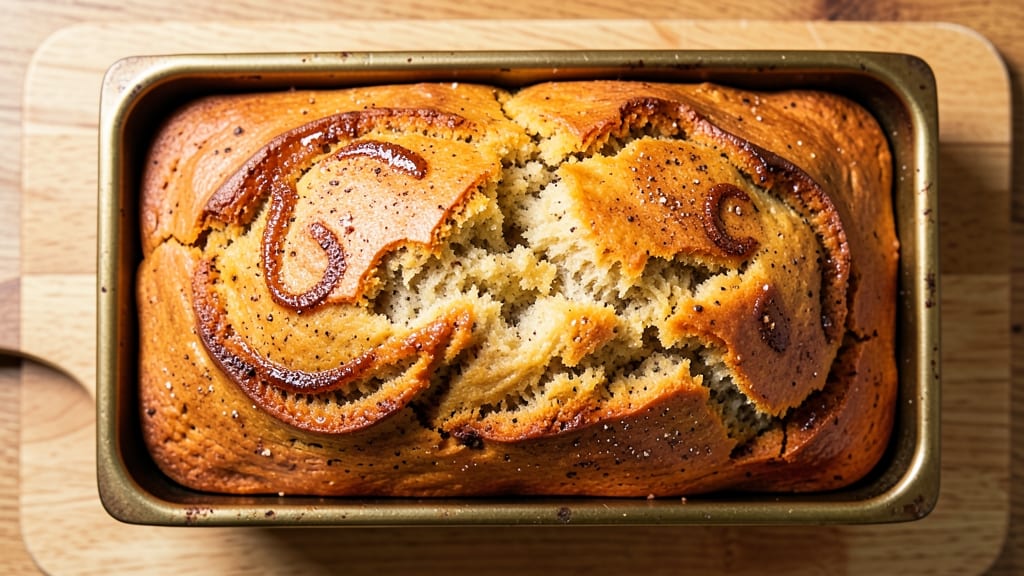
This Libby's canned pumpkin bread recipe delivers all the warmth and spice of homemade pumpkin bread without the time-consuming canning process. The secret to its signature moist texture lies in carefully balancing the pumpkin's natural moisture with precise baking techniques that prevent dryness.
I've perfected this recipe over years of testing—each batch emerges with a tender crumb and aromatic spices that make it a fall favorite.
What sets this recipe apart is its simplicity: just 9 ingredients, including pantry staples and Libby's canned pumpkin, which brings reliable flavor and convenience. The butter-cream method creates a fine crumb, while the cinnamon and nutmeg work together to deliver that classic pumpkin bread taste.
Baking at 350°F ensures even cooking, resulting in a loaf that stays moist for days when stored properly.
By the time you pull this bread from the oven, you'll have a spice-packed loaf with a golden crust and tender interior—perfectly balanced between sweet and aromatic. The pumpkin flavor shines through without overpowering, making it ideal for breakfast toast or afternoon coffee pairings.
Whether you're baking for a family gathering or treating yourself to a comforting slice, this recipe delivers professional-quality results every time.
For added indulgence, consider brushing the warm loaf with a simple honey glaze or dusting with powdered sugar. The versatility of this recipe means it works equally well as a standalone dessert or paired with morning beverages. Let's get baking—your kitchen will smell like autumn in minutes.
Ingredients for libby's canned pumpkin bread
Nine simple ingredients create this moist, spice-packed pumpkin bread using Libby's canned pumpkin.
| Ingredient | Amount | Notes |
|---|---|---|
| Libby's Canned Pumpkin 🎃 | 1 cup | Unsweetened, not pumpkin pie filling |
| All-Purpose Flour 🌾 | 1 ½ cups | Sifted for light texture |
| Granulated Sugar 🍚 | 1 cup | White or light brown |
| Packed Brown Sugar 🍚 | ½ cup | Lightly packed |
| Unsalted Butter 🧈 | ½ cup | Softened, room temperature |
| Large Eggs 🥚 | 2 whole | Room temperature preferred |
| Ground Cinnamon 🌿 | 2 tsp | Freshly ground preferred |
| Ground Nutmeg 🌿 | ½ tsp | Freshly grated nutmeg better |
| Ground Ginger 🌶️ | 1 tsp | Not powdered ginger |
| Baking Soda 🧪 | 1 tsp | Pure baking soda |
| Salt 🧂 | ½ tsp | Fine sea salt |
| Vanilla Extract 💧 | 1 tbsp | Pure vanilla preferred |
| Milk 🥛 | ½ cup | Whole milk preferred |
The canned pumpkin is the foundation—Libby's delivers consistent flavor and moisture without the hassle of fresh. Grab the plain pumpkin puree, not the pie filling, which has added spices. For the spices, Penzeys or local spice shops offer freshly ground options that make a noticeable difference. The butter should be softened but not melted—this ensures the right crumb texture. If you're short on time, use room temperature butter straight from the fridge, but let it sit for 30 minutes. The vanilla extract matters too—pure Madagascar bourbon vanilla elevates the flavor, but imitation works in a pinch.
No Libby's canned pumpkin? Pure Encapsulations or other reliable brands work just as well. Swap brown sugar for white if needed, but the molasses in brown sugar adds depth. Almond milk or oat milk can replace regular milk, though the texture may be slightly denser. For the spices, pre-ground works fine, but freshly grated nutmeg and ginger make a difference. If you don't have vanilla extract, vanilla bean paste or even a scraped vanilla bean adds a luxurious touch. The baking soda is critical—don't substitute baking powder, as it won't provide the same lift.
This loaf stays moist for 3-4 days when wrapped in plastic and stored at room temperature. For longer storage, freeze slices wrapped in parchment paper for up to 3 months. To reheat, wrap the bread in foil and warm in a 350°F oven for 5-10 minutes. The bread is best served slightly warm, so plan ahead if you're baking for a crowd. A simple honey glaze or powdered sugar dusting adds a touch of elegance without overpowering the natural pumpkin flavor.
Why You'll Love This Recipe
- No-Fuss Mixing: I swear by this recipe because it’s literally just dump-and-stir. Open the can of Libby’s pumpkin, melt the butter, toss in the sugars and flour—no sifting, no weird ratios, no stress. The brown sugar’s caramel depth does all the heavy lifting.
- Spiced Perfection: That warm cinnamon-pumpkin combo? It’s like autumn in your mouth. The brown sugar keeps it moist while the butter adds richness, and honestly? No one will guess it’s mostly pantry staples.
- Breakfast or Snack: Between us, I make this for breakfast (toasted with a smear of cream cheese) and as an after-school snack. It’s the kind of bread that doubles as dessert, and kids won’t even question why it’s on the table.
- Budget-Friendly Staples: Libby’s pumpkin is cheap, flour lasts forever, and butter stretches further than you’d think. I bake two loaves for the price of one store-bought, and they stay fresh for days—perfect for lazy mornings or last-minute gifts.
Step-by-step instructions for Libby's canned pumpkin bread
Here's the method—simple, reliable, and designed to deliver that signature moist texture.
Prepare the Wet Ingredients
In a medium bowl, combine the 1 cup Libby's Canned Pumpkin, 0.5 cup Unsalted Butter, and 1 cup Granulated Sugar. Whisk until the butter is fully incorporated and the mixture is smooth. This step ensures even distribution of the pumpkin and prevents lumps that could make your bread dense.
Next, add the 2 whole Large Eggs and 0.5 cup Milk to the pumpkin mixture. Whisk vigorously for 1-2 minutes until the batter is fully blended and slightly thickened. The eggs and milk help create a tender crumb, while the butter adds richness that keeps the bread moist for days.
In a separate small bowl, mix the 1 tbsp Vanilla Extract with 1 tablespoon of the wet mixture to dilute it slightly. This prevents overpowering the bread with a harsh vanilla flavor. Stir well, then pour this mixture back into the main bowl and combine thoroughly.
Combine Dry Ingredients and Fold into Batter
In a large bowl, sift together the 1.5 cups All-Purpose Flour, 0.5 cup Packed Brown Sugar, 2 tsp Ground Cinnamon, 0.5 tsp Ground Nutmeg, 1 tsp Ground Ginger, 1 tsp Baking Soda, and 0.5 tsp Salt. Sifting prevents clumps and ensures even distribution of the spices throughout the batter.
Gently fold the dry ingredients into the wet mixture using a spatula, mixing just until combined. Avoid overmixing—you should still see small streaks of flour. Overmixing develops gluten, which can make the bread tough instead of tender. The goal here is to create a smooth, thick batter that holds its shape when poured into the pan.
Here's the thing—this batter should be thick but pourable. If it's too stiff, add 1-2 tablespoons of milk to loosen it. The right consistency guarantees a moist loaf that doesn't dry out, even after a few days.
Bake to Golden Perfection
Preheat your oven to 350°F and grease a 9x5-inch loaf pan thoroughly with butter or nonstick spray. The greased pan ensures easy removal and prevents the bread from sticking to the sides. Pour the batter into the prepared pan and smooth the top with a spatula.
Bake for 50-60 minutes, or until a toothpick inserted into the center comes out clean. The bread is done when the top is golden brown and the edges pull away slightly from the pan. If the top browns too quickly, tent the pan with foil to prevent over-browning while the center finishes cooking.
Don't skip the toothpick test—this is the only reliable way to ensure the bread is fully baked without being dry. The internal temperature should reach 200-205°F for perfect doneness. Real talk: your oven might run hot, so start checking at the 50-minute mark to avoid overbaking.
Cool and Serve for Maximum Moisture
Remove the bread from the oven and let it cool in the pan for 10 minutes. This resting period allows the heat to distribute evenly, preventing cracks on the surface. After 10 minutes, carefully transfer the bread to a wire rack to cool completely.
Here's the key to maintaining moisture: wrap the cooled loaf tightly in plastic wrap or aluminum foil and store it at room temperature. This prevents the bread from drying out, keeping it tender for up to 5 days. For longer storage, slice the bread and freeze the slices between layers of parchment paper—thaw at room temperature for 30 minutes before serving.
The bread should have a rich, spiced aroma with a slightly domed top. Each slice should be moist with a fine crumb, and the flavor should balance sweetness with warm pumpkin and cinnamon notes. If the bread feels dry after cooling, it likely didn't bake long enough—next time, check the toothpick test earlier.
Pro Tips For Making Libby'S Canned Pumpkin Bread
- Measure Butter Cold: DESCRIPTION: Grab that stick of butter straight from the fridge—no softening, no melting. I used to let it sit out, thinking it would mix easier, but cold butter creates pockets of flavor and keeps the crumb tender. Just cut it into cubes and let the mixer do the work (yes, even if you're impatient like me).
- Whisk Dry Ingredients First: DESCRIPTION: Skip the "dump-and-stir" approach—whisk flour, baking soda, salt, and spices together before adding wet ingredients. This prevents lumps and guarantees even distribution. I learned this the hard way after biting into a dry, uneven slice.
- Don’t Overmix the Batter: DESCRIPTION: Mix just until combined—about 30 seconds past when the flour disappears. Overworking the batter makes the bread dense and tough. My grandmother swore by this, and she was right: the loaf stays moist and light when you resist the urge to go full speed.
- Test for Doneness Early: DESCRIPTION: Check for doneness at 45 minutes, not the recipe’s suggested time. The center should spring back slowly when pressed, but the top should be golden, not pale. I was skeptical until I tried it—pulling it too soon ruins the texture, and no one wants a gummy pumpkin loaf.
Pro cooking tips for great libby's canned pumpkin bread
Butter Creaming Mastery
The butter-cream method is non-negotiable for that signature tender crumb. Beat the 0.5 cup softened butter and 1 cup granulated sugar together for a full 3-4 minutes until light and fluffy—this incorporates air that creates lift. I use my KitchenAid stand mixer on medium speed for consistent results.
If using a hand mixer, go slow to avoid splattering. The butter should be room temperature but not greasy—press a finger into it; it should hold a slight indent. 🧈
Pumpkin Integration
Add the 1 cup Libby's canned pumpkin to the butter-sugar mixture in two additions, whisking after each to prevent lumps. The pumpkin's moisture needs time to blend evenly, and forcing it in all at once creates dense pockets.
For extra smoothness, strain the pumpkin through a fine-mesh sieve if you notice any stringiness. The eggs and milk go in last to maintain the right batter consistency—thick enough to hold shape but pourable. 🎃
Spice Distribution
Sift the dry ingredients—especially the 2 tsp cinnamon and 0.5 tsp nutmeg)—directly over the wet mixture to ensure even distribution. Use a whisk to gently fold in the flour, cutting through the batter just until combined.
The goal is to preserve those air pockets created during creaming. Overmixing here is the #1 mistake—it develops gluten and makes the bread tough. Stop when you see small flour streaks remaining. 🌿
Pan Prep Essentials
Grease your 9x5-inch loaf pan with butter and line the bottom with parchment paper for foolproof release. I also dust the paper with flour to prevent sticking. Tap the pan gently on the counter to eliminate air bubbles before baking.
The batter should fill the pan to about ¾ full—overfilling causes spillage and uneven baking. For extra insurance, I run a knife along the edges to smooth the top before going into the oven. 🔥
Baking Time Hacks
Your oven's hot spots will affect baking time, so rotate the pan halfway through at the 30-minute mark. The bread is done when a toothpick inserted in the center comes out with moist crumbs but no wet batter.
If the top browns too quickly, tent with foil and check the internal temperature with an instant-read thermometer—it should reach 200-205°F. Underbaking is better than overbaking; the bread will firm up as it cools. 🌡️
Post-Bake Secrets
Let the bread cool in the pan for 10 minutes before transferring to a rack—this prevents cracking. For maximum moisture retention, brush the warm loaf with 2 tbsp melted butter while still in the pan. Wrap tightly in plastic wrap and store at room temperature for 3-4 days.
For freezing, slice and wrap individually in parchment paper—thaw at room temperature for 30 minutes before serving. The bread reheats beautifully in a 350°F oven for 5 minutes with foil. 💫
Nutrition facts
Frequently asked questions
Can I substitute Libby's canned pumpkin with fresh pumpkin?
Yes, but you'll need to adjust the moisture. Use 1.5 cups fresh pumpkin puree (not chunks) and reduce the milk to 0.25 cup to prevent a soggy loaf. Fresh pumpkin has more water content than canned. For best results, roast the pumpkin first to concentrate its flavor.
Why did my pumpkin bread turn out dense instead of moist?
Overmixing the batter is usually the culprit. Stop folding when you see small flour streaks remaining—this preserves the air pockets created during creaming. Also check your baking time: underbaking leaves a gummy center, while overbaking dries it out. The toothpick test is your best friend here.
How can I make this recipe gluten-free?
Replace the all-purpose flour with a 1:1 gluten-free baking flour blend (like Bob's Red Mill) and add 1 tsp xanthan gum to the dry ingredients. You may need to increase the milk by 2 tbsp since gluten-free flours absorb differently. The texture will be slightly denser but still moist.
Can I add nuts or chocolate chips to this recipe?
Fold in 1 cup chopped pecans or walnuts with the dry ingredients, or add 1 cup mini chocolate chips after mixing. For best results, use 1/2 cup each if you want both. Just don't overmix once they're added, or they'll sink to the bottom.
How do I store leftovers to keep them moist?
Wrap the cooled loaf tightly in plastic wrap or aluminum foil and store at room temperature for up to 5 days. For longer storage, slice and freeze individual portions wrapped in parchment paper. To revive, thaw at room temperature for 30 minutes or warm in a 350°F oven for 5 minutes with foil.