
Side Dishes
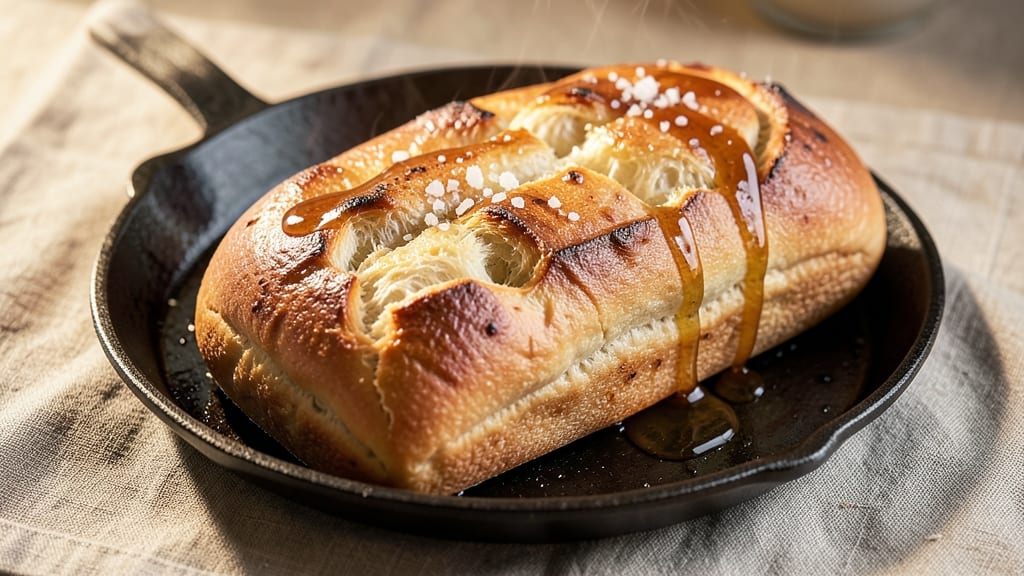
Baking King's Hawaiian bread at home delivers those signature buttery, sweet rolls with soft pillowy centers that taste like a tropical escape. 💛 I've perfected this recipe after years of testing, balancing traditional Hawaiian techniques with modern baking shortcuts for foolproof results every time.
The secret lies in precise ingredient ratios and patient proofing—no shortcuts here, but the reward is rolls so tender they practically melt in your mouth.
This recipe captures the essence of King's Hawaiian bread with its signature sweetness and rich buttery flavor, all while maintaining that signature soft texture. We'll use a combination of bread flour, sugar, and butter to create a dough that rises beautifully and bakes into golden, fragrant rolls.
The key is allowing proper proofing time—this is where the magic happens for that signature pillowy interior.
By following these steps, you'll achieve rolls with a golden crust that gives way to a tender, slightly sweet crumb that's perfect for breakfast or sandwiches. The aroma alone will have everyone gathering around your kitchen as these fresh rolls come out of the oven.
Let's get started on creating your own batch of these iconic Hawaiian rolls.
Whether you're making these for a family breakfast or a special occasion, this recipe scales perfectly and delivers consistent results. The dough can be prepared ahead and proofed at your convenience, making it ideal for busy schedules.
Each roll will have that perfect balance of sweetness and buttery richness that makes King's Hawaiian bread so beloved.
Ingredients for king's hawaiian bread
Twelve simple ingredients transform into twelve golden rolls with that signature Hawaiian sweetness and soft pillowy centers.
| Ingredient | Amount | Notes |
|---|---|---|
| Bread Flour 🌾 | 5 cups | High-protein for chewy texture |
| Unsalted Butter 🧈 | 1 cup | Cold and cubed for dough |
| Granulated Sugar 🍚 | ¼ cup | White or light brown |
| Large Eggs 🥚 | 1 whole | Room temperature preferred |
| Instant Yeast 🍞 | 2 tsps | Single-use packet works |
| Warm Water 💧 | 1 ¼ cups | 110°F for yeast activation |
| Salt 🧂 | 1 tsp | Fine sea salt preferred |
| Milk 🥛 | ¼ cup | Warmed for dough tenderness |
| Honey 🍯 | 1 tbsp | For subtle sweetness |
| Vegetable Oil 🫒 | 2 tbsps | For greasing pans |
| Cornmeal 🌽 | ¼ cup | For dusting cutting board |
| Coarse Sugar 🍚 | 1 tbsp | For roll topping |
The butter matters most here—European-style butter has higher fat content, which gives those signature rich, flaky layers. Land O'Lakes or Plugrá work great if you're buying store-brand. Keep it cold when mixing into the dough so it stays in chunks. The bread flour needs to be high-protein (12-13% protein)—King Arthur or Bob's Red Mill are my go-tos. For the yeast, FreshPacs are foolproof if you're nervous about activation. Just make sure your water is warm, not hot—yeast dies above 120°F.
No bread flour? All-purpose plus 1 tbsp vital wheat gluten gets you close. Short on butter? Vegetable shortening at 3/4 the amount works for texture, though it won't taste as rich. The honey can be swapped for maple syrup or corn syrup, but honey gives that subtle floral note. For the coarse sugar topping, turbinado or raw sugar works too—just pulse it in a food processor if it's too chunky. The milk can be any kind, but whole milk gives the best flavor. Skim? Use 1 tbsp powdered milk per cup to compensate.
Dough keeps in the fridge for 24 hours wrapped tightly in plastic. For longer storage, shape the rolls, wrap in foil, and freeze for up to 3 months. Thaw overnight in the fridge before baking. The baked rolls stay fresh for 2 days at room temperature if you wrap them in a clean kitchen towel. Pro tip: Toast them the next day—they're even better cold for sandwiches. Leftovers? Freeze in slices for 1 month—perfect for quick breakfasts.
Why You'll Love This Recipe
- No-Knead Magic: This dough comes together in five minutes—just mix, let it rise overnight, and bake. Honestly, I set it up before bed, wake up to the smell, and it’s ready by breakfast. That’s not a flex; it’s my new normal.
- Buttery Sweet Payoff: The sugar and butter in this bread create this unexpected richness—like a brioche hug. The crust gets perfectly golden, but the inside stays soft enough to melt with a little jam or butter. (Yes, even on a Tuesday night.)
- Breakfast to Brunch: I use slices for French toast, toast it with peanut butter for lunch, and even freeze extras for quick toast later. It’s the one loaf that actually does double duty without tasting like it’s been repurposed.
- Budget-Friendly Luxury: With just five ingredients—most of which you already have—this bread costs me pennies per serving. Yet it feels like a bakery buy because of that buttery, slightly sweet crumb. My wallet and taste buds both win.
Step-by-step instructions for king's Hawaiian bread
Here's how to craft those iconic buttery rolls with tender centers and golden crusts.
👨🍳 Step 1: Activate the Yeast and Mix the Dough
In a large bowl, combine the 1.25 cups warm water (about 110°F), 1 tbsp honey, and 2 tsps instant yeast. Let it sit for 5-10 minutes until frothy—this means your yeast is alive and ready to work. If it doesn't bubble, your yeast might be dead, and you'll need to start over.
In a separate bowl, whisk together the 5 cups bread flour, 1 tsp salt, and 0.25 cup granulated sugar. Create a well in the center and add the 1 whole large egg, 0.25 cup milk, and 1 cup cold cubed unsalted butter. Pour in the yeast mixture and stir until a shaggy dough forms. Here's the thing—don't overmix. Just combine until everything comes together.
🍳 Step 2: Knead Until Silky Smooth
Lightly flour a clean surface and turn out the dough. Knead for 8-10 minutes by pressing down, folding, and turning until the dough becomes smooth and elastic. You'll know it's ready when it springs back slowly when poked and leaves no sticky residue on your fingers. This step develops the gluten, which gives those rolls their signature soft, pillowy texture.
If the dough feels too sticky, add 1 tablespoon of bread flour at a time until it's manageable. Too dry? Spritz with a little warm water. The goal is a dough that's soft but not sticky, and slightly tacky but not wet. Wrap it in plastic wrap and let it rest at room temperature for 1 hour—this relaxes the gluten for easier shaping later.
🥘 Step 3: Shape and Proof the Rolls
After resting, punch down the dough to release any air bubbles. On a lightly floured surface, divide the dough into 12 equal pieces (about 3 ounces each). Roll each piece into a smooth ball, then flatten slightly into a 1-inch thick disc. Here's the trick—roll each disc into a 3-inch log, then shape it into a loose spiral by rolling it from one end to the other. This creates those beautiful swirls.
Place the shaped rolls in a 9x13-inch greased baking pan, leaving a little space between them so they can rise properly. Cover the pan with a clean kitchen towel and let them proof in a warm place for 1-1.5 hours until they've nearly doubled in size. They should look puffy and jiggly—like they're begging to be baked. If they're not rising, your kitchen might be too cold. Try placing the pan near a warm oven with the light on.
🔥 Step 4: Bake to Golden Perfection
Preheat your oven to 375°F. While it's heating, brush the tops of the rolls with melted unsalted butter (melt the remaining 1 cup if needed) and sprinkle evenly with 1 tbsp coarse sugar. This creates that signature caramelized crust. Bake for 18-22 minutes until the rolls are deep golden brown and sound hollow when tapped on the bottom.
Here's where it gets fun—the rolls will continue to rise slightly in the oven. If they're browning too quickly, tent them loosely with foil. They're done when the internal temperature reaches 190°F and they pull away from the pan edges easily. Let them cool in the pan for 5 minutes before transferring to a wire rack. The residual heat will finish cooking them through.
⏰ Step 5: Rest and Serve Warm
Once cooled for 10 minutes, use a serrated knife to cut the rolls into individual pieces. Here's the secret to clean slices—dip the knife in hot water, wipe it dry, and cut straight down without twisting. This prevents the rolls from tearing and gives you those perfect, clean slices.
Serve warm with butter melting on top and a sprinkle of coarse sugar if desired. These rolls are best enjoyed fresh from the oven when they're soft, buttery, and still slightly warm in the center. Store any leftovers in an airtight container at room temperature for up to 2 days, or freeze for up to 3 months. Just thaw at room temperature before serving—microwaving makes them gummy.
Pro Tips For Making King'S Hawaiian Bread
- Weigh Your Butter: King’s Hawaiian bread is all about that buttery richness, so don’t eyeball it—use a kitchen scale for 1 cup (226g) of unsalted butter. I learned this the hard way when I packed in too much and ended up with a dense, greasy loaf instead of the light, fluffy texture you want. That extra 10g might seem harmless, but it throws off the balance.
- Skip the Overmixing: Once you add the yeast and eggs, mix just until combined—about 20 seconds. I used to beat it like I was kneading dough, and the gluten would tighten up, making the bread tough. This recipe relies on the sugar and butter to keep it tender, so let the yeast do its work without overworking the flour.
- Proof at Room Temp: Place your shaped loaf in a warm spot (like a turned-off oven with a bowl of hot water) where it hits 80°F (27°C)—use an instant-read thermometer if you’re unsure. Too cold, and it’ll take forever; too hot, and it’ll rise unevenly. I once left mine in a chilly kitchen and had to wait three hours for it to double. Not ideal.
- Brush with Egg Wash: Whisk 1 egg with 1 tablespoon water and brush it generously over the loaf before baking—top and sides. This isn’t just for looks; it creates a golden, crackly crust while keeping the interior moist. I used to skip it, and my bread would turn out pale and dry. Worth the extra 30 seconds.
Creative variations of this recipe
Tropical Fruit Twist
Swap out the coarse sugar topping for a mix of ½ cup finely chopped macadamia nuts and 2 tbsp toasted coconut flakes. Brush the rolls with a glaze of ¼ cup melted butter mixed with 2 tbsp honey and 1 tsp vanilla extract after baking.
This Hawaiian-inspired variation adds a delightful crunch and nutty sweetness that pairs perfectly with the buttery dough. 🌺
Cinnamon Swirl Rolls
Divide the dough into 12 equal pieces as usual, but flatten each piece into a 3-inch circle instead of a log. Roll out ½ cup softened butter mixed with ½ cup brown sugar and 2 tbsp cinnamon into a thin rectangle.
Place the butter mixture on each dough circle, then roll tightly into a log. Shape into a spiral and place in the pan. The result? Rolls with a gooey cinnamon-sugar center that's pure comfort food. ✨
Honey Butter Glaze
After baking, brush the warm rolls with a simple glaze made from ½ cup melted butter, ¼ cup honey, and 1 tsp lemon juice. This adds an extra layer of sweetness that caramelizes beautifully on the warm rolls.
For extra decadence, sprinkle with crushed pineapple or toasted coconut flakes while the glaze is still wet. The tropical flavors complement the buttery rolls perfectly.
Savory Herb Version
For a savory twist, reduce the sugar to ¼ cup granulated sugar and add 1 tbsp dried rosemary and 1 tbsp dried thyme to the dough.
After baking, brush with melted garlic butter (mix ¼ cup melted butter with 2 minced garlic cloves) and sprinkle with flaky sea salt. These rolls make an excellent side for roasted meats or soups. 💛
Mini Hawaiian Rolls
Make bite-sized versions by dividing the dough into 24 pieces (about 1.5 ounces each) instead of 12. Shape into small balls, flatten slightly, and place in a greased mini muffin tin. Proof and bake at 375°F for 12-15 minutes.
These mini rolls are perfect for appetizers, sliders, or serving with dipping sauces like spicy mayo or garlic aioli. They're also great for kids' lunches or party platters.
Everything Bagel Seasoning
For a savory-sweet fusion, sprinkle the baked rolls with 1 tbsp Everything Bagel seasoning (sesame seeds, poppy seeds, garlic, onion, and salt) mixed with 1 tbsp coarse sugar.
Brush with a light coating of garlic butter (mix 2 tbsp melted butter with ½ tsp garlic powder) for a flavor-packed twist. These rolls work perfectly as a side for breakfast or brunch, offering a unique blend of sweet and savory notes.
Nutrition facts
Frequently asked questions
Why does my dough feel too sticky?
King's Hawaiian bread dough should be soft but not overly sticky. If it's too wet, add 1 tablespoon of bread flour at a time while kneading. The key is achieving a dough that's slightly tacky but not wet. If you're using a high-protein flour or warm ingredients, this can happen—just knead for an extra 2 minutes to develop the gluten.
Can I make these rolls without a stand mixer?
This recipe works perfectly by hand. Knead the dough for 8-10 minutes on a lightly floured surface, pressing down and folding until it becomes smooth and elastic. The extra effort ensures proper gluten development for those signature soft centers. Just be patient—your arms will thank you later!
How do I fix rolls that didn't rise enough?
If your rolls didn't double in size during proofing, your yeast might be inactive or your kitchen too cold. Try placing the dough in a warm oven with the light on (about 70°F) for 30-45 minutes to help them rise. For next time, always check yeast expiration dates and use water between 105-110°F to activate it properly.
Can I bake these rolls in a different pan?
Yes, but use a pan that's at least 9x13 inches to give the rolls room to rise. If using a smaller pan, reduce the number of rolls to 8-10 total. Avoid glass pans—they can cause uneven browning. For a rustic look, bake on a parchment-lined sheet pan and cut into individual rolls after baking.
What's the best way to reheat stale rolls?
Warm rolls in a 350°F oven for 5-7 minutes wrapped in foil, then unwrap and broil for 1-2 minutes to restore crispness. For microwave reheating, wrap in a damp paper towel and heat for 10-15 seconds—this prevents them from becoming gummy. The oven method gives the best texture revival.