
Side Dishes
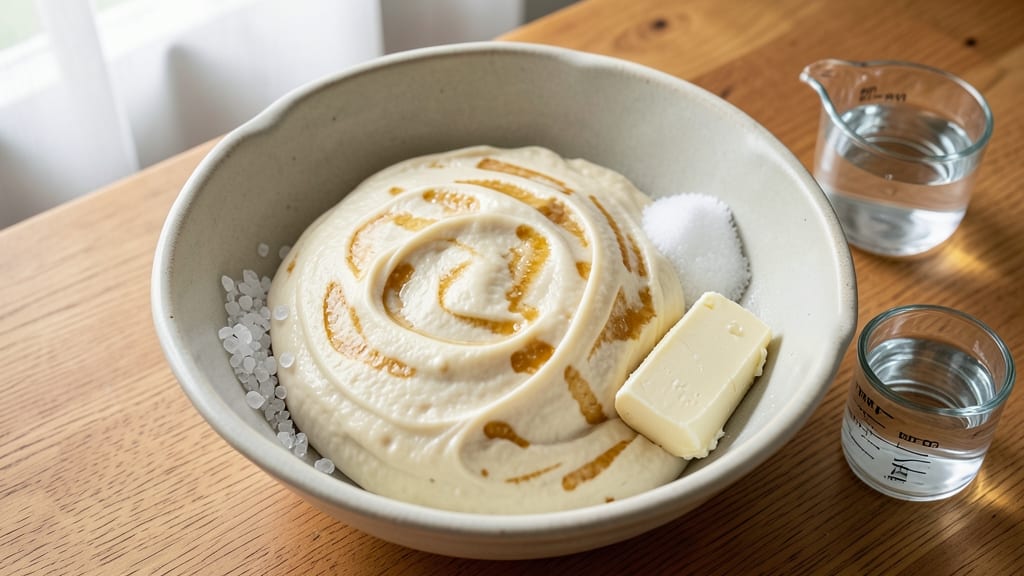
Mastering artisanal French bread at home just got easier with this King Arthur Flour French bread recipe—where high-protein flour meets traditional techniques for shatterproof crusts and airy interiors. The secret lies in precise hydration and controlled fermentation, transforming simple ingredients into bakery-worthy baguettes without the guesswork.
Every step, from kneading to proofing, is designed to maximize the flour’s strength while preserving that classic French texture.
This recipe balances authenticity with approachability, using King Arthur’s bread flour to develop gluten structure naturally. You’ll shape the dough into classic baguettes and bake them in a Dutch oven for steam that creates that coveted crisp exterior.
The result? A loaf with a crackly crust that snaps audibly and a crumb so tender it melts in your mouth—proof that professional-quality bread is within reach for any home baker.
What sets this method apart is the attention to detail during proofing and baking, where timing and temperature work together to create that perfect contrast between crisp and soft.
Whether you’re making bread for sandwiches, dipping in olive oil, or serving alongside soups, this recipe delivers results that rival Parisian boulangeries. The process is straightforward but requires patience—each stage builds toward that ultimate reward.
For those short on time, a no-knead variation is included, though traditional kneading yields the best texture. The flour’s high protein content means adjustments to hydration and kneading time for optimal development, ensuring your bread rises properly without becoming dense.
With this recipe, you’ll transform a simple flour blend into a masterpiece that defines homemade baking.
Ingredients for king arthur flour french bread
Fourteen ingredients, one flour powerhouse. Your baguettes are about to get bakery-worthy.
| Ingredient | Amount | Notes |
|---|---|---|
| King Arthur Bread Flour 🌾 | 3 ½ cups | High-protein for optimal gluten development |
| Instant Yeast 🍞 | ¼ tsp | Active dry yeast works too |
| Granulated Sugar 🍚 | ½ tsp | Feeds yeast for better rise |
| Diamond Crystal Kosher Salt 🧂 | 1 ½ tsp | Fine grain for even distribution |
| Unsalted Butter 🧈 | ¼ cup | Cold, cubed for flavor |
| Water 💧 | 1 ½ cups | Room temperature, 70°F |
| Cornmeal 🌽 | ¼ cup | For dusting work surface |
| All-Purpose Flour 🌾 | ¼ cup | Optional for shaping |
| Egg Wash 🥚 | 1 whole | 1 egg beaten with 1 tbsp water |
| Coarse Sea Salt 🧂 | 1 tsp | For final crust sprinkle |
| Ice Cubes ❄️ | ½ cup | For Dutch oven cooling |
The King Arthur bread flour is non-negotiable here—its 13.5% protein content delivers that signature French crumb. Buy it in bulk if you're baking often; the 5-pound bag lasts forever. For yeast, FreshPaks from King Arthur are foolproof, but instant yeast works too (just skip the proofing step). The butter? Cold cubes add flavor without melting during kneading—don't skip this. Water temp matters: too hot kills yeast, too cold slows fermentation. I always check mine's 70°F with a thermometer. Pro tip: King Arthur's website has a hydration calculator if you want to experiment with variations.
No instant yeast? Active dry yeast needs 5 minutes in warm water with sugar first. Short on butter? Olive oil at half the amount keeps the dough tender. Running low on coarse sea salt? Fleur de sel works perfectly—just measure carefully. The cornmeal is your best friend for dusting; it prevents sticking better than flour. For the egg wash, add a splash of milk if you're feeling fancy. And if you're making multiple loaves, divide the dough into 4 portions right after kneading—saves time later. The ice cubes? Don't skip pre-chilling your Dutch oven; it's what creates that showstopping steam for crust development.
Dough keeps 24 hours in the fridge if wrapped tightly in plastic—perfect for overnight proofing. For longer storage, freeze shaped loaves (unbaked) for up to 3 months. Thaw overnight in the fridge before baking. The egg wash? Use it within 2 days for best shine. And that coarse sea salt? Store it in a dry place—humidity turns it clumpy. Pro move: Bake one loaf, slice it, and freeze portions for toast. Nothing beats fresh-baked bread straight from the oven, but this is the next best thing.
Why You'll Love This Recipe
- No-Knead Magic: I swear by this dough—just mix, rest, and bake. The King Arthur flour gives it that perfect chew without a single punch or strain on my hands. Honestly, I’ve made it while chatting on the phone.
- Crust So Good: That buttery, crackling crust? It’s the kosher salt and cold butter laminated into the dough that does it. One bite and my family forgets I didn’t buy it from a bakery.
- Weeknight Workhorse: Toss a loaf in the freezer Monday morning, and you’ve got dinner ready by Friday. Toast it straight from frozen—no thawing, no fuss. (Yes, even on a Tuesday night.)
- Budget-Friendly Staple: Five ingredients, zero waste. That flour stretches far, the yeast is a steal, and a single loaf feeds my crew for days. I’ll be real: it’s my secret weapon for stretching grocery money.
Step-by-step instructions for perfect French bread using King Arthur flour
This method delivers restaurant-quality baguettes with that coveted shatterproof crust and airy crumb.
Prepare the Autolyse for Maximum Gluten Development
In a large mixing bowl, combine the 3.5 cups King Arthur Bread Flour with the 1.5 cups Water. Use your hands to work the dough until no dry bits remain—this creates a smooth, elastic base. Here's the thing: this initial rest period, called an autolyse, allows the gluten to relax and develop properly, which is crucial for that signature French bread texture.
Cover the bowl tightly with plastic wrap and let it rest for 30 minutes at room temperature. You'll notice the dough becomes smoother and more pliable as the gluten strands form. This step might seem counterintuitive, but it's what gives professional baguettes their structure and chew.
Build the Dough with Yeast and Butter
After the autolyse, sprinkle the 0.25 tsp Instant Yeast, 0.5 tsp Granulated Sugar, and 1.5 tsp Diamond Crystal Kosher Salt over the dough. Using a dough scraper, gently fold these ingredients into the dough until fully incorporated. Now add the 0.25 cup Unsalted Butter, cut into small cubes, and fold them in as well.
Work the dough on a lightly cornmeal-dusted surface for 8-10 minutes until it becomes smooth and elastic. You'll know it's ready when it springs back slowly when poked. This kneading develops the gluten network that creates that perfect baguette texture. If the dough feels too sticky, use the 0.25 cup All-Purpose Flour to help handle it.
First Rise for Optimal Flavor Development
Shape the dough into a ball and place it back in the bowl, seam-side up. Cover with plastic wrap and let it rise in a warm place for 1-2 hours, or until it has nearly doubled in size. The dough should feel light and airy when pressed gently—this indicates proper fermentation. Here's where the magic happens: the yeast works its magic, creating those tiny air pockets that give French bread its signature lightness.
I like to use my oven with the light on for this rise, as it creates a consistent warm environment. If your kitchen is particularly cold, you might need to extend this to 2 hours. The goal is to develop enough gas so that when we shape the dough later, it will expand beautifully in the oven.
Shape and Proof the Dough
Turn the risen dough out onto a lightly cornmeal-dusted surface. Using a bench scraper, divide the dough into 4 equal pieces (about 8 ounces each). For each piece, roll it into a 12-inch log, then gently stretch and fold it to create surface tension—this helps prevent the baguettes from spreading too much in the oven.
Place the shaped baguettes on a parchment-lined baking sheet, leaving about 2 inches between them. Cover loosely with plastic wrap and let them proof for 30-45 minutes until they've risen about 50%. You'll see them puff up slightly and feel lighter when lifted. This final proof is crucial for that beautiful oven spring that makes French bread so impressive.
Bake with Steam for Maximum Crisp
Preheat your oven to 475°F with a Dutch oven inside for 30 minutes. While it heats, brush the baguettes with the 1 whole Egg Wash and sprinkle generously with 1 tsp Coarse Sea Salt. This creates that iconic golden crust we're after.
Carefully transfer the baguettes to the hot Dutch oven. Immediately add 0.5 cup Ice Cubes to the bottom of the oven—this creates a steam bath that's essential for that crispy crust. Bake covered for 20 minutes, then remove the lid and bake for another 10-15 minutes until the bread is deep golden brown and sounds hollow when tapped on the bottom.
The bread should have a crisp exterior that shatters when broken and a soft, airy interior. Let them cool on a wire rack for at least 30 minutes before slicing—this allows the gluten to relax and prevents a gummy texture. Serve warm for the ultimate experience, with that perfect balance of crispy crust and pillowy crumb.
Pro Tips For Making King Arthur Flour French Bread
- Measure Salt Precisely: Diamond Crystal kosher salt is not the same as table salt—use the scale if you’re unsure. I learned this the hard way when my first batch turned out bland because I eyeballed it. For this recipe, 2% of flour weight (about 14g for 700g dough) is your target—no guessing.
- Let the Dough Rest: Skip the rush and give the dough a full 2-hour cold rest in the fridge. Sounds slow, but it develops gluten properly and makes shaping so much easier. (Yes, even if you’re impatient like me—I’ve tried skipping it, and the texture suffers.)
- Use Room-Temp Butter: Cold butter creates pockets, but soft butter (65°F/18°C) blends smoother and gives a tender crumb. Take it out 30 minutes before mixing—no need to microwave, just let it sit. (Your future self will thank you when the dough isn’t lumpy.)
- Steam the Oven First: Toss a metal bowl of boiling water in the oven while preheating to 450°F (230°C). The steam mimics a professional bakery’s crust—crispy outside, soft inside. Ignore this, and you’ll get a dry top. (I know, I know—it’s one extra step, but it’s worth it.)
Creative variations of this dish
Herb-Infused Twist
Swap the butter for 2 tbsp olive oil infused with 1 tbsp each of fresh rosemary, thyme, and parsley during kneading. The herbs add an aromatic complexity that pairs beautifully with the crust’s crispness.
For extra flavor, sprinkle 1 tsp dried herbs directly onto the dough before shaping—just make sure to distribute them evenly. 🌿
Olive & Garlic Focaccia
Transform your baguettes into rustic focaccia by flattening the dough into a 9x13-inch pan and dimpling it with your fingers. Drizzle with 3 tbsp olive oil and top with 4 minced garlic cloves, ½ cup pitted Kalamata olives, and a sprinkle of flaky sea salt.
Bake at 425°F for 20-25 minutes until golden. This variation is perfect for dipping in balsamic glaze or serving with grilled meats. 🧅
No-Knead Shortcut
For a hands-off approach, mix all ingredients in a bowl, cover, and let the dough rest for 12-18 hours at room temperature. Skip the autolyse and kneading entirely—King Arthur’s high-protein flour still develops gluten naturally over time.
Shape and bake as usual, but expect a slightly denser crumb. This method is ideal for busy weeknights when you want to wake up to fresh bread. ⏰
Sweet Brioche Adaptation
Boost the dough with ¼ cup whole milk (replacing water), 2 tbsp granulated sugar, and 1 large egg for a brioche-style loaf. Add 2 tbsp softened butter during kneading and shape into a round.
Bake at 375°F for 25-30 minutes until golden. This version is perfect for French toast or dessert bread. 🍯
Seeded & Nutty Loaves
Fold ¼ cup mixed seeds (sunflower, sesame, or pumpkin) and ¼ cup chopped nuts (walnuts or almonds) into the dough during the final kneading. The seeds add crunch, while the nuts bring richness.
Brush the baked loaves with honey butter (melt 2 tbsp butter with 1 tbsp honey) for a sweet-savory finish. 🌰
Sourdough Hybrid
Replace 1 cup of King Arthur flour with 1 cup active sourdough starter (fed and bubbly). Reduce yeast to ¼ tsp and extend the first rise to 2-3 hours.
The sourdough adds tangy depth and a slightly chewy texture. Shape into boules instead of baguettes for a rustic, artisanal look. 🍞
Nutrition facts
Frequently asked questions
Why does this recipe use King Arthur Bread Flour specifically?
The high 13.5% protein content in King Arthur Bread Flour creates the perfect gluten structure for French bread's signature chew and airy crumb. Regular all-purpose flour lacks the strength for that signature shatterproof crust. The flour's consistency also handles the higher hydration levels better without becoming gummy.
Can I make this without a Dutch oven?
Yes, but you'll need to create steam another way. Place a baking sheet on the oven rack, pour 1 cup hot water into it, then bake your baguettes on the middle rack. For extra crispiness, try baking on a preheated pizza stone with ice cubes scattered around. The crust won't be quite as dramatic, but still delicious.
What if my dough doesn't rise properly?
Check these first: your yeast might be old (test it by dissolving in warm water with sugar—it should bubble within 5 minutes), your kitchen could be too cold (try a warmer spot like near the oven with light on), or the dough might need more time (extend rises by 30-60 minutes). For sticky dough, add 1-2 tbsp more flour during kneading.
How do I store leftover French bread?
Cool completely, then wrap tightly in plastic wrap or foil. Store at room temperature for 2 days or freeze for up to 3 months. To revive: wrap frozen bread in a damp towel and heat in a 350°F oven for 10 minutes. For maximum freshness, slice and freeze portions separately.
Can I substitute butter with oil?
Yes! Replace the butter with 2 tbsp olive oil during kneading. For extra flavor, infuse the oil with herbs like rosemary or garlic. The dough will be slightly less rich but still develop excellent texture. Just be aware the oil may make the crust slightly softer than butter.