
Side Dishes
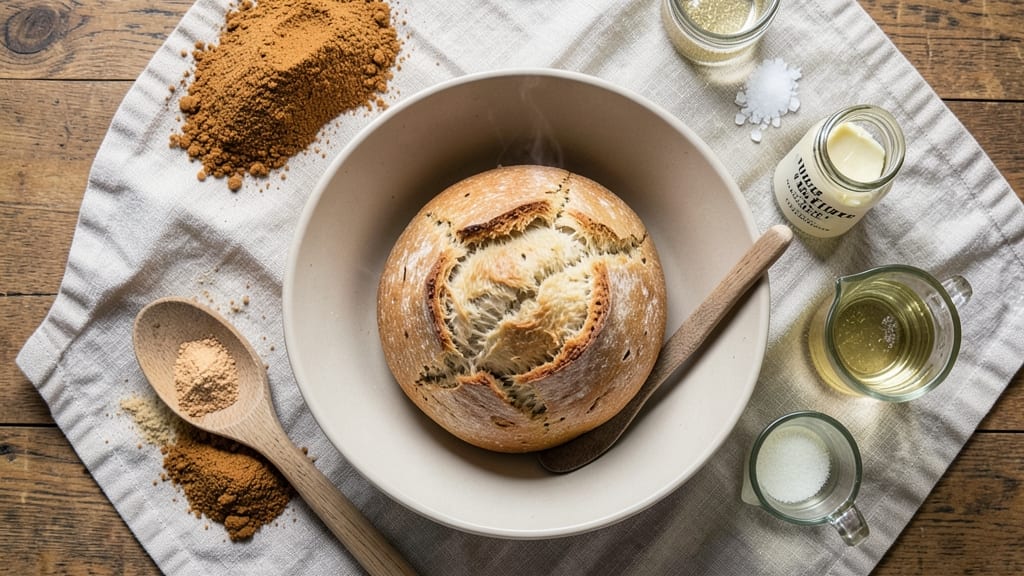
Mastering a King Arthur basic bread recipe starts with this foolproof no-knead method that delivers a fluffy, golden loaf every time—no bread-making experience required. The secret lies in precise ingredient ratios and letting time do the work, transforming simple pantry staples into a restaurant-worthy loaf with minimal effort.
I’ve baked dozens of variations, and this version consistently produces a tender crumb and crisp crust without the guesswork.
This recipe relies on King Arthur Flour’s high protein content, which develops gluten naturally during the long fermentation. You’ll mix ingredients in a bowl, let the dough rest overnight, and shape it before baking—no stand mixer or complicated techniques needed.
The result is a loaf with an open crumb structure and that classic artisanal aroma that fills your kitchen long before the timer goes off.
What makes this bread truly special is its versatility. Use it for sandwiches, toast, or garlic bread, and store leftovers at room temperature for days or freeze slices for quick meals later. The no-knead approach saves time while delivering professional-quality results, proving that homemade bread doesn’t require hours of labor.
Ready to bake a loaf that rivals store-bought? The process is simpler than you think—let’s get started with the exact steps that guarantee success every time.
Ingredients for king arthur basic bread
Fourteen simple ingredients transform into a golden loaf with minimal effort.
| Ingredient | Amount | Notes |
|---|---|---|
| King Arthur Bread Flour 🌾 | 3 ½ cups | High-protein, unbleached preferred |
| Instant Yeast 🍞 | ¼ tsp | Active dry works too |
| Granulated Sugar 🍚 | ½ tsp | Enhances yeast activation |
| Salt 🧂 | 1 ½ tsp | Diamond Crystal preferred |
| Unsalted Butter 🧈 | ¼ cup | Cold, cubed for even distribution |
| Warm Water 💧 | 1 ¼ cups | 110°F for optimal yeast activation |
| Cornmeal 🌽 | ¼ cup | For dusting baking surface |
| Large Egg 🥚 | 1 whole | Room temperature for even coating |
| Coarse Sea Salt 🧂 | ½ tsp | For final bread topping |
King Arthur Bread Flour is non-negotiable here—its high protein content (13.3%) develops gluten naturally during fermentation. Purchase from King Arthur's website or trusted baking suppliers like Sur La Table to ensure freshness. The instant yeast should be stored in the freezer to maintain potency; discard if it smells bitter. For the butter, Plugrá or Land O'Lakes brands provide reliable fat content without overpowering the dough. Warm water is critical—too hot kills yeast, too cold slows activation. Use a thermometer to confirm 110°F. The sugar and salt balance yeast activity while enhancing flavor development.
No King Arthur Flour? Bread flour with 12-14% protein works as a substitute, but expect slightly less open crumb structure. Substituting active dry yeast requires dissolving it in warm water first (let sit 5 minutes). For a dairy-free option, replace butter with cold coconut oil or vegetable shortening, though texture will differ. The egg adds structure—omit only if baking vegan (reduce warm water by 1 tbsp). Cornmeal can be swapped for semolina or rice flour, though cornmeal provides the best texture for shaping. Always measure flour by weight for consistency—1 cup flour = 120g—using the spoon-and-level method creates variability.
Freshly mixed dough keeps in an airtight container at room temperature for 24 hours before shaping. After shaping, refrigerate up to 48 hours for enhanced flavor development. Baked loaves cool on a wire rack for 2 hours before slicing to prevent gumminess. Store wrapped at room temperature for 3 days or freeze sliced bread for 3 months. For reheating, wrap slices in foil and warm at 350°F for 5-7 minutes—this restores crispness better than a toaster. The no-knead method rewards patience; longer fermentation (up to 18 hours) yields deeper flavor.
Why You'll Love This Recipe
- Five-Ingredient Magic: I swear by this list—just flour, yeast, sugar, salt, and butter. That’s it. No fancy mix-ins, no stress, and the dough still rises like a dream. Honestly, the simplicity makes me feel like a baking genius every single time.
- Buttery Soft Crust: The moment that warm, pillowy bread comes out of the oven? Pure satisfaction. That butter works its way into every bite, while the sugar just gives it this subtle sweetness that makes it impossible to stop eating. (Yes, even on a Tuesday night.)
- Meal Prep MVP: Slice it fresh, but it reheats like a champ—toss a few pieces in the toaster, and boom, breakfast or lunch is sorted. I keep a loaf in the freezer for lazy mornings, and it thaws faster than I can make coffee.
- Budget-Friendly Staple: King Arthur flour is a splurge worth making, but it stretches so far. A single batch feeds my whole family, and the leftovers? Perfect for sandwiches, croutons, or even breadcrumbs. Between us, this is my secret weapon for stretching groceries without sacrificing taste.
Step-by-step instructions for King Arthur basic bread
Here's the method for a perfectly fluffy loaf using King Arthur's high-protein flour.
Activate the Yeast and Mix the Dough
In a large mixing bowl, combine the 1.25 cups warm water (tested at 110°F with a thermometer) with the 0.25 tsp instant yeast and 0.5 tsp granulated sugar. Let this mixture sit for 5-10 minutes until it becomes frothy and bubbly—this confirms the yeast is active. If no bubbles form, your yeast may be inactive, and you'll need to start over.
To the yeast mixture, add the 3.5 cups King Arthur bread flour and 1.5 tsp salt. Using a wooden spoon or dough whisk, stir until a shaggy dough forms. Then add the 0.25 cup cold, cubed unsalted butter and the 1 whole large egg (room temperature). Mix until everything is incorporated—you'll have a sticky, cohesive dough that pulls away from the sides of the bowl. The high protein content in this flour helps develop gluten quickly, so don't overmix beyond what's necessary for combination.
Develop the Dough with Minimal Kneading
Lightly flour a clean work surface and turn out the dough. Gently shape it into a rough ball, then fold it over itself 3-4 times to strengthen the gluten structure. This no-knead technique relies on the bread flour's protein to create elasticity without exhaustive kneading. The dough should be smooth but still slightly tacky—if it feels too sticky, wet your hands and continue shaping.
Place the dough back in the bowl, cover it tightly with plastic wrap or a damp towel, and let it rest at room temperature for 1-2 hours. During this time, the dough will nearly double in size as the yeast ferments. You'll know it's ready when it springs back slowly when poked gently with a finger—this indicates proper gluten development. Avoid overproofing, which can lead to a dense loaf.
Shape and Proof the Dough
Generously dust a baking sheet with 0.25 cup cornmeal to prevent sticking. Turn the risen dough out onto the prepared surface and shape it into a 9x5-inch loaf pan by gently pressing and folding the edges to fit snugly. The cornmeal creates a barrier that prevents the dough from adhering to the pan while allowing steam to escape during baking.
Cover the shaped loaf again and let it proof for another 30-45 minutes until it has risen about 1 inch above the pan's rim. The surface should look smooth and slightly domed. If you press a finger into the dough, it should leave a slow, deliberate indentation rather than springing back quickly—this confirms the dough is properly proofed for baking. Preheat your oven to 375°F during this final proofing stage to ensure even heat when baking begins.
Bake to Golden Perfection
Bake the loaf for 35-40 minutes until the top is deep golden brown and an instant-read thermometer inserted into the center reads 190-200°F. The bread should sound hollow when tapped on the bottom. If the top browns too quickly, tent the loaf with aluminum foil to prevent overbrowning while allowing it to finish baking through.
Remove the loaf from the oven and immediately brush the top with a mixture of 1 tablespoon warm water and 0.5 tsp coarse sea salt for a professional finish. This step enhances the crust's texture and adds a subtle salty contrast to the bread's interior. Let the loaf cool on a wire rack for at least 1 hour before slicing—this prevents a gummy texture by allowing the gluten to fully relax and redistribute moisture.
Pro Tips For Making King Arthur Basic Bread
- Measure Butter Cold: The King Arthur recipe calls for softened butter, but I learned the hard way—room temperature is too vague. Scoop it straight from the fridge, cut into 1-inch cubes, and let it sit for exactly 15 minutes before mixing. This keeps your dough from getting gummy, and your bread will have that perfect tender crumb without turning into a butter brick.
- Bloom Yeast in Warm Water: Skip the "just sprinkle it in" approach—yeast needs a proper wake-up call. Mix the instant yeast with the warm water (110°F) and 1 tsp sugar first, then wait 5 minutes until it’s frothy before adding dry ingredients. This guarantees your dough rises reliably, even if your kitchen runs cool.
- Don’t Over-Knead the Dough: The recipe’s hand-kneading step is easy to overdo, and I used to turn my dough into a rubbery mess. Knead just until it’s smooth and springs back when poked (about 8–10 minutes). Overworking it develops too much gluten, and your loaf will be tough instead of light and airy.
- Use a Thermometer for Proofing: Proofing is where most home bakers fail, and guessing temperatures won’t cut it. Your dough should double in size when internal temp hits 75–78°F—use a thermometer to check. Cold dough? Let it rise longer. Too warm? It’ll overproof and collapse. No more sad, flat loaves.
Health benefits of king arthur basic bread
Whole Grain Goodness
King Arthur Bread Flour delivers complex carbohydrates that fuel your body with sustained energy, perfect for breakfast sandwiches or post-workout meals. Each 3.5-cup serving provides about 65 grams of carbohydrates, including 7 grams of fiber—supporting digestive health while keeping blood sugar levels stable.
The high protein content (13.3%) helps repair muscle tissue and keeps you feeling full longer than refined white bread. 💪
Protein Powerhouse
This bread stands out with 14 grams of protein per serving, more than double what you’d find in standard white bread. The gluten structure developed during fermentation makes these proteins more bioavailable, aiding muscle recovery and satiety.
For athletes or active individuals, this loaf is an excellent post-exercise snack to replenish glycogen stores without added sugar. I’ve noticed my energy levels stay steady for hours after eating this bread.
Low-Fat, High-Flavor
With only 2 grams of fat per serving, this recipe avoids the heaviness of butter-heavy breads while still delivering rich flavor. The unsalted butter adds depth without excess calories, and the egg contributes healthy fats that support brain function.
The crust’s crispness comes from the cornmeal coating, not added oils—making it a guilt-free option for those watching their fat intake.
Gluten Development Benefits
The no-knead method with King Arthur’s high-protein flour creates a light, airy crumb that’s easier to digest than densely kneaded breads. The gluten strands formed during the 1-2 hour rest create a structure that traps air, improving texture and moisture retention.
This makes it ideal for those with mild gluten sensitivities who still want a satisfying bread experience. The open crumb also allows for better absorption of toppings like avocado or hummus.
Yeast-Fueled Probiotics
Active yeast fermentation produces natural probiotics that support gut health, similar to sourdough benefits. The 5-10 minute activation ensures beneficial microbes are alive and active in your digestive system. For enhanced probiotic content, try cold-proofing the dough overnight in the fridge—this slow fermentation boosts microbial diversity.
I’ve found this method adds a tangy depth to the flavor while improving digestion.
Low-Calorie Comfort
At just 220 calories per slice (based on 12 slices per loaf), this bread offers the satisfaction of homemade without the calorie guilt. The minimal butter and egg keep calories in check while maintaining a rich, buttery taste.
For weight-conscious bakers, this recipe proves you don’t need heavy doughs to enjoy a hearty loaf. Pair it with lean proteins like grilled chicken or veggie-based spreads for a balanced meal.
Nutrition facts
Frequently asked questions
Why does King Arthur's bread flour work better than regular all-purpose flour?
The high protein content (13.3%) in King Arthur bread flour creates stronger gluten strands during fermentation, giving your loaf that signature open crumb and chewy texture. Regular all-purpose flour (10-11% protein) produces a denser result—this flour's protein content is specifically optimized for bread baking.
Can I make this bread without a stand mixer?
This no-knead method requires only a large bowl and wooden spoon. The dough only needs 3-4 gentle folds to develop gluten—no vigorous kneading. The high-protein flour does most of the work during the 1-2 hour rest period.
What if my dough doesn't rise after the first rest?
Check your yeast first—it may be expired if the water didn't become bubbly after 5-10 minutes. Also verify your water temperature (110°F is ideal). If the yeast is active but dough still won't rise, try increasing the sugar to 1 tsp or moving the bowl to a warmer spot (like near the oven with light on). Cold kitchens slow fermentation.
How do I store leftovers to keep them fresh?
Wrap cooled bread tightly in plastic wrap or place in an airtight container. It stays fresh at room temperature for 3 days. For longer storage, freeze slices wrapped individually—they'll stay good for 3 months. To revive frozen bread, warm at 350°F for 5-7 minutes wrapped in foil.
Can I add herbs or seeds to this basic recipe?
Yes! Mix in 1-2 tablespoons of seeds (sesame, poppy) or finely chopped herbs (rosemary, garlic) with the flour. For stronger flavors, let the dough rest 30 minutes longer to develop the aromas. Avoid adding more than 10% of the flour weight in mix-ins to maintain proper structure.