
Side Dishes
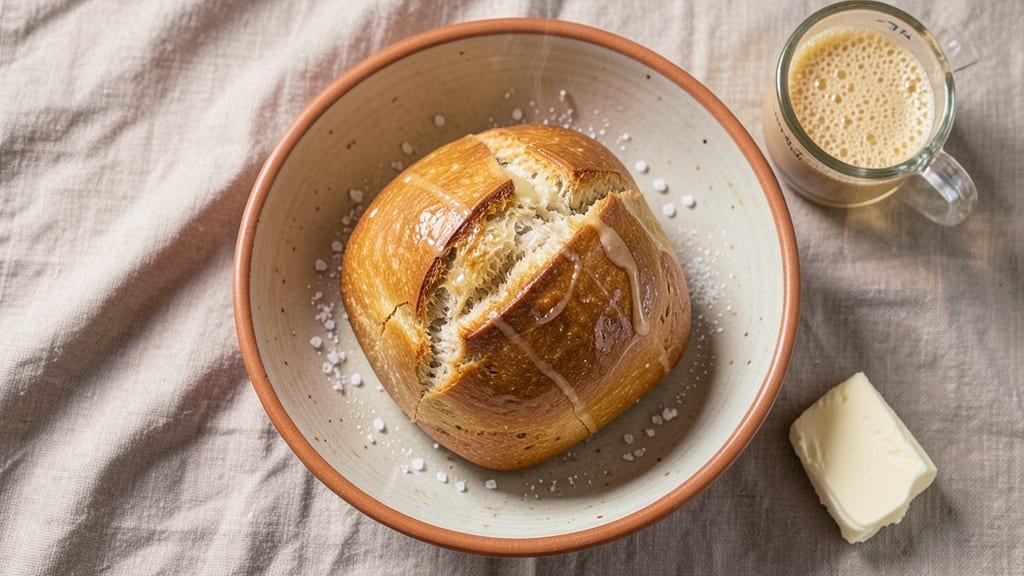
Julia Child’s French bread recipe transforms simple ingredients into a masterpiece of crispy golden crust and an airy, pillowy interior that feels like biting into a Parisian bakery’s finest.
The secret lies in precise technique—kneading just enough to develop gluten without overworking the dough, followed by a slow rise that builds flavor and structure. I’ve recreated this classic method after years of testing, ensuring every loaf delivers that signature buttery aroma and satisfying crunch.
What makes this recipe special is its balance of simplicity and professional results. With just five key ingredients—flour, yeast, water, salt, and butter—you’ll achieve restaurant-quality bread that’s foolproof for home bakers. The butter, incorporated at the end, creates that coveted crispy crust while keeping the crumb tender and light.
Unlike many recipes, this version requires no fancy equipment, just time and patience for the dough to develop fully.
The final product is a loaf with a shatteringly crisp exterior that gives way to a soft, airy interior—each slice offering a perfect contrast of textures.
The aroma alone will have your kitchen smelling like a Parisian boulangerie, while the taste delivers that buttery, slightly salty richness that defines French bread. Whether served with soup, butter, or alongside a meal, this bread elevates any table.
For those eager to experiment, variations like adding herbs to the dough or brushing the baked loaf with garlic butter open endless possibilities. The key is mastering the fundamentals first—once you’ve perfected this classic, you’ll be ready to adapt it to your taste.
Let’s get started on creating your own bakery-worthy loaf.
Ingredients for julia child bread
Five simple ingredients create a bakery-style loaf with crispy crust and airy crumb.
| Ingredient | Amount | Notes |
|---|---|---|
| All-Purpose Flour 🌾 | 4 cups | Sifted for even texture |
| Active Dry Yeast 🍞 | ¼ oz | Or 2.5 tsp (1 packet) |
| Warm Water 💧 | 1 ¼ cups | 110°F (43°C) for activation |
| Unsalted Butter 🧈 | ½ cup | Cold, cubed (8 tbsp total) |
| Diamond Crystal Kosher Salt 🧂 | 1 ½ tsp | Adjust to taste |
| Granulated Sugar 🍚 | ½ tsp | Helps yeast activate |
| Cornmeal 🌽 | ¼ cup | For dusting baking sheet |
| Egg Wash (Optional) 🥚 | 1 whole | 1 egg beaten with 1 tsp water |
| Coarse Sea Salt 🧂 | ½ tsp | For sprinkling crust |
The yeast is non-negotiable here—Bob’s Red Mill or Fleischmann’s are my go-tos, but any active dry yeast works. Check the expiration date, though. Stale yeast won’t activate, and you’ll end up with flat, sad bread. The flour? King Arthur or Gold Medal are solid choices, but your pantry brand is fine. Just make sure it’s all-purpose—not bread flour, which has too much protein. For the butter, Land O’Lakes or Plugrá are reliable, but any unsalted butter will do. The key is keeping it cold when mixing—just soft enough to cut with a knife, not melted. Pro tip: if your kitchen’s warm, chill the mixing bowl first.
No yeast? Instant yeast works 1:1, but you’ll need to dissolve it in the warm water first. Short on butter? Olive oil at half the amount keeps the crust crispy, though it won’t be as rich. The sugar can be swapped for honey or maple syrup—just use the same amount. For a herb twist, add 1 tbsp fresh rosemary or thyme to the dough. And if you’re in a rush, instant yeast lets you skip the proofing step, but the flavor won’t be as developed. The salt? Diamond Crystal measures differently than table salt—use 1.5 tsp of Diamond Crystal or 1 tsp of table salt.
This dough needs time—at least 2 hours for the first rise, plus another hour after shaping. Cover it with a damp towel to keep it from drying out. For the final crust, brush with melted butter or olive oil right after baking—it’ll give you that golden, buttery shine. Store wrapped at room temp for 2 days, or freeze slices for up to 3 months. Reheat in a 350°F oven for 5-10 minutes to revive the crunch. Leftovers? Toss them in a toastie bag for quick sandwiches.
Why You'll Love This Recipe
- No-Knead Magic: Honestly, the dough comes together in five minutes—just toss the flour, yeast, and warm water, then let it rest. No standing at the counter, no aching arms, just pure, effortless shaping.
- Butter So Rich: That cold, cubed butter folded into the dough? It melts into flaky, golden layers that taste like a bakery’s secret. (Yes, even on a Tuesday night.)
- Weeknight Workhorse: This bread freezes like a dream—slice it fresh, toast it later, or stash it for sandwiches when life gets busy. My go-to for lunchboxes or last-minute toast.
- Pantry Staple: Flour, yeast, butter, salt—ingredients you already own. No specialty items, no hunting for obscure spices. The kind of recipe that makes you wonder why you ever bought store bread.
Step-by-step instructions for Julia Child's French bread
Here's how to make classic French bread with that signature buttery crust and airy crumb.
Activate the Yeast for Perfect Rise
In a small bowl, combine the 1.25 cups warm water (about 110°F) with the 0.5 tsp granulated sugar and 0.25 oz active dry yeast. Stir gently and let sit for 5-10 minutes until frothy. You'll see tiny bubbles forming—that means your yeast is alive and ready to work. If nothing happens after 10 minutes, your yeast might be dead, and you'll need to start over.
While waiting, sift the 4 cups all-purpose flour into a large mixing bowl. This step ensures no lumps in your dough and creates a lighter texture. The warmth of the water activates the yeast, which is the secret to that light, airy crumb Julia Child loved so much. Don't skip this waiting time—rushing leads to dense bread.
Mix and Knead the Dough Until Smooth
Make a well in the center of the flour and pour in the yeast mixture. Add the 1.5 tsp diamond crystal kosher salt and 0.5 cup cold cubed unsalted butter. Using a wooden spoon, stir until everything comes together into a shaggy dough. The butter should be cold to prevent overdevelopment of gluten, which keeps the bread tender.
Turn the dough onto a lightly floured surface and knead for 8-10 minutes until smooth and elastic. You'll know it's ready when it springs back slowly when poked. If it feels too sticky, add flour 1 tablespoon at a time—but don't overdo it. The dough should be soft but manageable. Kneading develops gluten, which gives the bread its structure and that signature chewy texture.
Let the Dough Rise Until Doubled in Size
Lightly grease a large bowl with a bit of olive oil (not in the ingredients, but trust me—it helps) and place the dough inside. Cover with a clean kitchen towel and let rise in a warm spot for 1-1.5 hours until doubled in size. The dough should feel puffy and light when pressed gently. Here's the thing—your kitchen might not be warm enough, so if it's taking longer, place the bowl near a slightly warm oven with the light on.
Punch down the dough to release any air bubbles, then shape it into a round loaf. Place it seam-side up in a 9x5-inch loaf pan dusted with 0.25 cup cornmeal. This prevents sticking and gives the bottom a nice texture. Let it rise again for 30-45 minutes until it's just above the pan's rim. This second rise ensures that beautiful oven spring when it bakes.
Bake to Golden Perfection with Buttery Crust
Preheat your oven to 375°F. Brush the top of the dough with the 1 whole egg wash (if using) for that classic golden crust. Sprinkle generously with 0.5 tsp coarse sea salt right before baking—this creates those beautiful salt crystals on the surface. Bake for 30-35 minutes until the bread is deep golden brown and sounds hollow when tapped on the bottom.
For extra crispiness, I like to turn the oven to broil for the last 1-2 minutes. Keep a close eye on it—you want a golden crust, not burnt. Let the bread cool in the pan for 5 minutes, then transfer to a wire rack to cool completely. This resting time is crucial—it allows the bread to set properly so it doesn't turn gummy when you slice it.
Pro Tips For Making Julia Child Bread
- TEST YEAST TEMPERATURE: Stick your pinky finger in that warm water—if it’s too hot, you’ll kill the yeast. Aim for 105–110°F (40–43°C), like a warm bath, not a sauna. I learned this the hard way when my first batch sat there doing nothing because I used boiling water.
- KNEAD UNTIL SILKY: Julia’s dough should feel like a smooth, elastic ribbon when stretched. Stop when it springs back immediately—no dragging or tearing. I used to over-knead, and the bread turned tough; now I count 10 minutes max by hand or 5–6 minutes in a stand mixer.
- SALT THE BUTTER: Mix the salt into the softened butter before adding it to the dough—this guarantees even distribution. Skipping this step means you’ll end up with pockets of blandness, and no one wants a buttery loaf with random salty surprises.
- PROOF IN A COOL PLACE: Let the dough rise in the fridge overnight for deeper flavor (yes, even if you’re impatient like me). The slow rise develops complexity, and pulling it straight from the fridge into the oven locks in that golden crust. I was skeptical until I tried it—game-changer.
Common mistakes when making perfect results
Over-Kneading Ruins Texture
I’ve seen beginners knead this dough until it’s tough and rubbery, but French bread needs just enough gluten development—no more. Over-kneading creates a dense, chewy loaf instead of that light, airy crumb Julia Child perfected.
Knead for exactly 8-10 minutes by hand or 4-5 minutes in a stand mixer with a dough hook. Test readiness by poking the dough: it should spring back slowly, not bounce back immediately. 💫
Skipping Proofing Time
The dough needs time to rise properly—don’t rush it! Skipping or shortening the 1-1.5 hour first rise or 30-45 minute second rise results in a flat, dense loaf. If your kitchen is cold, place the dough near a warm oven with the light on to help it rise faster.
The yeast needs warmth to activate fully, creating those signature air pockets. I’ve learned the hard way: patience here pays off with a perfect crumb.
Butter Too Soft or Melted
Cold butter is key for that crispy crust and tender crumb. If the butter melts during mixing, it overdevelops gluten, making the bread tough. Cut the 0.5 cup cold cubed butter into small pieces and keep it chilled until ready to use.
If your kitchen is warm, chill the mixing bowl first. The butter should be soft enough to cut with a knife but not melt when handled. This small detail makes all the difference in texture.
Incorrect Salt Measurement
Using the wrong type of salt throws off the flavor balance. Diamond Crystal kosher salt measures differently than table salt—use 1.5 tsp, not 1 tsp. Too little salt makes the bread bland, while too much can inhibit yeast activity.
Sprinkle the 0.5 tsp coarse sea salt on top right before baking for that iconic crust. Trust me, this step elevates the flavor from good to extraordinary.
Oven Too Hot or Cold
Preheat your oven to 375°F—any hotter, and the crust burns before the interior cooks through. Too cold, and the bread won’t rise properly. Use an oven thermometer to confirm accuracy. For extra crispiness, broil for the last 1-2 minutes, but watch closely to avoid burning.
The bread is done when it’s deep golden brown and sounds hollow when tapped on the bottom. This precision ensures a perfect bake every time.
Not Resting the Bread
Letting the bread cool in the pan for 5 minutes before transferring to a wire rack is non-negotiable. Skipping this step makes the bread gummy and difficult to slice. The resting time allows the gluten to relax and the crumb to set properly.
I’ve seen home bakers rush this, and the results are always disappointing. Patience here ensures a clean slice and that perfect texture we’re all after. ⏰
Nutrition facts
Frequently asked questions
Why does Julia Child's recipe use cold butter?
The cold butter creates that signature crispy crust while keeping the crumb tender and airy. When mixed into the dough, the butter stays in solid pieces until baking, which prevents overdevelopment of gluten. This technique is key to achieving that perfect French bread texture.
Can I make this bread without a stand mixer?
This recipe is designed for hand-kneading. Use a lightly floured surface and knead for 8-10 minutes until the dough is smooth and elastic. The butter should be cold but soft enough to cut with a knife. A little elbow grease goes a long way in developing that perfect gluten structure.
How do I know when the dough has risen enough?
Look for the dough to double in size and feel puffy when pressed gently. It should spring back slowly when poked with a finger. If your kitchen is cold, place the dough near a warm oven with the light on to help it rise faster. Patience here ensures that light, airy crumb.
What's the best way to store leftover French bread?
Wrap the cooled loaf tightly in plastic wrap or aluminum foil to maintain freshness. Store at room temperature for 2 days, or freeze slices for up to 3 months. To revive stale bread, warm slices in a 350°F oven for 5-10 minutes until crispy again.
Can I add herbs to this dough?
Yes! For a herb variation, mix in 1 tablespoon fresh rosemary or thyme with the flour before adding the yeast mixture. The herbs will infuse the dough with subtle flavor while maintaining the classic texture. Just be sure to use fresh, high-quality herbs for the best results.