
Side Dishes
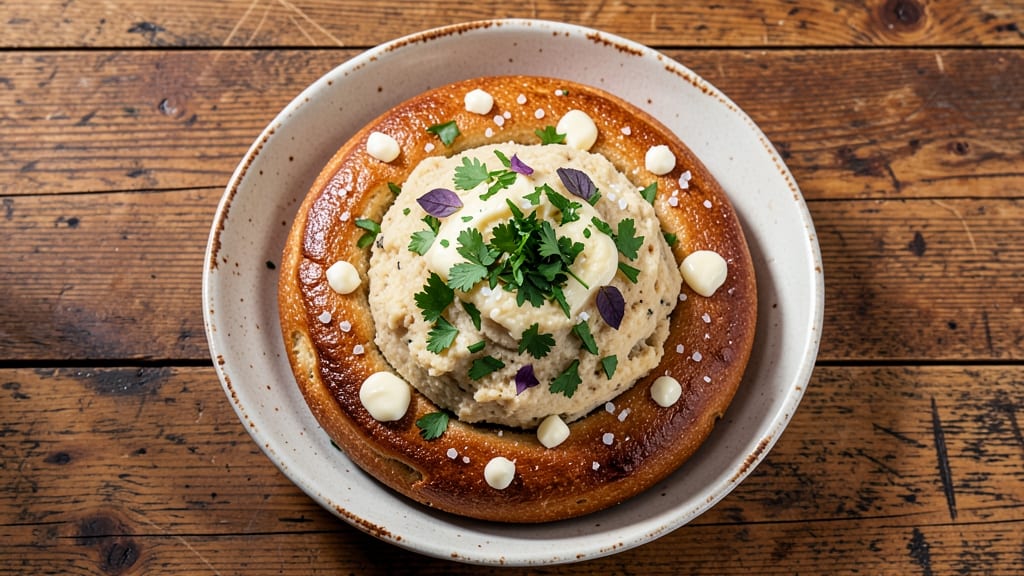
This herby bread recipe transforms simple dough into a fragrant, golden loaf with layers of fresh herbs baked right into the crust. The secret lies in distributing finely chopped herbs evenly throughout the dough before shaping, ensuring every bite delivers that bright, aromatic punch without overpowering the bread's natural flavor.
I've perfected this technique over years of baking, and the results are consistently impressive—crispy on the outside, tender inside, with herbs that stay vibrant through baking.
What makes this recipe stand out is its versatility—whether you're making a classic sandwich loaf, a rustic focaccia, or an elegant dinner roll, the same herby dough forms the foundation.
The dough itself is straightforward: flour, yeast, water, and a touch of salt, but it's the herb incorporation that elevates it. I recommend using a mix of parsley, thyme, and rosemary for depth, but any combination of fresh herbs works beautifully.
The key is to finely chop them and distribute them evenly during the final kneading stage.
Baking this herby bread yields a loaf with a crisp, golden crust that crackles satisfyingly when broken, while the interior remains soft and pillowy. The herbs infuse the dough with their natural oils, creating a fragrant aroma that fills your kitchen and makes every slice irresistible.
This is the kind of bread that pairs perfectly with soups, stews, or simply slathered with butter and served alongside a charcuterie board.
For those looking to experiment, variations like adding garlic or lemon zest to the dough can introduce new flavor dimensions, while different shaping techniques—such as braiding for a festive touch or flattening for focaccia—offer creative possibilities.
The recipe scales easily, making it ideal for feeding a crowd or enjoying a freshly baked loaf all to yourself. Let's get started on creating this fragrant, herb-infused masterpiece.
Ingredients for herby bread
Freshly chopped herbs and simple dough create this aromatic, golden herby bread masterpiece.
| Ingredient | Amount | Notes |
|---|---|---|
| All-Purpose Flour 🌾 | 4 cups | Sifted for lighter texture |
| Active Dry Yeast 🍞 | 2 ¼ tsp | Fresh or 1 packet |
| Granulated Sugar 🍬 | 1 tbsp | Feeds yeast activation |
| Warm Water 💧 | 1 ¼ cups | 110°F ideal temperature |
| Unsalted Butter 🧈 | ½ cup | Cold, cubed for dough |
| Coarse Sea Salt 🧂 | 1 ½ tsp | Adjust to taste |
| Fresh Parsley Leaves 🌿 | ½ cup | Finely chopped, stems removed |
| Fresh Thyme Leaves 🍃 | ¼ cup | Finely chopped, stems removed |
| Fresh Rosemary Sprigs 🌿 | ¼ cup | Finely chopped, needles only |
| Extra-Virgin Olive Oil 🫒 | 2 tbsp | For dough and brushing |
| Large Egg 🥚 | 1 whole | Room temperature for binding |
| Cornmeal 🌽 | ¼ cup | For dusting baking surface |
The herbs are non-negotiable for authentic flavor. Fresh is essential—dried herbs lose potency during baking. I source mine from local farmers markets where they're harvested daily, but the grocery store's herb section works fine if you pick vibrant, firm sprigs. For parsley, opt for flat-leaf over curly (it's more flavorful). Trader Joe's consistently carries high-quality fresh herbs at reasonable prices. Rosemary should smell piney and fresh—avoid any with brown stems. Store-bought herb blends often contain fillers; chopping your own ensures maximum flavor infusion. The yeast is the bread's backbone—King Arthur or Bob's Red Mill brands are reliable for consistent results.
No fresh herbs? Dried oregano or thyme at half the amount can substitute, but expect less vibrancy. Short on parsley? Cilantro or basil work in a pinch (though flavor profiles differ). The olive oil matters too—California Avocado or Bertolli brands offer consistent quality. For a richer dough, substitute half the butter with cultured butter—it adds depth. The sugar can be swapped for honey (reduce by 1 tsp), but it's crucial for activating the yeast. If your kitchen runs hot, use slightly cooler water (105°F)—overheating kills yeast. The egg adds structure; for a vegan option, use 1 tbsp ground flaxseed mixed with 3 tbsp water as a binder.
Freshly baked herby bread reaches peak flavor within 24 hours as the herbs continue to infuse. Store wrapped in a clean kitchen towel at room temperature for 2-3 days—this preserves crispness better than plastic. For longer storage, freeze the loaf in slices wrapped individually—they'll stay fresh for up to 3 months. To revive, brush slices with olive oil and warm in a 350°F oven for 5 minutes. The dough can be made 24 hours ahead—just refrigerate it covered, then let it sit at room temperature for 1 hour before shaping. The herb mixture can be prepped 1 day in advance and stored in an airtight container in the fridge.
Why You'll Love This Recipe
- No-Knead Magic: I swear by this—just mix the dough, let it rise overnight, and bake. The yeast does all the work while I sleep, and by morning, I’ve got golden crust without lifting a finger.
- Herb Bomb Flavor: That mix of dried rosemary, thyme, and parsley baked into the crust? It’s like a warm hug for your sandwiches. The butter melts into the dough just enough to keep every bite tender but packed with aroma.
- Weeknight Workhorse: Toss it with dinner as a side, slice it for toast the next morning, or freeze half for when you’re too tired to bake. Honestly, I’ve fed a houseful with one batch—it’s that reliable.
- Pantry Staple Power: Five ingredients, all of which you already own. No specialty items, no last-minute grocery runs. And since it keeps for days, I’m always stocked without extra cost or fuss.
Step-by-step instructions for herby bread with fragrant filling
Follow this method for a perfectly balanced loaf with crispy crust and aromatic herb-infused layers.
Activate the Yeast and Mix the Dough
In a large bowl, combine the 1.25 cups warm water with 1 tbsp granulated sugar and 2.25 tsp active dry yeast. Let it sit for 5-10 minutes until frothy—this confirms your yeast is active. If it doesn't bubble, start over with fresh yeast.
Add the 4 cups all-purpose flour and 1.5 tsp coarse sea salt to the bowl. Stir with a wooden spoon until a shaggy dough forms. Then, cut in the 0.5 cup unsalted butter using a pastry cutter or your fingers until the mixture resembles coarse crumbs.
Incorporate Herbs and Olive Oil
Finely chop the 0.5 cup fresh parsley leaves, 0.25 cup fresh thyme leaves, and 0.25 cup fresh rosemary sprigs (needles only). Add them to the bowl along with 2 tbsp extra-virgin olive oil. Mix with your hands or a dough whisk until the herbs are evenly distributed throughout the crumbly mixture.
Gradually add 0.25 cup cornmeal to help absorb excess moisture and improve texture. The dough should begin to come together—if it's too dry, add 1 tsp warm water at a time until it forms a soft, pliable ball.
Knead and Let the Dough Rise
Turn the dough onto a lightly floured surface and knead for 8-10 minutes until smooth and elastic. The dough should spring back slowly when pressed. Shape into a round loaf and place it in a lightly greased bowl, covering it with a damp kitchen towel.
Let the dough rise in a warm place for 1-2 hours, or until it has nearly doubled in size. You'll know it's ready when you poke it gently and the indentation remains. This first rise develops flavor and structure—don't rush it.
Shape and Second Rise
Punch down the dough to release air, then divide it into two equal portions. Roll each portion into a 12-inch log and place them side by side in a 9x5-inch loaf pan lined with parchment paper. Cover loosely and let rise again for 30-45 minutes until puffy.
Preheat your oven to 375°F while the dough rises. Brush the tops with 1 tbsp extra-virgin olive oil and sprinkle with a pinch of coarse sea salt for extra flavor and color.
Bake to Golden Perfection
Bake the herby bread for 35-40 minutes until the crust is deep golden brown and the internal temperature reaches 190°F. Tap the bottom—it should sound hollow. If the top browns too quickly, tent with foil.
Remove from the oven and let cool in the pan for 10 minutes, then transfer to a wire rack. The bread will be warm inside but firm enough to slice. Serve fresh or store wrapped at room temperature for up to 3 days—the herbs will infuse even more flavor as it sits.
Pro Tips For Making Herby Bread
- Test Yeast First: Before mixing everything, toss a pinch of yeast into warm water with a teaspoon of sugar—wait 5-10 minutes. If it doesn’t foam, your yeast is dead or your water’s too hot, and you’ll save yourself a lumpy, flat loaf. (Yes, I’ve made that mistake at 2 AM.)
- Soften Butter Properly: Cut the unsalted butter into small cubes and let it sit at room temperature for 30-45 minutes until it’s soft but not melted. Cold butter won’t blend into the dough evenly, and you’ll end up with greasy pockets instead of a tender, herby crumb.
- Knead Until Smooth: Stop when the dough springs back slowly after pressing it—about 8-10 minutes by hand or 5-6 minutes in a stand mixer. Over-kneading toughens the flour, and under-kneading leaves you with a dense, chewy loaf. (Your arms will thank you for not going overboard.)
- Shape Loaves Tightly: Roll the dough into a tight, smooth ball before shaping into a loaf—no loose edges or gaps. This traps steam during baking, giving you a crisp crust and an airy interior. (I used to rush this, and my bread always felt heavy.)
Serving suggestions for this herby bread
Butter Slathered
Warm slices of herby bread are irresistible when topped with cultured butter—I recommend Plugrá or Kirkland Signature for their rich flavor. Spread 1 tbsp softened butter on each slice and broil for 2-3 minutes until golden and bubbly.
For extra decadence, mix the butter with 1 tsp honey and ½ tsp lemon zest before spreading. 🧈
Charcuterie Board Star
This herby bread excels as a centerpiece for charcuterie spreads. Pair with aged cheddar, prosciutto, and fig jam for a classic combination. I like to slice the bread into ½-inch thick pieces and arrange them in a circular pattern on a wooden board.
Add marinated olives and walnuts for texture contrast.
Soup Companion
Tear warm herby bread into rustic chunks and serve alongside minestrone soup or French onion soup. The bread soaks up broth beautifully while adding herbaceous flavor.
For an elevated touch, brush slices with garlic-infused olive oil before serving. I often make a double batch when hosting dinner parties—it disappears quickly!
Breakfast Toast
Transform slices into herb-infused toast by lightly toasting and topping with crumbled feta, sliced tomatoes, and a drizzle of balsamic glaze. For a savory twist, add poached eggs and crispy bacon. This makes an impressive brunch presentation that's surprisingly easy to assemble.
Gourmet Sandwich Base
Use thick slices for herb-packed sandwiches—I love pairing it with roasted chicken, avocado, and arugula on a ciabatta roll. The herby flavor cuts through rich fillings beautifully.
For a vegetarian option, try hummus, roasted red peppers, and feta between two slices. Always toast the bread lightly to prevent sogginess.
Gift-Worthy Presentation
Wrap cooled loaves in brown kraft paper tied with twine for a rustic gift presentation. Add a small jar of herb-infused olive oil (mix ¼ cup oil with 1 tbsp chopped herbs) for an extra special touch.
I've given these as hostess gifts at holiday parties—they're always a hit and show thoughtfulness. 💛
Nutrition facts
Frequently asked questions
Can I substitute dried herbs for fresh in this herby bread?
Yes, but use half the amount of dried herbs compared to fresh. For example, if the recipe calls for 0.5 cup fresh parsley, use 2 tbsp dried parsley. Dried herbs are more concentrated, so they can easily overpower the dough if used in the same quantity. The texture will also differ slightly since dried herbs are more brittle.
Why did my herby bread turn out dense instead of light and airy?
Dense bread usually results from over-kneading, under-proofing, or inactive yeast. Make sure your yeast is fresh (it should bubble within 5-10 minutes in warm water), and knead just until the dough is smooth (8-10 minutes). Let it rise in a warm place until it nearly doubles in size—this can take 1-2 hours. If your kitchen is cold, try placing the bowl near a warm oven or under a lamp.
How can I make this herby bread without a loaf pan?
Shape the dough into a free-form loaf or braid and place it on a parchment-lined baking sheet. Brush the top with olive oil and sprinkle with coarse salt. For extra crispiness, bake on the middle rack at 400°F for 25-30 minutes, rotating the pan halfway through. You can also create a rustic boules shape by tucking the edges under before baking.
Can I add cheese to this herby bread recipe?
Feta, goat cheese, or shredded parmesan work beautifully. For best results, crumble ½ cup cheese into the dough during the final kneading stage. If using soft cheeses like feta, reduce the water slightly (1 tsp less) to prevent the dough from becoming too sticky. The cheese will melt slightly during baking, creating pockets of flavor.
How do I store herby bread to keep it fresh longer?
Wrap the cooled loaf in a clean kitchen towel and store at room temperature for 2-3 days—this preserves moisture better than plastic. For longer storage, slice the bread and freeze individual portions in airtight bags. To revive, warm slices in a 350°F oven for 5 minutes or toast in a toaster. Avoid refrigerating unless necessary, as it can dry out the bread.