
Side Dishes
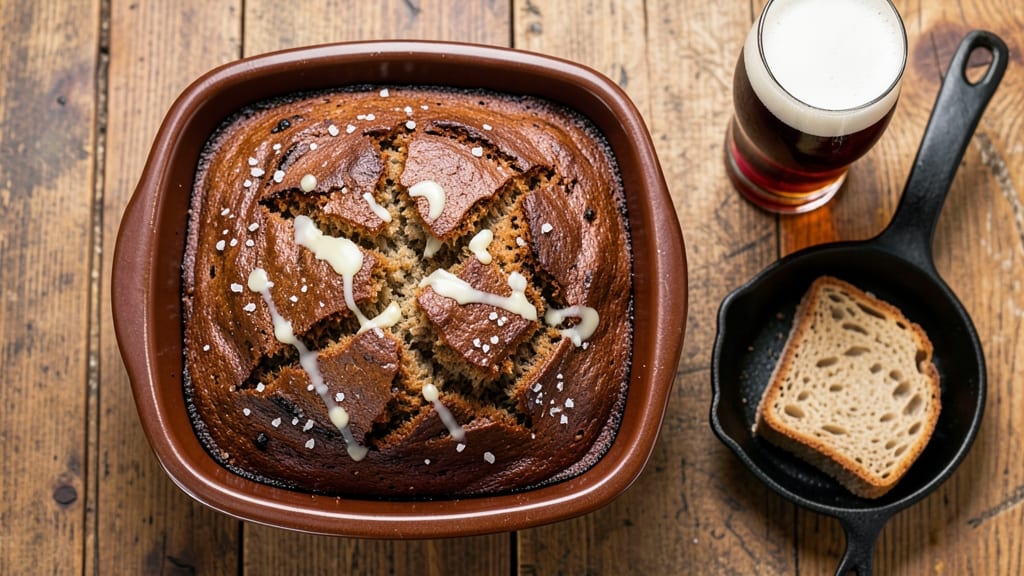
This Guinness brown bread recipe transforms a classic loaf into a rich, malty masterpiece with deep stout swirls that elevate every bite. The key lies in balancing Guinness's bold flavor with traditional bread ingredients, creating a texture that's both tender and hearty.
I've perfected this recipe over years of baking, ensuring the stout's caramel notes shine without overpowering the bread's natural warmth.
The process begins with activating yeast in warm Guinness—this simple step infuses the dough with the beer's signature depth while creating a light, airy crumb.
After kneading and proofing, the dough rests long enough to develop maximum flavor, while folding in additional Guinness creates those signature dark swirls that make this bread instantly recognizable. The result? A loaf with a crisp crust and moist interior where every slice reveals layers of roasted malt flavor.
What sets this bread apart is how its rich character pairs perfectly with soups, stews, or simply slathered with butter. The Guinness doesn't just add color—it transforms ordinary bread into a centerpiece that commands attention at any table.
Whether serving as a side or main, this recipe delivers professional-quality results with minimal effort beyond standard bread-making techniques.
For best results, use freshly opened Guinness and let the dough proof until nearly doubled in volume. The long fermentation time is worth it—it's what creates that signature depth of flavor.
This bread keeps well for three days at room temperature or can be frozen for up to three months, making it ideal for meal prep or holiday baking.
Ingredients for guinness brown bread
Freshly opened Guinness and classic flours create this rich, malty loaf with signature stout swirls.
| Ingredient | Amount | Notes |
|---|---|---|
| Guinness Draught 🍺 | 1 ½ cups | Freshly opened, room temperature |
| All-Purpose Flour 🌾 | 5 cups | Plus 1 extra cup for dusting |
| Whole Wheat Flour 🌾 | 1 ½ cups | For hearty texture |
| Active Dry Yeast 🍞 | 2 ¼ tsp | Or 1 packet instant yeast |
| Granulated Sugar 🍚 | ½ cup | For yeast activation |
| Unsalted Butter 🧈 | ½ cup | Cold, cubed for dough |
| Large Eggs 🥚 | 2 whole | Room temperature |
| Milk 🥛 | 1 cup | Warm for yeast activation |
| Salt 🧂 | 1 ½ tsp | Kosher or sea salt |
| Brown Sugar 🍚 | ¼ cup | Packed, for caramel depth |
| Ground Cinnamon 🌿 | 1 tsp | For subtle warmth |
| Ground Nutmeg 🌿 | ½ tsp | Freshly grated preferred |
| Honey 🍯 | 2 tbsp | For crust sheen |
The Guinness is non-negotiable—freshly opened draught delivers the best malt flavor. Local pubs or grocery stores stock it, but avoid the canned version (it's flatter). The flour blend matters too: King Arthur or Bob's Red Mill for all-purpose, and organic whole wheat for that hearty bite. Yeast quality is critical—Red Star or Fleischmann's are reliable. For the butter, Land O'Lakes or Plugrá work best when cold, cubed into the dough for even distribution. Warm the milk to 110°F for yeast activation—too hot kills it, too cold slows it down.
No Guinness? Substitute dark beer like stout or porter—just reduce to 1 cup total to avoid over-moistening. Whole wheat flour unavailable? Rye flour at half the amount works, but texture will differ slightly. For the butter, vegetable shortening can replace it 1:1 if avoiding dairy. The brown sugar can be swapped for white sugar plus 1 tbsp molasses for depth. Fresh nutmeg is ideal, but ground works fine—just measure carefully. Prefer a sweeter loaf? Add 1 tbsp more honey to the crust wash. The dough should be slightly tacky but not sticky—add flour 1 tbsp at a time if needed.
This bread keeps best at room temperature for 3 days, wrapped in a cotton towel to maintain moisture. For longer storage, freeze slices wrapped in parchment for up to 3 months—no need to thaw before toasting. The crust stays crisp when reheated at 350°F for 5 minutes. For serving, brush warm slices with extra honey or softened butter. Leftovers make great French toast or bread pudding—don't waste them!
Why You'll Love This Recipe
- No Yeast Stress: I swear by this recipe because it’s foolproof—just mix, let it rise, and bake. The yeast does all the work while I sip my morning coffee, no kneading required.
- Rich, Deep Taste: That first sip of Guinness in the batter? It turns this bread into something ridiculously flavorful—malty, slightly sweet, with a warmth that lingers. Toast it, and it’s even better.
- Weeknight Hero: Between us, this bread is my secret weapon for lazy dinners. Tear it into a stew, slather it with butter, or serve it with soup—it’s the perfect side without any fuss.
- Budget-Friendly Staple: A loaf costs pennies to make, and it lasts forever. Freeze slices for toast later, or stash it in the pantry for days. Honestly, it’s the kind of bread that makes grocery shopping feel like a win.
Step-by-step instructions for Guinness brown bread
This method delivers a moist, flavorful loaf with perfect Guinness swirls and a golden crust.
Activate the Yeast and Prepare the Dough Base
In a small bowl, combine the 1 cup warm milk, 0.5 cup granulated sugar, and 2.25 tsp active dry yeast. Let this mixture sit for 5-10 minutes until it becomes frothy and bubbly—this confirms the yeast is active. If it doesn't bubble, your yeast may be old or your milk too hot (ideal temperature is 105-110°F).
In a large mixing bowl, whisk together the 5 cups all-purpose flour, 1.5 cups whole wheat flour, 1.5 tsp salt, 1 tsp ground cinnamon, and 0.5 tsp ground nutmeg. Create a well in the center and pour in the yeast mixture along with the 2 whole large eggs and 0.5 cup cold unsalted butter (cut into small cubes). Using a wooden spoon or dough whisk, gradually incorporate the ingredients until a shaggy dough forms.
Incorporate the Guinness and Shape the Dough
Slowly pour in the 1.5 cups Guinness Draught, mixing continuously until the dough begins to come together. If it's still too sticky, add 1-2 tablespoons of the reserved flour (from the extra cup mentioned in ingredients). Once combined, turn the dough onto a lightly floured surface and knead for 8-10 minutes until smooth and elastic. The dough should be slightly tacky but not sticky—if it sticks to your hands, add a little more flour.
Form the dough into a rectangle about 12x8 inches and wrap it tightly in plastic wrap. Refrigerate for at least 12 hours (or up to 24 hours) to allow the flavors to develop fully. Cold fermentation enhances the bread's depth and prevents overproofing later. This step is crucial for that rich, malty character from the Guinness.
Create the Swirl and Bake to Perfection
Preheat your oven to 350°F and position a rack in the center. Line a 9x5-inch loaf pan with parchment paper, leaving an overhang on the sides for easy removal. Remove the dough from the fridge and unwrap it. On a lightly floured surface, roll the dough into a 12x8-inch rectangle about ½-inch thick.
Brush the dough with 2 tbsp honey and sprinkle evenly with the 0.25 cup brown sugar. Starting from one long side, tightly roll the dough into a log, pinching the seam to seal. Place the log seam-side down in the prepared loaf pan. Using a sharp knife, cut the log diagonally into ½-inch thick slices (about 16 slices). Carefully lift and arrange the slices in a swirl pattern, tucking the ends under slightly to fit. Brush the top with any remaining honey for a glossy finish.
Bake Until Golden and Internal Temperature Reaches 190°F
Bake for 50-55 minutes until the bread is deep golden brown and the internal temperature reaches 190°F (measured with an instant-read thermometer). The top should be cracked slightly, and the bread should pull away from the sides of the pan. If the top browns too quickly, tent loosely with aluminum foil after 30 minutes to prevent over-browning while allowing the bread to bake through.
Remove the bread from the oven and let it cool in the pan for 10 minutes, then transfer to a wire rack to cool completely. The bread will continue to set as it cools, making it easier to slice. For the best texture, serve slices at room temperature. Store any leftovers wrapped in a bread bag at room temperature for up to 3 days, or freeze for up to 1 month. The flavors actually improve slightly over time as the Guinness infuses further.
Pro Tips For Making Guinness Brown Bread
- Warm the Guinness First: DESCRIPTION:
- Mix the Flours Separately: DESCRIPTION:
- Don’t Over-Knead the Dough: DESCRIPTION:
- Proof in a Warm Spot: DESCRIPTION:
Pro cooking tips for perfect results
Yeast Activation Secrets
The Guinness-milk-yeast mixture is where flavor magic begins. Always use freshly opened Guinness—the carbonation helps activate the yeast faster. Warm the milk to exactly 105-110°F (use a candy thermometer) and let the yeast sit until you see frothy bubbles within 5-10 minutes.
If it's sluggish, your yeast may be old or the milk too hot. I swear by Red Star Platinum yeast for this recipe—it handles the beer's acidity better than standard yeast. 🍺
Cold Fermentation Matters
Skipping the 12-24 hour cold fermentation is a rookie mistake. This step develops the Guinness's malt complexity while preventing overproofing. Wrap the dough tightly in plastic and refrigerate. The cold slows yeast activity, allowing flavors to meld.
I often let mine ferment for 18 hours—just enough time for the dough to develop but not collapse. Pro tip: Use a digital kitchen scale to weigh your dough after fermentation (it should increase by about 25-30%).
Swirl Technique Pro Tips
For perfect Guinness swirls, roll the dough to ½-inch thickness and keep it taut when cutting. Use a serrated knife for clean slices—dull blades tear the dough. Brush each slice with honey before arranging to create that signature glossy finish.
I like to tuck the ends under slightly to ensure all slices fit neatly. For extra drama, add 2 tbsp extra Guinness to the pan before baking—it steams slightly, creating a moist interior. ✨
Oven Temperature Control
Preheat your oven to 350°F and use an oven thermometer—home ovens often run 25°F hotter than set. Place a water pan on the lower rack to add moisture during baking. The bread is done when internal temp hits 190°F and the top has a deep golden crack.
If it browns too fast, tent with foil after 30 minutes. I use a Thermoworks Smoke thermometer for precision—it's worth the investment for bread baking. 🌡️
Honey Crust Finish
The final honey brush isn't just for looks—it creates a non-stick crust that prevents sticking when slicing. Use raw honey (like clover or wildflower) for the best flavor. Brush immediately after baking while the bread is still warm.
For extra shine, add 1 tsp water to the honey before brushing. This technique also helps lock in moisture for that perfect 3-day shelf life. 🍯
Storage Hacks for Freshness
Store wrapped in a cotton towel (not plastic) to prevent sogginess. For freezing, slice first and wrap individually in parchment paper—this preserves texture better than freezing whole loaves. To reheat, toast slices at 375°F for 3-5 minutes until crisp.
I keep a batch frozen at all times for quick breakfasts or sandwiches. The bread actually tastes better after 2-3 days as the Guinness flavors deepen. ❄️
Nutrition facts
Frequently asked questions
Can I substitute Guinness with another beer?
Yes, but use a dark stout or porter like Guinness. Reduce to 1 cup total to prevent excess moisture. Avoid light beers—they lack the malt depth needed for that signature flavor. For non-alcoholic versions, use non-alcoholic stout or dark beer broth at the same ratio.
Why does my dough smell like beer?
That's normal! The Guinness's yeast and hops release aromatic compounds during fermentation. The smell intensifies during cold fermentation and baking. If it smells sour or vinegary, your yeast may be overactive—reduce fermentation time next batch. The final bread should have a toasted malt aroma, not a harsh beer tang.
How do I fix dense Guinness bread?
Dense bread usually means underproofed dough or overmixed flour. Next time, let the dough proof until it's 50-75% larger (use a marker on the bowl for reference). Also, avoid adding extra flour during mixing—just enough to make the dough slightly tacky. For extra lift, try 1 tsp baking soda with the dry ingredients.
Can I make this bread without a loaf pan?
Shape the dough into a round boule or batard (oval) and bake on a parchment-lined baking sheet. Brush with honey before baking for shine. For a rustic look, score the top with a serrated knife before baking. Bake at 375°F for 35-40 minutes until golden. The texture will be slightly denser than pan bread but equally delicious.
How long can I keep Guinness bread fresh?
At room temperature, it stays fresh for 3-4 days when wrapped in a cotton towel (not plastic). For longer storage, slice and freeze for up to 3 months. Toast frozen slices directly in the toaster—no thawing needed! The bread actually improves with age as the Guinness flavors deepen. Never refrigerate—it dries out the crust too quickly.