
Side Dishes
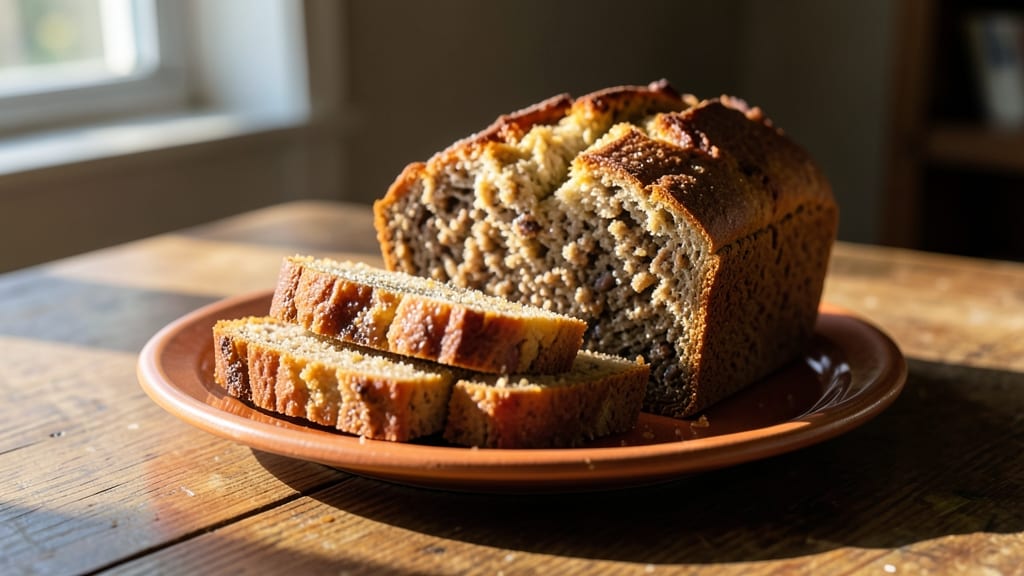
This Guinness beer bread recipe transforms a simple side into a rich, aromatic centerpiece that rivals any pub-style dish. The dark, malty depth of Guinness infuses the dough with a satisfying sweetness and a tender crumb that begs for another slice.
I’ve perfected this version to deliver that signature crusty exterior and moist interior—no shortcuts, just the right balance of hydration and texture.
The secret lies in letting the dough rest while the Guinness works its magic, developing flavors that store-bought loaves can’t match.
With just a handful of ingredients and 30 minutes of hands-on time (plus baking), you’ll have a loaf that’s crisp enough to hold butter like a sponge and soft enough to melt in your mouth.
The beer’s caramel notes and subtle bitterness create a complexity that turns ordinary bread into something extraordinary.
By the time it emerges from the oven, golden and fragrant, you’ll understand why this bread is a staple at pubs and dinner tables alike. Perfect for soaking up soups, pairing with stews, or simply slathered with butter, every slice carries that unmistakable Guinness character.
This isn’t just bread—it’s a flavor experience that elevates any meal.
Whether you’re hosting a dinner or just craving a hearty side, this recipe delivers restaurant-quality results with minimal effort. The key is patience—letting the dough rise and the beer’s flavors meld—so trust the process. Here’s how to make it perfectly every time.
Ingredients for guinness beer bread
Just 11 ingredients transform ordinary bread into a rich, malty masterpiece with Guinness.
| Ingredient | Amount | Notes |
|---|---|---|
| Guinness Draught 🍺 | 1 ½ cups | Room temperature preferred |
| All-Purpose Flour 🌾 | 3 ½ cups | Sifted for light texture |
| Unsalted Butter 🧈 | ½ cup | Cold and cubed |
| Granulated Sugar 🍚 | ½ cup | Light brown works too |
| Large Eggs 🥚 | 1 whole | Room temperature |
| Baking Powder 🍞 | 1 ½ tsp | Double-acting preferred |
| Salt 🧂 | 1 tsp | Kosher or sea salt |
| Fresh Milk 🥛 | ½ cup | Room temperature |
| Honey 🍯 | 2 tbsp | For extra malty depth |
| Vanilla Extract 🌸 | 1 tsp | Pure vanilla preferred |
| Toasted Sesame Seeds 🌰 | 2 tbsp | Optional for crunch |
The Guinness is non-negotiable—Guinness Draught has the perfect balance of roasted malt and subtle bitterness. Grab a bottle from the beer fridge (not the cooler—it’s supposed to be cold, not freezing). Room temperature works best for mixing, so let it sit for 10 minutes if straight from the fridge. I always buy a second bottle because I drink half while making the dough. The honey and vanilla boost the caramel notes, so don’t skip them. For flour, King Arthur or Gold Medal work best—they’ve got that light, airy quality that’s key for a tender crumb.
No Guinness? Stout beer works in a pinch, but it’ll lack that signature sweetness. Substitute 1 cup of strong black tea (like Earl Grey) if you’re desperate, but add 1 extra tbsp of honey to compensate. The butter must be cold—softened but not melted, or your crust will suffer. For the sesame seeds, toast them in a dry pan for 1-2 minutes until golden—they add a nutty crunch that ties everything together. If you’re gluten-sensitive, swap the all-purpose flour for a 1:1 gluten-free blend, but expect a denser texture.
This dough is best made fresh, but you can prep it 1 day ahead—just shape the loaf and refrigerate. Let it sit at room temp for 30 minutes before baking. The baked loaf keeps well for 3-4 days wrapped in foil, but it’s best eaten within 2 days for that perfect crust. Freeze slices for up to 3 months—toast directly from frozen. Pro tip: Brush warm slices with melted butter while still hot for that pub-style richness.
Why You'll Love This Recipe
- A single loaf lasts me days: toasted with jam for breakfast, buttered for lunch, or even cubed into croutons. The butter and sugar keep it moist, so it doesn’t dry out like regular bread. My wallet (and my snack stash) thank me.
- No Yeast Hassle: Mixing the dough is basically foolproof—just stir, pour, and bake. The Guinness does all the rising work for you, so no waiting around for yeast to wake up or kneading until your arms give out.
- Rich, Malty Depth: That first pull-apart bite? Warm, slightly sweet, with a deep roasted flavor from the Guinness cutting through the buttery richness. Honestly, it’s the kind of bread that makes you pause mid-slice just to savor it.
- Weeknight Workhorse: Toss it in the oven while you grill steaks or simmer a pot of chili—it’s done in under an hour. Between us, this is the bread I grab when I’m too tired for fancy dinner plans but still want something impressive.
Step-by-step instructions for Guinness beer bread
Here's how to create a loaf with a perfect crusty exterior and tender, malty interior.
Mix Wet Ingredients for a Rich Foundation
In a large mixing bowl, combine the 1.5 cups Guinness Draught with the 0.5 cup granulated sugar and 2 tbsp honey. Stir until the sugar and honey dissolve completely, creating a smooth, slightly thick batter. The beer should be room temperature for best results—this prevents the butter from melting too quickly later.
Next, add the 0.5 cup unsalted butter, cut into small cubes, to the beer mixture. Use a wooden spoon or rubber spatula to gently fold the butter into the liquid until it's fully incorporated. The mixture will look slightly oily, and that's exactly what we want—the butter will create a tender crumb while the beer adds moisture and depth of flavor.
Finally, stir in the 1 whole large egg and 1 tsp vanilla extract. Mix until the egg is fully combined and the batter looks uniform. Here's the thing—don't overmix at this stage. You want to maintain some small air pockets that will help create that light, airy texture we're after.
Combine Dry Ingredients for Light Texture
In a separate medium bowl, whisk together the 3.5 cups all-purpose flour, 1.5 tsp baking powder, and 1 tsp salt. I like to use a whisk for this step to ensure the baking powder is evenly distributed throughout the flour. This prevents any potential bitter aftertaste and guarantees even rising.
Real talk: sifting the flour at this stage makes a noticeable difference in the final texture. If you have a sifter, use it now. The extra effort removes lumps and incorporates air, which leads to a lighter, more tender bread. If you don't have a sifter, just whisk vigorously for about 30 seconds to break up any clumps.
Make a well in the center of your dry ingredients and pour in the wet mixture. Using a rubber spatula, gently fold the dry ingredients into the wet until just combined. You'll notice the batter will be thick and sticky—this is normal. The moment you see a few dry spots remaining is when you stop mixing. Overmixing develops gluten and can make the bread dense instead of tender.
Add Milk and Sesame Seeds for Final Mixing
Pour in the 0.5 cup fresh milk and gently fold it into the batter until fully incorporated. The milk helps hydrate the gluten just enough to create a tender crumb without making the bread gummy. At this point, stir in the 2 tbsp toasted sesame seeds, reserving a small handful for topping later if desired.
This is where the magic happens: the batter should be thick enough to hold its shape when dropped from a spoon, but still pourable. If it's too thick, you can add a splash more milk—just enough to make it workable. The ideal consistency is somewhere between cake batter and pancake batter, with a slight sheen on top.
Transfer the batter to a greased 9x5-inch loaf pan. Here's my pro tip: don't worry if it doesn't fill the pan completely. The bread will rise and spread as it bakes. Sprinkle the reserved sesame seeds on top for that perfect crunchy finish, and gently swirl them into the batter with a knife if you prefer an even distribution throughout.
Bake to Golden Perfection
Preheat your oven to 375°F while you prepare the batter. Once the oven reaches temperature, place the loaf pan inside and bake for 50-55 minutes. You'll know it's ready when the top is deep golden brown and a toothpick inserted in the center comes out clean with just a few moist crumbs clinging to it.
I always recommend starting the check at the 50-minute mark—your oven might run hot, and you don't want to overbake. The bread should have a beautiful crust that's crispy on the outside but still tender underneath. If you notice the top browning too quickly, tent the pan with aluminum foil to prevent over-browning while allowing it to continue baking.
Remove the bread from the oven and let it cool in the pan for 10 minutes. Then transfer it to a wire rack to cool completely. This resting period is crucial—it allows the internal structure to set properly and prevents the bread from becoming gummy. Once cooled, slice it thickly for that perfect ratio of crusty exterior to tender interior.
Pro Tips For Making Guinness Beer Bread
- WARM THE GUINNESS FIRST: Pour your Guinness into a heatproof measuring cup, then place it in a bowl of warm water for 2-3 minutes before mixing. Cold beer slows yeast activation—this gets the dough rising faster, especially if your kitchen’s chilly. I learned this the hard way when my first batch took three hours to proof instead of the promised 1-2.
- USE ROOM-TEMP BUTTER: Take your unsalted butter out of the fridge 30 minutes before mixing—soft enough to press with a finger but not greasy. Cold butter creates pockets in the dough that won’t bake evenly, leading to dense spots. (Yes, even if you’re impatient like me.)
- DON’T OVERMIX THE DOUGH: Stir the wet and dry ingredients together just until combined—lumps are fine. Overworking the dough develops gluten, which makes the bread tough instead of tender. I used to mix like I was kneading bread, and the texture suffered.
- BAKE UNTIL 190°F INTERNAL: The bread’s done when the center hits 190°F (use an instant-read thermometer). A toothpick test is unreliable here—the Guinness moisture can make it look "done" when it’s still gummy inside. Pull it at 185°F and tent with foil for 5 minutes if the top browns too fast.
Perfect pairings for guinness beer bread
Butter Pairings
This bread’s rich, malty depth demands a butter that complements its caramel notes. I always reach for European-style cultured butter like Plugrá or Kerrygold—their tangy depth enhances the beer’s roasted flavors. For extra decadence, mix softened butter with 1 tbsp honey and a pinch of sea salt before spreading.
The salt cuts through the sweetness while the honey echoes the bread’s malty undertones. 🧈
Soup Companions
Guinness beer bread is a match made in pub heaven with hearty soups. A steaming bowl of Irish stew becomes even cozier when paired with this bread—its crusty exterior soaks up the rich gravy while the tender crumb balances the meaty flavors.
For something lighter, try it with creamy potato-leek soup; the bread’s malty sweetness contrasts beautifully with the soup’s earthy notes. I often serve it with a side of Guinness-stout chili for a bold, warming combo.
Cheese Boards
Elevate your cheese board by pairing this bread with aged cheddar and blue cheese. The bread’s buttery richness stands up to sharp cheeses like Stinking Bishop or Cabrales, while milder options like brie or camembert let the beer’s flavors shine.
Add cured meats like prosciutto or salami to round out the board. For a sweet contrast, include dark chocolate squares (70% or higher)—the bitterness mirrors the beer’s roasted notes.
Beverage Pairings
Guinness isn’t just in the bread—it’s the perfect drink pairing too! Serve slices with a cold Guinness Draught for a classic combo that lets the flavors sing together. For something different, try a dry Irish whiskey like Jameson—its smoky notes complement the bread’s caramel and malt.
Non-alcoholic options? A chilled ginger beer like Fever-Tree adds a spicy kick that cuts through the richness. 🍺
Sweet Contrasts
Balance the bread’s richness with sweet spreads like fig jam or clotted cream. The jam’s fruity acidity brightens the malty flavors, while the cream’s velvety texture adds a luxurious touch.
For a dessert twist, serve warm slices with vanilla bean ice cream—the beer’s depth pairs surprisingly well with creamy sweetness. I also love drizzling melted dark chocolate over slices for a decadent treat.
Savory Spreads
For a savory bite, slather slices with garlic-herb butter or spicy mustard. Mix softened butter with minced garlic, fresh rosemary, and a pinch of flaky sea salt for a fragrant spread.
For heat lovers, blend Dijon mustard with a splash of Guinness and a drizzle of olive oil—this creates a tangy, malty condiment that’s irresistible. Both options turn simple slices into a flavorful experience. 🌶️
Nutrition facts
Frequently asked questions
Why does this bread use Guinness instead of regular beer?
Guinness adds a unique depth of flavor that regular beers can't match. Its roasted malt and subtle bitterness create a rich, caramel-like sweetness that transforms ordinary bread into something extraordinary. The beer's carbonation also helps create a tender, airy crumb that's perfect for soaking up soups or spreads.
Can I make this bread without a loaf pan?
Shape the dough into a free-form loaf on a baking sheet lined with parchment paper. Brush it with melted butter before baking for a crispier exterior. For extra flavor, sprinkle with sesame seeds or coarse salt. The baking time will be slightly shorter—about 40-45 minutes at 375°F—since it's exposed on all sides.
What's the best way to store leftover beer bread?
Wrap the cooled loaf tightly in plastic wrap or aluminum foil to keep it fresh for up to 3-4 days at room temperature. For longer storage, slice the bread and freeze the pieces on a tray before transferring to a sealed bag. Toast frozen slices directly in the toaster or oven for 5-7 minutes at 350°F to restore freshness.
Can I substitute the Guinness with another beer?
While you can use stout or porter, Guinness provides the perfect balance of sweetness and bitterness. For a similar effect, choose a dry stout like Guinness Foreign Extra Stout or a dark ale. If you're out of beer entirely, a strong black tea (like Earl Grey) works in a pinch—just add an extra 1 tbsp of honey to compensate for the missing malt flavors.
How do I fix a dense or gummy beer bread?
Dense bread usually means overmixing developed too much gluten. For future bakes, mix just until combined and avoid kneading. If your bread turns out gummy, it likely didn't bake long enough—try increasing the time by 5-10 minutes next time. Also ensure your baking powder is fresh (test it by mixing with water—it should bubble vigorously). For immediate fixes, toast slices lightly to crisp up the exterior.