
Side Dishes
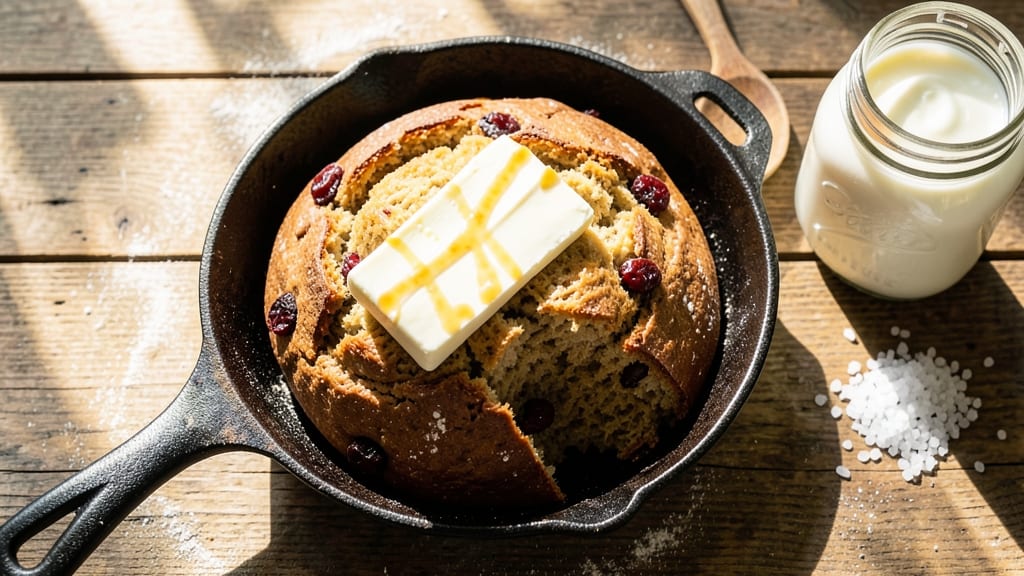
Grandma's soda bread recipe brings the comforting aroma of Irish tradition to your kitchen with just four simple ingredients and no yeast required. This rustic bread, passed down through generations, delivers tender crumb and crispy crust in under 15 minutes of active time—perfect for busy weeknights or holiday gatherings.
The magic happens when buttermilk reacts with baking soda, creating that signature tangy flavor and airy texture that makes this bread irresistible.
What sets this recipe apart is its simplicity and versatility. You won't find complicated techniques or lengthy prep—just mix, shape, and bake.
The traditional method calls for basic pantry staples like all-purpose flour and baking soda, but you can easily customize it with add-ins like raisins, seeds, or even cheese for extra flavor. The no-knead approach means even beginners can achieve professional results every time.
The result is a golden-brown loaf with a tender interior and slightly crisp exterior, perfect for serving warm with butter or alongside soups and stews. This bread holds cultural significance as a staple in Irish cuisine, but its universal appeal makes it a favorite in kitchens worldwide.
Whether you're baking for tradition or convenience, this recipe delivers authentic flavor without the fuss.
Once you try this method, you'll understand why families have relied on it for generations. The combination of buttermilk's tang and the bread's rustic charm creates a comforting experience that transforms any meal. Let's get started on creating your own piece of culinary history.
Ingredients for grandma's soda bread
Four core ingredients plus optional extras—this is what makes Grandma's soda bread legendary.
| Ingredient | Amount | Notes |
|---|---|---|
| All-Purpose Flour 🌾 | 3 ½ cups | Unbleached preferred for texture |
| Buttermilk 🥛 | 1 ½ cups | Room temperature for best rise |
| Baking Soda 🧂 | 1 tbsp | Freshly opened for potency |
| Salt 🧂 | 1 tsp | Diamond Crystal preferred |
| Unsalted Butter 🧈 | ½ cup | Cold, cubed for crisp crust |
| Raisins 🍇 | ½ cup | Optional, plump and rinsed |
| Fresh Rosemary 🌿 | 1 tbsp | Chopped, stems removed |
| Fresh Parsley 🌿 | 1 tbsp | Chopped, for freshness |
The flour is the foundation, so King Arthur or Bob's Red Mill are my go-tos—they handle the buttermilk's tang beautifully. Buttermilk needs to be room temperature (stick it in warm water for 10 minutes if it's cold), or your bread might turn out dense. Whole Foods or local bakeries often have the best quality flour, but any all-purpose will work in a pinch. The baking soda must be fresh—if it's more than six months old, your bread won't rise properly. For the butter, Plugrá or Land O'Lakes are reliable, but European-style unsalted butter gives the best flavor. I always grab extra butter because it's worth the crispy crust it creates.
No buttermilk? Mix 1 cup milk with 1 tbsp vinegar or lemon juice and let it sit for 5 minutes. For the raisins, golden raisins work better than dark—they stay plump longer. Fresh herbs are ideal, but dried rosemary at half the amount gets you close. Skip the parsley if you're in a hurry, but trust me, it adds that fresh finish. The salt is crucial—Diamond Crystal measures differently than table salt, so use the exact amount. If you're feeling adventurous, swap half the flour for whole wheat or add 1/4 cup chopped walnuts for texture.
This dough keeps for 2 days in the fridge, wrapped tightly. For best results, bake it the same day you mix it—fresh dough rises better. The loaf reheats beautifully: wrap in foil and warm in a 350°F oven for 10 minutes. Store leftovers in a paper bag at room temperature to keep them soft. Freeze portions for up to 3 months—just thaw overnight in the fridge. I always make two loaves: one for toasting, one for freezing.
Why You'll Love This Recipe
- No-Fuss Mixing: I swear, this comes together with just a bowl and a spoon—no stand mixer, no fuss. The buttermilk and baking soda do all the work while I stir, and that little pat of butter at the end? Pure magic for texture.
- Buttermilk Magic: That tangy buttermilk punch is the star—crisp outside, tender inside, with a flavor that’s almost like a cross between a biscuit and a scone. Honestly, I’ll take this over store-bought any day.
- Weeknight Superhero: Slice it fresh for toast, pack it for lunch, or freeze half for when you’re too tired to bake. It’s my go-to for when I’ve got a hungry family and zero energy—still feels special, but zero stress.
- Pantry Staple: Flour, buttermilk, butter—ingredients you already own. Between us, this is the kind of bread that makes grocery runs feel pointless because you’re always stocked. And leftovers? They last forever if you freeze them.
Step-by-step instructions for Grandma's soda bread
This no-knead method delivers rustic texture and buttery richness with minimal effort.
Combine Dry Ingredients for Maximum Rise
In a large mixing bowl, whisk together the 3.5 cups all-purpose flour, 1 tablespoon baking soda, and 1 teaspoon salt. I like to use a whisk for this step to ensure the baking soda distributes evenly throughout the flour—uneven distribution can lead to uneven rise. Sift the mixture if your flour has lumps, but don't skip this step entirely; the baking soda needs to be fully incorporated for that signature soda bread tang.
Next, fold in the 0.5 cup raisins and 1 tablespoon chopped fresh rosemary using your fingers or a fork. You want the raisins to be evenly distributed but not mashed—think of them as little flavor pockets waiting to burst in every bite. The rosemary should be finely chopped to avoid any harsh stems that could affect the texture. I always give this a quick taste at this stage to ensure the rosemary is aromatic and not bitter.
Cut in the Cold Butter for Crisp Crust
Add the 0.5 cup cold, cubed unsalted butter to the dry mixture. Using a pastry cutter or your fingertips, work the butter into the flour until you achieve pea-sized crumbs with some larger, flour-dusted butter pieces remaining. This technique creates pockets of fat that will melt during baking, resulting in that coveted crisp crust and tender crumb.
Don't overwork the butter—just until the mixture resembles coarse sand. If you're using your fingers, press the butter into the flour with your thumb and forefinger until it breaks into small pieces. The butter should still feel cold to the touch; if it starts to soften too quickly, place the bowl in the refrigerator for 5 minutes while you prepare the buttermilk.
Mix in Buttermilk for Perfect Texture
Create a well in the center of your dry mixture and pour in the 1.5 cups room-temperature buttermilk. Using a wooden spoon or silicone spatula, gently fold the buttermilk into the flour until just combined. You'll notice the dough come together quickly—this is normal for soda bread. The mixture should be sticky but manageable; if it's too wet, add 1 tablespoon more flour to bring it into a soft dough.
I always stop mixing as soon as the dough forms a shaggy mass. Overmixing develops gluten, which can make the bread dense instead of tender. The dough should hold together when pressed gently but still feel slightly sticky to the touch. This is the perfect consistency for soda bread—just cohesive enough to shape without being stiff.
Shape and Score for Classic Presentation
Turn the dough out onto a lightly floured surface and gently shape it into a round loaf about 1 inch thick. I like to use wet hands for this step—dampening your fingers prevents the sticky dough from sticking to your hands. Press the dough down slightly to create an even surface, but don't flatten it completely; you want some height for that classic soda bread shape.
Place the loaf on a parchment-lined baking sheet. Using a sharp serrated knife or razor blade, score the top of the loaf with a deep cross about ½ inch wide. This isn't just for looks—the scoring allows the bread to expand evenly as it bakes, preventing it from cracking unpredictably. The cross pattern also creates those beautiful, crispy edges that make soda bread so special.
Bake Until Golden and Hollow-Sounding
Preheat your oven to 425°F while the dough rests for 10 minutes at room temperature. This short rest allows the gluten to relax slightly, making the bread easier to handle and preventing it from shrinking back during baking. The dough should feel slightly springy when pressed gently—this is your cue that it's ready.
Bake the bread for 25-30 minutes until the top is deep golden brown and sounds hollow when tapped on the bottom. I always check for doneness by tapping the bottom—it should sound like a drum, not a dull thud. The internal temperature should reach 190-200°F at the center. If the top browns too quickly, tent the bread with foil after 15 minutes to prevent over-browning while ensuring the interior cooks through.
Remove the bread from the oven and let it cool on a wire rack for at least 15 minutes before slicing. This resting period allows the steam to escape, preventing a gummy interior. The bread will continue to firm up as it cools, developing that perfect crumb texture. Serve warm with butter or jam for the ultimate rustic experience.
Pro Tips For Making Grandma'S Soda Bread
- MEASURE BUTTERMILK PRECISELY: Use a liquid measuring cup, not a dry one—this stuff pours like a dream but hides in the cracks. One tablespoon too much and your bread gets gummy; too little and it’ll dry out faster than your patience on a busy morning.
- LET THE DOUGH REST: After mixing, give it 10 minutes to sit while you preheat the oven—no stirring, no poking. I learned this the hard way when I rushed and ended up with a dense brick instead of that airy crumb.
- CUT THE BUTTER COLD: Grate or cube the butter and freeze it for 15 minutes before mixing—it melts slower and creates those perfect pockets of richness. Skip this, and you’ll get greasy streaks instead of flaky layers.
- TEST DONENESS WITH A KNIFE: Tap the bottom with a paring knife—if it comes out clean, it’s done. Relying on time alone is a gamble; some ovens run hot, and you don’t want a raw center or a burnt crust. (Yes, even if you’re impatient like me.)
Serving suggestions for this grandma's soda bread
Classic Butter Pairing
Nothing beats the simplicity of sliced European-style unsalted butter melting into warm soda bread straight from the oven. I always use Plugrá or Land O'Lakes—their high butterfat content creates the perfect balance of richness.
For an extra touch, try salted butter if you prefer a hint of saltiness, but unsalted lets the bread's natural flavors shine. 🧈
Irish Tea Tradition
Serve warm slices with a steaming cup of Irish breakfast tea—the robust malty notes complement the bread's tangy crumb beautifully. I recommend Tetley Tea or Clifford's Tea for that authentic Irish experience.
Add a splash of heavy cream or a dollop of clotted cream for a luxurious finish that's especially popular in the UK and Ireland.
Jam or Honey Spread
Sweetened with raspberry jam or honey transforms this bread into a breakfast staple. I love St. Morel's raspberry jam for its vibrant flavor or local honey for a more artisanal touch. The acidity of the jam cuts through the bread's richness, while honey adds a delicate floral note.
For a savory twist, try apple butter or fig jam—both pair wonderfully with the bread's buttery crust.
Soup and Stew Companion
This bread is a natural match for hearty soups and stews. Its sturdy texture holds up perfectly to Irish stew, clam chowder, or even tomato soup. I often serve it with a bowl of New England clam chowder—the bread soaks up the creamy broth beautifully.
For a lighter option, pair it with vegetable soup and a sprinkle of Parmesan cheese on top.
Cheese Board Star
Add a slice of soda bread to your next cheese board for a rustic touch. I recommend sharp cheddar, blue cheese, or brie—the bread's tangy crumb contrasts beautifully with creamy and aged cheeses.
Add cured meats like prosciutto or salami for a full charcuterie experience. The bread's crisp edges make it perfect for dipping into cheese spreads or hummus.
Breakfast Toast Perfection
Toast thick slices in a cast-iron skillet until golden brown and crisp. Top with scrambled eggs, avocado slices, or smoked salmon for a gourmet breakfast. I also love spreading cream cheese and adding sliced cucumber and smoked salmon for a bagel-inspired twist.
The bread's dense texture holds up perfectly to these toppings without becoming soggy. 🍳
Nutrition facts
Frequently asked questions
Why does soda bread need baking soda?
The baking soda creates a chemical reaction with the buttermilk's acidity, producing carbon dioxide gas that makes the bread rise. Without it, your loaf would be dense and flat. Always use fresh baking soda—older versions lose potency and won't give that signature lift.
Can I make this bread without buttermilk?
Yes! Mix 1 cup milk with 1 tablespoon vinegar or lemon juice and let it sit for 5 minutes to mimic buttermilk's tang. For extra richness, use whole milk instead of skim. The bread will still turn out tender, though the flavor won't be identical.
What if my dough is too sticky to handle?
Add 1 tablespoon flour at a time until the dough is just manageable. Overworking it can make the bread tough, so keep mixing to a minimum. Wet hands help prevent sticking when shaping—just dip them in water before handling the dough.
How do I store leftover soda bread?
Keep it in a paper bag at room temperature for up to 3 days to maintain freshness. For longer storage, slice the bread and freeze portions in an airtight container for up to 3 months. Thaw overnight in the fridge for best texture.
Can I add other mix-ins besides raisins?
Try sunflower seeds, chopped walnuts, or shredded cheese for extra texture. For savory versions, swap raisins for caramelized onions or herbs like thyme. Just remember to adjust the recipe's balance—too many add-ins can make the bread dense.