
Side Dishes
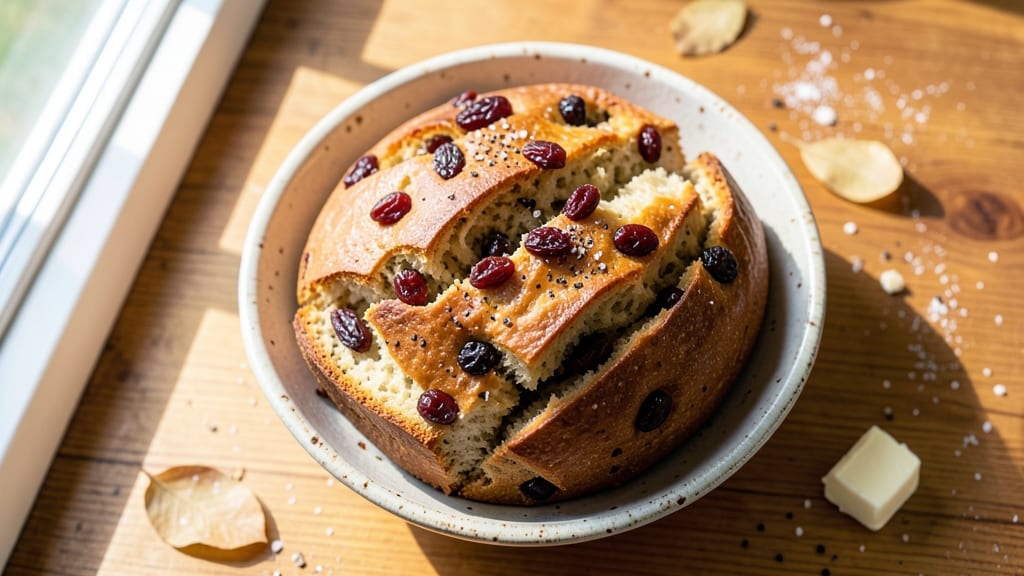
Grandma's raisin bread recipe brings back the comforting aroma of home-baked loaves filled with sweet, plump raisins and warm spices that make every slice unforgettable. The secret lies in soaking the raisins overnight—this simple step transforms them from chewy to burstingly juicy with each bite.
I've perfected this recipe over years of baking, balancing tender crumb with crisp edges that hold up beautifully for days.
This traditional method requires patience but delivers restaurant-quality results you won't find in store-bought loaves. The dough develops deep flavor during a slow rise, while cinnamon and nutmeg infuse each slice with cozy warmth.
For those short on time, I'll show you how to adapt the recipe using quick-rise yeast without sacrificing texture or taste.
What you'll end up with is a golden loaf with a crackly crust, soft interior, and raisins that stay moist and sweet throughout. The aroma alone will have everyone gathering in the kitchen, and each slice reveals perfectly balanced sweetness from the raisins and subtle spicing.
This bread pairs beautifully with butter, jam, or even as a side to soups and stews.
I'll share my grandma's exact techniques for shaping the dough and baking it to perfection, plus variations like adding orange zest or walnuts for extra depth. Whether you bake it for a family gathering or just to enjoy with morning coffee, this recipe brings comfort and tradition to your table.
Ingredients for grandma's raisin bread
Eight simple ingredients transform into a loaf with golden crust and juicy raisins.
| Ingredient | Amount | Notes |
|---|---|---|
| All-Purpose Flour 🌾 | 5 cups | Sifted for best texture |
| Active Dry Yeast 🍞 | 2 ¼ tsp | Quick-rise or standard |
| Granulated Sugar 🍬 | ½ cup | For dough feeding |
| Unsalted Butter 🧈 | ½ cup | Softened, not melted |
| Large Eggs 🥚 | 2 whole | Room temperature |
| Whole Milk 🥛 | 1 cup | Warmed to 110°F |
| Sea Salt 🧂 | 1 ½ tsp | Fine grain preferred |
| Ground Cinnamon 🌿 | 2 tsp | Freshly ground preferred |
| Ground Nutmeg 🌿 | ½ tsp | Freshly grated nutmeg |
| Plump Raisins 🍇 | 1 ½ cups | Soaked overnight in warm water |
| Warm Water 💧 | ½ cup | 110°F for yeast activation |
| Cornmeal 🌽 | ¼ cup | For dusting baking sheet |
| Honey 🍯 | 2 tbsp | Optional for egg wash |
The raisins are non-negotiable—plump, seedless ones like Thompson or Sultan work best. Trader Joe's and Whole Foods carry the good stuff in bulk. Soak them overnight in warm water (they'll triple in size!)—this makes all the difference. For the flour, King Arthur or Gold Medal brands give the best rise. The yeast? Check the expiration date—old yeast means a flat loaf. And if you're using quick-rise yeast, cut the proofing time by about half, but taste the dough first to ensure it's ready.
No plump raisins? Dried cranberries or chopped dates work in a pinch, but soak them too. Short on cinnamon? Cardamom or allspice add warmth, though the flavor shifts. The butter needs to be softened but not melted—microwave 30 seconds if it's too cold. For a dairy-free option, swap the butter and milk for vegetable oil and almond milk. The honey in the egg wash is optional but gives that gorgeous golden crust. If you forget it, just use egg wash alone—still delicious.
This dough keeps beautifully—3 days in the fridge wrapped in plastic or 3 months in the freezer. Shape it into a loaf, wrap tightly, and freeze. To bake from frozen, add 10-15 minutes to the time. The bread stays fresh for 5 days at room temperature if wrapped in a clean kitchen towel. Slice it thick—1/2-inch slices hold up best. Leftovers? Toast them for extra crispiness.
Why You'll Love This Recipe
- No-Measurement Madness: Between us, I’ve burned bread over complicated ratios—but this? Just flour, yeast, sugar, butter, and eggs. That’s it. Honestly, even my college-dorm self could’ve pulled it off with a kitchen scale or a mug.
- Sweet-Soft Magic: The butter and sugar team up to make the crumb so tender it practically melts in your mouth, while the raisins plump up like little bursts of jam. I’ll be real: I’ve been known to eat it straight from the loaf, no shame.
- Breakfast to Brunch: Toast it for breakfast, slice it for charcuterie, or pack it for lunch—this bread handles everything. My go-to? Buttered slices with jam on a lazy Sunday, or torn over soup when I’m too tired to cook.
- Pantry Goldmine: Uses staples you already own, and a single batch lasts me a week. Between us, I’ve fed a houseful of guests with half a loaf—it’s the kind of recipe that turns leftovers into a win, not a chore.
Step-by-step instructions for grandma's raisin bread
Here's how to make this comforting loaf with tender crumb and bursts of sweet raisins.
Activate the Yeast and Mix the Dough
In a small bowl, combine the 0.5 cup warm water (about 110°F) with the 0.5 cup granulated sugar and 2.25 tsp active dry yeast. Let it sit for 5-10 minutes until foamy—this confirms your yeast is active. If it doesn't bubble, start over with fresh yeast.
In a large mixing bowl, whisk together the 5 cups all-purpose flour and 1.5 tsp sea salt. Then add the 0.5 cup softened unsalted butter, 2 whole large eggs, 1 cup whole milk, 2 tsp ground cinnamon, and 0.5 tsp ground nutmeg. Mix until combined, then pour in the yeast mixture. Stir with a wooden spoon until a shaggy dough forms.
Knead Until Smooth and Elastic
Turn the dough onto a lightly floured surface and knead for 8-10 minutes by hand, or use a stand mixer with a dough hook for 5-7 minutes on medium speed. You're looking for a dough that's smooth, elastic, and springs back when pressed—this ensures a tender crumb.
If the dough feels too sticky, add 1 tablespoon of flour at a time until it comes together. Shape it into a ball, place it back in the bowl, and cover with a damp towel. Let it rise in a warm spot for 1-2 hours, or until doubled in size. Poke it gently—if it springs back slowly, it's ready.
Fold in Raisins and Shape the Loaf
Drain the 1.5 cups plump raisins (if soaked overnight) and pat them dry. Gently fold them into the risen dough by hand, being careful not to deflate it. This step ensures the raisins are evenly distributed throughout the loaf.
Shape the dough into a 9x5-inch loaf pan by pressing it down lightly and letting it rise again for 30-45 minutes. The dough should puff up slightly but not overflow the pan. Brush the top with 2 tbsp honey (optional) for a subtle sweetness and extra shine.
Bake to Golden Perfection
Preheat your oven to 350°F and dust a 9x5-inch loaf pan with 0.25 cup cornmeal to prevent sticking. Transfer the dough into the pan and bake for 35-40 minutes, until the top is golden brown and the internal temperature reaches 190°F—a toothpick inserted into the center should come out clean.
For the best texture, let the bread cool in the pan for 10 minutes before transferring it to a wire rack. This resting period allows the moisture to redistribute, preventing a gummy crumb. Slice when fully cooled for clean, even pieces.
Pro Tips For Making Grandma'S Raisin Bread
- Bloom the Yeast Properly: Skip the guesswork—mix the yeast, warm milk (110°F), and a pinch of sugar in a bowl first, then wait 5–10 minutes until it foams like a tiny beer. Cold milk kills it; hot milk cooks it. I learned this the hard way when my loaf turned out dense as a brick.
- Soften Butter First: Don’t melt it—rub the cold butter into the flour with your fingers until it’s crumbly but still holds shape. Melted butter makes the dough greasy and gummy, and your raisins won’t cling like they should. Trust me, this step actually changes the texture.
- Don’t Overwork the Dough: Mix just until the dough comes together—no need to knead like a bread machine. Overworking activates the gluten too much, and your bread turns out tough instead of tender. A few gentle folds after the first rise is enough.
- Use Warm Raisins: Toss the raisins in warm water (or even a splash of rum or orange juice) for 10 minutes before adding them to the dough. They’ll plump up and taste less like dried-up prunes. Sounds weird, but it works—your bread will be sweeter and juicier.
Regional styles of these flavors
Southern Comfort Style
In the American South, raisin bread often gets a deeper spice profile with 1 tsp freshly grated orange zest and ½ tsp cloves added to the dough. I like using Golden Raisins instead of plump ones for a chewier texture, and I fold in ½ cup chopped pecans for crunch.
This version pairs perfectly with sweet tea and is a staple at Southern breakfast tables. 🌶️
German Sweet Bread
German bakeries often make a richer version called Raisin Bread (Rosinenbrot) by adding ¼ cup melted butter to the dough and ½ cup currants alongside the raisins. The dough is shaped into a round loaf and baked in a pullman pan for a crispy bottom crust.
Serve it with butter and jam or as a side to sausage dishes. The spices here lean more toward cardamom and allspice instead of cinnamon.
Italian Panettone-Inspired
For a festive twist, I’ve adapted this into a mini panettone-style loaf by adding ½ cup candied citrus peel and ¼ cup chopped candied cherries to the dough. The dough is shaped into a round boule and baked in a flour-dusted banneton.
Brush the top with egg wash and sprinkle with powdered sugar after baking. This version shines at Christmas gatherings and keeps for up to 1 week wrapped in cloth.
Swedish Cardamom Raisin
Swedish bakeries often infuse their raisin bread with 1 tbsp ground cardamom and ½ cup dried cranberries instead of raisins. The dough is enriched with 2 extra egg yolks for a denser crumb, and it’s baked in a round cast-iron skillet for a rustic look.
Serve it with lingonberry jam and cheese for a savory-sweet balance. The cardamom adds a warm, floral note that complements the tartness of the cranberries.
Modern Quick-Rise Adaptation
For a faster version, swap the active dry yeast for 1 packet (2¼ tsp) quick-rise yeast and reduce the first rise to 30 minutes. I also add 1 tsp baking powder to the dough for extra lift.
This version works well with dried apricots or chopped dates and bakes in 25 minutes. Perfect for weeknight breakfasts or last-minute gatherings—just don’t skip the overnight raisin soak! ⏰
Dairy-Free Vegan Twist
To make this bread vegan, replace the butter and milk with ½ cup melted coconut oil and 1 cup unsweetened almond milk. Use flax eggs (2 tbsp ground flaxseed + 6 tbsp water) and nutritional yeast for a cheesy flavor.
The raisins stay just as juicy, and the crust turns golden and crispy when brushed with maple syrup instead of honey. This version is a hit with plant-based families and keeps well for 5 days wrapped in a towel. 🌱
Nutrition facts
Frequently asked questions
Why should I soak the raisins overnight?
Soaking transforms the raisins from chewy to plump and juicy, releasing their natural sweetness and plumping them up beautifully. The dough absorbs this moisture, creating a moist crumb with bursts of flavor in every bite. For best results, use warm water and let them soak for at least 4 hours—overnight is ideal.
Can I substitute raisins with something else?
Try dried cranberries (soaked first) for tartness or chopped dates for caramelized sweetness. For a nutty twist, add ½ cup walnuts or pecans. Just remember to soak any dried fruit to prevent dryness in the bread.
How do I know when the dough is ready for the second rise?
Gently press the dough with your finger—if it springs back slowly (not immediately), it's ready. The dough should also look puffy and fill about 75% of the loaf pan. Overproofing causes a dense loaf, so keep an eye on it during the 30-45 minute rise.
Why did my bread turn out dense?
Dense bread often results from overkneading, underproofing, or old yeast. Make sure your yeast is fresh (check expiration dates!) and the dough rises in a warm spot (75-80°F). Also, avoid opening the oven door during baking—temperature fluctuations cause uneven rising.
Can I make this bread without a loaf pan?
Yes! Shape the dough into a round boule or batard and bake on a parchment-lined sheet. For extra crustiness, bake in a Dutch oven at 425°F for 20 minutes, then reduce heat to 350°F for 25-30 minutes. Brush with honey or egg wash for shine.