
Main Courses
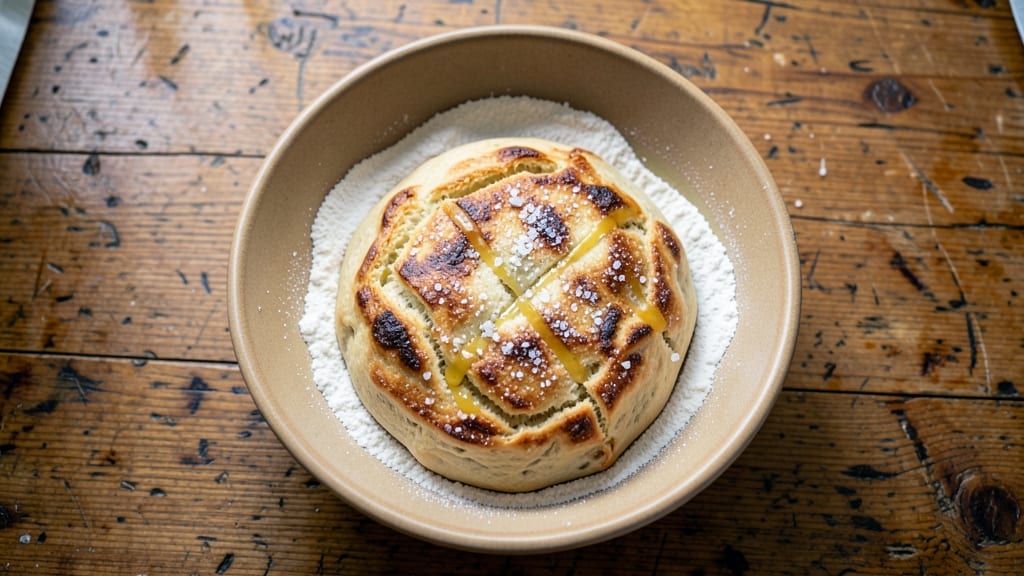
This Fleischmann's no-knead bread recipe delivers artisanal-quality results with minimal effort—no kneading, no stress, just a golden crust and soft interior that rivals bakery bread. The secret lies in letting time do the work while you sleep, transforming basic ingredients into a loaf that smells like home.
I perfected this method after years of testing, and it never fails to impress, even with busy schedules.
What makes this recipe truly remarkable is its flexibility—you can bake it overnight for maximum flavor development or prepare it in just a few hours for same-day satisfaction. The dough requires only four simple ingredients and a single bowl, making it ideal for beginners or anyone short on time.
The yeast activates effortlessly, and the dough proofing happens while you rest, ensuring perfect texture every time.
By the time it emerges from the oven, you'll have a loaf with a crisp, golden crust and an interior so tender it nearly melts in your mouth. The aroma alone will have everyone gathering around the kitchen, and the slices hold their shape beautifully for sandwiches or toast.
This is bread that proves homemade can truly be better than store-bought.
Whether you're feeding a family or treating yourself to a simple pleasure, this recipe delivers foolproof results with minimal effort. The overnight method builds deeper flavor, while the quick version gets dinner on the table faster. Let's get started on creating your perfect loaf.
Ingredients for fleischmann's no knead bread
Four simple staples transform into golden, crusty bread with no kneading required.
| Ingredient | Amount | Notes |
|---|---|---|
| All-Purpose Flour 🌾 | 4 cups | Unbleached preferred for better texture |
| Fleischmann's Active Dry Yeast 🍞 | ¼ tsp | Ensure yeast is fresh for best rise |
| Granulated Sugar 🍚 | ½ tbsp | Feeds yeast for activation |
| Unsalted Butter 🧈 | ½ cup | Cold, cubed for easier mixing |
| Warm Water 💧 | 1 ½ cups | 110°F (43°C) for ideal yeast activation |
| Kosher Salt 🧂 | 1 ½ tsp | Adjust to taste after baking |
| Cornmeal 🌽 | ¼ cup | For dusting baking sheet |
| Olive Oil 🫒 | 1 tbsp | For greasing bowl and loaf |
The yeast is the MVP here—Fleischmann's is reliable, but check the expiration date. If your pantry yeast is old or clumpy, grab a fresh packet. The flour matters too: King Arthur or Bob's Red Mill work best for that perfect crumb. I always buy mine in bulk at WinCo—cheaper and fresher than grocery store bags. For the butter, Land O'Lakes or Plugrá are my go-tos, but any unsalted brand works. The water temp is critical: too hot kills the yeast, too cold slows it down. Use a thermometer if you're unsure—110°F is perfect.
No Fleischmann's yeast? Red Star or SAF Instant work at the same amount. Short on butter? Vegetable oil or melted coconut oil keeps it tender. The sugar can be swapped for honey or maple syrup, but reduce to 0.375 tbsp—it's sweeter. For a quicker rise, use instant yeast and skip the sugar, but the overnight method builds more flavor. The salt is non-negotiable—it balances the dough. If you're gluten-sensitive, King Arthur Gluten-Free Measure for Measure works in a pinch, but texture will differ.
This dough is forgiving—it can proof overnight in the fridge or rise in 2 hours at room temp. For best flavor, let it go the full 12-18 hours in the fridge. The loaf keeps well at room temp for 2 days, or freeze slices for up to 3 months. I like to wrap leftovers in a clean kitchen towel to keep them soft. Toasting revives stale slices—a must-try. The crust gets crunchier as it cools, so slice when warm for the best texture.
Why You'll Love This Recipe
- No-Knead Magic: Mix five ingredients, let time do the work. That’s it. No punchy arms, no stress—just a bowl, a spoon, and patience (the good kind).
- Butter-Kissed Crust: That soft, pillowy center with a golden crust? The butter and sugar team up to make it taste like a bakery’s secret. Honestly, I’ve been told it’s “too good for sandwiches”—but don’t let that stop you.
- Weeknight Hero: Toss it in the oven while you’re still deciding what to eat. By the time you finish your salad, it’s done. Slice it, toast it, or serve it warm with dinner—it’s always the star.
- Budget Stretch: A loaf for under $2 that feeds four? That’s $0.50 per serving. Freeze half for lazy mornings or last-minute guests. My wallet and my taste buds thank me.
Step-by-step instructions for Fleischmann's no-knead bread
Here's the straightforward method that delivers a crispy crust and airy crumb with minimal effort.
Activate the Yeast for a Strong Rise
In a large bowl, combine the 1.5 cups warm water (around 110°F) with the 0.5 tbsp granulated sugar and 0.25 tsp Fleischmann's active dry yeast. Let this mixture sit for 5-10 minutes until it becomes frothy and bubbly—this confirms the yeast is alive and ready to work. If it doesn't bubble, your yeast might be old, and you'll need to start over.
Here's the thing—this step is critical. The sugar feeds the yeast, and the warm water activates it. If the water's too hot, you'll kill the yeast; if it's too cold, it won't wake up. That frothy foam means your bread will rise properly later. Don't rush this part; let it bubble away while you prep the rest.
Mix the Dough Until Just Combined
Add the 4 cups all-purpose flour and 1.5 tsp kosher salt to the yeast mixture. Stir with a wooden spoon until a shaggy dough forms—it won't look smooth yet, and that's okay. Then cut the 0.5 cup unsalted butter into small cubes and fold them into the dough. The butter should be cold to create flaky layers later.
Once the butter is incorporated, add 1 tbsp olive oil and mix until the dough comes together. It should be sticky but manageable—if it's too dry, add a splash of warm water. The dough will be soft and slightly tacky, but that's exactly what you want for that perfect texture. Don't overmix; just combine everything until no dry bits remain.
Let the Dough Rest Overnight for Magic Development
Lightly grease a large bowl with a bit of olive oil, then transfer the dough into it. Cover the bowl with plastic wrap or a damp towel and let it rest at room temperature for 12-18 hours. This slow fermentation is what gives no-knead bread its incredible flavor and texture. The dough will rise gradually, but don't worry if it doesn't double—it's still working its magic.
I know it seems weird to wait this long, but trust me. The overnight rest allows the gluten to relax and develop naturally, creating a bread with a crispy crust and open crumb. If your kitchen gets cold, place the dough near the oven (with the oven off) to keep it warm. The dough should puff up noticeably by morning—this means it's ready for shaping.
Shape and Let It Rise Again Before Baking
Turn the dough out onto a surface lightly dusted with 0.25 cup cornmeal. Gently shape it into a round loaf—don't worry about perfection here. Place it seam-side up on a parchment-lined baking sheet, then cover it loosely with plastic wrap or a towel. Let it rise for 1-2 hours until it's noticeably puffy and has expanded by about 50%.
This second rise is key—it develops the bread's structure and ensures a good oven spring when baking. The dough should feel light and airy when pressed gently. If it doesn't rise much, it might have been too cold during the overnight rest. Preheat your oven to 450°F while the dough rises—you want it hot and ready when the bread goes in.
Bake for a Crispy Crust and Perfect Crumb
Once the oven is preheated, place the dough in the center rack and bake for 30-35 minutes. The bread is done when it's deep golden brown on top and sounds hollow when tapped on the bottom. If the top browns too quickly, tent it loosely with foil to prevent over-browning while it finishes baking inside.
Here's what to watch for: the edges should pull away from the sides of the pan slightly, and the crust should be crackly and firm. Let the bread cool on a wire rack for at least 30 minutes before slicing—this prevents a gummy interior. The aroma when it comes out of the oven is worth the wait, and that crispy crust will shatter like glass when you tap it.
Pro Tips For Making Fleischmann'S No Knead Bread
- Weigh Your Flour: I learned this the hard way—measuring flour by scooping from the bag packs too much air, and your dough ends up denser than a brick. Use a kitchen scale for 500 grams of flour (about 4 cups by volume), and spoon it in gently. Your bread will rise higher and taste lighter.
- Mix Butter Last: The dough will get sticky fast, and adding cold butter at the end keeps it from melting into a greasy mess. Cut the ½ cup (1 stick) of unsalted butter into small cubes and fold them in just before shaping. The result? A flaky, buttery crumb that’s worth the extra 30 seconds.
- Skip the Overproofing: I used to watch the dough until it looked too puffy, then panic. For Fleischmann’s yeast, 1–1.5 hours at room temp is plenty—your dough should spring back slowly when poked, not bounce like a trampoline. Overproofing means a collapsed loaf, and nobody wants sad bread.
- Preheat Your Dutch Oven: Cold metal steals heat, and your bread will steam unevenly, leading to a pale, gummy crust. Preheat the oven and Dutch oven together for 30 minutes at 450°F (230°C). The residual heat locks in a crispy crust from the first minute in the oven—no second-guessing the doneness.
Best sauces and condiments for this recipe
Classic Garlic Butter
This is my go-to pairing—simple but transformative. After baking, brush the warm loaf with a mix of 2 tbsp softened butter and 1 tsp minced garlic. For extra depth, add ½ tsp dried parsley or a pinch of red pepper flakes.
The garlic infuses into the crust while the butter keeps it moist. I often serve it with marinated grilled chicken or a fresh tomato salad for a complete meal. 🌿
Honey and Sea Salt
For a sweet-savory contrast, drizzle the cooled loaf with a mix of 2 tbsp honey and ½ tsp flaky sea salt. The honey caramelizes slightly on the crust, while the salt cuts through the richness.
This combo works beautifully with ricotta cheese or fig jam for breakfast toast. I like to use Manuka honey for its deeper flavor, but any high-quality honey works. ✨
Olive Oil and Herbs
After baking, brush the crust with 1 tbsp extra-virgin olive oil while still warm. Then sprinkle with a mix of 1 tsp dried rosemary, 1 tsp dried thyme, and a pinch of kosher salt.
The oil enhances the crust’s crispiness, while the herbs add an earthy aroma. This pairing is perfect for Mediterranean-style meals, like grilled vegetables or hummus. 🫒
Sweet Onion Jam
Spread a thin layer of homemade or store-bought onion jam on warm slices of bread. The caramelized onions and subtle sweetness complement the bread’s crust beautifully. I use Maille Onion Jam for convenience, but homemade versions with apple cider vinegar and brown sugar elevate the flavor even more.
This combo is ideal for brunch or as a snack with sharp cheddar cheese. 🍯
Spicy Avocado Mash
Mash ½ ripe avocado with 1 tbsp sour cream, ½ tsp lime juice, and a pinch of cayenne pepper for a creamy, spicy spread. The cool avocado balances the bread’s warmth, while the cayenne adds a kick.
This pairing is fantastic for lunch with grilled shrimp or as a quick snack. Use Hass avocados for the best texture. 🌶️
Whipped Feta Dip
Blend ½ cup crumbled feta cheese with 2 tbsp Greek yogurt, 1 tbsp olive oil, and a squeeze of lemon juice until smooth. Spread this creamy dip on toasted slices of bread.
The tangy feta cuts through the bread’s richness, making it a perfect pairing for grilled meats or roasted vegetables. Store-bought feta works, but freshly crumbled feta tastes even better. 🧀
Nutrition facts
Frequently asked questions
Why does this recipe use Fleischmann's yeast specifically?
Fleischmann's active dry yeast is a reliable choice because it activates consistently at 110°F water, which is critical for this no-knead method. The slow fermentation works best with this type of yeast, creating that signature open crumb and crisp crust. If you don't have it, Red Star or SAF Instant yeast work in the same amount—just skip the sugar if using instant yeast.
Can I make this bread without the overnight rest?
For a same-day version, mix the dough as directed, then let it rise at room temperature for 2-3 hours instead of overnight. The flavor won't develop as deeply, but you'll still get a tender loaf. The key is ensuring the dough rises until puffy before shaping—it should expand by about 50%. For best results, use a warm spot in your kitchen to speed up the process.
What if my dough doesn't rise at all?
This usually means your yeast was inactive or the water was too hot/cold. First, check if your yeast is fresh—it should bubble within 5-10 minutes in warm water. If not, try again with fresh yeast. Also, ensure your kitchen is warm enough (ideally 75°F+). For a quick test, place the dough in a slightly warmer spot (like near the oven with it off) to encourage rising. If it still fails, your flour might be old—try substituting with fresh all-purpose flour.
How do I store leftovers to keep them fresh?
Wrap cooled slices in a clean kitchen towel or beeswax wrap to lock in moisture. Store at room temperature for up to 2 days, or freeze slices for 3 months by wrapping them individually in plastic. To revive stale bread, toast it until crispy—this restores texture perfectly. For extra freshness, keep the whole loaf in an airtight container with a slice of apple to absorb moisture.
Can I add seeds or nuts to this dough?
Yes! Fold in ½ cup seeds (sesame, pumpkin, or sunflower) or ½ cup chopped nuts (walnuts, pecans) during Step 2 when mixing the dough. For best texture, toast the nuts/seeds first to enhance flavor. Just be aware that adding mix-ins may slightly shorten shelf life—consume within 1-2 days for peak freshness.