
Side Dishes
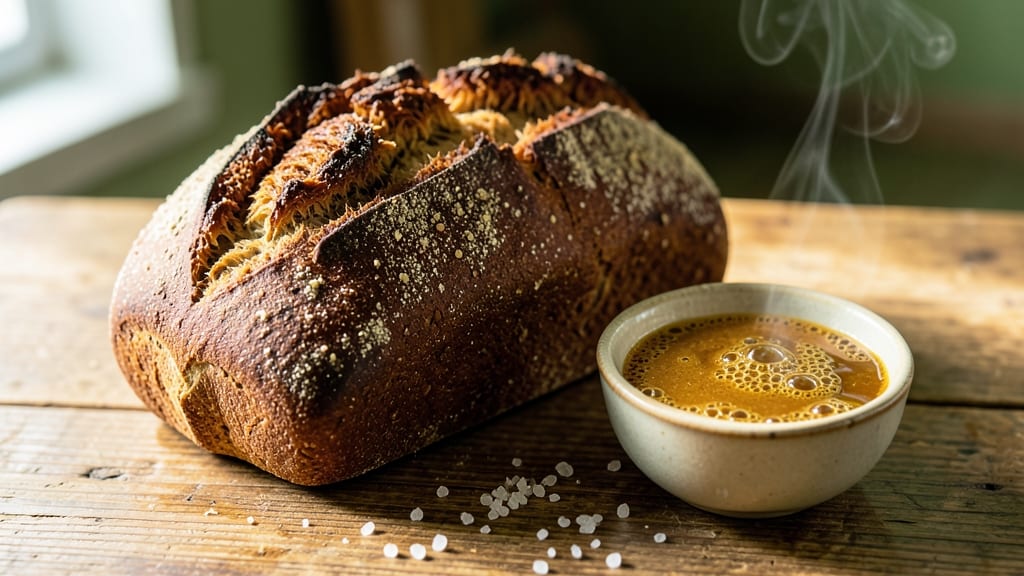
This Finland bread recipe brings the rustic charm of Finnish ruisleipä—a dense, tangy sourdough loaf with a crisp crust and hearty texture that pairs perfectly with butter or smoked fish. 🌟 The secret lies in using rye flour and a long fermentation, which develops deep, complex flavors that define traditional Finnish baking.
Unlike lighter breads, this recipe delivers a satisfying weight that feels substantial enough for any meal.
What sets this bread apart is its simplicity combined with professional results. With just five core ingredients—rye flour, water, salt, and a sourdough starter—you’ll create a loaf that’s both authentic and adaptable.
The dough requires minimal kneading and a slow rise, making it ideal for bakers who want flavor without complexity. Finnish households have relied on this method for generations, and its tangy depth makes it a standout side dish.
By the time it emerges from the oven, you’ll have a golden-brown loaf with a crisp exterior and a tender, slightly chewy interior. The aroma alone will transform your kitchen into a cozy Finnish koti—the perfect companion for coffee, cheese, or hearty stews.
This bread isn’t just a recipe; it’s a taste of tradition, elevated for modern kitchens.
For those who prefer sweet variations, cardamom or lingonberry jam can be added, but the classic rye version remains the most beloved. Let’s get started on baking bread that tastes like home.
Ingredients for finland bread
Five core ingredients transform into Finland's iconic tangy sourdough loaf with crisp crust and hearty texture.
| Ingredient | Amount | Notes |
|---|---|---|
| Rye Flour 🌾 | 4 cups | Light or dark rye preferred |
| Active Sourdough Starter 🍞 | 1 ½ cups | Unfed, bubbly starter only |
| Warm Water 💧 | 1 ½ cups | 100-105°F, not boiling |
| Salt 🧂 | 1 ½ tsp | Fine sea salt preferred |
| Instant Yeast 🍄 | ¼ tsp | Optional for extra rise |
| Cornmeal 🌽 | ¼ cup | For dusting loaf pan |
| Coarse Sea Salt 🧂 | 1 tsp | For sprinkling crust |
| Cardamom Pods 🌿 | 2 whole | Crushed, optional for sweetness |
| Lingonberry Jam 🍓 | ¼ cup | Optional for sweet variation |
The rye flour is non-negotiable—King Arthur or Bob's Red Mill light rye delivers the best balance of tang and texture. For a true Finnish touch, seek out Pohjola rye flour at specialty stores like World Market or online. Your sourdough starter must be active and bubbly—fed 4-12 hours before use—or the loaf will lack depth. Warm water is critical; too hot kills yeast, too cold slows fermentation. Use a thermometer to nail 100-105°F. The salt? Maldon flaky sea salt adds visual drama to the crust, but fine sea salt works perfectly for mixing.
No sourdough starter? Combine 1 cup rye flour, 1 cup water, and 0.25 tsp yeast—let ferment 24 hours before using. Swapping rye flour? Whole wheat at 50% ratio works, but texture suffers. Cardamom pods can be omitted, but if using, toast whole pods first to release oils. Lingonberry jam? Trader Joe's or IKEA brands are budget-friendly and delicious. For a sweeter loaf, add 1 tbsp honey to the dough. The cornmeal? Don't skip it—prevents sticking in your loaf pan.
Freshly baked loaves keep 3 days at room temperature wrapped in a towel, or 1 week refrigerated. For longer storage, freeze slices wrapped in parchment—up to 3 months. Reheat in a 350°F oven for 5 minutes to restore crispness. The crust gets crunchier as it cools, so slice when warm. This bread freezes beautifully—double-wrap loaves in foil and plastic for best results.
Why You'll Love This Recipe
- No-Knead Magic: I mix, wait, and forget—literally. The sourdough starter does all the heavy lifting while I sip coffee. That rye flour gives it a rustic chew without requiring my hands to turn into dough-doughnuts.
- Earthy Crust, Heavenly Crumb: Honestly, the first bite changes minds. That deep, caramelized rye crust cracks open to reveal a soft, tangy interior—like a hug from a Finnish bakery. The sourdough starter adds a subtle funk that makes plain butter taste luxurious.
- Lunchbox Legend: Between us, this bread survives three days in a paper bag without turning into a hockey puck. Toast it for breakfast, pack it for school lunches, or serve it with soup—it’s the one loaf that does it all without fuss.
- Pantry Goldmine: I keep a jar of starter going anyway, so the cost is basically zero. A bag of rye flour lasts forever, and you’re left with a loaf that feeds a crowd for pennies. Freeze slices for quick toast—this is my go-to for lazy mornings.
Step-by-step instructions for Finnish sourdough rye bread
This method delivers a dense, flavorful rye loaf with a crisp crust and tangy depth.
👨🍳 Step 1: Mix the Sourdough Dough
In a large mixing bowl, combine the 4 cups rye flour with the 1.5 cups active sourdough starter and 1.5 cups warm water (100-105°F). Stir until just combined—you'll see a thick, shaggy batter form. The rye flour will absorb moisture slowly, so don't rush this step.
Add the 1.5 tsp salt and 0.25 tsp instant yeast, then mix again until fully incorporated. If using the 2 whole cardamom pods, lightly crush them between your palms and sprinkle the aromatic seeds into the bowl. The dough should be sticky but manageable—this is normal for rye bread. Cover the bowl with a damp towel and let it rest for 30 minutes at room temperature. This initial rest allows the gluten to relax slightly, making the dough easier to handle later.
🥘 Step 2: Shape and Prepare the Loaf
After the rest, lightly dust a clean work surface with 0.25 cup cornmeal to prevent sticking. Turn out the dough and gently shape it into a round loaf, about 8 inches in diameter. The dough will be sticky, so wet your hands with water as needed to keep it from clinging. Place the shaped loaf seam-side down on a parchment-lined baking sheet.
Cover the loaf loosely with plastic wrap and let it proof in a warm place (around 75°F) for 2-3 hours, or until it has visibly risen by about 50%. You'll know it's ready when the dough springs back slowly when pressed gently with a finger. If using the 0.25 cup lingonberry jam, spread a thin layer over the top of the loaf now—this adds sweetness and creates a beautiful crust pattern during baking.
🔥 Step 3: Bake for a Crisp Crust
Preheat your oven to 375°F with a baking stone or inverted baking sheet inside for 30 minutes. This ensures even heat distribution and a crisp crust. Once preheated, carefully transfer the loaf (with parchment) to the oven. Bake for 40-45 minutes until the crust is deep golden brown and sounds hollow when tapped on the bottom.
About 10 minutes before the bread is done, sprinkle the top with 1 tsp coarse sea salt for extra flavor and texture. The interior should register 190-200°F on an instant-read thermometer. Remove the bread from the oven and let it cool on a wire rack for at least 1 hour before slicing. This resting period allows the crumb to set and prevents a gummy texture.
Pro Tips For Making Finland Bread
- Mix the Dough by Hand: Rye’s dense texture resists mixers—skip the stand mixer unless you want a gummy mess. Use your hands to work the dough for 10 minutes until it’s smooth and elastic. The friction from your palms actually strengthens the gluten just enough to hold the rye’s heaviness without overworking it.
- Use Lukewarm Water (Not Hot): I learned this the hard way—hot water kills the sourdough’s delicate microbes before they can activate. Aim for 80°F (27°C) water: warm enough to dissolve the salt and yeast quickly, but cool enough to let the starter do its job. Test it by dipping your finger in—it should feel like bathwater, not a sauna.
- Don’t Overproof the Rye: Rye’s high acidity and dense structure make it collapse faster than wheat dough. Watch for a 25–30% rise (not double) and stop when the surface springs back slowly when poked. Overproofing turns your loaf into a sad, flat brick—trust your eyes, not the time on the clock.
- Add a Splash of Malt Vinegar: This isn’t a substitution—it’s a game-changer. Stir in 1 teaspoon of malt vinegar with the water to cut through the rye’s bitterness and help the yeast activate faster. It also makes the crust crispier without extra sugar. (Yes, even if you’re skeptical—it works.)
Flavor customization for this dish
Classic Rye Variations
For a darker, nuttier version, replace 2 cups of light rye flour with dark rye flour—this deepens the flavor but may reduce rise slightly. I’ve found Pohjola dark rye flour from World Market works perfectly.
For a lighter crumb, add ½ cup all-purpose flour to the mix, but expect less tang. The key is balancing texture and flavor—too much dark rye can make the dough dense and hard to shape. 🌾
Sweet Cardamom Twist
Finnish bakeries often sweeten their rye bread with cardamom, which pairs beautifully with butter or coffee. Lightly crush 4-5 cardamom pods (double the original recipe) and mix them into the dough for a fragrant, aromatic loaf.
For extra sweetness, add 2 tbsp honey or maple syrup to the dough. This variation is especially popular during Christmas in Finland, where it’s served with glögg (mulled wine).
Lingonberry Jam Topping
Spread a thin layer of lingonberry jam (about ¼ cup) on top of the loaf before baking for a sweet-tart contrast. The jam caramelizes slightly, creating a beautiful crust pattern. I recommend Trader Joe’s lingonberry jam for its bright, tangy flavor.
For a modern twist, try a drizzle of honey mixed with 1 tsp cinnamon instead. This variation is perfect for breakfast or as a dessert bread with whipped cream. 🍓
Smoked Salt Crust
Elevate your crust by sprinkling smoked sea salt (like Maldon Smoked Salt) instead of regular coarse salt. The smoky flavor adds depth that complements the tangy rye. For an extra touch, mix ½ tsp smoked paprika into the dough before shaping.
This variation is inspired by Finnish smoked fish dishes, making it a fantastic pairing for graved salmon or pickled herring.
Seeded Whole Grain Boost
Add texture and nutrition by mixing in ¼ cup toasted seeds (sunflower, flax, or pumpkin) into the dough. These seeds add a subtle crunch and extra fiber. For a Nordic touch, use linseeds (flaxseeds), which are traditional in Finnish baking.
Toast the seeds in a dry pan for 2-3 minutes until fragrant, then sprinkle them into the dough. This variation works well with both sweet and savory toppings. 🌿
Gluten-Free Adaptation
For a gluten-free version, replace 1 cup rye flour with a 1:1 gluten-free flour blend (like King Arthur Measure for Measure). Add 1 tbsp psyllium husk powder to improve texture and structure.
Expect a denser loaf, but the flavor remains rich and tangy. This adaptation is ideal for those with gluten sensitivities who still want to enjoy authentic Finnish bread. 💪
Nutrition facts
Frequently asked questions
What makes Finnish rye bread different from regular sourdough?
Finnish rye bread relies on rye flour (not wheat) and a long fermentation (12+ hours) for its signature tangy depth. The sourdough starter adds complexity, while the rye flour creates a denser, heartier texture. Unlike lighter wheat sourdoughs, this bread has a crisp crust and chewy interior—perfect for pairing with butter or smoked fish.
Can I skip the sourdough starter?
Yes, but your bread will lack depth. For a quick version, use 0.5 tsp instant yeast instead of the starter. The dough will rise faster but won’t develop the same complex flavors. If you’re new to sourdough, try a 24-hour rye starter (mix 1 cup rye flour + 1 cup water, let ferment) for a compromise.
Why does my Finnish bread turn out gummy?
Overproofing or underbaking are the usual culprits. Ensure your dough rises only 50% (not until doubled) and bakes until the internal temp hits 190-200°F. Let it cool 1 hour before slicing—cutting too soon traps steam, keeping it moist. For extra crispness, bake 5 minutes longer at 350°F after removing from the oven.
How should I store leftover Finnish bread?
Wrap cooled loaves in a towel (not plastic) to retain moisture for 3 days at room temp. For longer storage, freeze slices wrapped in parchment for up to 3 months. To revive, warm slices in a 350°F oven for 5 minutes or toast in a pan until crispy.
What’s the best way to serve this bread?
Finnish tradition pairs it with butter, smoked salmon, or pickled herring. For breakfast, try it with lingonberry jam or cheese. The dense texture makes it ideal for soups or sandwiches—just toast it first! For a modern twist, serve with avocado mash or smoked trout for a Nordic-inspired meal.