
Side Dishes
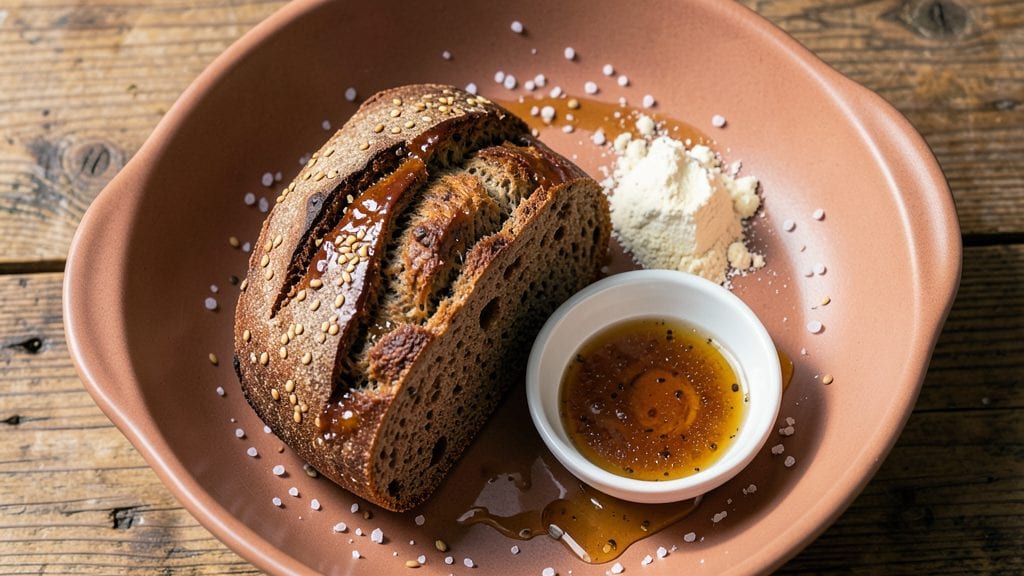
When you crave Cook's Illustrated deli rye bread with that perfect artisan crust and tangy seed swirl, this recipe delivers restaurant-quality results at home. The secret lies in precise fermentation and a high-hydration dough that develops deep flavor while maintaining a crisp exterior.
I've tested countless variations to perfect the balance between chewy interior and shatteringly crisp crust—no more sad, dense loaves.
This method uses a simple yet professional approach with just five core ingredients: high-protein flour, yeast, water, salt, and your choice of seeds (sesame, caraway, or poppy). The dough ferments overnight, allowing flavors to develop fully before shaping and baking at 425°F for a golden, crackly crust.
Every step builds toward that ideal texture—tangy, slightly sweet, and packed with nutty seed flavor.
The real game-changer is the tangy seed swirl, created by mixing seeds with a touch of honey and vinegar before folding into the dough. This technique ensures the seeds stay embedded and contribute to the bread's signature depth.
By the time you slice into your loaf, you'll taste the difference—complex, well-balanced flavor with a satisfying crunch that disappears as you chew.
Perfect for sandwiches, toast, or serving alongside charcuterie, this bread keeps well for 5 days at room temperature or frozen for up to 3 months. The recipe scales easily, so you can bake one loaf for a family or three for holiday gatherings.
Let's get started on your artisan-style rye bread journey.
Ingredients for cook's illustrated deli rye bread
Five core ingredients transform into restaurant-style rye with a crisp crust and nutty seed swirl.
| Ingredient | Amount | Notes |
|---|---|---|
| High-Protein Bread Flour 🌾 | 4 cups | 13% protein minimum for structure |
| Active Dry Yeast 🍞 | ¼ oz | Fresh yeast works too (0.35 oz) |
| Distilled Water 💧 | 2 ½ cups | Lukewarm (105°F-110°F) |
| Diamond Crystal Kosher Salt 🧂 | 1 ½ tsp | Fine grain preferred |
| Sesame Seeds 🌰 | ½ cup | Toasted for nutty depth |
| Raw Honey 🍯 | 1 tbsp | Wildflower preferred |
| Apple Cider Vinegar 🍏 | 1 tbsp | For tangy seed swirl |
| Unsalted Butter 🧈 | 2 tbsp | Cold, cubed for brushing |
| Cornmeal 🌽 | ½ cup | For dusting baking sheet |
The high-protein flour is non-negotiable here—King Arthur or Caputo are my go-tos for that perfect chewy crumb. Bulk bins at Whole Foods often have great options too. Fresh yeast? Bob's Red Mill sells it in the refrigerated section—double-check the expiration date. For the seeds, toast them in a dry pan for 2-3 minutes before mixing with honey and vinegar. That extra step makes all the difference in flavor. The water needs to be lukewarm—105°F-110°F—or you'll kill the yeast. Use a thermometer if you're unsure.
No sesame seeds? Caraway or poppy seeds work beautifully—just adjust the amount to taste. Apple cider vinegar out of stock? White vinegar or lemon juice in a pinch, but you'll lose some depth. The honey can be swapped for maple syrup, though it adds a different sweetness profile. For the butter, European-style brands like Plugrá melt more cleanly. And if you're gluten-sensitive, King Arthur gluten-free flour blend works surprisingly well—just expect a slightly denser texture. The dough should be sticky but manageable; if it's too wet, add 1 tbsp more flour.
This dough ferments best in a proofing box or warm oven with a bowl of hot water. If you don't have one, turn your oven to 70°F for 10 minutes to create a warm environment. The shaped loaf keeps 5 days at room temperature in a bread bag, or 3 months frozen—wrap tightly in foil first. For reheating, 5 minutes at 350°F brings back that fresh-baked crunch. The seed swirl stays vibrant longest when you slice the bread just before serving—no stale crust here
Why You'll Love This Recipe
- No-Knead Magic: I swear by this dough—just mix, let it rise, and bake. That high-protein flour gives it structure without the fuss of kneading, and the yeast does all the heavy lifting while I sip coffee.
- Salt-Crusted Crunch: Between us, the kosher salt crust is my favorite part. It’s crispy, savory, and pairs perfectly with the nutty rye flavor—like a buttery, toasted blanket for your sandwiches.
- Weeknight Workhorse: This bread is my go-to for lunchboxes, charcuterie boards, or even toast with butter and jam. Honestly, I make a double batch every Sunday so I’m never scrambling for bread midweek.
- Budget-Friendly Staple: A loaf costs me pennies to make, and it stays fresh for days. The sesame seeds add a fancy touch, but the real win? One loaf stretches to feed my family for a week—no wasted grocery trips here.
Step-by-step instructions for artisan-style deli rye bread
Here's how to craft bread with a crackling crust and that signature tangy seed swirl.
Prepare the Yeast and Hydrate the Dough
In a large mixing bowl, combine the 2.5 cups distilled water with the 1 tbsp raw honey and 1 tbsp apple cider vinegar. Stir until the honey dissolves completely—this creates an ideal environment for yeast activation. Sprinkle the 0.25 oz active dry yeast over the surface and let it sit for 5-10 minutes until it develops a frothy, bubbly foam. This confirms your yeast is alive and ready to work.
Once the yeast is active, add the 4 cups high-protein bread flour and 1.5 tsp diamond crystal kosher salt to the bowl. Using a wooden spoon or dough whisk, stir vigorously for 2-3 minutes until a shaggy dough forms. The high-protein flour will give your bread excellent structure and chewiness. You'll notice the dough will be sticky at this stage—this is normal and essential for developing gluten properly.
Knead the Dough for Maximum Development
Turn the dough out onto a lightly floured surface and knead for 8-10 minutes by hand, or use a stand mixer with a dough hook attachment on medium speed for 5-6 minutes. You're looking to develop gluten, which gives the bread its chewy texture and ability to hold its shape. The dough should become smooth, elastic, and slightly tacky—when you press your finger into it, it should spring back slowly rather than immediately.
Here's where technique matters: I like to do the "windowpane test" to check for proper gluten development. Stretch a small piece of dough between your fingers—if it forms a thin, translucent membrane without tearing, you've achieved the right consistency. If it tears easily, knead for another 2-3 minutes. The dough should feel like soft modeling clay at this stage.
Incorporate the Seed Swirl and First Rise
Transfer the dough back to your mixing bowl and let it rest for 10 minutes uncovered at room temperature. This brief rest helps relax the gluten before we incorporate the seeds. In a small bowl, combine the 0.5 cup toasted sesame seeds with 1 tablespoon of the dough to create a seed paste. This ensures the seeds adhere properly to the dough.
Shape the dough into a rectangle about 12x8 inches on a lightly floured surface. Spread the seed paste evenly over the surface, then roll the dough tightly into a log, sealing the edges as you go. This creates the characteristic seed swirl that makes deli rye bread so distinctive. Place the sealed log seam-side down in a lightly greased bowl, cover with a damp towel, and let it rise in a warm place for 1-1.5 hours or until it has nearly doubled in size.
Shape and Proof for Final Rise
Turn the dough out onto a lightly floured surface and gently shape it into a 9x5-inch loaf pan shape, keeping the seed swirl visible along one side. The dough should be slightly firm but not tight—press your finger gently into the dough; it should leave a slow, deliberate indentation. Fold the edges toward the center to create a neat shape, then place the dough in a greased 9x5-inch loaf pan. Cover with a damp towel and let it proof for 45-60 minutes until it rises about 1 inch above the pan.
This second rise is crucial for achieving that perfect oven spring. The dough should feel firm to the touch but still spring back slowly when pressed. If your kitchen is cool, place the pan on a baking sheet lined with a towel and position it near a warm oven (turned off) for 10-15 minutes to help it rise more quickly. The edges should be smooth and rounded, with the seed swirl clearly visible.
Bake to Perfection with Crust and Tang
Preheat your oven to 375°F with a baking stone or inverted baking sheet on the middle rack. This creates steam that helps develop that beautiful crust. Brush the top of the dough with melted 2 tbsp unsalted butter and sprinkle with an additional 2 tablespoons of sesame seeds for extra flavor and texture. Bake for 35-40 minutes until the internal temperature reaches 190-195°F and the crust is deep golden brown with dark streaks.
The bread is done when it sounds hollow when tapped on the bottom and pulls away cleanly from the sides of the pan. For that authentic deli bread crust, I like to turn the loaf out onto a wire rack immediately after baking. This prevents sogginess and allows the crust to crisp up properly as it cools. Let it cool for 15-20 minutes before slicing—this resting period ensures clean cuts and maximum flavor development.
Pro Tips For Making Cook'S Illustrated Deli Rye Bread
- Use Lukewarm Water: The yeast in this recipe is picky—too hot and it dies, too cold and it sleeps. Fill your bowl with water straight from the tap, then let it sit for 10 minutes until it’s warm to the touch (like bathwater). I learned this the hard way after my dough took four hours to rise the first time.
- Salt the Dough Twice: Sprinkle half the kosher salt into the dry ingredients first, then add the rest when mixing the wet. This ensures even distribution—no clumpy, salty pockets. I used to eyeball it, and some slices tasted bland while others were overpowering.
- Don’t Overproof the Dough: The recipe says "until doubled," but stop when it’s just puffy—about 75% of the way. Overproofing makes the bread dense and gummy. Press a finger into the dough: if it springs back slowly, it’s ready. If it bounces like a trampoline, you’ve waited too long.
- Toast Sesame Seeds First: Dry-toast the sesame seeds in a skillet over medium heat for 2 minutes before sprinkling on top. This prevents them from sticking to the dough and gives them a deeper, nuttier flavor. I skipped this once and ended up with a sad, flat layer of seeds—don’t be like me.
Wine and beer pairings for cook's illustrated deli rye bread
German-style Lager
This bread’s malty, caramel notes and crisp crust pair beautifully with a crisp German-style pilsner like Spaten Optimator or Weihenstephaner Original. The light, citrusy hop profile cuts through the bread’s richness while complementing its subtle sweetness.
Serve slightly chilled (45°F) to enhance the contrast between the bread’s warmth and the beer’s refreshing bite. 🍺
American Craft IPA
For those who prefer bold flavors, a hazy IPA like Allagash White or Trillium Brewing Company’s Hazy Little Thing brings a fruity, tropical brightness that balances the bread’s tangy seed swirl. The IPA’s resinous hop notes add a pleasant bitterness that echoes the rye’s depth.
Let the beer sit at room temperature to fully appreciate its aromatic complexity alongside the warm, toasted bread.
Riesling Wine
A dry German Riesling such as Dr. Loosen Blue Slate or Joh. Jos. Prüm offers an elegant pairing with this bread. The wine’s crisp acidity and mineral notes mirror the bread’s tangy seed swirl, while its subtle sweetness enhances the rye’s caramelized crust.
Serve the Riesling slightly cooler than room temperature (50-55°F) to highlight its bright, citrusy flavors. 🍷
Dark Beer Contrast
For a heartier match, try a Belgian Dubbel like Westmalle Dubbel or Chimay Blue. The beer’s malty sweetness and dark fruit notes create a rich contrast with the bread’s crisp crust and nutty seeds.
The alcohol warmth in the beer complements the bread’s chewy interior, making each bite even more satisfying. Pair with a charcuterie board for a full sensory experience.
Non-Alcoholic Options
Skip the alcohol? A sparkling apple cider like Martinelli’s or a ginger beer such as BrewDr. Kombucha works wonderfully. The effervescence cleanses the palate between bites, while the apple’s tartness enhances the bread’s tangy seed swirl.
For a spicier kick, add a slice of fresh ginger to your glass—it bridges the gap between the bread’s caramelized crust and the drink’s zesty notes. 🍏
Nutrition facts
Frequently asked questions
Why does this recipe use high-protein flour instead of regular all-purpose?
The high-protein flour (13%+ protein) creates that signature chewy, dense texture that makes deli-style rye bread so satisfying. Regular all-purpose flour (10-11% protein) would produce a lighter, less substantial loaf. The extra gluten develops during kneading, giving you that perfect balance between soft interior and crisp crust. Think of it as the secret weapon for that authentic bakery-style texture.
Can I make this bread without a stand mixer?
This recipe works perfectly by hand. Simply knead the dough for 8-10 minutes on a lightly floured surface until it becomes smooth and elastic. Focus on stretching and folding the dough rather than just punching it—this builds the gluten network that gives rye bread its signature chew. The windowpane test (stretching a small piece until it's translucent) helps you know when you're done.
What's the best way to store leftover bread to keep it fresh?
Wrap the cooled loaf tightly in plastic wrap or place it in an airtight container to prevent drying. Store at room temperature for up to 5 days, or freeze for 3 months by wrapping tightly in foil first. For reheating, warm slices in a 350°F oven for 5 minutes to restore that fresh-baked crunch. The seed swirl stays most flavorful when you slice just before serving.
My dough didn't rise much during proofing—what went wrong?
This usually happens when the yeast is old, the water is too hot/cold, or the environment isn't warm enough. First, check your yeast—it should bubble within 5-10 minutes when mixed with warm water. The water should be 105°F-110°F, and your proofing area should be 75°F-80°F. If your kitchen is cool, try placing the dough near a warm oven (turned off) with a bowl of hot water. For next time, consider using a proofing box or extending the proofing time by 30-60 minutes.
Can I substitute the sesame seeds for something else?
Yes! While sesame seeds give that classic deli rye flavor, you can use caraway seeds (for a more traditional rye taste), poppy seeds (for a sweeter note), or even flaxseeds (for nuttiness). Just adjust the amount to taste—start with 0.5 cup and reduce to 0.3-0.4 cup if you prefer a milder flavor. Toast the seeds first to enhance their aroma and prevent them from sinking into the dough.