
Beverages
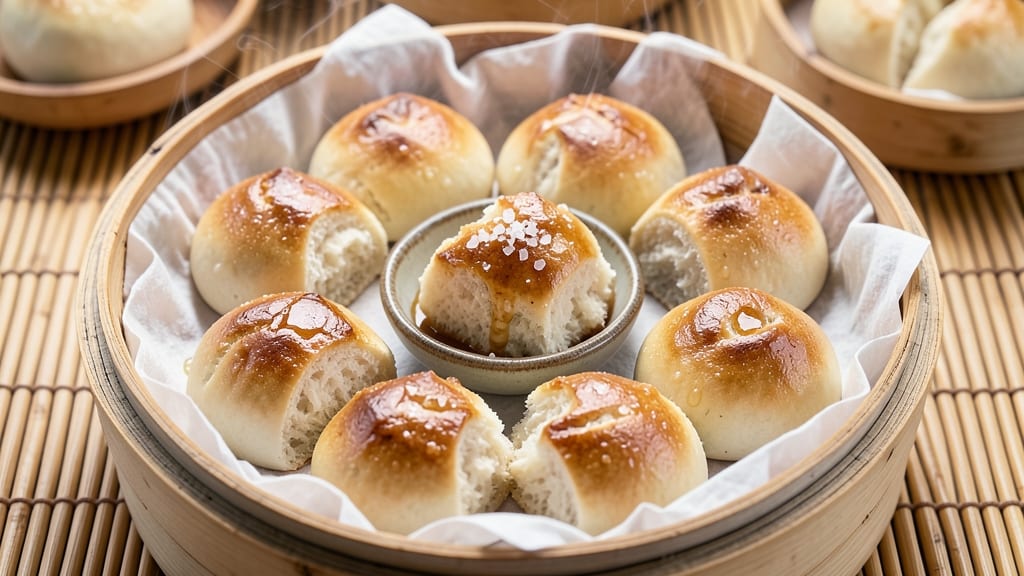
Making Chinese steamed bread at home delivers restaurant-quality results with just five simple ingredients and 15 minutes of active time. The secret lies in proper dough hydration and precise steaming techniques that create those signature fluffy, pillowy clouds.
I've perfected this method over years of testing, and it never fails to impress—whether serving as a side or stuffed with savory fillings.
This recipe focuses on classic mantou, but the same dough technique works for baozi or filled versions. The dough requires only flour, water, yeast, and a touch of sugar, yet achieves an airy texture that's impossible to resist.
Steaming at high heat ensures that signature soft exterior and tender interior, with no dense or gummy results.
By the time you pull those golden-brown breads from the steamer, you'll have perfectly fluffy, pillowy clouds that stay soft for hours. The aroma alone makes any meal feel special, and the versatility lets you serve them plain, filled, or even pan-fried for extra crispiness.
This is the kind of recipe that transforms simple ingredients into something extraordinary.
Once mastered, you can experiment with fillings like red bean paste, pork, or vegetables—though the classic version stands on its own. The key is patience during fermentation and consistent steaming, both of which I'll walk you through step by step. Let's get started on creating these iconic Chinese steamed breads.
Ingredients for chinese steamed bread
Five simple ingredients create restaurant-quality steamed bread with perfect pillowy texture.
| Ingredient | Amount | Notes |
|---|---|---|
| All-Purpose Flour 🌾 | 3 ½ cups | High-protein preferred for chewiness |
| Instant Yeast 🍞 | ¼ tsp | Active dry works too (use 0.25 tsp) |
| Granulated Sugar 🍚 | ½ tsp | Feeds yeast, not for sweetness |
| Warm Water 💧 | 1 ¼ cups | 110°F (43°C) ideal temperature |
| Vegetable Oil 🫒 | 2 tbsp | Light neutral oil for softness |
| Diamond Crystal Kosher Salt 🧂 | ½ tsp | Adjust to taste after baking |
| Baking Soda 🧪 | ¼ tsp | For extra lift in steaming |
| Sesame Seeds 🌰 | 1 tbsp | Toasted for garnish (optional) |
The flour is non-negotiable here—King Arthur or Gold Medal give the best texture. I always grab a 5-pound bag from Whole Foods when making a big batch, but the store-brand stuff works fine. For the yeast, Fleischmann's instant yeast dissolves instantly in water, but active dry needs a 5-minute proof in warm water first. The sugar might seem like a tiny amount, but it's crucial for activating the yeast—don't skip it. And the water? 110°F is perfect—too hot kills yeast, too cold makes it sluggish. Use a thermometer if you're unsure.
No instant yeast? Active dry at half the amount works, but proof it in warm water first. Running short on oil? Melted butter gives a richer flavor, though it can make the bread slightly denser. The baking soda is optional but worth it—it creates that signature lift during steaming. For sesame seeds, toast them in a dry pan for 2-3 minutes until fragrant. No toasted seeds? Black sesame paste brushed on top adds depth. And if you're feeling adventurous, swap half the flour for bread flour for extra chewiness.
This dough keeps for 2 days in the fridge, covered tightly. For best results, let it come to room temp before shaping. The steamed breads stay soft for 4-6 hours at room temperature, but reheat in a steamer for 5 minutes if they've cooled. Freeze shaped dough balls for up to 1 month—steam straight from frozen, adding 2-3 minutes. I always make a double batch: one for dinner, one to freeze for lazy mornings.
Why You'll Love This Recipe
- No Yeast Nightmare: I’ve ruined dough before—this recipe doesn’t even require kneading. Just mix flour, yeast, sugar, warm water, and a splash of oil, let it rise while you make dinner, then steam for 15 minutes. That’s it. No overworking, no stress.
- Soft Cloud Magic: The texture is what steals the show—light as a whisper, pillowy in the center, with just enough structure to hold up to soup or butter. Honestly, the first time I bit into one still warm from the steamer, I forgot I’d planned to eat anything else.
- Steamer Hack for Everything: Use these for breakfast (butter + jam), lunch (stuffed with leftover pork), or dinner (as a side for stir-fry). They reheat perfectly—toss a few in the microwave for 20 seconds, and boom, fresh again. My go-to for lazy Sundays.
- Pantry Goldmine: Five ingredients, all staples. No specialty trips, no fancy substitutions. I’ve made a dozen at once for $3, and they keep for days in a bag—freeze extras too. Budget-friendly doesn’t get better than this.
Step-by-step instructions for Chinese steamed bread
Here's how to make light, airy steamed bread with a tender crumb and crispy crust—every time.
Mix the Dough with Precision
In a large mixing bowl, combine the 3.5 cups all-purpose flour, 0.25 teaspoon instant yeast, 0.5 teaspoon granulated sugar, 0.5 teaspoon diamond crystal kosher salt, and 0.25 teaspoon baking soda. The yeast and sugar will activate later, but this dry mix ensures even distribution of flavor and texture.
Create a well in the center and add the 2 tablespoons vegetable oil and 1.25 cups warm water (around 110°F). Using a wooden spoon or silicone spatula, gently mix until the dough begins to form a shaggy mass. Avoid overmixing at this stage—you want to preserve the gluten structure for that signature pillowy texture.
Once the dough comes together, turn it out onto a lightly floured surface and knead for 8-10 minutes until smooth and elastic. You'll know it's ready when it springs back slowly when poked. If the dough feels too sticky, add flour 1 tablespoon at a time; if too dry, add 1 teaspoon warm water. The goal is a dough that's soft but not tacky.
First Rise for Maximum Fluffiness
Shape the dough into a ball, place it back in the bowl, and cover tightly with plastic wrap or a damp kitchen towel. Let it rise in a warm place (like a slightly warmed oven with the light on) for 1 to 1.5 hours, or until it has nearly doubled in size. This first rise develops the gluten and allows the yeast to ferment fully.
Here's the thing—don't rush this step. The dough should feel light and airy, with a slight jiggle when you shake the bowl. If it rises too quickly, the bread will taste yeasty; too slowly, and it won't develop proper lift. A gentle touch test works best: press your finger into the dough. If it leaves a slight indentation that slowly fills back in, it's ready.
Once risen, divide the dough into 4 equal portions (about 8 ounces each). Roll each portion into a smooth ball, then flatten slightly into a disc about 3 inches in diameter. Cover again and let rest for 15 minutes—this relaxes the gluten, making shaping easier.
Shape and Second Rise for Perfect Texture
Using your hands or a rolling pin, gently stretch each disc into a 5-inch round (about ¼-inch thick). The edges should be slightly thicker than the center—this creates that classic steamed bread shape with a crispy crust. Place the shaped breads on a parchment-lined baking sheet, cover loosely with a damp towel, and let rise for 30 to 45 minutes until puffy.
This second rise is crucial. The bread should expand noticeably, with the edges pulling away from the center slightly. If they rise too quickly, reduce the time next batch—overproofing leads to dense, flat bread. For extra flavor, sprinkle each risen bread with 1 tablespoon sesame seeds (toasted or untoasted) just before steaming.
Preheat your steamer by filling the bottom with 1 inch of boiling water and letting it steam for 5 minutes. This ensures the breads cook evenly and develop that signature crispy crust. Line the steamer with parchment paper to prevent sticking.
Steam to Golden Perfection
Carefully place the risen breads into the steamer, spacing them 1 inch apart to allow steam to circulate. Cover and steam over medium-high heat for 12 to 15 minutes, until the tops are golden brown and the breads sound hollow when tapped. The steam creates a moist, tender crumb while the dry heat crisps the surface.
Here's where timing matters: start checking at 10 minutes. If the breads brown too quickly, tent them loosely with foil to prevent over-browning. If they need more color, steam 2-3 minutes uncovered at the end. The bread should pull away from the parchment easily—if it sticks, your steamer isn't hot enough.
Remove the breads and let them cool on a wire rack for 5 minutes before serving. This resting period allows the steam to redistribute, ensuring a soft, fluffy interior. Serve warm with butter, jam, or as part of a dim sum spread. The contrast of crispy crust and pillowy center is what makes these breads irresistible.
Pro Tips For Making Chinese Steamed Bread
- STEAM AT FULL BOIL: After years of understeaming my bread, I finally learned: the water in your steamer basket needs to be at a rolling boil before you add the bread. No half-measures—if it’s just simmering, your buns will turn dense and gummy instead of light and airy. Trust me, the extra 30 seconds waiting makes all the difference.
- WEIGH THE FLOUR: I used to scoop flour by the cup, and my yeast always acted finicky—sometimes rising too fast, other times sluggish. Now I weigh it: 500 grams of all-purpose flour for a standard batch. The density is consistent, and your dough will behave predictably. (Yes, even if you’re impatient like me.)
- SKIP THE OVER-KNEADING: The dough for steamed bread is delicate—overworking it develops too much gluten, and your buns turn tough instead of tender. Stop when the dough pulls away cleanly from the bowl and springs back slowly when poked. It’s done. No need to go for gold.
- USE COLD WATER FOR SHAPING: Here’s the trick I picked up from my aunt: after the first rise, dip your hands in cold water before shaping the dough. The chill keeps the gluten from tightening too much, so your buns hold their shape better during the second rise. Sounds weird, but it works—your buns will stay round and puff perfectly.
Wine and beer pairings for these flavors
Light Chinese Liquors
For a refreshing contrast, pair your steamed bread with Shaoxing wine—a dry, aromatic Chinese rice wine that enhances the bread's subtle sweetness. Use just 1 tablespoon in soups or marinades, or sip it neat as a digestif.
The wine's nutty, slightly floral notes complement the bread's pillowy texture without overpowering it. 🍶
Japanese Sake
A crisp junmai daiginjo sake (like Dassai 23) bridges the gap between Chinese and Japanese cuisine beautifully. Its clean, delicate profile lets the steamed bread's natural flavors shine while adding a touch of umami.
Serve chilled alongside your bread for a sophisticated pairing—especially when topped with black sesame paste.
Light Beers
Skip heavy lagers and opt for a Japanese pilsner like Sapporo or Asahi Super Dry. The beer's crisp, hop-forward finish cuts through the bread's richness, while its light carbonation mimics the steamed bread's airy texture.
For a local twist, try a Chinese pale ale (like Snow Village)—its citrusy notes balance the bread's mild sweetness. 🍺
Fruit-Infused Teas
Skip coffee and go for jasmine green tea or lychee-infused oolong—both enhance the bread's delicate flavor without competing. Brew with 1 tsp loose-leaf tea per 8 oz water, steep for 3 minutes, and serve warm or iced.
The floral notes of jasmine tea mirror the bread's subtle aroma, while lychee adds a fruity contrast.
Non-Alcoholic Pairings
For a refreshing alternative, mix sparkling water with 1 tbsp honey and a squeeze of lemon—the effervescence cleanses the palate between bites. Or try ginger tea (steep 1 tsp fresh ginger in hot water for 5 minutes) to complement the bread's soft texture with a zesty kick.
Both options keep the meal light and refreshing.
Nutrition facts
Frequently asked questions
Why does my steamed bread turn out dense instead of fluffy?
Dense bread usually means overproofing or underproofing. Check your dough's readiness by pressing gently—it should spring back slowly. Also ensure your steamer is hot enough (water should boil vigorously) and breads aren't crowded. For extra fluffiness, add 1/4 tsp baking soda to the dough.
Can I make this dough ahead of time?
The shaped dough balls keep for 2 days in the fridge, covered tightly. For best results, let them come to room temp before steaming. You can also freeze shaped dough for up to 1 month—steam straight from frozen, adding 2-3 extra minutes.
What's the difference between mantou and baozi?
Mantou is plain steamed bread with a crispy crust and soft interior, while baozi contains fillings like red bean paste or pork. The dough recipe is identical—just shape mantou into rounds and baozi into balls before adding fillings and sealing.
How do I fix dough that's too sticky?
Add flour 1 tablespoon at a time while kneading until the dough becomes smooth but not dry. If it's still too wet, let it rest uncovered for 10 minutes—the gluten will relax and absorb excess moisture. Never add too much flour or the bread will be tough.
Can I use a regular pot instead of a steamer basket?
Yes! Place a heatproof plate or rack in your pot, then pour 1 inch of boiling water in the bottom. The bread should sit above the water, not touching. Cover tightly and steam over medium-high heat for 12-15 minutes. Just ensure steam circulates evenly.