
Side Dishes
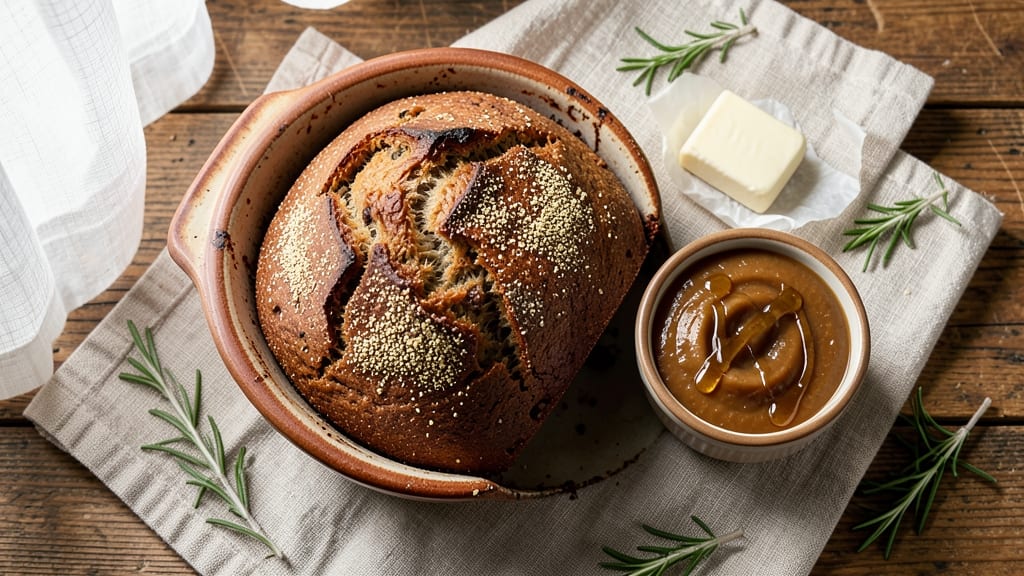
This chestnut bread recipe delivers a moist, nutty loaf with warm spice depth that feels like autumn in every bite. I developed this version after years of experimenting with traditional Italian castagne bread, focusing on balancing chestnut flavor without overpowering the dough.
The key lies in proper chestnut preparation—roasting and grinding them creates a rich, earthy base that transforms ordinary bread into something truly special.
What sets this recipe apart is the combination of chestnut puree and a touch of honey, which enhances moisture and adds subtle sweetness that complements the spices. The dough requires a longer fermentation time (overnight in the fridge), which develops deeper flavor and creates that perfect tender crumb.
While it does contain butter and eggs for richness, the chestnut flavor carries the dish beautifully—no one will guess this is a vegetarian recipe.
By the time it emerges from the oven, you'll have a golden-brown loaf with a crisp crust and moist, tender interior infused with chestnut aroma. The warm spices—cinnamon and nutmeg—echo traditional holiday breads while keeping the focus on the chestnut's natural sweetness.
This bread shines as a side for roasted meats or paired with soups, but it's also perfect for breakfast toast or gifting during the holidays.
The crust scoring technique I'll show you ensures even baking and that beautiful rustic appearance, while the chestnut puree substitution makes this adaptable for those avoiding nuts. Let's create this professional-quality loaf that will become your new signature recipe.
Ingredients for chestnut bread
Professional-quality chestnut bread begins with these carefully selected ingredients for optimal texture and flavor.
| Ingredient | Amount | Notes |
|---|---|---|
| Chestnut Puree 🌰 | 1 ½ cups | Store-bought or homemade from roasted chestnuts |
| All-Purpose Flour 🌾 | 4 ½ cups | Bread flour preferred for better texture |
| Unsalted Butter 🧈 | ¾ cup | Cold, cubed for easier incorporation |
| Large Eggs 🥚 | 2 whole | Room temperature for even mixing |
| Granulated Sugar 🍯 | ¼ cup | Light brown sugar for subtle caramel notes |
| Honey 🍯 | ¼ cup | Wildflower preferred for floral depth |
| Instant Yeast 🍞 | 2 ½ tsp | Fresh yeast works but requires proofing |
| Diamond Crystal Kosher Salt 🧂 | 1 ½ tsp | Fine grain for even distribution |
| Ground Cinnamon 🌿 | 1 ½ tsp | Ceylon preferred for delicate flavor |
| Ground Nutmeg 🌿 | ½ tsp | Freshly grated for optimal aroma |
| Whole Milk 🥛 | ½ cup | Warmed to enhance yeast activation |
| Vanilla Extract 🍯 | 1 tsp | Pure Madagascar for authentic flavor |
| Cornmeal 🌽 | ¼ cup | For dusting baking sheet |
The chestnut puree is the heart of this recipe—store-bought puree from Trader Joe's or Whole Foods ensures consistent quality, but homemade roasted chestnuts yield superior depth. For the flour, King Arthur Bread Flour delivers the ideal protein structure, though all-purpose works in a pinch. The butter should be European-style if available, as its higher fat content enhances moisture retention. Eggs at room temperature incorporate more smoothly, preventing gluten development. When selecting honey, Manuka or wildflower varieties provide subtle floral notes that complement the chestnut's earthiness.
No chestnut puree? Substitute with 1 cup of finely ground roasted chestnuts mixed with 0.5 cup warm water to create a paste. Bread flour unavailable? All-purpose plus 1 tbsp vital wheat gluten mimics its structure. For a nut-free version, replace chestnut puree with 1.5 cups mashed sweet potato or 1 cup unsweetened applesauce. The cinnamon and nutmeg can be swapped for 1 tsp pumpkin pie spice if unavailable. Vanilla extract can be omitted if needed, though it adds complexity. Always measure spices by weight for precision—1 tsp by volume can vary wildly between brands.
Store the dough in an airtight container in the fridge for up to 24 hours to develop maximum flavor. Once baked, the loaf maintains freshness for 3-4 days at room temperature or 1 week wrapped in plastic. For longer storage, slice and freeze portions for up to 3 months. The crust's crispness is best enjoyed within 2 days of baking. Toasting stale slices restores texture perfectly, making this bread ideal for meal prep. Always score the dough with a razor blade before baking for even rise and professional appearance.
Why You'll Love This Recipe
- No-Fuss Mixing: I swear by this dough—just fold in chestnut purée and butter until it’s almost there, then let the oven do the work. No kneading, no fuss, and that rich nutty flavor develops while you’re making dinner.
- Earthy Sweetness: That chestnut purée? It’s like autumn in a loaf—naturally sweet, deep, and just buttery enough to make you forget about plain bread. The sugar caramelizes into a subtle crunch, so every slice feels like a treat.
- Breakfast to Brunch: Between us, this bread is my lazy weekend hero—toast it for breakfast, split it for a charcuterie board, or serve it warm with jam. It’s the one loaf that works for every meal without trying too hard.
- Lasts All Week: I make a double batch on Sundays, and it’s still fresh by Friday. The butter keeps it moist, the sugar prevents staling, and honestly? I’d rather have this than a sad grocery-store loaf any day.
Step-by-step instructions for chestnut bread
This method delivers a moist, nutty loaf with perfect spice balance every time.
Prepare the Chestnut Puree Mixture
In a large mixing bowl, combine the 1.5 cups chestnut puree with the 0.25 cup granulated sugar and 0.25 cup honey. Whisk vigorously until fully incorporated and smooth. The chestnut puree should be completely dissolved, creating a thick, syrupy base that will infuse moisture into the bread.
Next, add the 2 whole large eggs and 1 tsp vanilla extract, whisking continuously for 2-3 minutes until the mixture lightens in color and becomes slightly frothy. This step ensures proper emulsification, which prevents a dense crumb. The mixture should coat the back of a spoon smoothly without any visible streaks of egg white.
In a separate small bowl, dissolve the 2.5 tsp instant yeast in the 0.5 cup warmed whole milk (about 110°F). Let it sit for 5 minutes until foamy. This activation step guarantees the yeast will work efficiently during mixing and proofing. The foamy texture indicates active fermentation and proper yeast performance.
Combine Wet and Dry Ingredients
In the same large bowl, gradually add the 4.5 cups all-purpose flour, 1.5 tsp diamond crystal kosher salt, 1.5 tsp ground cinnamon, and 0.5 tsp ground nutmeg to the chestnut mixture. Using a wooden spoon or dough whisk, gently fold the ingredients together until just combined—you should still see dry flour streaks.
Cut the 0.75 cup unsalted butter into small cubes and add them to the dough mixture. Use your hands or a dough scraper to work the butter into the flour until it forms small, pea-sized pieces evenly distributed throughout. This cold butter incorporation creates tender pockets in the finished bread that contribute to its moist texture.
Once the butter is incorporated, switch to a stand mixer fitted with the dough hook attachment. Knead on medium-low speed for 5-7 minutes until the dough becomes smooth and elastic, pulling away from the sides of the bowl. The dough should be slightly tacky but not sticky—if it sticks excessively, add 1 tablespoon flour at a time until it reaches the proper consistency. Over-kneading develops gluten too much, which can make the bread dense.
First Rise and Shaping
Transfer the dough to a lightly oiled bowl, cover with a damp kitchen towel, and let it rise in a warm place for 1.5-2 hours, or until it has nearly doubled in size. The dough should feel light and springy when pressed gently with one finger—it should leave a slight indentation that slowly fills back in.
Once the dough has risen, turn it out onto a lightly floured surface and gently shape it into a 9x5-inch loaf pan shape. The dough should be smooth and taut without excessive handling. Place the shaped dough seam-side down into a 9x5-inch loaf pan that has been lightly greased with butter or lined with parchment paper.
Cover the loaf pan with a damp towel and let it rise again for 30-45 minutes until it has expanded to about 2 inches above the rim of the pan. This final rise ensures proper oven spring and a light, airy crumb. The dough should feel firm but still spring back when pressed gently.
Bake to Perfect Moisture
Preheat your oven to 350°F. Sprinkle the 0.25 cup cornmeal evenly over the top of the dough to create a crispy crust. Bake the bread for 45-50 minutes, until the top is deep golden brown and an instant-read thermometer inserted into the center registers 190-195°F. The internal temperature is critical for ensuring the bread is fully baked but still moist.
During the last 10 minutes of baking, tent the loaf with aluminum foil if the top begins to brown too quickly. This prevents over-browning while allowing the bread to continue baking evenly. The bread is done when it sounds hollow when tapped on the bottom and pulls away cleanly from the sides of the pan.
Remove the bread from the oven and let it cool in the pan for 10 minutes, then transfer it to a wire rack to cool completely. This cooling period allows the moisture to redistribute evenly, preventing a gummy texture. Once fully cooled, slice and serve—each slice should reveal a moist, tender crumb with subtle nutty sweetness from the chestnut puree.
Pro Tips For Making Chestnut Bread
- Mix in Stages: Don’t dump all the chestnut puree at once—fold in half the amount first, then add the rest while mixing. This prevents a dense, gummy texture, especially if your puree is thick. I learned this the hard way after making a loaf so heavy it sank like a brick.
- Whip the Butter: Beat the unsalted butter until it’s pale and fluffy (about 3-4 minutes) before adding sugar. This lightens the dough and gives the bread a tender crumb. Skimp here, and you’ll end up with something closer to cake than bread.
- Don’t Overmix the Dough: Once the flour is incorporated, stop mixing as soon as it just comes together. Overworking it develops gluten, which turns your chestnut bread into a chewy brick. Two turns of a spatula after the flour disappears is all you need.
- Proof at Room Temp: Let the dough rise in a warm spot (like a turned-off oven with a bowl of hot water nearby) until it’s just puffy—not doubled. Chestnut puree ferments faster than regular dough, so check it every 30 minutes after the first hour. Patience here keeps the texture light.
Troubleshooting perfect results
Dough Too Sticky?
If your dough feels excessively sticky during kneading, resist the urge to add too much extra flour. Instead, try wetting your hands slightly with water and continue kneading—this helps the dough release from your fingers.
For stubborn cases, I recommend adding 1 tablespoon flour at a time while kneading until the dough reaches a slightly tacky but manageable consistency. Over-flouring can lead to a dry, dense crumb. 💡
Yeast Not Activating
If your yeast mixture doesn't foam after 5 minutes, your milk may be too hot or the yeast could be old. Always use milk warmed to 110°F—test with your finger (it should feel warm but not hot).
For expired yeast, try adding ½ tsp sugar to the milk to encourage activation. If still inactive, replace with fresh yeast and restart the process. 🌡️
Uneven Rise
An uneven rise often results from insufficient yeast or improper proofing conditions. Ensure your kitchen is warm (ideally 75-80°F) and draft-free. For a more reliable rise, I recommend using a proofing box or placing the dough bowl on top of your oven with the light on.
If using instant yeast, make sure it's stored properly—exposure to moisture or heat can deactivate it. 🍞
Dense Crumb Texture
A dense crumb typically means over-kneading or insufficient butter incorporation. Knead only until the dough becomes smooth and elastic (5-7 minutes in a stand mixer). For richer texture, ensure your butter is cold but workable—if it melts during kneading, chill the dough for 15 minutes before continuing.
Using bread flour instead of all-purpose can also improve crumb structure. 🌾
Bread Collapses After Baking
This usually happens when the dough hasn't risen enough before baking or the oven wasn't hot enough. Always check your oven temperature with an oven thermometer—many ovens run 25°F lower than set.
For extra insurance, bake at 350°F for the first 10 minutes, then reduce to 325°F to prevent over-browning while finishing. Let the dough rise until it's about 2 inches above the pan rim before baking. 🔥
Chestnut Flavor Too Strong
If the chestnut flavor overpowers the bread, reduce the puree to 1 cup and add ½ cup unsweetened applesauce for balance. Alternatively, increase the flour slightly to 4.75 cups to dilute the flavor while maintaining moisture.
For a milder taste, use store-bought chestnut puree (like Trader Joe's) which is typically less intense than homemade versions. 🌰
Nutrition facts
Frequently asked questions
Can I make this chestnut bread without chestnut puree?
Replace the 1.5 cups chestnut puree with 1 cup finely ground roasted chestnuts mixed with 0.5 cup warm water to create a paste. For a nut-free version, try 1.5 cups mashed sweet potato or 1 cup unsweetened applesauce—both add moisture while keeping the sweet, earthy notes. The texture will be slightly different but still delicious.
Why does the dough need overnight refrigeration?
The overnight cold fermentation develops deeper flavor and improves texture by slowing yeast activity. This creates a more tender crumb and allows the chestnut and spice flavors to meld beautifully. If short on time, let the dough rise at room temperature for 1.5-2 hours instead, but expect slightly less flavor complexity. For best results, never skip the cold proof—it's what makes this bread special!
How do I store leftover chestnut bread?
Wrap the cooled loaf tightly in plastic wrap or place it in an airtight container. It stays fresh at room temperature for 3-4 days or in the fridge for 1 week. For longer storage, slice and freeze portions for up to 3 months. Toasting stale slices restores crispness perfectly—just sprinkle with water before reheating for extra freshness.
Can I make this gluten-free?
Yes, but with adjustments. Replace the all-purpose flour with a 1:1 gluten-free baking flour blend (like Bob's Red Mill) plus 1 tbsp xanthan gum per cup. You may need to add 2-3 extra tablespoons liquid since gluten-free flours absorb differently. The chestnut puree and butter will still create a moist loaf, though the crust may be slightly less crisp. Test small batches first!
What's the best way to reheat chestnut bread?
For crispy crust and warm interior, wrap slices in foil and reheat at 350°F for 5-7 minutes. For toast, use a toaster or toaster oven until golden. Avoid microwaving—it makes the bread gummy. Pro tip: Spritz with water before reheating for extra crispiness. The chestnut flavor actually tastes richer when warmed through!