
Side Dishes
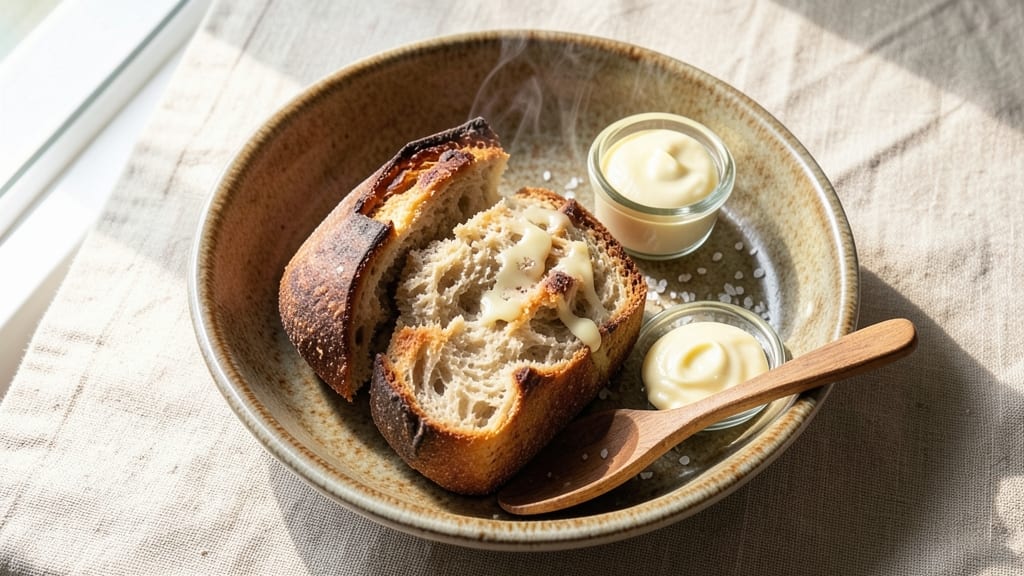
Carino’s bread recipe delivers that perfect balance of a crusty golden top and a soft, pillowy crumb—the kind of loaf that makes every meal feel like a celebration.
I first discovered this technique while researching traditional Italian bread-making methods, where a simple yet precise approach transforms basic ingredients into something extraordinary. The secret lies in the dough’s hydration and the baking process, where steam creates that signature crackly crust while keeping the interior tender.
This recipe is designed for foolproof results, whether you're a home baker or just starting out. With just five key ingredients and a one-hour active time (plus rising), you’ll achieve restaurant-quality bread without the complexity.
The dough develops naturally over time, allowing flavors to meld and the gluten to strengthen—no fancy equipment required. What sets this apart is the buttery finish, brushed on just before baking, which gives that irresistible aroma and flavor.
By the time you pull this loaf from the oven, you’ll have a warm, fragrant bread with a crisp exterior and a soft, airy interior—ideal for serving alongside soups, sandwiches, or simply enjoying with butter.
The texture is what makes it special: crunchy on the outside, tender on the inside, with just the right chew. This is the kind of bread that disappears quickly, leaving everyone at the table asking for seconds.
The beauty of this recipe is its versatility—use it for everyday meals or elevate it for special occasions. Once you master the technique, you can experiment with add-ins like herbs or garlic for even more depth.
Let’s get started on baking bread that tastes like it came straight from a bakery.
Ingredients for carino's bread
Five essential ingredients transform into a bakery-style loaf with a crisp crust and tender crumb.
| Ingredient | Amount | Notes |
|---|---|---|
| Bread Flour 🌾 | 5 cups | High-protein for optimal gluten development |
| Active Dry Yeast 🍞 | 2 ¼ tsp | Freshly opened for best fermentation |
| Granulated Sugar 🍚 | 1 tbsp | Feeds yeast for faster activation |
| Diamond Crystal Kosher Salt 🧂 | 2 tsp | Fine grain for even distribution |
| Unsalted Butter 🧈 | ½ cup | Cold, cubed for butter finish |
| Warm Water 💧 | 1 ½ cups | 110°F for optimal yeast activation |
| Extra-Virgin Olive Oil 🫒 | 1 ½ tbsp | For dough elasticity and flavor |
| Cornmeal 🌽 | ¼ cup | For dusting baking surface |
| Large Egg 🥚 | 1 whole | Optional for enriched dough |
| Coarse Sea Salt 🧂 | ½ tsp | For final crust enhancement |
| Ice Cubes ❄️ | 1 cup | For dough chilling before shaping |
The bread flour is non-negotiable here—King Arthur or Caputo Tipo 00 deliver the best gluten structure for that signature pillowy interior. Bulk bins at specialty stores often carry higher-quality flour than standard grocery aisles, and the difference in texture is noticeable. For the yeast, Saf-Instant is my go-to because it doesn't require proofing in water first, but traditional active dry yeast works if activated properly in the warm water. The sugar isn't just for sweetness—it kickstarts the yeast fermentation. If your water isn't exactly 110°F, test it with a thermometer or use the finger test: it should feel warm to the touch but not hot. The butter should be cold and cubed when added to prevent over-hydrating the dough. For the olive oil, California Gold or Bertolli brands offer consistent quality without overpowering flavors.
No bread flour? All-purpose flour plus 1 tsp vital wheat gluten gets you close, though the texture won't be identical. Substituting yeast? Sourdough starter at 1/4 cup works but requires longer fermentation. The butter can be swapped for vegetable shortening if avoiding dairy, though the flavor will differ. For the olive oil, avocado oil maintains neutral flavor but lacks the fruity notes. If you're making this ahead, the dough can be refrigerated for up to 24 hours before shaping—just let it sit at room temperature for 30 minutes before proceeding. The egg is truly optional; omit if avoiding raw eggs, but the dough will be slightly less tender. For the coarse salt, Maldon flaky salt adds dramatic visual contrast to the crust, but any sea salt works.
This dough is best shaped and baked immediately after the final rise, but you can prep it up to 12 hours ahead by refrigerating the shaped loaf in a proofing basket. For storage, wrap cooled bread in beeswax wrap to maintain moisture for up to 3 days at room temperature. Freeze portions for up to 3 months by wrapping tightly in plastic and aluminum foil. To revive frozen bread, warm at 350°F for 10 minutes wrapped in foil. The butter finish should be applied just before baking—it melts into the crust, creating that irresistible aroma. For extra crunch, sprinkle the coarse salt immediately after removing from the oven.
Why You'll Love This Recipe
- No-Knead Nightmare Solved: I’ll admit, I used to dread bread. But this recipe? Just mix the bread flour, yeast, sugar, and a pinch of that flaky kosher salt—no kneading, no fuss. The dough comes together in minutes, then chills while you do whatever (scroll, nap, pretend to work).
- Butter So Rich: That cold butter folded into the dough? Oh, it’s everything. The final loaf has this perfect balance—crust that’s crisp but not tough, and a crumb so tender it practically melts. Honestly, the first time I sliced it, I nearly dropped my knife.
- Weeknight Magic: Between us, this is my go-to when I forget to meal prep. Toss a slice in the toaster for breakfast, tear it for sandwiches, or even use it to sop up marinara like a pro. It’s the kind of bread that makes you feel like you’ve earned your dinner.
- Stretches the Budget: A whole loaf for under $3? With bread flour and butter being the priciest bits, this still beats store-bought by a mile. And leftovers? They last forever—freeze slices for toast or crumbs for meatballs. That’s money saved, friends.
Step-by-step instructions for Carino's bread recipe
Mastering this artisanal loaf requires precision in technique and patience in timing.
Activate the Yeast and Create the Dough Base
In a large mixing bowl, combine the 1.5 cups warm water (tested at 110°F), 1 tbsp granulated sugar, and 2.25 tsp active dry yeast. Let this mixture sit for 5-7 minutes until it develops a frothy, bubbly foam on the surface—this confirms the yeast is active. If no activity occurs after 10 minutes, your yeast may be dead, and you'll need to start over.
Add the 5 cups bread flour and 2 tsp diamond crystal kosher salt to the bowl. Using a wooden spoon or dough whisk, stir vigorously until a shaggy mass forms. This initial mixing incorporates air and begins developing gluten strands. The dough will appear rough and uneven at this stage, but that's expected.
Incorporate Fat and Enrich the Dough
Cut the 0.5 cup unsalted butter into small cubes and add them to the dough mixture. Using your hands or a dough hook attachment on a stand mixer, knead the dough for 8-10 minutes on medium speed until the butter is fully incorporated and the dough becomes smooth and elastic. The dough should pull away from the sides of the bowl and form a cohesive, slightly tacky ball.
Add the 1.5 tbsp extra-virgin olive oil and the 1 whole large egg (if using). Continue kneading for an additional 3-4 minutes until the dough is supple and no longer sticks to your fingers. Here's the thing—this enriched dough should feel slightly softer than traditional bread dough, almost like a cross between bread and brioche. If it's too sticky to handle, you may need to add 1-2 tablespoons of additional bread flour, but only if absolutely necessary.
First Rise and Chill for Optimal Texture
Lightly oil a large mixing bowl, place the dough inside, and cover it with a damp kitchen towel or plastic wrap. Allow the dough to rise in a warm place (around 75°F) for 1-1.5 hours, or until it has doubled in size. You'll know it's ready when you press your finger gently into the dough and it springs back slowly, leaving a slight indentation.
Once risen, transfer the dough to a clean work surface dusted with 0.25 cup cornmeal to prevent sticking. Gently shape it into a round loaf and place it seam-side up on a parchment-lined baking sheet. Cover loosely with plastic wrap and refrigerate for 12-24 hours. This cold fermentation step is crucial—it develops deep flavor and ensures a tender crumb. The dough will rise slightly during chilling, which is normal.
Shape and Final Proof Before Baking
Remove the chilled dough from the refrigerator and let it sit at room temperature for 30-45 minutes to relax slightly. Using your hands, gently reshape the dough into an oval loaf, about 1 inch thick at the center. Place it on a parchment-lined baking sheet and cover it with a damp towel. Allow it to proof at room temperature for 1-1.5 hours, or until it has risen 50-75% of its original size.
Preheat your oven to 375°F with a baking stone or inverted baking sheet on the middle rack. Once the dough has proofed, make a shallow slit down the center of the loaf using a sharp serrated knife or lame. Sprinkle the 0.5 tsp coarse sea salt evenly over the top. This slash allows the bread to expand properly during baking and creates that classic artisan look.
Bake to Golden Perfection
Carefully transfer the baking sheet with the loaf to the preheated oven. Bake for 35-40 minutes until the crust is deep golden brown and sounds hollow when tapped on the bottom. The internal temperature should reach 190-200°F when measured with an instant-read thermometer. Here's where precision matters—overbaking dries out the crumb, while underbaking leaves it gummy.
Remove the loaf from the oven and immediately brush the top with melted unsalted butter (if desired) for that signature buttery finish. Let it cool on a wire rack for at least 30 minutes before slicing. The bread will continue to set as it cools, developing that perfect contrast between a crispy, crackly exterior and a soft, pillowy interior. Real talk: this is the moment you'll know all your effort paid off.
Pro Tips For Making Carino'S Bread
- Use Cold Butter: I learned this the hard way—adding softened butter straight from the fridge (even if it’s slightly firm) creates pockets of steam during baking, giving Carino’s bread that signature airy crumb. Skip the room-temperature butter unless you want a denser loaf.
- Bloom Yeast in Warm Water: Diamond Crystal kosher salt is less salty than table salt, so if your yeast fizzes weakly, your dough might underproof. Use water warmed to 105–110°F (just warm to the touch) and let the yeast sit for 5–10 minutes until foamy—this guarantees a stronger rise.
- Skip Over-Kneading: Bread flour has more gluten than all-purpose, so it’s easy to overwork the dough. Knead until the surface is smooth and elastic (about 8–10 minutes by hand), then stop—over-kneading makes the bread tough, and this recipe relies on tender layers.
- Salt the Dough Early: Sprinkle the kosher salt into the flour before mixing—it dissolves more evenly, preventing pockets of saltiness. (Yes, even if you’re impatient like me, resist the urge to add it later.) The dough will feel slightly tacky, but that’s normal.
Wine and beer pairings for this carino's bread
Italian White Wine
This bread pairs beautifully with crisp, dry Italian whites that complement its buttery richness without overpowering it. I reach for a Pinot Grigio from Alto Adige—its bright acidity and citrus notes cut through the bread's richness while enhancing its crusty texture.
For something with more body, a Vermentino from Sardinia offers mineral notes that echo the bread's crusty exterior. Always serve the wine slightly chilled (45-50°F) to highlight its refreshing qualities. 🍷
Crisp Beer Pairings
A light lager or pilsner creates a perfect balance with this bread's buttery profile. I love pairing it with a Peroni or Heineken—their subtle malt sweetness and crisp finish refresh your palate between bites.
For a craft option, try a Belgian witbier like Stella Artois, whose coriander and citrus notes add a refreshing contrast. Avoid heavy ales or stouts that could overwhelm the bread's delicate flavors.
Red Wine for Bold Lovers
If you prefer red wine, a light-bodied Chianti or Sangiovese works surprisingly well. The wine's bright acidity and cherry notes complement the bread's crust while the tannins cleanse your palate. Serve it slightly cooler than room temperature (60-62°F) to soften its structure.
For a richer option, a Barbera from Piedmont offers juicy dark fruit flavors that stand up to the buttery finish.
Non-Alcoholic Options
Don't overlook sparkling water or artisanal sodas for a refreshing pairing. A San Pellegrino Aranciata with its blood orange flavor provides a citrusy contrast that brightens each bite. For something more substantial, a ginger beer—like Fever-Tree—adds a spicy kick that pairs wonderfully with the bread's buttery crust.
These options work equally well for brunch or as a palate cleanser between courses.
After-Dinner Digestivo
Finish your meal with a small glass of limoncello or amaro—both Italian classics that complement the bread's buttery notes. The citrusy sweetness of limoncello enhances the bread's crust, while the herbal bitterness of amaro balances its richness.
Serve these chilled (40-45°F) in small glasses for a perfect closing note. 💛
Nutrition facts
Frequently asked questions
Why does this bread need a cold fermentation step?
The 12-24 hour cold proof in the fridge is what creates that signature flavor and texture. It slows fermentation, allowing gluten to fully develop and sugars to caramelize, resulting in a deeper, more complex taste and that perfect contrast between crisp crust and soft crumb. Skipping this step makes the bread taste more basic and less flavorful.
Can I make this bread without a stand mixer?
This dough can be kneaded by hand on a lightly floured surface for 10-12 minutes until smooth and elastic. The key is to be patient and work the dough vigorously to incorporate the butter properly. Just be prepared for some arm work—it's worth the effort for that restaurant-quality texture!
What if my dough doesn't rise properly?
Check three things first: your yeast (freshness and activation), water temperature (110°F), and ambient temperature (75°F for rising). If the dough rises slowly or not at all, try placing the bowl in a warmer spot (like near a turned-off oven with the light on) or using a tiny bit more sugar (½ tsp extra) to jumpstart fermentation.
How do I store leftovers to keep them fresh?
Wrap the cooled bread in beeswax wrap or a clean kitchen towel, then store at room temperature for up to 3 days. For longer storage, slice the bread and freeze portions in airtight bags for up to 3 months. To revive frozen slices, warm them in a 350°F oven for 5-7 minutes wrapped in foil.
Can I add herbs or garlic to this recipe?
Yes! For a garlic variation, mix 1 tsp minced garlic into the dough during kneading. For herbs, try 1 tbsp fresh rosemary or thyme (finely chopped) added with the butter. Just remember these additions will slightly alter the texture—keep them minimal to maintain that signature soft crumb.