
Main Courses
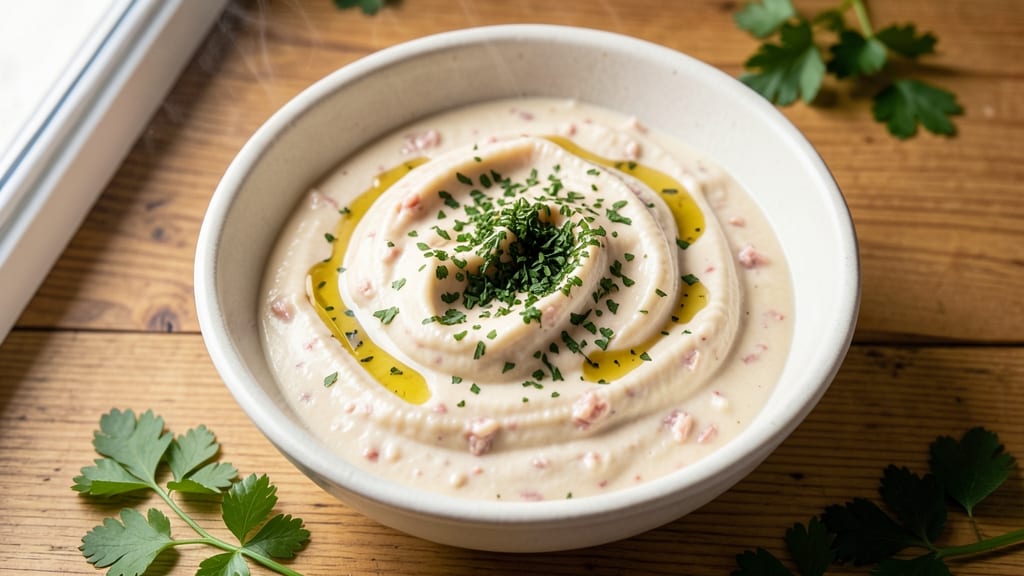
Transforming canned tuna into a savory, zero-waste loaf of bread is one of those kitchen magic tricks that turns pantry staples into something extraordinary. This recipe proves that simple ingredients—like canned tuna, eggs, and flour—can create a moist, flavorful bread with a satisfying chew.
I developed it after realizing how much tuna I was wasting, and now it’s a staple in my freezer for quick meals.
The beauty of this recipe lies in its simplicity and versatility. With just a few basic ingredients and a standard loaf pan, you’ll bake a bread that’s perfect for sandwiches, toast, or even as a side dish.
The texture is moist yet sturdy, thanks to the tuna’s natural oils and the right balance of moisture from eggs and milk. It’s the kind of bread that disappears fast, but the leftovers reheat beautifully.
What sets this recipe apart is how it elevates a humble can of tuna into something hearty and delicious, without any fancy techniques. The bread has a subtle savory depth from the tuna, paired with just enough herbs to keep it bright.
Whether you’re feeding a family or prepping for meal prep, this loaf delivers on flavor and convenience. Let’s get baking!
Best of all, this recipe is designed to minimize waste—no more forgotten cans of tuna gathering dust in your pantry. The instructions are straightforward, and the results are consistently reliable, making it ideal for both beginners and seasoned bakers.
Here’s how to create your own savory loaf with zero waste magic.
Ingredients for canned tuna bread
Pantry staples meet savory magic—just these 13 ingredients transform forgotten tuna cans into delicious loaves.
| Ingredient | Amount | Notes |
|---|---|---|
| Canned Tuna in Water 🐟 | 2 cans | Drained, not oil-packed |
| All-Purpose Flour 🌾 | 3 cups | Spooning and leveling |
| Whole Milk 🥛 | 1 cup | Room temperature preferred |
| Large Eggs 🥚 | 2 whole | Room temperature for even baking |
| Extra-Virgin Olive Oil 🫒 | ¼ cup | For moisture and richness |
| Dried Parsley Flakes 🌿 | 2 tbsp | Or 2 tbsp fresh chopped |
| Dried Dill 🌿 | 1 tbsp | For that tuna bread flavor |
| Garlic Powder 🧄 | 1 tsp | Freshly ground preferred |
| Onion Powder 🧅 | 1 tsp | Adds subtle depth |
| Salt 🧂 | 1 ½ tsp | Kosher or sea salt |
| Baking Powder 🍞 | 1 ½ tsp | For proper rise |
| Baking Soda 🍞 | ½ tsp | Balances acidity |
| Black Pepper 🌶️ | ½ tsp | Freshly cracked |
The tuna makes this bread special. Water-packed is key—it’s lighter than oil-packed and keeps the texture tender. I always grab Wild Planet or Starkist in water, but any brand works. The milk? Whole milk adds richness—skip the skim if you can. For the flour, King Arthur or Gold Medal are my go-tos, but any all-purpose works. The trick is to measure it properly: spoon into the cup and level off. No packing! The herbs are non-negotiable—dried parsley and dill give that classic tuna bread taste, but if you've got fresh, use twice the amount. I usually buy them in bulk at Trader Joe's—cheaper and lasts forever.
No milk? Buttermilk or plain yogurt works in a pinch, but the texture might be slightly denser. Short on baking powder? Baking soda plus a pinch of cream of tartar replaces it 1:1. The tuna flavor needs balance, so if you're using oil-packed, drain it well and pat dry with a paper towel—the extra fat can make the bread greasy. Want more flavor? Add 1 tbsp capers or a dash of Worcestershire sauce. The olive oil is worth the investment—California Avocado or Bertolli are my picks, but any good extra-virgin will do. And if you're out of garlic powder, 1 clove of fresh garlic minced works too (just taste before adding more).
This bread keeps beautifully. Wrap it in foil and store at room temp for 3 days, or freeze for up to 3 months. To reheat, wrap in foil and warm at 350°F for 10 minutes. I always bake two loaves—one for sandwiches, one for toast. The leftovers make amazing croutons too. For extra crispiness, brush the top with milk before baking. And if you're feeling fancy, sprinkle poppy seeds or sesame seeds on top before baking for a little crunch.
Why You'll Love This Recipe
- Pantry Powerhouse: I swear by this recipe when my fridge is bare—just open a can of tuna, crack eggs, and mix. No fancy ingredients, no last-minute grocery runs, just reliable flavor from what’s already there.
- No-Fuss Texture: That crispy golden crust with a tender, fluffy inside? It’s all thanks to the olive oil and milk working together. Honestly, it’s the kind of bread that disappears faster than I can say “second slice.”
- Lunchbox Legend: Between us, this is my go-to for meal prep—slices perfectly, stays fresh for days, and even kids will eat it. Tuna bread for school lunches? Yes, even on a Tuesday night.
- Budget Win: A single can of tuna stretches to feed four, and the rest of the ingredients cost pennies. I’ll be real: this is how I stretch my grocery budget without sacrificing taste.
Step-by-step instructions for canned tuna bread
Here's how to transform simple pantry staples into a savory, moist loaf that's perfect for sandwiches.
Mix Wet Ingredients for Perfect Texture
In a large mixing bowl, combine the drained 2 cans canned tuna in water, 1 cup whole milk, 2 whole large eggs, and 0.25 cup extra-virgin olive oil. Use a whisk or fork to blend until smooth and fully incorporated. The mixture should look creamy and uniform—this ensures even distribution of moisture throughout the bread.
Here's the thing—room temperature ingredients mix better, but if yours aren't, just give the bowl a quick spin in your microwave for 10-15 seconds to loosen everything up. The olive oil adds richness while keeping the bread tender, not greasy. Stir in 2 tablespoons dried parsley flakes, 1 tablespoon dried dill, 1 teaspoon garlic powder, 1 teaspoon onion powder, 1.5 teaspoons salt, 0.5 teaspoon black pepper, and let the flavors meld for 1 minute. You'll notice the parsley and dill immediately brighten the mix with their fresh, herby notes.
Combine Dry Ingredients Gently
In a separate bowl, sift together the 3 cups all-purpose flour, 1.5 teaspoons baking powder, and 0.5 teaspoon baking soda. This aerates the flour and prevents lumps in your final dough. The baking powder and baking soda work together to give your bread that perfect rise—don't skip this step, even if it seems tedious.
Make a well in the center of the dry ingredients and pour in the wet mixture. Using a wooden spoon or spatula, gently fold everything together just until combined. You'll see streaks of flour remaining—don't overmix. Overworking the dough develops gluten, which can make your bread tough instead of tender. The ideal texture should resemble thick pancake batter with small lumps still visible.
Bake to Golden Perfection
Preheat your oven to 350°F and lightly grease a 9x5-inch loaf pan with a bit of olive oil or line it with parchment paper. Pour the batter into the prepared pan and smooth the top with a spatula. Tap the pan gently on the counter a few times to release any air bubbles that might have formed.
Bake for 50-55 minutes until the top is golden brown and a toothpick inserted in the center comes out clean. The bread is done when it springs back slightly when pressed and has developed a beautiful crust. If the top browns too quickly, tent the pan with foil after 30 minutes to prevent over-browning while the center cooks through.
Cool and Serve
Remove the bread from the oven and let it cool in the pan for 10 minutes. Then transfer it to a wire rack to cool completely—this prevents sogginess and makes slicing easier. The bread will be moist but not wet, with a tender crumb that holds up beautifully to slicing.
Slice the cooled loaf into ½-inch thick portions for perfect sandwiches. Store any leftovers wrapped tightly in plastic or foil at room temperature for up to 3 days, or freeze for up to 3 months. The flavors actually deepen slightly as it sits, making this bread even more delicious the next day.
Pro Tips For Making Canned Tuna Bread
- Drain and Pat Dry: The canned tuna’s liquid is your enemy here—it makes the bread dense and gummy. Drain it well, then press the tuna into a fine, even layer on paper towels and let it sit for 5 minutes. This step alone keeps the texture light and fluffy instead of soggy.
- Mix Milk First: Whisk the whole milk and eggs together first, then add the flour. I learned this the hard way—adding dry ingredients to wet tuna straight away creates lumps that never fully disappear. A smooth batter means a tender crumb.
- Don’t Overmix: Once the flour’s incorporated, stop stirring when the dough just comes together. Overmixing develops gluten, and this bread needs a tender, not chewy, texture. Two or three gentle folds are all it takes—no need to knead like pizza dough.
- Use Olive Oil for Crisp: Swap half the milk fat for 1 tablespoon of extra-virgin olive oil in the batter. It crisps the crust better than butter and adds a subtle richness that balances the tuna’s fishiness. (Yes, even if you’re skeptical—it works.)
Best sauces and condiments for these flavors
Classic Spreads
This savory loaf shines with mayonnaise-based spreads—I love Hellmann’s Real Mayonnaise or Duke’s for that creamy, tangy contrast. For a lighter option, try Greek yogurt mixed with lemon juice and dill (about ½ cup plain Greek yogurt + 1 tbsp lemon juice + 1 tsp dill).
The bread’s moisture balances the richness perfectly, making it ideal for tuna salad sandwiches or open-faced toast. 🥪
Herb Butter Magic
Compounded herb butter takes this bread to the next level. Mix ½ cup softened butter with 1 tbsp chopped fresh parsley, 1 tsp dried dill, ½ tsp garlic powder, and a pinch of salt. Spread on warm slices for a luxurious, flavor-packed bite.
I often make a batch ahead and store it in an airtight container in the fridge for up to 1 week. The butter’s richness complements the bread’s savory notes beautifully. 🧈
Spicy Mustard Twist
For a kick, combine 2 tbsp Dijon mustard with 1 tbsp whole-grain mustard and a splash of apple cider vinegar. Spread on toasted slices and top with smoked salmon or avocado for a gourmet touch.
The mustard’s tang cuts through the bread’s richness while adding complexity. I also love adding ½ tsp smoked paprika to the mix for extra depth. 🌶️
Olive Oil Drizzle
A simple but elegant finishing touch is a drizzle of high-quality extra-virgin olive oil (like California Avocado) mixed with a pinch of flaky sea salt. Warm the bread slightly before drizzling to enhance the oil’s fruity notes.
This works especially well with grilled vegetables or hummus as a side. The olive oil’s brightness contrasts the bread’s savory depth wonderfully. 🫒
Sweet Contrast Options
Don’t be afraid to play with sweetness! A thin layer of honey or fig jam pairs surprisingly well with the bread’s herby, savory profile. I often spread 1 tsp honey on a slice, then top with cream cheese and a sprinkle of everything bagel seasoning for a sweet-savory balance.
This combo is perfect for breakfast or dessert-like snacks. 🍯
Pickled Veggie Toppers
Brighten up your sandwiches with pickled vegetables like red onions, cucumbers, or jalapeños. Their acidity cuts through the richness of the bread, adding a refreshing crunch. I like to slice ¼ cup pickles thinly and layer them between slices of bread with cream cheese or avocado.
The contrast in textures and flavors makes every bite exciting. 🥒
Nutrition facts
Frequently asked questions
Can I use oil-packed tuna instead of water-packed?
You can, but drain it thoroughly and pat it dry with paper towels first. The extra fat from oil-packed tuna can make the bread greasy. For best results, stick with water-packed tuna to maintain that tender, moist texture. If you love the flavor of oil-packed, try using just 1 can oil-packed and 1 can water-packed for a balance.
Why did my bread turn out dense instead of light?
Overmixing the batter develops too much gluten, making the bread dense. Gently fold the ingredients just until combined—you should still see small flour streaks. Also, ensure your baking powder and baking soda are fresh. If your oven runs hot, reduce the temperature to 340°F for a slower rise. The bread should spring back slightly when pressed.
Can I make this bread without milk?
Yes! Substitute with 1 cup buttermilk or ½ cup plain yogurt plus ½ cup water. For a dairy-free option, use 1 cup unsweetened almond milk or oat milk, but the texture may be slightly less tender. The milk adds richness, so if you skip it, consider adding an extra 1 tablespoon olive oil for moisture.
How can I add more flavor to this recipe?
Boost the flavor with 1 tablespoon capers, 1 teaspoon Worcestershire sauce, or ½ teaspoon Old Bay seasoning. For a cheesy twist, fold in ½ cup shredded cheddar or mozzarella into the batter. Fresh herbs like chopped parsley or dill (double the dried amount) also elevate the taste. Just don’t overdo it—this bread shines with subtle seasoning.
Is this bread good for meal prep?
This bread freezes beautifully for up to 3 months. Wrap individual slices in plastic wrap, then place them in an airtight container or freezer bag. To reheat, toast directly from frozen or warm in the oven at 350°F for 5-10 minutes until crispy. It’s perfect for quick lunches—just grab a slice, spread with mayo, and add your favorite toppings.