
Side Dishes
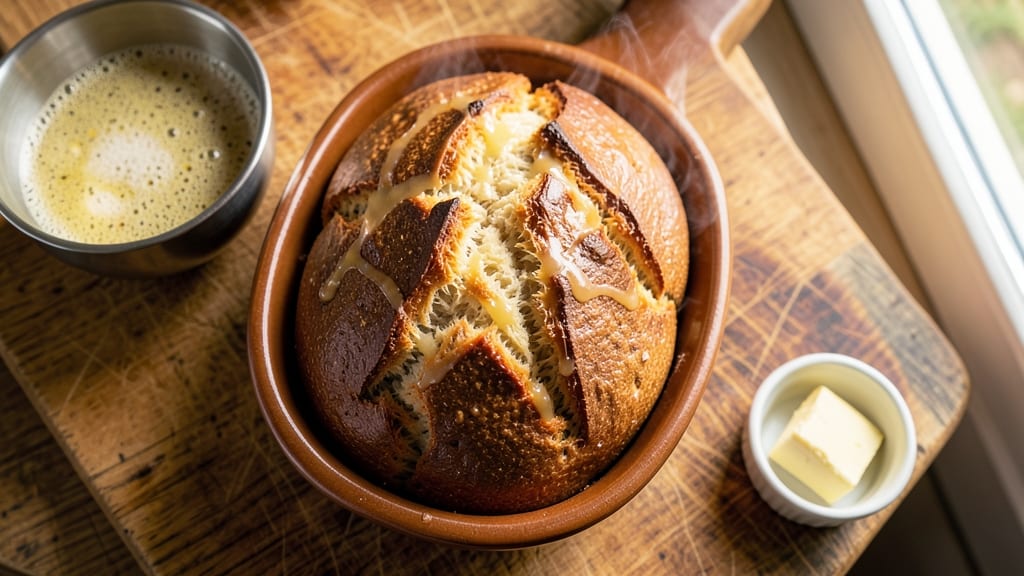
This buttery bread recipe delivers the perfect balance of a golden, crispy crust and an impossibly soft, pillowy interior—every slice tastes like a bakery secret.
I've baked countless loaves to perfect this method, and the key lies in the butter-to-flour ratio and precise kneading technique that creates those signature air pockets. The aroma alone as it pulls from the oven will have everyone gathering around the table.
What sets this recipe apart is its simplicity without sacrificing professional results. With just five core ingredients—flour, butter, yeast, sugar, and salt—you'll achieve restaurant-quality bread in under two hours. The butter is incorporated in stages to prevent overworking the dough while ensuring maximum flavor infusion.
This method yields a loaf so tender it practically melts in your mouth, with a crust that's crisp enough to hold jam without crumbling.
The proofing process is where the magic happens—allowing the dough to rise slowly at room temperature develops deep flavor and creates that signature open crumb structure. When baked at the right temperature, the butter releases steam that transforms the bread into a light, airy masterpiece.
Each slice will have that buttery aroma and texture that makes this bread irresistible straight from the oven.
Whether you're serving it fresh with soup, using it for sandwiches, or simply enjoying it with butter and honey, this recipe delivers consistent, foolproof results every time. The technique scales perfectly for any occasion, from weeknight dinners to holiday feasts. Let's get started on creating your perfect loaf.
Ingredients for buttery bread
Five core ingredients transform into golden, buttery bread with a bakery-secret crust and pillowy interior.
| Ingredient | Amount | Notes |
|---|---|---|
| All-Purpose Flour 🌾 | 5 cups | Bread flour preferred for chewier texture |
| Unsalted Butter 🧈 | 1 ½ cups | Cold, cubed for proper incorporation |
| Active Dry Yeast 🍞 | 2 ¼ tsp | Fresh yeast if available (2.25g) |
| Granulated Sugar 🍚 | 1 tbsp | White or brown sugar works |
| Diamond Crystal Kosher Salt 🧂 | 1 ½ tsp | Fine grain preferred for even distribution |
| Whole Milk 🥛 | ¼ cup | Warmed to 110°F (43°C) for activation |
| Large Egg 🥚 | 1 whole | Room temperature for even mixing |
| Cornmeal 🌽 | ¼ cup | For dusting baking surface |
| Water 💧 | ¾ cup | Lukewarm for yeast activation |
The butter is non-negotiable here—European-style unsalted butter like Plugrá or President gives the richest flavor. Costco or specialty grocers carry the best brands, but any good-quality unsalted butter works. Keep it cold when measuring—soft butter can make the dough too sticky. The flour matters too: King Arthur or Caputo bread flour yields a chewier crumb, but all-purpose works in a pinch. For the yeast, check the expiration date—old yeast won't activate properly. If your yeast packet says 'proofed,' skip the warm water test and use it straight from the package.
No butter? Substitute an equal weight of lard or shortening, though flavor will suffer. Short on milk? Warm water plus 1 tsp powdered milk mimics the richness. Using bread flour? Reduce water by 1 tbsp to compensate for its higher protein content. The egg acts as a binder, but if you're avoiding it, 1 tbsp melted butter plus 1 tbsp water works. For a sweeter loaf, add 1 tbsp honey to the dough. And if your dough feels too dry, add 1 tsp more water—bread flour absorbs differently than all-purpose.
This dough needs patience—proof it at room temperature for 1.5 hours for maximum flavor development. For make-ahead prep, shape the dough, cover, and refrigerate overnight. The next day, let it sit at room temperature for 1 hour before baking. Store baked bread in a bread box or paper bag to maintain freshness for up to 3 days. For longer storage, wrap tightly in foil and freeze—toast straight from frozen for best results. The crust stays crisp for 24 hours if kept in a sealed container.
Why You'll Love This Recipe
- No-Knead Magic: Between us, this dough comes together with zero fuss—just mix, let it rise, and bake. I swear, my lazy Sunday mornings now include warm bread without a single elbow grease.
- Butter Overload: That rich, cold butter folded into the dough? It’s what turns good bread into ridiculously good bread. The kind that disappears faster than my willpower on a Monday.
- Weeknight Hero: Toss a loaf in the oven while dinner simmers, and suddenly you’ve got crispy edges and soft centers—no fancy timing, no stress. Honestly, it’s my secret weapon for busy nights.
- Budget-Friendly Staple: Flour, butter, yeast—these are pantry basics that stretch into loaves upon loaves. Freeze extras, toast them later, and watch your grocery bill stay sane. (Yes, even on a Tuesday night.)
Step-by-step instructions for buttery bread with golden crust
Here's how to transform simple ingredients into artisanal bread with a crackling crust and tender interior.
Activate the Yeast with Warm Milk and Water
In a small bowl, combine the 0.75 cup lukewarm water (about 110°F) with the 1 tbsp granulated sugar and 2.25 tsp active dry yeast. Let it sit for 5-10 minutes until frothy—this confirms the yeast is alive and ready to work. If it doesn't bubble, your yeast may be dead, and you'll need to start over.
Next, gently stir in the 0.25 cup whole milk (warmed to the same temperature). The milk adds richness and helps create that signature tender crumb. Let this mixture sit for another 5 minutes until it becomes bubbly again. The yeast will double in volume, signaling it's ready for the dough.
Mix the Dough with Cold Butter and Flour
In the bowl of a stand mixer fitted with the dough hook, combine the 5 cups all-purpose flour and 1.5 tsp diamond crystal kosher salt. Mix on low speed to aerate the flour before adding the wet ingredients. This step ensures even distribution of the salt and prevents clumping.
Add the 1.5 cups cold unsalted butter, cut into cubes, to the flour mixture. Mix on low speed until the butter is evenly distributed but still visible in small chunks. This cold butter will create pockets of air and fat, resulting in that signature flaky, buttery texture. Avoid overmixing—you want to preserve the butter's shape for maximum flavor and tenderness.
With the mixer running on low, gradually add the yeast-milk mixture. The dough will immediately begin to come together. Once incorporated, add the 1 whole large egg and mix until the dough forms a shaggy mass. If it's too sticky, add 1-2 tablespoons of flour at a time until it pulls away from the sides of the bowl.
Knead Until Silky and Elastic
Knead the dough on medium speed for 5-7 minutes until it becomes smooth, elastic, and slightly tacky to the touch. You'll know it's ready when it forms a windowpane—stretch a small piece of dough thin enough to see light through it without tearing. This step develops gluten, which gives the bread its structure and chew.
If the dough feels too soft or sticky, add 1 tablespoon of flour at a time until it reaches the perfect consistency. The dough should be pliable but not sticky enough to cling to your fingers. Shape it into a smooth ball, then place it in a lightly greased bowl. Cover with a damp towel and let it rise in a warm place for 1-2 hours, or until it has doubled in size.
Shape and Proof for Maximum Rise
Turn the risen dough onto a surface dusted with 0.25 cup cornmeal to prevent sticking. Gently deflate the dough and shape it into a loaf, sealing the edges tightly. Place it seam-side up in a greased 9x5-inch loaf pan (or a similar-sized pan). Cover loosely with plastic wrap and let it proof for another 30-45 minutes until it rises just above the rim of the pan. This final rise ensures a light, airy texture.
Preheat your oven to 375°F while the dough proofs. The residual heat from the proofing process will help the bread rise evenly in the oven. Once the oven is fully preheated, bake the bread for 30-35 minutes until the top is golden brown and the internal temperature reaches 190°F. Tap the bottom of the loaf—it should sound hollow, indicating it's fully baked.
Cool and Slice for Perfect Texture
Remove the bread from the pan and let it cool on a wire rack for at least 15 minutes before slicing. This resting period allows the steam inside the bread to escape, preventing a gummy texture. The crust will firm up as it cools, making it easier to slice without falling apart.
Slice the bread while still slightly warm for the best texture—each slice should reveal a tender, pillowy crumb with pockets of buttery richness. Serve warm with butter, jam, or your favorite spread, and enjoy the satisfying crunch of the golden crust with every bite.
Pro Tips For Making Buttery Bread
- Use Cold Butter: Cut that unsalted butter straight from the fridge into small cubes—no need to soften it first. I learned this the hard way after making dough too sticky to handle, and it actually distributes better during kneading, giving you that perfect flaky, buttery texture without fighting a greasy mess.
- Bloom Yeast Properly: Mix the yeast with warm water (110°F) and sugar first, then wait exactly 5 minutes until it’s frothy before adding flour. Skipping this step means your bread might rise slowly or unevenly—like waiting for a lazy friend to show up when the party’s already started.
- Measure Salt Right: Diamond Crystal kosher salt is less dense than table salt, so use 1.5 teaspoons instead of 1 for the same flavor punch. I used to eyeball it and ended up with bland bread—now I double-check, and the difference is noticeable in every bite.
- Let Dough Rest: After kneading, give the dough a full 1-2 hour rise at room temp before shaping—yes, even if you’re in a hurry. This relaxes the gluten so it doesn’t snap back when sliced, giving you that signature buttery pull-apart texture. (Your future self will thank you.)
Regional styles of this recipe
French Brioche
This rich, egg-enriched bread from France uses even more butter than our base recipe—2 cups total—and incorporates 3 extra egg yolks for a luxurious texture.
The key is working quickly to prevent the butter from melting, and proofing the dough in a warm oven (80°F) for 1.5 hours to develop maximum flavor.
For a classic French touch, shape the dough into a boule (round loaf) and bake at 350°F for 35-40 minutes until deep golden brown. 🥖
Italian Panettone
Transform your buttery bread into Italian Christmas classic by adding 1 cup candied fruit (like dried figs or citrus peel) and ½ cup raisins to the dough. Fold these into the shaped loaf before the final proof.
For authentic flavor, replace ½ cup butter with ½ cup dark rum> and add 1 tsp vanilla extract to the yeast mixture. Bake in a 10-inch round pan> at 325°F> for 50-60 minutes> until the top springs back when touched.
German Butterkuchen
This dense, buttery German bread is perfect for sandwiches. Increase the butter to 2 cups> and add ½ cup sour cream> to the dough for extra tenderness. Shape into a log> (like a baguette but thicker) and bake at 350°F> for 40-45 minutes>.
The secret? Brush the baked loaf with melted butter> while still warm, then immediately sprinkle with coarse sea salt> for a crisp, salty crust. Serve sliced and buttered for maximum indulgence. 🧈
Swedish Cardamom Bread
For a Scandinavian twist, add 2 tsp ground cardamom> and 1 tbsp honey> to the dough. Replace ½ cup milk with cream> for extra richness. Shape into a round loaf> and bake at 375°F> for 30-35 minutes>.
Brush the warm loaf with melted butter> mixed with 1 tsp vanilla sugar> (equal parts sugar and vanilla) for a fragrant finish. This bread pairs perfectly with coffee or lingonberry jam. ☕
Southern Cornbread
Swap 1 cup all-purpose flour for cornmeal> and add 1 cup shredded cheddar cheese> to the dough. Reduce the yeast to 1.5 tsp> and bake in a greased cast-iron skillet> at 400°F> for 20-25 minutes>.
The high heat creates a crispy crust while keeping the inside moist. Serve warm with honey butter or chili for a Southern-style meal. 🌽
Nutrition facts
Frequently asked questions
Why does my buttery bread turn out dense instead of light and airy?
Over-kneading or using warm butter are the most common culprits. Always use cold butter and knead just until the dough forms a windowpane (about 5-7 minutes). Also, ensure your yeast is fresh and the dough rises in a warm spot (75-80°F) for 1-2 hours—cold environments slow yeast activity.
Can I make this recipe without a stand mixer?
By hand, mix the dough in a large bowl, then knead on a floured surface for 8-10 minutes until smooth. Use the "fold and turn" method: stretch the dough, fold it over, and rotate the bowl ¼ turn to develop gluten evenly. Patience is key—don't rush this step.
How do I get an extra-crispy crust without burning the inside?
Bake at 375°F for 25 minutes, then increase heat to 400°F for the final 5-10 minutes until golden. For extra crunch, brush the baked loaf with melted butter while warm, then sprinkle with coarse salt. A baking stone or steel in the oven also creates a crispier crust.
What's the best way to store leftover buttery bread?
Wrap cooled slices in parchment paper and store in an airtight container at room temperature for 2-3 days. For longer storage, freeze slices (up to 3 months)—toast straight from frozen for best texture. Never refrigerate; cold air makes bread stale faster.
Can I add herbs or spices to this recipe?
Yes! For savory bread, try 1 tsp dried rosemary or thyme mixed into the flour. For sweet variations, add ½ tsp cinnamon + 1 tbsp brown sugar or ½ cup chopped nuts (walnuts or pecans work best). Just reduce salt slightly if using salty additions like bacon bits.