
Sauces & Condiments
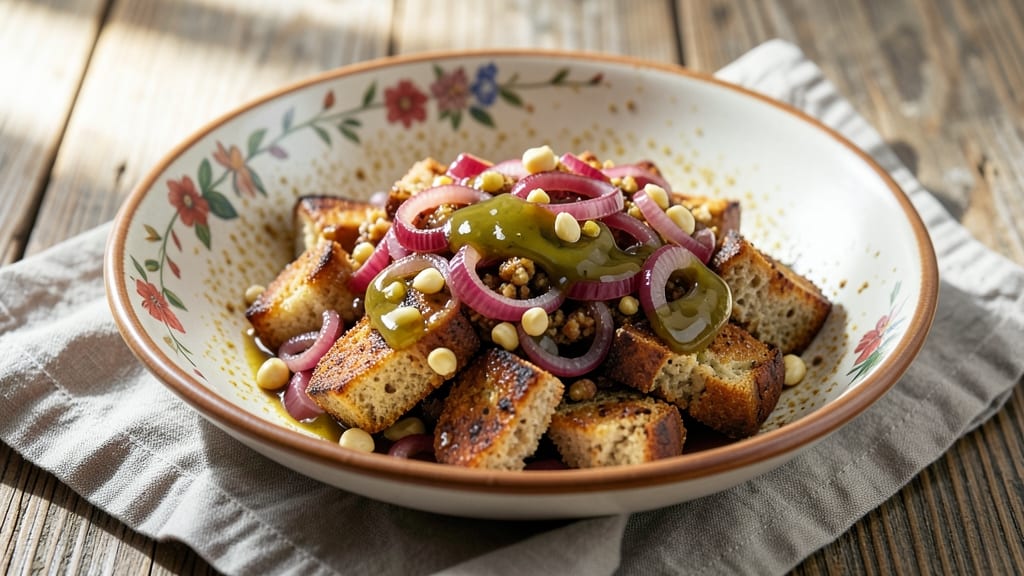
This bread chutney recipe transforms simple bread into a tangy-spiced condiment that elevates sandwiches, charcuterie boards, and more. The process starts with stale bread soaked in vinegar and spices, then blended into a thick, flavorful paste that’s both versatile and restaurant-worthy.
I developed this version after realizing how much better homemade chutney tastes compared to store-bought alternatives—it’s a game-changer for any spreadable condiment collection.
The key to success lies in balancing acidity and spice, creating a chutney that’s bright yet complex. You’ll use basic pantry staples like vinegar, garlic, and spices, but the magic happens when they blend into a cohesive, spreadable texture.
This recipe delivers a foolproof method that works for both traditional and modern applications, whether you’re pairing it with cured meats, fresh bread, or as a dip for vegetables.
What you’ll end up with is a vibrant, tangy-spiced chutney that’s rich in flavor and effortlessly spreadsable. The texture is smooth yet substantial, with a perfect balance of acidity and warmth from the spices.
It keeps well in the refrigerator for up to two weeks, making it an ideal addition to meal prep or entertaining. Let’s get started on this versatile condiment that will become a staple in your kitchen.
This bread chutney works beautifully on sandwiches, as a dip for crudités, or as a tangy accent on charcuterie boards. Its adaptability makes it a must-have for any pantry, and the process is straightforward once you understand the core technique.
You’ll be amazed at how a few simple ingredients can create such a dynamic and delicious result.
Ingredients for bread chutney
Pantry staples transform into this vibrant, tangy-spiced chutney perfect for sandwiches and charcuterie boards.
| Ingredient | Amount | Notes |
|---|---|---|
| Stale Bread 🍞 | 4 cups | Day-old or lightly toasted cubes |
| Apple Cider Vinegar 🍎 | 1 cup | For tangy depth |
| Yellow Onion 🧅 | ½ cup | Diced, medium size |
| Garlic Cloves 🧄 | 4 cloves | Peeled, rough chopped |
| Extra-Virgin Olive Oil 🫒 | ½ cup | For richness |
| Mustard Powder 🌶️ | 1 tbsp | Yellow or Dijon |
| Ground Cumin 🌿 | 1 tsp | Toasted for warmth |
| Ground Coriander 🌿 | 1 tsp | For citrusy brightness |
| Salt 🧂 | 1 tsp | Diamond Crystal preferred |
| Black Pepper 🌶️ | ½ tsp | Freshly cracked |
The bread is the foundation—stale or lightly toasted works best, but fresh works in a pinch. Sourdough or whole grain adds depth if you've got it, but any bread will do. Apple cider vinegar is key for that authentic tang—Bragg brand is my go-to, but any good-quality vinegar works. The onion and garlic should be diced small enough to disappear when blended, but not so fine they turn into paste. Trader Joe's has pre-diced onions if you're short on time, but fresh is always better.
No mustard powder? Dijon mustard at half the amount works perfectly. Short on cumin? Smoked paprika at the same quantity gives a similar warmth. Want extra tang? Add 1 tbsp lemon juice. The olive oil matters here—use something fruity and peppery, not the cheap stuff. If you're making a big batch, Costco's Kirkland brand is a great budget-friendly option. The spices should be fresh—if they smell dull, toast them in a dry pan for 30 seconds to wake up the flavors.
This keeps beautifully in the fridge for 2 weeks if stored in an airtight container. The texture thickens as it sits—just stir in a splash of vinegar or water if it gets too stiff. For longer storage, transfer to a jar and freeze for up to 6 months. I like to portion it into small jars for easy use on sandwiches or charcuterie boards. The flavor actually improves after the first day as everything melds together.
Why You'll Love This Recipe
- No-Waste Magic: I swear by this trick—toss in that week-old crusty bread you’d normally toss, and boom, it transforms into something rich and tangy. The vinegar and olive oil work their magic while you chop one onion and crush a few garlic cloves. Honestly, it’s the kind of recipe that makes me feel like a genius for using what I already have.
- Tangy, Toasty Bite: That crispy bread edge? It’s the star. The apple cider vinegar cuts through the richness, while the garlic and onion add a deep, savory punch. Spread it on toast or dip it in—it’s the kind of flavor that lingers just enough to make you reach for seconds.
- Party or Pantry: This chutney is my go-to for last-minute appetizers or a quick snack. Serve it with cheese boards, charcuterie, or even as a sandwich spread—it’s that versatile. Between us, it’s also the secret weapon I pull out when I need something fast but still feels special.
- Budget-Friendly Staple: I make a big batch and keep it in the fridge for weeks. The ingredients are cheap, the prep is minimal, and it stretches across meals without breaking the bank. Not the prettiest, but the taste makes up for it every time—especially when I’m trying to feed a crowd on a tight budget.
Step-by-step instructions for bread chutney
Transform humble ingredients into a vibrant, tangy-spiced chutney that elevates every bite.
Prepare the Bread Base
Tear the 4 cups stale bread into rough chunks—no need for perfection here, just even-sized pieces. If your bread is fresh, toast it lightly to remove excess moisture, which prevents a watery chutney. Spread the bread pieces on a baking sheet and toast at 350°F for 8-10 minutes until just dry to the touch. This step is crucial because overly moist bread will dilute the flavors and make your chutney gummy rather than creamy.
While the bread toasts, finely dice the 0.5 cup yellow onion and roughly chop the 4 cloves garlic. The onion should be small enough to blend seamlessly into the chutney, while the garlic should be coarse enough to add texture. Here's the thing—don't skip this prep. Freshly chopped aromatics make all the difference in flavor development compared to pre-minced varieties.
Toast the Spices and Build the Flavor Foundation
Heat the 0.5 cup extra-virgin olive oil in a large skillet over medium heat. Add the diced onion and cook for 5-6 minutes until softened and translucent. This slow cooking process draws out the natural sweetness of the onion without letting it brown. Add the chopped garlic and cook for another 1-2 minutes until fragrant—you'll know it's ready when the kitchen fills with that unmistakable garlic aroma.
Reduce the heat to low and add the 1 tablespoon mustard powder, 1 teaspoon ground cumin, and 1 teaspoon ground coriander. Stir constantly for 1-2 minutes until the spices are fully incorporated and the mixture smells warmly aromatic. This is where the magic happens—the spices bloom and release their essential oils, creating the complex flavor profile that defines this chutney. Don't rush this step; let the spices toast gently to avoid bitterness.
Combine and Simmer the Chutney
Transfer the onion-garlic-spice mixture to a food processor or blender. Add the toasted bread pieces, 1 cup apple cider vinegar, 1 teaspoon salt, and 0.5 teaspoon black pepper. Pulse until the mixture is finely chopped but still has some texture—you're aiming for a rustic, spreadable consistency, not a smooth puree. The vinegar will seem like too much at first, but trust me, it balances the richness perfectly.
Transfer the mixture to a medium saucepan and bring to a gentle simmer over medium-low heat. Stir frequently for 10-12 minutes until the chutney thickens and coats the back of a spoon. You'll notice it starts to pull away from the sides of the pan—that's your signal it's ready. If it thickens too quickly, add 1-2 tablespoons water to maintain the ideal spreadable consistency. The chutney should be vibrant in color and packed with layers of tangy, spicy, and savory flavors.
Rest and Serve for Maximum Flavor
Remove the chutney from heat and let it cool to room temperature. This resting period allows the flavors to meld completely—at least 30 minutes, but I recommend letting it sit overnight in the refrigerator if possible. The longer it rests, the more complex and well-rounded the flavors become. When ready to serve, give it a final taste and adjust seasoning if needed; sometimes the spices need a little more salt to balance the acidity.
This tangy-spiced chutney keeps well in an airtight container in the refrigerator for up to 1 week, making it perfect for meal prep. Spread it on sandwiches, dollop it alongside charcuterie, or use it as a dip for crusty bread. The texture should be thick enough to hold its shape but still spread easily, with a perfect balance of tang from the vinegar, warmth from the spices, and richness from the olive oil.
Pro Tips For Making Bread Chutney
- TOAST THE BREAD FIRST: Toss stale bread cubes in a dry skillet over medium heat for 3–4 minutes until golden and crisp. This step deepens the flavor and prevents the chutney from turning gummy—trust me, soggy bread ruins everything.
- FINELY GRATE THE ONION: Skip chopping; use a box grater for onion and garlic to maximize surface area. This ensures they dissolve smoothly into the chutney instead of sitting as chunks—no one wants to chew mystery bits.
- WHISK IN THE VINEGAR LAST: Add apple cider vinegar in a slow stream while whisking vigorously. Dumping it all at once can curdle the olive oil, and you’ll end up with a split chutney—like trying to fix a broken friendship with extra lemon.
- LET IT REST 10 MINUTES: After mixing, cover the chutney and walk away. The flavors meld better when it sits—like letting wine breathe, but faster. Skipping this step means you’ll taste raw vinegar instead of balanced tang.
Creative variations of these flavors
Sweet & Spicy Fusion
For a dessert-friendly twist, add 1 cup diced mango or ½ cup raisins during the simmering phase. The natural sweetness contrasts beautifully with the tangy vinegar and spices. I like using ripe mangoes from Trader Joe's—they're perfectly sweet and juicy.
For extra depth, stir in ½ teaspoon cinnamon and ¼ teaspoon cardamom during the spice toasting step. This version works wonderfully as a spread for sweet pastries or alongside cheese boards. 🌶️
Herb-Infused Twist
Swap out the mustard powder for 2 tablespoons fresh herbs like dill, tarragon, or parsley—they add a bright, fresh dimension. I recommend using fresh dill from the grocery store for its vibrant flavor.
Add the herbs during the final simmer and let them steep for 5 minutes before removing from heat. This herb-infused chutney pairs perfectly with smoked fish, grilled vegetables, or as a dip for pita chips. The texture remains thick and spreadable while gaining a fresh, herbaceous note.
Smoky Chipotle Version
For a smoky depth, replace the cumin with 1 teaspoon smoked paprika and add 1-2 chipotle peppers in adobo sauce, finely chopped. This version has a slow-building heat that complements rich meats like pulled pork or brisket. I like using La Costeña chipotles for their balanced smokiness.
Simmer the chipotle peppers in the vinegar for 2-3 minutes before adding the rest of the ingredients. This smoky chutney is a crowd-pleaser for game day spreads or as a tangy topping for tacos.
Citrusy Brightness
Boost the brightness by adding zest and juice from 1 lemon or orange during the simmer. The citrus cuts through the richness of the olive oil and balances the spices beautifully. I prefer Meyer lemons for their sweet-tart flavor.
Add the zest first to infuse the oil, then add the juice during the final 5 minutes of simmering. This citrusy version is perfect for summer gatherings, especially alongside grilled meats or fresh seafood. The chutney will have a vibrant, refreshing quality that keeps it light and inviting.
Nutty Crunch Addition
For texture lovers, stir in ¼ cup chopped walnuts or pecans during the final resting phase. Toast the nuts separately in a dry pan for 3-4 minutes until fragrant, then fold them into the chutney just before serving.
The nuts add a satisfying crunch that contrasts with the smooth, spreadable base. I recommend using raw walnuts from Costco for their rich, earthy flavor. This nutty version elevates charcuterie boards or sandwiches, adding both texture and a subtle sweetness. 🌰
Nutrition facts
Frequently asked questions
Can I use fresh bread instead of stale bread for this chutney?
Fresh bread works, but it requires extra drying time. Toast it at 350°F for 10-12 minutes until completely dry to prevent a gummy texture. For best results, stale or lightly toasted bread absorbs flavors better and creates a smoother spreadable consistency.
How do I adjust the spice level for sensitive palates?
Start by reducing the black pepper to ¼ teaspoon and omit the mustard powder. For extra warmth without heat, use ½ teaspoon sweet paprika instead of cumin. Always taste as you go—you can add more vinegar or olive oil to balance flavors if needed.
What's the best way to store leftover chutney?
Transfer to an airtight container and refrigerate for up to 2 weeks. If it thickens, stir in 1-2 teaspoons vinegar or water to restore spreadability. For longer storage, freeze in portion-sized jars for up to 6 months. Thaw overnight in the fridge before using.
Can I make this chutney without a food processor?
Yes! Use a sturdy blender or mortar and pestle to crush the bread and aromatics. For a rustic texture, mash by hand with a potato masher. The key is to achieve a thick, paste-like consistency—simmering will help bind everything together. Just expect slightly more texture variation.
What are the best pairings for this chutney?
This versatile spread shines on sourdough sandwiches, alongside cured meats, or as a dip for vegetable sticks. Try it with goat cheese on crostini, or drizzle over grilled chicken for extra depth. The tangy-spiced flavor complements both rich and fresh ingredients beautifully.