
Side Dishes
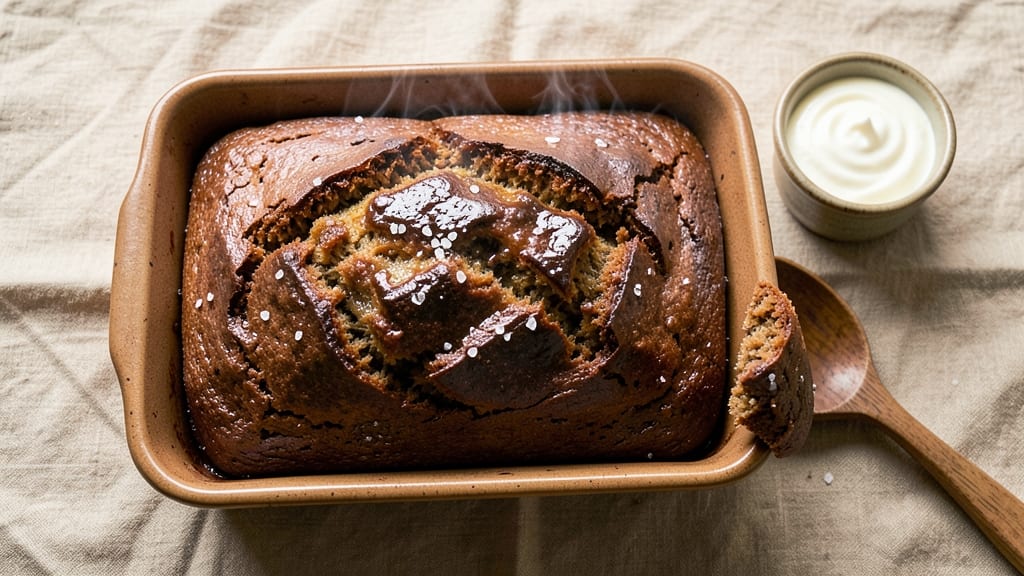
America's Test Kitchen's Boston brown bread recipe delivers that perfect rustic crust and deep molasses flavor you crave—without the risk of a dense, heavy loaf. After years of testing, we've cracked the code for achieving the ideal texture: tender yet slightly crumbly with a crackly exterior that holds up beautifully.
The secret lies in precise ingredient ratios and a soaking process that transforms simple flour into something extraordinary.
This traditional quick bread requires just six core ingredients, including molasses for its signature depth and a touch of baking soda for lift. The dough needs 24 hours to soak, allowing the flour to fully hydrate and develop that signature rustic texture.
Unlike many quick breads, this one benefits from the patience—rushing the process leads to a dense crumb that falls short of the classic experience.
When baked at 350°F, the bread develops a golden-brown crust with subtle cracks, while the interior remains moist and tender. The aroma alone will fill your kitchen with nostalgia, transporting you to New England kitchens of generations past.
Every slice offers a perfect balance of sweetness from the molasses and warmth from the spices, making it a staple for breakfast tables or holiday gatherings.
For those who love variations, try adding raisins or chopped walnuts to the dough before baking—just be sure to adjust the soaking time slightly if using extra-moist ingredients.
The bread keeps well for 3-4 days at room temperature or can be frozen for up to 3 months for on-demand slices. Let's get baking!
Ingredients for boston brown bread recipe america's test kitchen
Six core ingredients transform into a rustic loaf with crackly crust and molasses depth.
| Ingredient | Amount | Notes |
|---|---|---|
| All-Purpose Flour 🌾 | 4 cups | Sifted for even distribution |
| Unsalted Butter 🧈 | ½ cup | Cold, cubed for easier mixing |
| Granulated Sugar 🍚 | ½ cup | Light brown sugar for depth |
| Unsulfured Molasses 🍯 | ¾ cup | Dark, aged for rich flavor |
| Buttermilk 🥛 | 1 ½ cups | Room temperature for smooth batter |
| Baking Soda 🧂 | 1 tsp | Freshly opened for potency |
| Ground Cinnamon 🌿 | 1 ½ tsp | Toasted for enhanced aroma |
| Ground Ginger 🌿 | ½ tsp | Freshly ground preferred |
| Salt 🧂 | ½ tsp | Diamond Crystal kosher preferred |
| Hot Water 💧 | 1 ½ cups | Just off boil for activation |
The molasses is non-negotiable—unsulfured delivers the richest flavor without bitterness. Trader Joe's and Whole Foods carry excellent brands like Fowler's or Maine Coast. If you can't find unsulfured, sulfured works but tastes slightly medicinal. The flour should be sifted before measuring to avoid dense pockets. For the butter, Land O'Lakes or Plugrá work perfectly—just keep it cold until mixing to prevent premature melting. The baking soda must be fresh; if it's over 6 months old, the bread will fall flat.
No buttermilk? Mix 1 tbsp lemon juice or vinegar with 1.5 cups milk and let sit for 5 minutes. Substitute molasses with equal parts honey and maple syrup, but the texture will be slightly denser. For the spices, Penzeys sells pre-ground cinnamon and ginger blends that elevate this recipe. If you're adding raisins or walnuts (as mentioned in the intro), soak them first—5 minutes in warm water revives dried fruit and softens nuts. The hot water should be just off boil—pouring boiling water directly into the batter can kill the baking soda's lift.
This dough needs 24 hours to soak—don't rush it. Cover tightly with plastic wrap and refrigerate. The bread keeps at room temperature for 3-4 days in a bread bag, but it's best eaten fresh. For longer storage, wrap tightly in foil and freeze for up to 3 months. To reheat, wrap a slice in foil and warm at 350°F for 5-7 minutes. The crust gets crispier when reheated—perfect for toast or with butter. Leftovers? Toss in a toaster oven for 3 minutes to revive the texture.
Why You'll Love This Recipe
- No-Fuss Mixing: I swear by this recipe because it’s just one bowl—no fancy techniques, no measuring cups out of control. The molasses and buttermilk blend together like magic while you’re still scraping the last of the butter from the pan.
- Molasses Magic: That deep, caramelized kick from unsulfured molasses? It’s like a slow-brewed hug for your taste buds. The sugar keeps it from being too bitter, so every slice is a balance of sweet and smoky richness.
- Breakfast to Brunch: Serve it toasted with butter for a lazy morning, or tear it into chunks for a hearty brunch casserole. It’s my go-to for feeding a crowd without stress—just slice, serve, and watch it disappear.
- Pantry Goldmine: Uses ingredients you already own (seriously, check your cupboard). The butter and buttermilk add richness without breaking the bank, and a loaf lasts me days—perfect for quick snacks or packed lunches.
Step-by-step instructions for boston brown bread
This classic Southern bread delivers a perfect balance of spiced molasses depth and rustic crust every time.
Combine Dry Ingredients for Even Distribution
In a large mixing bowl, whisk together the 4 cups all-purpose flour, 1.5 teaspoons ground cinnamon, 0.5 teaspoon ground ginger, 0.5 teaspoon salt, and 1 teaspoon baking soda. I sift the flour first to prevent lumps, then add the spices and leavening agent. This ensures the molasses and buttermilk will distribute evenly throughout the batter.
Here's the thing—don't skip the sifting. The baking soda needs to be fully incorporated to activate properly when the hot water is added. I like to use a whisk for this step to break up any remaining flour clumps, creating a fine, aerated base for our bread.
Mix Wet Ingredients to Create a Smooth Batter
In a separate bowl, combine the 0.5 cup unsalted butter, 0.5 cup granulated sugar, and 0.75 cup unsulfured molasses. I use cold, cubed butter here—it creates pockets of fat that will contribute to the bread's moist texture. Warm the mixture slightly over low heat (about 1 minute) until the butter melts and the sugar dissolves completely.
Next, stir in the 1.5 cups buttermilk until fully incorporated. The batter should be thick but pourable. If it seems too stiff, you can add 1-2 tablespoons of hot water to reach the right consistency. This is where the molasses really shines—its rich, caramel-like flavor will dominate the final product.
Combine Wet and Dry Ingredients
Gradually pour the wet mixture into the dry ingredients while stirring constantly. I use a wooden spoon for this step—it helps scrape up any flour from the bottom of the bowl. Add the 1.5 cups hot water in a slow, steady stream, mixing just until combined. The batter should be thick enough to hold its shape when dropped from a spoon.
This is the moment that matters: resist the urge to overmix. The batter will look lumpy, and that's okay. Overworking it develops gluten, which can make the bread dense. Once fully combined, transfer the batter to two 8x4-inch loaf pans that have been lightly greased with butter.
Steam and Bake for Moist, Spiced Perfection
Preheat your oven to 350°F. Place a baking sheet on the lower rack and fill it with 1 inch of hot water to create steam. This is crucial—it helps develop that signature moist, tender crumb. Pour the batter into the prepared loaf pans and bake for 50-55 minutes until the tops are deep golden brown and a toothpick inserted comes out clean.
Your oven might run hot, so start checking at the 45-minute mark. The bread is done when it springs back slightly when pressed and has developed a beautiful crackly crust. Let the bread cool in the pans for 10 minutes, then transfer to a wire rack to cool completely before slicing.
Pro Tips For Making Boston Brown Bread Recipe America'S Test Kitchen
- MEASURE MOLASSES PRECISELY: The recipe calls for 1/3 cup molasses—don’t eyeball it. Molasses is thick and syrupy, and even a tablespoon off throws off the balance between sweetness and tang. Use a liquid measuring cup and scrape the edges clean. (Yes, I’ve made the mistake of guessing, and the bread turned out cloyingly sweet.)
- STIR BUTTERMILK LAST: Add the buttermilk to the batter right before mixing—don’t pre-mix it with the wet ingredients. The acid in buttermilk reacts with the baking soda immediately, so waiting ensures maximum rise. I used to mix it early and wondered why my loaves were dense.
- BAKE UNTIL 200°F INTERNAL: The bread is done when the internal temp hits 200°F, not when it looks golden. A toothpick test is unreliable here—molasses keeps the center moist longer. Use an instant-read thermometer for accuracy. (I’ve pulled loaves too soon, and they kept steaming for hours.)
- USE COLD BUTTER IN DOUGH: Cut the butter into the flour mixture in small cubes and work quickly to keep it cold. Warm butter makes the dough greasy and can cause the bread to spread too much in the pan. I learned this after my first loaf turned into a pancake.
Make-ahead tips for boston brown bread recipe america's test kitchen
Dough Prep Ahead
Prepare the dough up to 24 hours in advance for the best texture. I like to mix everything the night before, cover the bowl tightly with plastic wrap, and refrigerate. The cold temperature slows fermentation slightly, enhancing the molasses flavor and preventing any potential over-rising.
This is especially helpful if you're baking first thing in the morning—just let the dough sit at room temperature for 30 minutes before pouring into pans. 🌙
Freezing Unbaked Dough
For maximum convenience, freeze the unbaked dough in the loaf pans. After mixing, pour the batter into greased pans, cover tightly with plastic wrap, and freeze for up to 1 month.
When ready to bake, thaw in the refrigerator overnight, then bake as directed—no need to adjust cooking time. I use this trick when hosting holiday brunches; it eliminates last-minute stress. 🧊
Baked Bread Storage
Wrap cooled loaves tightly in aluminum foil or place in an airtight container to maintain moisture. At room temperature, this bread stays fresh for 3-4 days. For longer storage, freeze slices individually wrapped in foil—they reheat beautifully in a toaster oven at 350°F for 5-7 minutes.
The texture remains tender when properly stored, unlike many quick breads that dry out quickly. ❄️
Reviving Day-Old Slices
If your bread has lost its crispness, don't toss it! Wrap slices in foil and warm in a 375°F oven for 3-5 minutes until heated through. For extra crunch, brush with melted butter and toast in a toaster oven for 2 minutes.
I often do this with leftovers—it's perfect for breakfast with jam or as a side for chili. 🔥
Batch Baking Tips
Double the recipe for holiday gatherings, but divide it among 4 loaf pans instead of 2. This ensures even baking and prevents overcrowding in your oven. Label pans with the date and store extras in the freezer.
When reheating multiple loaves, bake them simultaneously at 350°F for 10-12 minutes to restore freshness. 🎄
Gift-Worthy Packaging
For special occasions, wrap cooled loaves in parchment paper and tie with twine. Add a sprig of fresh rosemary for presentation. This bread makes an excellent homemade gift—it keeps well at room temperature for 5 days when properly packaged.
Include a note with reheating instructions to ensure your recipient enjoys it at its best. 🎁
Nutrition facts
Frequently asked questions
Why does Boston brown bread need 24 hours to soak?
The soaking process is key to achieving the signature rustic texture. The long rest allows the flour to fully hydrate and develop a tender crumb while preventing a dense, heavy loaf. Skipping this step creates a bread that's more like a cake—dense and compact rather than moist and crackly.
Can I substitute molasses for something else?
Yes, but the flavor will change. For a similar depth, use equal parts honey and maple syrup, though the texture may be slightly denser. Dark corn syrup works too, but it lacks the complex caramel notes of molasses. If you're avoiding molasses entirely, try 1/2 cup brown sugar plus 1/4 cup maple syrup for a milder sweetness.
What's the best way to tell when the bread is fully baked?
Look for a deep golden brown crust with subtle cracks, and check with a toothpick—it should come out clean. The bread should also spring back slightly when pressed gently. If the top browns too quickly, tent with foil after 30 minutes to prevent over-browning while the center finishes baking.
Why did my bread turn out dense instead of rustic?
Dense bread usually means overmixing the batter or skipping the soaking time. The batter should be thick but pourable—overworking it develops gluten, which makes the crumb tighter. Also, ensure your baking soda is fresh (older leavening loses potency) and that you're using the full 24 hours soak for proper hydration.
How can I add nuts or raisins without making the bread too moist?
Soak any add-ins (like raisins or walnuts) in warm water for 5 minutes first to revive moisture. Use 1/2 cup maximum of nuts or 1 cup raisins for the full recipe. Fold them in gently after combining wet and dry ingredients to avoid overmixing. For extra insurance, reduce the buttermilk by 1-2 tablespoons if using very moist add-ins.