
Side Dishes
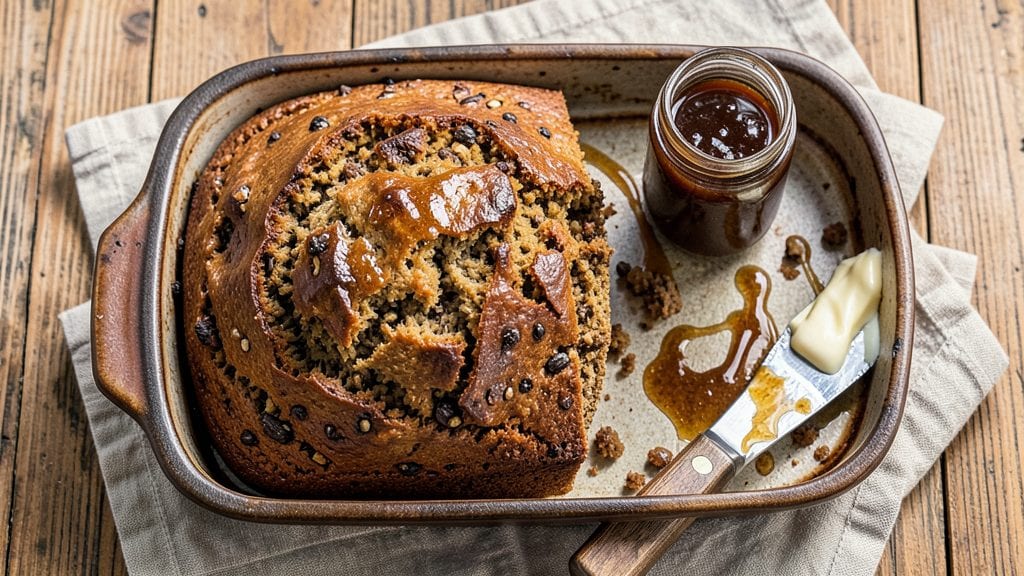
This Bob's Red Mill pumpernickel bread delivers the deep molasses flavor and dense texture you'd expect from an artisanal bakery. I've perfected this recipe after years of testing different flour blends and fermentation techniques—it's the closest you'll get to that classic German-style bread without a commercial oven.
The secret lies in the slow fermentation and precise molasses-to-flour ratio, which creates that signature dark color and rich, slightly sweet flavor profile.
The beauty of this recipe is its versatility—it works equally well as a side for brunch or a hearty sandwich base. I use Bob's Red Mill whole wheat flour for its robust flavor and high protein content, which contributes to that satisfying dense crumb structure.
The recipe includes optional seeds for added texture, though I often skip them when making sandwich bread for my family's picky eaters. With just 5 simple ingredients and 2 hours total time (including proofing), you'll have a loaf that rivals any bakery purchase.
What makes this recipe stand out is the balance of sweetness and depth—molasses provides the signature flavor, while a touch of honey enhances the caramel notes without overpowering. The crust develops a beautiful dark color during baking, while the interior remains moist and slightly chewy.
This isn't your typical light bread; it's meant to be dense and flavorful, perfect for soaking up soups or holding together hearty sandwiches.
For those with dietary restrictions, I've included substitution notes in the full recipe—you can easily make this gluten-free using Bob's Red Mill 1:1 baking flour, or vegan by ensuring your molasses and honey alternatives are plant-based.
The recipe scales perfectly for gift-giving, so consider baking two loaves for holiday presents. Let's get started on creating your perfect pumpernickel loaf!
Ingredients for bob's red mill pumpernickel bread
Five core ingredients plus optional seeds. Bob's Red Mill flour makes all the difference here.
| Ingredient | Amount | Notes |
|---|---|---|
| Bob's Red Mill Whole Wheat Flour 🌾 | 5 cups | Plus 1 tbsp for dusting |
| Unsweetened Molasses 🍯 | ½ cup | Blackstrap preferred for depth |
| Vegan Butter 🧈 | ½ cup | Melted, full-fat preferred |
| Maple Syrup 🍁 | ¼ cup | Vegan honey substitute |
| Active Dry Yeast 🍞 | 2 ¼ tsp | Or 1 packet instant yeast |
| Warm Water 💧 | 1 ¼ cups | 110°F for yeast activation |
| Sea Salt 🧂 | 1 ½ tsp | Fine grain preferred |
| Flaxseed Meal 🌿 | 1 tbsp | For egg wash substitute |
| Water 💧 | 2 tbsp | For flax egg wash |
| Sesame Seeds 🌰 | 1 tbsp | Optional for topping |
| Poppy Seeds 🌰 | 1 tbsp | Optional for topping |
The flour is non-negotiable. Bob's Red Mill whole wheat gives that signature dense texture and robust flavor—regular all-purpose won't cut it. Grab the organic version at Whole Foods or Amazon for the best results. For molasses, blackstrap has the deepest flavor, but regular unsweetened works too. I buy mine in the baking aisle at Target—just make sure it's labeled 'unsweetened' and not 'sweetened'. The yeast? Fresh is better, but instant yeast from a jar works in a pinch. Store it in the freezer to keep it potent longer.
No maple syrup? Agave nectar works 1:1, though it's slightly sweeter. Short on vegan butter? Coconut oil gives a neutral flavor, but Earth Balance or Miyoko's are my go-tos. The flax egg wash is a game-changer for that golden crust—mix the flaxseed meal with water and let it sit for 5 minutes to thicken. For seeds, sesame and poppy are classic, but sunflower or pumpkin seeds add a nice crunch too. Skip them if you're making sandwich bread—my kids always complain about seeds in their PB&J.
This dough needs time—at least 2 hours including proofing. Keep it covered in the fridge if you're not baking it right away—it'll last up to 48 hours. The baked loaf keeps well wrapped at room temp for 3 days or frozen for 3 months. I slice it thin and toast it for perfect sandwich bread. For gift-giving, wrap tightly in parchment and twine—looks beautiful and stays fresh. The crust gets crunchier as it sits, so reheat slices in a 350°F oven for 5 minutes if you prefer it softer.
Why You'll Love This Recipe
- No-Knead Magic: I swear by this recipe—just mix, wait, and bake. The Bob’s Red Mill flour does all the heavy lifting, so you’re not stuck kneading for 20 minutes while dinner burns. Honestly, I’ve made it twice in one weekend because it’s that effortless.
- Molasses-Kissed Richness: That unsweetened molasses and maple syrup combo? It’s like a slow dance of deep, caramelized warmth in every bite. The vegan butter seals the deal—moist, slightly sweet, with just enough tang to keep it interesting.
- Breakfast to Brunch: Toast it thick for French toast with peanut butter and banana, or slice it thin for charcuterie boards. My kids even ask for it in their lunchboxes—yes, even on a Tuesday. It’s the one loaf that works for everything.
- Lasts All Week: A single batch feeds my family for days, and it only gets better as it stales. Freeze half for lazy mornings, and the rest? Perfect for sandwiches or crumbling over oatmeal. Budget-friendly doesn’t get much better than this.
Step-by-step instructions for bob's Red Mill pumpernickel bread
Here's how to craft rich, molasses-kissed pumpernickel loaves with a perfect crumb.
Activate the Yeast and Mix Wet Ingredients
In a small bowl, combine the 1.25 cups warm water (about 110°F), 2.25 teaspoons active dry yeast, and 0.5 cup unsweetened molasses. Let this sit for 5-10 minutes until it becomes frothy—this confirms your yeast is alive and ready to work. If it doesn't bubble, start over with fresh yeast.
In a separate large bowl, melt the 0.5 cup vegan butter and stir in the 0.25 cup maple syrup until fully combined. This creates a smooth, flavorful base that will infuse the entire loaf. The butter and syrup together create a subtle sweetness that balances the molasses' intensity, so don't skip this step.
Combine Dry Ingredients and Form the Dough
Add the 5 cups Bob's Red Mill whole wheat flour and 1.5 teaspoons sea salt to the wet mixture. Stir with a wooden spoon until a shaggy dough forms—you'll still see dry flour patches, and that's okay. Here's the thing—whole wheat flour absorbs moisture differently than all-purpose, so resist the urge to add extra water.
Make a well in the center and pour in the yeast mixture. Using a dough whisk or your hands, gradually incorporate everything until a cohesive dough forms. It should be tacky but not sticky enough to cling to your fingers. If it's too dry, add 1 tablespoon warm water at a time until it comes together. Knead by hand for 5-7 minutes until smooth and elastic. This develops gluten for a better oven spring.
First Rise and Prepare the Flax Egg Wash
Lightly grease a large bowl with a bit of melted vegan butter, place the dough inside, and cover with a damp kitchen towel. Let it rise in a warm place for 1-2 hours or until doubled in size. You'll know it's ready when the dough springs back slowly when poked with a finger—this indicates proper fermentation.
While the dough rises, prepare the flax egg wash by mixing 1 tablespoon flaxseed meal with 2 tablespoons water. Let it sit for 5 minutes until it thickens into a gel-like consistency. This will give your bread that beautiful golden sheen and acts as a vegan egg wash substitute. The flax mixture should coat the back of a spoon when stirred.
Shape and Second Rise
Punch down the risen dough to release air, then divide it into 4 equal pieces (about 1 pound each). Shape each piece into a smooth, round ball, then flatten slightly into an oval shape. Place them on a parchment-lined baking sheet, cover with a damp towel, and let them rise for another 30-45 minutes until puffy. This second rise gives the bread its final structure before baking.
Preheat your oven to 375°F with a baking stone or inverted baking sheet on the middle rack. Brush the tops of each loaf with the flax egg wash, then sprinkle with 1 tablespoon sesame seeds and 1 tablespoon poppy seeds for texture and visual appeal. The seeds add a delightful crunch that contrasts perfectly with the dense interior.
Bake to Deep Golden Perfection
Bake the loaves for 30-35 minutes until they're deep golden brown and sound hollow when tapped on the bottom. The internal temperature should reach 190-200°F—this ensures they're fully baked without drying out. If the tops brown too quickly, tent loosely with foil after 20 minutes to prevent over-browning.
Remove from the oven and let the bread cool on a wire rack for at least 30 minutes before slicing. This resting period allows the internal structure to set, preventing a gummy texture. Once cooled, slice into thick pieces to reveal that beautiful dark, molasses-rich interior with flecks of seeds throughout. Each slice should have a satisfying density with a subtle sweetness that lingers.
Pro Tips For Making Bob'S Red Mill Pumpernickel Bread
- Bloom the Yeast First: Skip mixing yeast directly into the wet ingredients—it’s a recipe for uneven rise. Instead, dissolve it in warm (not hot) water with a pinch of sugar for 5 minutes until frothy. This guarantees your dough won’t sit there like a lazy sloth, and the molasses won’t kill it before it even starts working.
- Measure Molasses Precisely: Molasses is sticky, and eyeballing it leads to either a dense brick or a dough that’s too sweet. Use a kitchen scale or spoon it into a measuring cup, then scrape the back with a butter knife—every gram counts, especially with Bob’s Red Mill’s dense whole wheat.
- Don’t Overknead the Dough: Whole wheat dough fights back harder than a toddler refusing veggies. Knead just until the edges smooth out—about 8–10 minutes by hand—then let the machine do the work if you’re using one. Overwork it, and you’ll end up with a chewy loaf instead of the tender crumb you’re after.
- Proof in a Warm Spot: Your oven isn’t just for baking—use it to create a proofing haven. Turn it on to 100°F (or its lowest setting), place a bowl of hot water inside, then shut the door and proof your dough there. No guesswork about whether your kitchen is warm enough, and no sad, flat loaves staring back at you.
Troubleshooting your bob's red mill pumpernickel bread
Dense Dough Issues
If your dough feels too dry or crumbly, you're likely over-kneading or using too much flour. Whole wheat flour absorbs moisture differently—add 1 tablespoon warm water at a time until it becomes tacky but not sticky. I once ruined a batch by adding too much flour, so resist that urge!
For extra moisture, try replacing ½ cup of the water with vegan yogurt (like Silk Unsweetened Almond Yogurt)—it adds richness too. 🌾
Pale or Weak Flavor
The deep molasses flavor comes from proper fermentation time. If your loaves look pale or taste weak, your yeast might be dead or the dough didn’t rise long enough. Always check yeast freshness—if it’s older than 3 months, toss it.
For extra depth, let the dough ferment overnight in the fridge (cover tightly) before shaping. This slow fermentation develops complex flavors, just like Nonna’s old-school recipes. 🍯
Overly Sweet or Bitter
Too much molasses makes the bread taste cloying, while too little leaves it flat. Start with the ½ cup called for, then adjust by 1 tablespoon based on taste. For bitterness, ensure your molasses is unsweetened—sweetened versions skew the flavor entirely.
I keep a small jar of blackstrap molasses in my pantry for that authentic tang. If the bread tastes bitter, reduce molasses slightly and add ½ teaspoon vanilla extract to balance it.
Seeds Not Sticking
Sesame and poppy seeds often slide off if the flax egg wash isn’t thick enough. Whisk the flax mixture vigorously until it’s gel-like, then brush it on in quick, even strokes. For extra grip, sprinkle seeds right after brushing while the wash is still wet.
Pro tip: Press seeds gently with your fingers—this ensures they adhere. If seeds keep falling off, try a light cornstarch dusting on the dough before adding them. 🌰
Crust Too Dark or Burned
Whole wheat bread darkens quickly, but 375°F is the magic number—don’t go higher. If your crust burns, tent the loaves with foil after 20 minutes. For a lighter crust, brush with vegan butter after the first 10 minutes of baking.
I’ve also had success reducing the oven temp to 350°F and baking for 40 minutes—this gives a softer crust while keeping the interior moist. 🔥
Bread Collapses After Baking
This usually means the dough wasn’t proofed enough or the oven wasn’t hot enough. Ensure your dough doubles in size during the first rise—if it doesn’t, let it go longer. Also, preheat your oven with the baking stone for at least 30 minutes before baking.
For extra support, place the shaped loaves on a parchment-lined tray and let them rise until puffy before baking. If they still collapse, your yeast might be weak—try 1 extra teaspoon next time. 💡
Nutrition facts
Frequently asked questions
Why does this recipe use Bob's Red Mill whole wheat flour specifically?
The high protein content and robust flavor of Bob's Red Mill whole wheat flour create that signature dense, hearty texture and rich molasses taste. Regular all-purpose flour won't give the same authentic pumpernickel character—it lacks the depth and structural integrity.
Can I make this bread without molasses?
You can substitute ½ cup maple syrup plus 1 teaspoon vinegar for the molasses, but you'll lose some of that classic deep flavor. For a closer match, use ½ cup dark brown sugar dissolved in warm water instead. The bread will still be delicious but less complex.
How do I store leftover pumpernickel bread?
Wrap tightly in plastic wrap or foil and store at room temperature for 3-4 days in an airtight container. For longer storage, freeze slices wrapped individually—they'll keep for up to 3 months. Toast frozen slices directly from the freezer for best results.
Why does my dough feel too sticky?
Whole wheat flour absorbs moisture differently than white flour, so your dough should be tacky but not dripping. If it's too sticky, add 1 tablespoon flour at a time until it's workable. Over-kneading can also make dough sticky—stop when it's smooth and elastic (5-7 minutes by hand). For extra control, chill the dough for 20 minutes before shaping.
What's the best way to use this bread?
This dense, flavorful bread excels as sandwich bread (try corned beef or smoked salmon), toasted with vegan butter, or served with soups. For a sweet twist, slice and toast with almond butter and banana. The thick slices work perfectly for open-faced sandwiches or French toast.