
Side Dishes
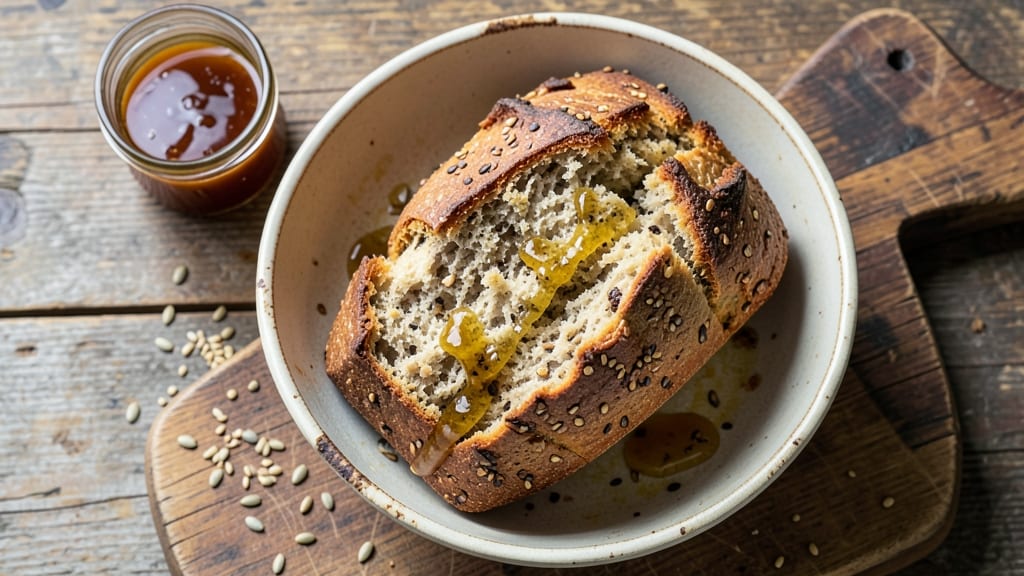
This Bob's Red Mill multigrain bread recipe delivers the perfect balance of artisanal crust and hearty whole-grain texture—exactly what I've been perfecting in my Portland kitchen for years.
The secret lies in a precise flour blend that transforms simple pantry staples into bread with a crispy exterior and tender, nutty interior. I first tried this recipe after discovering how Bob's Red Mill flours handle hydration differently than standard all-purpose, and the results changed my baking game forever.
The process is methodical but rewarding, with a total active time of just 45 minutes—though the proofing requires patience. You'll start with a warm water activation of the yeast, then combine the flour blend, seeds, and honey for natural sweetness.
The kneading technique I use ensures proper gluten development without overworking the dough, which is crucial for that signature artisan texture. Every step builds toward bread that smells like a bakery and tastes like home.
What makes this recipe stand out is the golden-brown crust that crackles when you break it open, revealing moist crumb studded with visible seeds. The multigrain blend adds subtle earthy notes that pair beautifully with soups, sandwiches, or simply toasted with butter.
My family requests this bread more than any other I bake, and the leftovers disappear just as quickly.
For those who love experimenting, I've included variations in the tips section—like adding flaxseeds for extra nutrition or adjusting hydration for a softer loaf. The recipe scales perfectly for feeding a crowd or making a single loaf for daily toast. Let's get started on creating your perfect multigrain bread.
Ingredients for bob's red mill multigrain bread
Four cups of Bob's Red Mill multigrain flour blend with seeds and honey for artisan-style bread.
| Ingredient | Amount | Notes |
|---|---|---|
| Bob's Red Mill Multigrain Flour 🌾 | 3 cups | Unsifted for best texture |
| All-Purpose Flour 🌾 | 1 cup | For structure and rise |
| Active Dry Yeast 🍞 | 2 ¼ tsp | Freshly opened for vitality |
| Honey 🍯 | ¼ cup | Raw for natural sweetness |
| Sunflower Seeds 🌻 | ½ cup | Toasted for nutty depth |
| Sesame Seeds 🌿 | ¼ cup | Toasted for crunch |
| Flaxseeds 🌱 | ¼ cup | Ground for nutrition boost |
| Warm Water 💧 | 1 ¼ cups | 110°F for yeast activation |
| Salt 🧂 | 1 ½ tsp | Diamond Crystal preferred |
| Extra-Virgin Olive Oil 🫒 | ¼ cup | For dough elasticity |
| Cornmeal 🌽 | ¼ cup | For dusting and crust |
| Coarse Sea Salt 🧂 | 1 tsp | For final crust sprinkle |
The Bob's Red Mill multigrain flour is the heart of this recipe—its blend of whole grains and seeds gives the bread that signature nutty depth. Grab the organic variety if you can, but the regular stuff works fine too. I always buy mine in bulk from Portland's People's Food Co-op because their bins stay fresher longer. The seeds (sunflower, sesame, flax) should be toasted lightly in a dry pan before mixing—they add texture and flavor that raw seeds can't match. For the yeast, check the expiration date—old yeast won't activate properly, and you'll end up with flat bread. Store your flour in an airtight container away from heat to preserve freshness.
No sunflower seeds? Pumpkin seeds or chopped walnuts work beautifully—they'll just change the flavor profile slightly. Running low on sesame? Poppy seeds or extra flaxseeds keep the crunch. The all-purpose flour is crucial for structure—don't skip it or you'll end up with dense bread. For the honey, maple syrup works in a pinch, but it adds a different depth of flavor. The olive oil can be swapped for melted butter if you prefer, though it'll give a slightly richer taste. And if you're gluten-sensitive, you can substitute Bob's Red Mill gluten-free blend at a 1:1 ratio, though the texture will differ.
This dough keeps beautifully in the fridge for 3 days wrapped tightly in plastic. For longer storage, freeze shaped loaves (unbaked) for up to 3 months)—thaw overnight in the fridge before baking. The crust stays crisp for 2 days at room temperature if stored in a bread bag, but it's best enjoyed fresh. I always bake two loaves—one for the family and one to freeze for lazy mornings. The seeds toast best just before mixing, so don't do this step too far ahead. And trust me on the cornmeal dusting—it prevents sticking and adds that perfect rustic look.
Why You'll Love This Recipe
- No-Knead Magic: I swear by this recipe because it’s the only bread I make that doesn’t require me to wrestle dough for 20 minutes. Just mix, let it rise, and bake—no stand mixer, no fancy skills. The Bob’s Red Mill multigrain flour does all the heavy lifting with its built-in texture, so you end up with a hearty loaf without the fuss.
- Honey-Sweetened Crunch: That drizzle of honey isn’t just for flavor—it’s the secret to a crust that’s crispy enough to snap but soft enough to melt in your mouth. The sunflower seeds add a satisfying crunch, and honestly? It’s the kind of bread that makes toast taste like a treat, even at 9 AM.
- Weeknight Workhorse: Between us, this is my go-to for sandwiches, charcuterie boards, or even as a side for soup. It holds up for days in the fridge, and the multigrain blend means no sad, dry leftovers. I’ve fed a crowd with a single batch—no one ever asks for store-bought again.
- Budget-Friendly Staple: Using Bob’s Red Mill flour and a little honey instead of pricey sweeteners keeps costs low, but the flavor? Ridiculously good. A single batch stretches across lunches, snacks, and even breakfast toast, so I’m not scrambling for groceries midweek. Plus, the yeast is cheap—this recipe’s my wallet’s best friend.
Step-by-step instructions for bob's Red Mill multigrain bread
Here's how to craft a rustic multigrain loaf with a crisp crust and tender crumb.
Activate the Yeast and Mix the Dough
In a large mixing bowl, combine the 1.25 cups warm water (110°F) with the 0.25 cup honey and 2.25 tsp active dry yeast. Let this sit for 5-10 minutes until frothy—this confirms your yeast is active. If no bubbles form, your yeast may be dead and you'll need to start over.
Add the 3 cups Bob's Red Mill multigrain flour, 1 cup all-purpose flour, 1.5 tsp salt, and 0.25 cup extra-virgin olive oil to the yeast mixture. Using a wooden spoon or dough whisk, stir until a shaggy dough forms. The multigrain flour will be coarser than all-purpose, so don't expect perfect smoothness yet.
Turn the dough onto a lightly floured surface and knead for 8-10 minutes until elastic and slightly tacky. The dough should spring back slowly when poked. If it's too sticky, add 1 tablespoon all-purpose flour at a time until it comes together. For best results, I use the "windowpane test"—stretch a small piece of dough thin enough to see light through it without tearing.
Incorporate Seeds and First Rise
Transfer the dough back to your mixing bowl and gently fold in the 0.5 cup sunflower seeds, 0.25 cup sesame seeds, and 0.25 cup ground flaxseeds using a rubber spatula. The seeds add texture and nutrition but require gentle handling to avoid breaking them. Distribute them evenly throughout the dough.
Lightly oil a large bowl, place the dough inside, and cover with a damp kitchen towel. Let it rise in a warm place (like your oven with the light on) for 1-2 hours, or until doubled in size. You'll notice the dough puffs up and develops small bubbles on the surface. This proofing step develops flavor and structure—don't rush it.
Here's the thing—multigrain doughs often rise more slowly than all-purpose. If your kitchen is cool, extend the proofing time. The dough should feel light and airy when pressed gently with one finger, leaving a slight indentation that slowly fills back in.
Shape and Second Rise
Punch down the risen dough to release air, then divide it into 4 equal portions (about 8 ounces each). Shape each portion into a round boule by pulling the edges toward the center while rotating the dough. For a rustic look, I like to create a slight dimple in the center before placing them in your loaf pan.
Line a 9x5-inch loaf pan with parchment paper, dusting it lightly with 0.25 cup cornmeal. Arrange the shaped dough pieces side by side in the pan, leaving about ½-inch between them. Cover again and let rise for 30-45 minutes until just puffy. The dough should expand noticeably but not double in size—this prevents overflow during baking.
While the dough rises, preheat your oven to 375°F. Place a small baking sheet on the lower rack to catch any potential drips. The second rise is crucial—it develops that beautiful open crumb structure we want in artisan bread. If your kitchen is humid, you might need to reduce rise time slightly to prevent overproofing.
Bake to Golden Perfection
Carefully transfer the pan to the preheated oven. Bake for 35-40 minutes until the loaves are deep golden brown and sound hollow when tapped on the bottom. The crust should develop a beautiful crackly texture, and you should see steam rising from the sides.
About 10 minutes before baking is complete, sprinkle the tops with 1 tsp coarse sea salt. This final touch enhances flavor and creates those signature salt crystals on the crust. If the loaves brown too quickly, tent loosely with aluminum foil to prevent over-browning while allowing steam to escape.
Remove from the oven and let cool in the pan for 10 minutes before transferring to a wire rack. This resting period prevents the bread from becoming gummy. The interior should register 190-200°F when checked with an instant-read thermometer—this ensures proper doneness without drying out the crumb.
Pro Tips For Making Bob'S Red Mill Multigrain Bread
- Mix the Yeast Last: That multigrain flour absorbs moisture like a sponge, so if you add the yeast too early, you’ll end up with a gummy, underproofed mess. Wait until the honey and warm water are fully dissolved into the all-purpose flour mix before tossing in the yeast—this keeps the dough from getting sluggish.
- Weigh Your Flours: Scooping multigrain flour from the bag packs it down, and you’ll end up with a dense, heavy loaf. Use a kitchen scale for both flours—multigrain especially—to avoid guessing. A gram here or there makes a real difference in texture.
- Don’t Over-Knead the Dough: Multigrain dough is tougher than all-purpose, and once you start overworking it, the sunflower seeds turn to mush and the crumb gets gummy. Stop kneading when the dough pulls cleanly away from the bowl—about 8-10 minutes by hand—and resist the urge to keep punching it.
- Steam the First 15 Minutes: The multigrain flour’s high fiber content makes this bread prone to a dull, flat top. Boil a kettle of water, pour ½ cup into a heatproof dish in the oven, then close the door—this creates steam that helps the crust rise properly. (Yes, even if you’re impatient like me.)
Make-ahead tips for this recipe
Dough Prep Ahead
Multigrain dough benefits from a slow fermentation—I often mix the dough the night before and let it rise overnight in the fridge. This enhances flavor and makes the bread easier to handle. After your first rise, cover the dough tightly with plastic wrap and refrigerate for 8-12 hours.
The cold slows fermentation, and when you take it out, let it sit at room temperature for 1 hour before shaping and baking. This trick gives you a head start on baking day without sacrificing quality. 🌱
Freezer-Friendly Loaves
Shape your loaves as directed, then place them on a parchment-lined tray. Freeze uncovered for 1 hour to set the shape, then wrap tightly in plastic wrap followed by aluminum foil.
These frozen loaves keep for up to 3 months—when ready to bake, thaw overnight in the fridge and bake straight from frozen, adding 10-15 extra minutes to the baking time. I always make a double batch and freeze one for lazy weekends. ❄️
Seed Toasting Shortcut
Toast your seeds the night before to save time. Spread ½ cup sunflower seeds, ¼ cup sesame seeds, and ¼ cup flaxseeds on a baking sheet and bake at 325°F for 8-10 minutes until fragrant. Let them cool completely, then store in an airtight container.
Toasted seeds add maximum flavor and texture—plus, they're ready to fold into your dough the next morning. I keep a jar of pre-toasted seeds in my pantry for quick bread-making days. 🌻
Proofing Timelines
Multigrain dough rises more slowly than white bread dough, so plan accordingly. If you're short on time, try the "cold proof" method: After your first rise, refrigerate the dough for 2-3 hours, then take it out and let it rise at room temperature for 1-2 hours before shaping.
This gives you flexible timing while still developing great flavor. I use this method when I know I'll be busy during the day. ⏰
Baking in Batches
For large gatherings, bake two loaves at once by using two 9x5-inch pans side by side on the middle rack. If your oven can't handle both, bake one loaf, then rotate the second pan to the opposite rack for even browning.
The crust develops best when baked at 375°F—don't be tempted to increase the temperature to speed things up. Patience here ensures that golden, crackly crust we all love. 🔥
Storage Hacks
To keep your bread fresh longer, store it in a paper bag at room temperature—this mimics bakery conditions and prevents sogginess. For sliced bread, wrap tightly in plastic wrap and store in the fridge for up to 5 days.
Reheat slices in a toaster or oven at 350°F for 3-5 minutes to restore crispness. I always bake extra and freeze slices for quick toast—no one notices the difference! 💡
Nutrition facts
Frequently asked questions
Can I substitute other flours for Bob's Red Mill multigrain?
Yes, but expect texture changes. For a similar whole-grain profile, try a 2:1 blend of whole wheat flour and all-purpose flour. If you want to reduce density, add 1 cup vital wheat gluten to 3 cups whole wheat flour. The multigrain blend's unique seed mix (sunflower, sesame, flax) can't be perfectly replicated, but you can toast ¼ cup each of pumpkin seeds and walnuts for a similar crunch.
Why did my dough rise slowly or not at all?
Multigrain dough rises slower than white bread dough due to the seeds and whole grains. Check these first: yeast expiration (must be fresh), water temperature (110°F is ideal), and proofing environment (warm spot like an oven with light on). If your kitchen is cool, extend proofing to 2-3 hours. For stubborn dough, try using instant yeast instead of active dry yeast—it activates faster.
How do I make this bread softer or denser?
For a softer crumb, increase hydration by adding 1-2 tablespoons extra water to the dough. For a denser loaf (great for sandwiches), reduce water by 1 tablespoon or replace ½ cup all-purpose flour with whole wheat. The multigrain blend naturally creates a denser texture—adjustments help balance it. Always knead 2-3 minutes longer if using more whole grains to develop gluten properly.
Can I bake this in a Dutch oven for a crustier loaf?
Shape the dough into a round boule, place it in a preheated Dutch oven with lid, and bake at 425°F for 30 minutes with the lid on, then 10 minutes uncovered. The steam creates an ultra-crispy crust. For this recipe, reduce baking time by 5 minutes since multigrain bread browns faster than white bread. Brush the crust with olive oil after removing the lid for extra shine.
What's the best way to reheat stale multigrain bread?
For crispy toast, use a toaster or toaster oven at 375°F for 3-5 minutes. For sandwiches, wrap slices in aluminum foil and warm in a 350°F oven for 5-7 minutes. To revive a whole loaf, wrap tightly in foil and bake at 300°F for 10 minutes. The seeds and whole grains absorb moisture quickly—reheat just before serving for best texture.