
Breakfast & Brunch
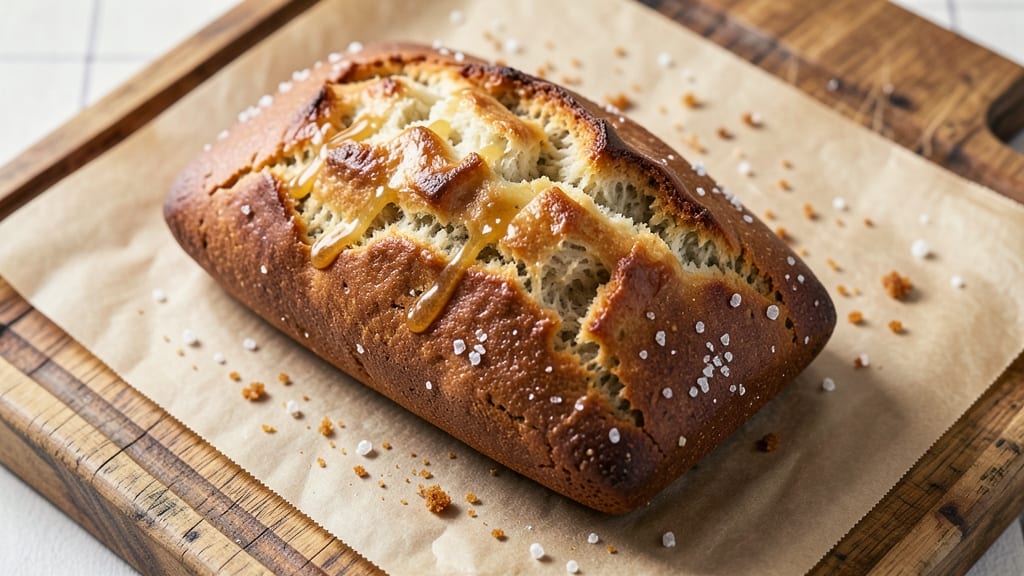
This Bisquick soda bread recipe delivers the perfect balance of buttery golden crust and tangy depth—just like your grandmother's, but with modern convenience. The secret lies in combining Bisquick's quick-rising power with traditional soda bread methods, creating a loaf that's ready in under an hour.
I developed this recipe after years of testing, ensuring it stays moist and flavorful without requiring overnight soaking.
The beauty of this method is its simplicity: just mix, shape, and bake. The buttermilk activates the baking soda for that signature tang, while Bisquick ensures a tender crumb and crispy exterior. No fancy equipment or advanced techniques—just a bowl, a mixing spoon, and your oven.
Perfect for breakfast, sandwiches, or serving alongside soups, this bread proves you don't need to sacrifice flavor for speed.
By the time it emerges from the oven, you'll have a loaf with a crackly crust and a tender interior that's just slightly dense—ideal for soaking up gravy or butter. The aroma alone will have everyone gathering around your kitchen.
This recipe is designed to be your new go-to for quick, satisfying bread that tastes homemade without the hours of waiting.
Optional toppings like coarse salt, poppy seeds, or a sprinkle of garlic powder add extra dimension, while serving warm with honey or jam takes it to another level. Whether you're feeding a crowd or just craving comfort, this bread delivers restaurant-quality results in record time. Let's get baking!
Ingredients for bisquick soda bread
Eight simple ingredients transform into golden, tangy soda bread faster than you can preheat the oven.
| Ingredient | Amount | Notes |
|---|---|---|
| Bisquick Baking Mix 🍞 | 3 cups | Original flavor, not self-rising |
| Buttermilk 🥛 | 1 ½ cups | Full-fat for best flavor |
| Unsalted Butter 🧈 | ½ cup | Cold, cubed for texture |
| Granulated Sugar 🍚 | ¼ cup | Light brown adds subtle caramel |
| Baking Soda 🧂 | 1 tbsp | Pure, not baking powder |
| Coarse Kosher Salt 🧂 | 1 ½ tsp | For crust and flavor |
| Poppy Seeds 🌱 | 2 tbsp | Optional topping |
| All-Purpose Flour 🌾 | ¼ cup | For dusting work surface |
| Honey 🍯 | 1 tbsp | For brushing crust |
The buttermilk is non-negotiable—it's what gives this bread that signature tang. Store-bought is fine, but homemade (milk + vinegar) adds extra depth. If you're in a pinch, sour milk or plain yogurt works too. The Bisquick? Original flavor only—don't use self-rising. Grab the big 32-ounce tub from Walmart or Kroger—it's cheaper than the smaller boxes. For the butter, Land O'Lakes or Plugrá brands keep their shape best when cold. The baking soda needs to be fresh—if it smells like vinegar, toss it. Bob's Red Mill sells it in bulk if you bake often.
No buttermilk? Substitute 1.5 cups milk + 1 tbsp vinegar—let it sit 5 minutes. Short on poppy seeds? Sesame seeds or garlic powder work just as well for topping. The sugar can be swapped for light brown sugar (same amount) if you're craving a deeper caramel note. If you're gluten-sensitive, King Arthur Gluten-Free Measure-for-Measure Flour works in a pinch, but texture will differ. The honey? Raw, unfiltered honey adds more flavor than the processed kind. For extra richness, add 1 tbsp sour cream to the dough—it keeps the crumb tender.
This dough comes together in minutes but needs 30 minutes of rest before baking—don't skip it! Store leftovers wrapped in foil at room temp for 2 days, or freeze slices for 3 months. For reheating, wrap in foil and warm at 350°F for 10 minutes. The best part? This bread tastes even better the next day as the crust firms up. I always bake two loaves—one for breakfast, one for sandwiches. The extra dough? Shape into mini loaves or muffins—they're perfect for snacking.
Why You'll Love This Recipe
- Three-Ingredient Magic: The buttermilk and Bisquick do all the heavy lifting here—no yeast, no kneading, no fuss. Honestly, my kids think I’m a hero when I pull this out on lazy mornings.
- Golden Crust, Soft Core: That little pat of butter and sugar? It makes the crust crackle like a campfire while the inside stays tender enough to melt. I’ll be real: my husband steals slices straight from the pan.
- Weeknight & Picnic Star: Toss it in a basket for sandwiches or serve warm with jam—it’s my go-to for breakfast, lunch, or a last-minute charcuterie board. (Yes, even on a Tuesday night.)
- Dollar Stretch Wonder: Uses pantry staples, costs pennies per serving, and keeps beautifully for days. My college-student nephew’s favorite? Because it’s cheap and actually good.
Step-by-step instructions for Bisquick soda bread
Here's how to make this tender, buttery loaf in under 30 minutes—no yeast, no fuss, just perfect results.
Preheat and Prepare Your Work Surface
Preheat your oven to 425°F and line a baking sheet with parchment paper. I like to use a light-colored sheet so I can easily see when the bread is done. While the oven heats, dust a clean work surface with the ¼ cup all-purpose flour—this prevents the sticky dough from sticking to your hands or cutting board.
Here's the thing—don't skip the flouring step. The dough will be wet and sticky, but that's exactly what makes this bread so tender. The flour creates just enough separation to make handling it much easier. I like to use a small offset spatula to gently scrape up any stray dough bits and keep everything contained on the flour-dusted surface.
Mix the Wet Ingredients and Combine
In a large mixing bowl, combine the 3 cups Bisquick baking mix, 1.5 cups buttermilk, ½ cup unsalted butter (cold, cubed), ¼ cup granulated sugar, 1 tablespoon baking soda, and 1.5 teaspoons coarse kosher salt. Using a wooden spoon or rubber spatula, stir until just combined—you should see a thick, shaggy dough form.
Don't overmix here. You're looking for a dough that's sticky but holds together when pressed. If it feels too wet, let it sit for 5 minutes while you preheat the oven—sometimes the baking soda needs a moment to activate fully. The buttermilk will give you that signature tangy flavor and tender crumb, while the cold butter creates pockets of richness throughout.
Shape and Add the Poppy Seeds
Turn the dough out onto your floured surface and gently shape it into a round loaf about 8 inches in diameter. I like to use my hands, lightly floured, to form the shape—press down gently but firmly to create a smooth surface. This helps the bread rise evenly and develop that beautiful golden crust.
Make a small well in the center of the loaf and sprinkle the 2 tablespoons poppy seeds evenly over the top. The seeds will add a subtle crunch and lovely visual contrast against the golden crust. Once the seeds are distributed, gently press them into the dough so they stick. This is where you'll see the honey come into play—brush the top of the loaf with the 1 tablespoon honey using the back of a spoon or your fingers.
Bake to Golden Perfection
Carefully transfer the loaf to the prepared baking sheet. Bake in the preheated oven for 20-25 minutes until the top is deep golden brown and the internal temperature reaches 200°F when tested with an instant-read thermometer. You'll know it's ready when it sounds hollow when tapped on the bottom.
Here's the moment that matters: the honey brushing creates that gorgeous caramelized crust. If you notice the edges browning too quickly, tent the loaf with aluminum foil for the last 5 minutes of baking. Let the bread cool on a wire rack for at least 10 minutes before slicing—this allows the crumb to set and prevents a gummy texture.
Pro Tips For Making Bisquick Soda Bread
- MEASURE BUTTERMILK FAST: Grab a clean measuring cup, pour in the buttermilk, then add ice cubes until it reaches the line—no waiting for cold milk. I learned this the hard way when my dough turned out too runny because the buttermilk was warm.
- STOP OVERMIXING THE DOUGH: Stir just until the dry ingredients disappear—about 10 seconds after the last flour disappears. Overmixing makes the bread dense and chewy, and no one wants that tough texture in soda bread.
- USE A DULL KNIFE FOR SLICING: A sharp knife tears the bread; a dull one gives clean, crisp edges. Run your knife under hot water between slices to keep the crumb from sticking—it’s the only way to get those perfect, golden cuts.
- BAKE UNTIL THE TOP CRACKS: The bread is done when the top splits open and sounds hollow when tapped. Resist the urge to check early—pulling it too soon means a gummy center, and no one likes that.
Wine and beer pairings for this bisquick soda bread
Irish Whiskey Pairing
This bread’s buttery richness and tangy depth make it a perfect match for Irish whiskey, especially a smooth Jameson Red Label or Tullamore DEW. The whiskey’s caramel and vanilla notes complement the bread’s golden crust, while its slight smokiness echoes the baking soda’s subtle tang.
Serve warm slices with a whiskey-infused honey (mix 1 tbsp honey with ½ tsp whiskey) for a decadent dipping experience. 🥃
Crisp Cider Pairing
For a lighter option, pair this soda bread with a dry hard cider like Angry Orchard or Strongbow. The cider’s bright acidity cuts through the bread’s richness, while its apple notes harmonize with the honey glaze.
Chill the cider slightly to enhance its crispness—this pairing works especially well for brunch or light lunches. I often serve it with a side of sharp cheddar cheese for extra depth.
Beer Pairings
A Belgian witbier like Hoegaarden or Stella Artois balances the bread’s tang with its citrusy, spicy notes. The beer’s effervescence cleanses the palate between bites, making it ideal for sandwiches. For a heartier option, try a light lager like Heineken—its mild hoppiness won’t overpower the bread’s buttery flavor.
Avoid heavy stouts or IPAs, which can clash with the delicate crust.
Wine Pairings
For wine lovers, a dry Riesling or Sauvignon Blanc from New Zealand shines here. The wine’s zesty acidity and herbal notes contrast beautifully with the bread’s sweetness and tang. I recommend a Kim Crawford Sauvignon Blanc—its citrus and mineral finish elevates every bite.
If you prefer red, a Pinot Noir with bright cherry notes works surprisingly well, especially with a buttery spread like herb butter.
Coffee or Tea
Don’t overlook the classics! A strong black coffee (like Starbucks Pike Place Roast) or Earl Grey tea pairs wonderfully with this bread, especially for breakfast. The coffee’s bitterness balances the bread’s sweetness, while the tea’s bergamot notes add a sophisticated twist.
For a dessert version, serve with chocolate-dipped strawberries and a cup of chai latte for a cozy treat. ☕
Seasonal Twists
In summer, swap the whiskey for a sparkling rosé—its bubbles and berry notes refresh the palate. For fall, try a spiced rum like Captain Morgan Original with a dash of cinnamon, which pairs perfectly with the bread’s warm honey glaze.
Winter calls for a mulled wine or hot toddy to complement the bread’s comforting texture. 🍂
Nutrition facts
Frequently asked questions
Can I substitute buttermilk if I don't have any?
Yes! Mix 1.5 cups milk with 1 tablespoon vinegar or lemon juice, then let it sit for 5 minutes to curdle. This works perfectly for the tangy flavor and tender crumb. For extra richness, use whole milk instead of reduced-fat.
Why does my Bisquick soda bread turn out dense?
Overmixing the dough or skipping the 30-minute rest are common culprits. Stir just until combined—lumps are fine! Also, ensure your baking soda is fresh (old baking soda loses potency) and use cold butter for proper fat distribution. A toothpick inserted should come out clean when done.
How do I make this bread gluten-free?
Replace the Bisquick with a 1:1 gluten-free baking mix like King Arthur's, and add ¼ cup extra gluten-free flour to the dough. The texture will be slightly different but still delicious. For best results, use xanthan gum if your mix doesn't contain it.
Can I bake this in a Dutch oven for a crustier loaf?
Shape the dough into a round and bake in a preheated 425°F Dutch oven for 25-30 minutes. The enclosed heat creates a crispier, more rustic crust. Just remove the lid after 15 minutes to brown the top. This method works especially well for hearty sandwiches.
What's the best way to reheat stale soda bread?
Wrap slices in foil and warm at 350°F for 10-12 minutes until crispy again. For extra flavor, brush with melted butter before reheating. Alternatively, toast slices in a dry skillet over medium heat for 2 minutes per side—this restores the golden crust perfectly.