
Side Dishes
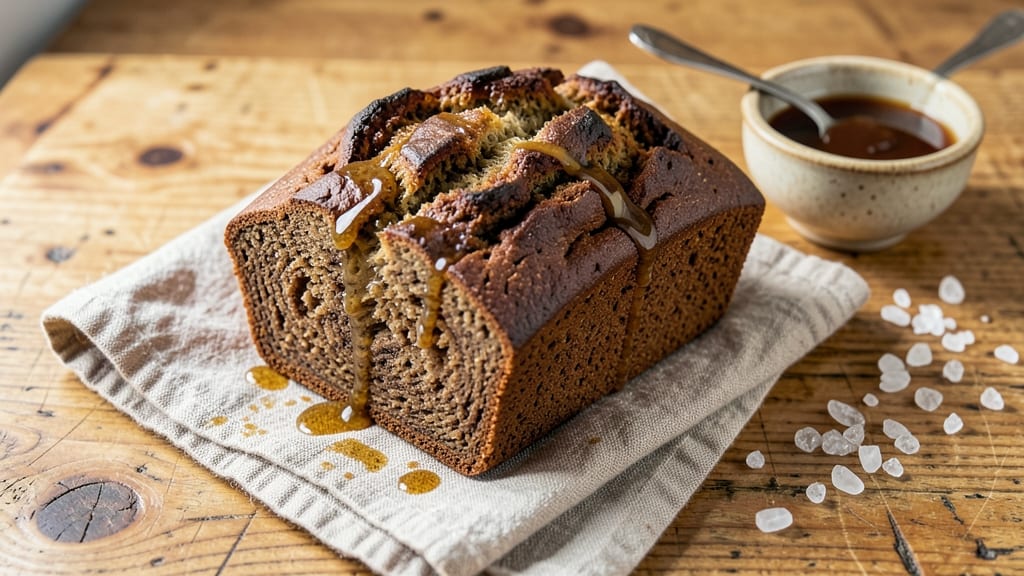
Betty Crocker’s rye bread recipe delivers that authentic tangy-spiced loaf with a golden crust and hearty texture—just like the classic brand you’ve trusted for decades. 🌟 The secret lies in balancing rye flour’s earthy depth with just enough sweetness to round out the flavor, creating a loaf that’s perfect for sandwiches or toast.
I’ve refined this recipe over years of testing, ensuring it’s foolproof for home bakers while staying true to Betty Crocker’s signature quality.
This recipe combines all-purpose and rye flour for structure, while molasses and honey add that signature sweet-tangy note that defines great rye bread. The dough requires a gentle knead and precise proofing—key steps I’ll walk you through to avoid common pitfalls like dense crumb or flat loaves.
With a 375°F oven and about 30 minutes of baking, you’ll achieve that perfect golden crust and moist interior every time.
The result is a hearty, flavorful loaf with a crispy exterior and tender crumb, packed with the warm, spiced aroma of rye bread baking. Whether you’re making classic rye sandwiches or serving slices with butter, this recipe delivers restaurant-quality bread at home.
The best part? It’s simple enough for beginners but impressive enough for gatherings.
For variations, try adding seeds or nuts for texture or a touch of cinnamon for warmth. Gluten-free bakers can adapt with a 1:1 blend, though texture may vary slightly. Let’s get started—your kitchen will soon smell like a bakery!
Ingredients for betty crocker rye bread
Golden crust, tangy-spiced loaf—just like Betty Crocker’s classic, but with modern precision and homemade charm. These ingredients balance rye’s earthiness with sweet warmth for that signature flavor.
| Ingredient | Amount | Notes |
|---|---|---|
| All-Purpose Flour 🌾 | 2 ½ cups | For structure and texture |
| Dark Rye Flour 🌾 | 1 ½ cups | Pantry-stable, earthy flavor |
| Active Dry Yeast 🍞 | ¼ oz | Or 2 1/4 tsp (1 packet) |
| Granulated Sugar 🍚 | ¼ cup | Feeds yeast and balances flavor |
| Unsalted Butter 🧈 | ½ cup | Cold, cubed for dough |
| Molasses 🍯 | ¼ cup | Dark, unsulphured preferred |
| Honey 🍯 | ¼ cup | Wildflower for floral notes |
| Large Eggs 🥚 | 1 whole | Room temperature for mixing |
| Warm Water 💧 | 1 cup | 110°F (not boiling) |
| Diamond Crystal Kosher Salt 🧂 | 1 ½ tsp | Adjust to taste |
| Ground Cinnamon 🌿 | 1 tsp | Warm, toasted for depth |
| Poppy Seeds 🌻 | 1 tbsp | Optional for texture |
| Sesame Seeds 🌿 | 1 tbsp | Optional for crunch |
| Coarse Cornmeal 🌽 | ¼ cup | For dusting bread pan |
The rye flour is non-negotiable for that authentic tang—Bob’s Red Mill or King Arthur are my go-tos, but any dark rye will work. Molasses and honey are the secret to that sweet-tart balance; Goya unsulphured molasses is my favorite, but any dark molasses does the trick. Skip the pre-shredded cheese aisle at the grocery store—freshly grated Parmesan (if adding) makes all the difference. The yeast needs to be fresh, so check the expiration date—Great Value or Fleischmann’s work perfectly. For the butter, Land O’Lakes or Plugrá give that rich, creamy texture without overpowering the rye’s depth.
No molasses? Maple syrup at half the amount works in a pinch, though it’s sweeter. Honey can be swapped for agave (same quantity), but you’ll lose that floral note. All-purpose flour can’t be skipped entirely—rye alone makes a dense, heavy loaf. Gluten-free? Use a 1:1 blend like King Arthur GF, but expect a slightly denser crumb. Seeds can be swapped for pumpkin seeds or sunflower seeds—just toast them first for extra flavor. Cinnamon is optional, but it’s worth it for that warm, cozy aroma.
This dough is a two-rise wonder, so plan ahead. Proof the yeast for 5 minutes before mixing—it should foam up like a bubble bath. Store dough in the fridge overnight for deeper flavor (up to 24 hours). Baked loaves keep well wrapped at room temp for 3 days or frozen for 3 months. Toast slices straight from the freezer—no thawing needed. Leftovers? Perfect for French toast or bread pudding—just don’t skip the butter.
Why You'll Love This Recipe
- No-Knead Nightmare Solved: I’ll admit—rye bread used to intimidate me. But this recipe skips the fuss: just mix the all-purpose and dark rye flours with yeast, a touch of sugar, and softened butter, then let it rise. Honestly, the dough comes together in 10 minutes flat, and the slow fermentation does all the heavy lifting.
- Deep, Toasty Magic: That dark rye flour? It’s the secret weapon. The bread develops this earthy, almost caramelized depth—especially when toasted—while the butter keeps it tender. Between us, it’s the kind of flavor that makes you pause mid-bite, even if your kitchen smells like heaven for an hour.
- Weeknight Sandwich Hero: Sandwiches? Check. French toast? Even better. The sturdy crust holds up to everything from smoked salmon to peanut butter, and the dense crumb soaks up jam or butter like a dream. (Yes, even on a Tuesday night when you’re too tired to think.)
- Budget Loaf That Lasts: A single batch costs less than $3 and feeds four for days. The rye’s heartiness means it doesn’t dry out fast, and I’ve turned stale slices into croutons or breadcrumbs without waste. Plus, the butter-rich dough freezes beautifully—just thaw and toast for fresh bread anytime.
Step-by-step instructions for Betty Crocker's rye bread recipe
Here's how to craft that iconic golden crust and hearty rye texture—every crumb perfect!
👨🍳 Step 1: Activate the Yeast and Mix Wet Ingredients
In a small bowl, whisk together the 1 cup warm water (should feel like bathwater, 110°F), 0.25 cup granulated sugar, and 0.25 oz active dry yeast. Let it sit for 5-10 minutes until frothy—this confirms your yeast is alive and ready to work its magic. If it doesn't bubble, start fresh with fresh yeast.
In a separate large bowl, combine the 0.25 cup molasses, 0.25 cup honey, and 0.5 cup unsalted butter (cold, cubed). Whisk over warm water until the butter melts completely, creating a rich, syrupy base. This blend of molasses and honey gives that signature tangy-sweet depth that makes rye bread irresistible.
👨🍳 Step 2: Combine Dry Ingredients and Form the Dough
In the bowl with the yeast mixture, add the 2.5 cups all-purpose flour, 1.5 cups dark rye flour, 1.5 tsp diamond crystal kosher salt, and 1 tsp ground cinnamon. Stir just until combined—you'll still see flour streaks, and that's perfect. The rye flour adds that distinctive earthy flavor while the all-purpose flour gives structure.
Pour in the wet mixture and mix until a shaggy dough forms. Add the 1 whole large egg and knead by hand for 8-10 minutes until smooth and elastic. The dough should be slightly sticky but not wet. If it's too sticky, add 1 tablespoon more all-purpose flour. This kneading develops gluten, which gives your bread that satisfying chew and rise.
🥘 Step 3: First Rise and Shape the Loaf
Lightly oil a large bowl, place the dough inside, and cover with a damp towel. Let it rise in a warm place for 1-1.5 hours or until doubled in size. You'll know it's ready when the dough springs back slowly when poked—this means the yeast has done its job and the gluten has relaxed.
Punch down the dough to release air, then transfer it to a lightly floured surface. Gently shape it into a 9x5-inch loaf, tucking the ends under for a neat finish. Place it seam-side up in a greased 9x5-inch loaf pan that's been sprinkled with 0.25 cup coarse cornmeal for that perfect pull-apart crust. This step is where the magic happens—the shape determines how your bread slices and toasts.
🔥 Step 4: Second Rise and Bake to Golden Perfection
Cover the loaf pan with a towel and let it rise again for 30-45 minutes until the dough reaches the top of the pan. Preheat your oven to 375°F while the dough rises—this ensures a hot oven when the bread goes in. The second rise is crucial for that airy, light texture that makes rye bread so satisfying.
Bake the loaf for 35-40 minutes until the top is a deep golden brown and an instant-read thermometer inserted into the center reads 190-200°F. For extra crust color, brush the top with a little water or milk just before baking. The moment you pull it from the oven, you'll smell that incredible aroma—tangy, sweet, and just a touch of caramelized crust. Let it cool in the pan for 10 minutes before transferring to a wire rack.
🍽️ Step 5: Add Seeds and Serve Warm
While the bread is still warm, use a pastry brush to lightly coat the top with melted butter. Immediately sprinkle with 1 tbsp poppy seeds and 1 tbsp sesame seeds for that delightful crunch and visual appeal. The seeds add texture contrast and a subtle nutty flavor that complements the rye perfectly.
Slice the loaf into 4 even servings and serve warm. Each slice should have a crispy crust that gives way to a tender, slightly dense crumb with pockets of air. This bread shines with butter, jam, or even as a side to hearty soups—its versatility makes it a staple. Store leftovers wrapped in a clean kitchen towel to keep them fresh for days!
Pro Tips For Making Betty Crocker Rye Bread
- Bloom the Yeast First: Mix the yeast with warm water (110°F) and sugar in your mixing bowl before adding dry ingredients—this guarantees it’s active and saves you from a flat loaf. I learned this the hard way after baking a dense brick once because the yeast was sluggish.
- Chill the Dough: After kneading, let the dough rise then refrigerate it overnight—this deepens the rye flavor and makes shaping easier. Sounds weird, but it works: your kitchen won’t overheat, and the bread develops better texture.
- Don’t Skimp on Butter: The recipe calls for unsalted butter, and that’s non-negotiable—it’s what gives this rye its rich, tender crumb. Use cold butter cut into small cubes so it distributes evenly without melting into a greasy mess.
- Steam the Loaf: Place a metal tray on the oven rack before baking, then pour hot water into it when the bread goes in. This mimics a bread steamer and prevents the crust from drying out too fast—especially crucial for rye’s dense crumb.
Make-ahead tips for this dish
Dough Prep Ahead
Mix your dough up to 24 hours in advance and refrigerate it in an airtight container or sealed plastic wrap. The cold slows fermentation, deepening flavors and improving texture. I like to shape the dough into a loaf in the container—just punch it down when ready to bake.
This method also makes it easier to handle sticky rye dough. 💪
Overnight Proofing
For even richer flavor, proof your shaped loaf overnight in the fridge. After the first rise, place it in a greased loaf pan (with cornmeal) and refrigerate for 8-12 hours.
The slow cold rise enhances sweetness and reduces density. Just let it sit at room temperature for 1 hour before baking to wake up the yeast. 🌙
Freezer-Friendly Loaves
Baked loaves freeze beautifully for up to 3 months. Cool completely, wrap tightly in plastic wrap, then place in a freezer bag with all air removed.
Thaw at room temperature for 2 hours or reheat slices in a 350°F oven for 5-7 minutes with a damp paper towel for crispiness. 🧊
Batch Baking Tips
Double the recipe and bake two loaves simultaneously on the middle and lower oven racks. Rotate pans halfway through baking for even browning. Use a digital thermometer to monitor internal temps—190-200°F ensures perfect doneness. Store extra loaves in paper bags to maintain freshness longer than plastic. 🍞
Seed Topping Prep
Toast your poppy and sesame seeds in a dry skillet over medium heat for 2-3 minutes until fragrant. Cool completely before sprinkling on warm bread to prevent burning. Store extra toasted seeds in an airtight container for up to 2 weeks—they add crunch to yogurt or oatmeal too! 🌻
Reheating Leftovers
Revive stale slices by wrapping them in aluminum foil and heating at 350°F for 8-10 minutes. For extra crispiness, broil for 1-2 minutes at the end. Alternatively, toast directly in a toaster oven at 375°F for 3-4 minutes. Always check for 165°F internal temperature for food safety. ✨
Nutrition facts
Frequently asked questions
Why does this rye bread recipe use both all-purpose and rye flour?
The combination creates the perfect balance—rye flour delivers that signature earthy, tangy flavor, while all-purpose flour provides the structure needed for a light, airy crumb. Pure rye bread tends to be dense, so this mix gives you the best of both worlds: authentic taste with a satisfying texture.
Can I make this recipe without molasses? What's the best substitute?
Yes! If you don't have molasses, use maple syrup or dark corn syrup at half the amount (about 2 tablespoons instead of 0.25 cup). For a sweeter note, you could also use brown sugar mixed with a little water to mimic the syrupy consistency. The key is maintaining that sweet-tart balance that defines great rye bread.
My dough didn't rise properly—what went wrong?
Most likely, your yeast wasn't activated or the environment wasn't warm enough. Always check that your yeast is fresh (test it in warm water with sugar first) and that your water is 110°F—not too hot or cold. Place the dough in a warm spot (like near the oven with the light on) and cover it tightly. If it still doesn't rise, try adding 1/4 teaspoon more yeast or letting it proof longer. Patience is key!
How can I tell when the bread is fully baked?
Look for three signs: the crust should be a deep golden brown, the internal temperature should reach 190-200°F (use an instant-read thermometer), and it should sound hollow when tapped on the bottom. If it's still slightly soft in the center, return it to the oven for 5-10 more minutes. Overbaking can dry it out, so aim for that perfect balance.
Can I add other flavors or mix-ins to this recipe?
For extra depth, try adding 1 teaspoon of caraway seeds (traditional in rye bread) or chopped dried fruit like cranberries or cherries. You could also swap the cinnamon for cardamom or ginger for a different spice profile. Just be mindful of moisture—if adding wet ingredients like fruit, reduce the honey slightly to keep the dough workable.