
Side Dishes
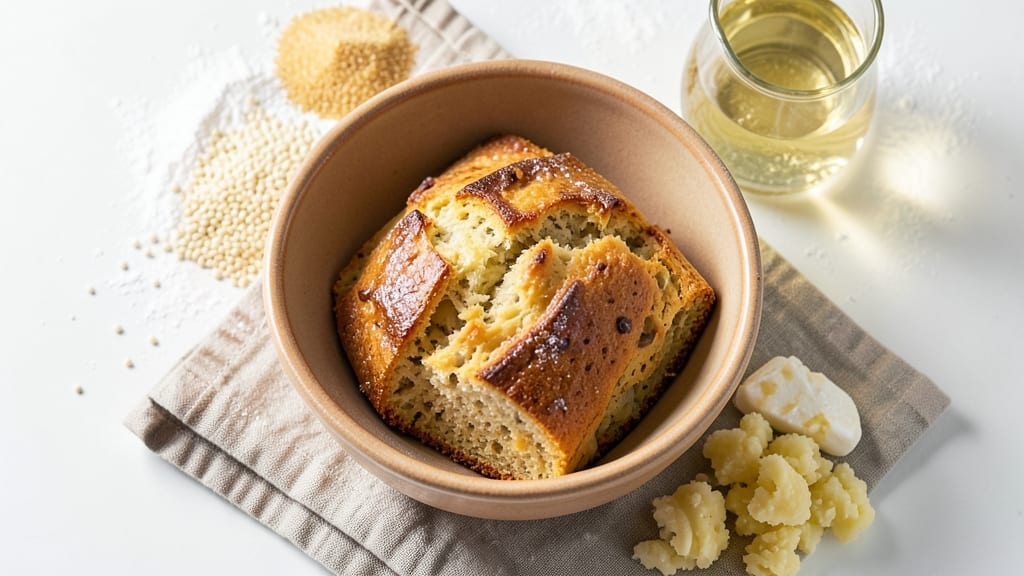
Betty Crocker's potato bread recipe delivers that nostalgic, fluffy loaf with a golden crust that's perfect for sandwiches or serving alongside soups. The secret lies in properly activating the yeast and handling the dough to achieve that signature texture—something I've perfected after years of baking.
This recipe combines simple ingredients with precise technique to create a bread that's both comforting and impressive.
What makes this potato bread special is its tender crumb and slightly sweet flavor from the potatoes, balanced by the richness of butter. Unlike many bread recipes, it requires minimal effort but delivers restaurant-quality results.
The dough rises just enough to create that light, airy texture, while the crust develops a beautiful golden-brown hue that's impossible to resist.
With just a few basic ingredients and about 1 hour and 30 minutes of active time (plus rising), you'll have a loaf that tastes like it came from a bakery.
The key steps involve activating the yeast properly, kneading the dough just enough to develop gluten without overworking it, and baking at the right temperature to ensure even browning. This recipe also includes a simple glaze option that adds extra shine and sweetness to the crust.
Whether you're serving it warm with butter or using it for sandwiches, the texture and flavor make it a standout.
For those who love classic comfort foods, this potato bread is a game-changer—easy enough for beginners but impressive enough for gatherings. The instructions walk you through every step, from mixing to baking, so you can achieve that perfect loaf every time.
Let's get started on creating this timeless recipe that brings warmth to any table.
Ingredients for betty crocker potato bread
Simple pantry staples transform into a golden, fluffy loaf with tender crumb and perfect crust.
| Ingredient | Amount | Notes |
|---|---|---|
| Instant-Acting Yeast 🍞 | 2 ¼ tsp | Ensures proper activation |
| Warm Water 💧 | ¾ cup | 110°F (43°C) for yeast |
| All-Purpose Flour 🌾 | 4 cups | Plus 2 tbsp for shaping |
| Instant Mashed Potatoes 🥔 | 1 package | Prepared with milk |
| Granulated Sugar 🍚 | ¼ cup | For subtle sweetness |
| Unsalted Butter 🧈 | ½ cup | Softened, not melted |
| Whole Milk 🥛 | ½ cup | Full-fat for richness |
| Large Eggs 🥚 | 1 whole | Room temperature |
| Salt 🧂 | 1 ½ tsp | Kosher or sea salt |
| Powdered Sugar 🍚 | ¼ cup | For glaze |
| Milk 🥛 | 1 tbsp | For glaze consistency |
The yeast is non-negotiable—Saf-Instant or Red Star brands activate instantly in warm water. Test your water temperature with a thermometer: 110°F (43°C) is ideal. If it's too hot, the yeast dies; too cool, it won't activate. For the potatoes, Betty Crocker's instant mix works perfectly, but you can substitute with 1.5 cups cooked mashed potatoes (homemade or canned, drained). The butter should be softened to room temperature—not melted, not cold. Land O'Lakes or Plugrá brands work well for consistent texture. Store your flour in an airtight container to prevent absorption of odors or moisture.
No instant mashed potatoes? 1.5 cups cooked and cooled mashed potatoes (homemade or canned) work as a substitute, but they'll add moisture—reduce the milk by 2 tbsp to compensate. For a richer loaf, European-style butter (like Plugrá) enhances flavor. The glaze calls for powdered sugar, but confectioners' sugar is a direct substitute. If you're making this ahead, pre-portion the glaze ingredients in a small container—they keep indefinitely and make glazing faster. The dough should be slightly sticky but not wet; if it's too dry, add 1 tsp milk at a time until it reaches the right consistency.
This bread keeps beautifully for 3-4 days at room temperature, wrapped in a clean kitchen towel. For longer storage, freeze the loaf (unfrosted) for up to 3 months. To reheat, wrap in foil and warm in a 350°F (175°C) oven for 10-15 minutes. The glaze hardens as it cools, so apply it within 5 minutes of baking for the best shine. For sandwiches, slice while still slightly warm—it's more tender. Store leftovers in an airtight container to maintain freshness.
Why You'll Love This Recipe
- Pantry Magic: I swear by this recipe when I forget to buy bread. Just toss in a packet of instant mashed potatoes and a pinch of sugar—no extra shopping, no stress.
- Golden Crust Secret: That crispy exterior with a soft, slightly sweet center? The instant potatoes add a creamy richness while the yeast gives it a satisfying rise. It’s the kind of bread that disappears fast.
- Weeknight Hero: I make a double batch on Sundays—it’s perfect for sandwiches, toast, or even French toast. Freezes like a dream, so I always have backup when life gets busy.
- Budget Buster: Flour, yeast, and instant potatoes? This costs me less than half of what store-bought bread does. And honestly, it tastes better—no preservatives, just real flavor.
Step-by-step instructions for Betty Crocker potato bread
This method delivers a perfectly fluffy, buttery loaf with a golden crust every time.
Activate the Yeast and Prepare the Mashed Potatoes
In a small bowl, combine the 2.25 teaspoons instant-acting yeast with the 0.75 cup warm water (about 110°F). Let it sit for 5 minutes until foamy. This activation ensures your dough rises properly and develops that signature light texture. If the yeast doesn't foam, your water was too hot—start over with fresh yeast and cooler water.
Meanwhile, prepare the 1 package instant mashed potatoes using the 0.5 cup whole milk as directed on the package. Let it cool completely before using. The potatoes add moisture and that classic potato bread flavor without altering the dough's structure. Spread the cooled mixture on a plate and let it sit at room temperature while you mix the dough.
Mix the Dough Ingredients
In the bowl of a stand mixer fitted with the dough hook, combine the 4 cups all-purpose flour, 0.25 cup granulated sugar, and 1.5 teaspoons salt. Mix on low speed for 30 seconds to aerate the flour. This step prevents dense bread and ensures even distribution of ingredients.
Add the 0.5 cup softened unsalted butter, 1 whole large egg (at room temperature), and the prepared mashed potato mixture. Mix on medium speed for 2 minutes until the dough begins to come together. Here's the thing—don't overmix. You want a shaggy dough at this stage, not a smooth one. The butter should be fully incorporated but still visible in small chunks.
Knead the Dough to Perfection
Increase the mixer speed to medium and knead for 5-7 minutes until the dough is smooth and elastic. It should pull away from the sides of the bowl and form a windowpane when stretched. If it's too sticky, add 1 tablespoon flour at a time until it reaches the right consistency. The kneading develops gluten, which gives the bread its structure and that satisfying chew.
Shape the dough into a ball, place it in a lightly greased bowl, and cover with a damp towel. Let it rise in a warm place for 1 hour or until doubled in size. The dough should spring back slowly when poked with a finger. This proofing step is critical—it's what creates that light, airy texture we're after.
Shape and Proof the Loaf
Punch down the risen dough to release air, then shape it into a 9x5-inch loaf pan. Brush the sides of the pan with softened butter to prevent sticking. The dough will be slightly sticky, but don't add extra flour—this can make the crust tough. Cover the pan with a towel and let it rise for another 30-45 minutes until it's about 1 inch above the rim of the pan.
Preheat your oven to 350°F while the dough proofs. The oven should be fully heated before baking begins. This ensures even cooking and that perfect golden crust. Here's where it gets fun—the bread will rise dramatically in the oven, so don't be surprised if it overflows slightly. That's actually a good sign—it means your yeast is working properly.
Bake and Glaze for Golden Perfection
Bake the loaf for 40-45 minutes until the top is golden brown and an instant-read thermometer inserted into the center reads 190°F. The bread should sound hollow when tapped on the bottom. If the top browns too quickly, tent it with foil to prevent over-browning while it finishes cooking inside.
While the bread bakes, prepare the glaze by whisking together the 0.25 cup powdered sugar and 1 tablespoon milk until smooth. Immediately after removing the bread from the oven, brush the glaze evenly over the top. This step creates that signature sweet, glossy finish that makes potato bread irresistible. Let the bread cool in the pan for 10 minutes, then transfer to a wire rack to cool completely before slicing.
Pro Tips For Making Betty Crocker Potato Bread
- Measure Yeast First: DESCRIPTION:
- Use Cold Mashed Potatoes: DESCRIPTION:
- Knead Just Enough: DESCRIPTION:
- Proof in a Warm Spot: DESCRIPTION:
Perfect pairings for this betty crocker potato bread
Buttery Spreads
Nothing complements potato bread like a rich, creamy butter spread. I recommend using Land O'Lakes cultured butter for its tangy depth, or Plugrá European-style butter for extra richness. Warm the butter slightly before spreading—just enough to soften it—so it melts beautifully into the bread's tender crumb.
For a sweet twist, mix in 2 tablespoons honey or 1 teaspoon cinnamon for a breakfast-friendly treat. 🧈
Classic Sandwich Fillings
This bread shines as a sandwich base. Try turkey and Swiss cheese with a smear of Dijon mustard, or roast beef and horseradish cream cheese for a bold flavor. For a vegetarian option, layer with avocado slices, sprouts, and sharp cheddar.
The bread's buttery texture holds up perfectly to juicy fillings, making it ideal for hearty lunches. I often toast slices lightly before assembling for extra crispiness.
Soup Pairings
Potato bread pairs beautifully with creamy soups like New England clam chowder or roasted tomato basil. The bread's slightly sweet flavor balances the richness of the soup, while its sturdy texture soaks up every last drop.
For a lighter option, serve with minestrone or lentil soup—the bread's buttery notes complement the earthy flavors without overpowering them. I always keep a warm loaf on the table when serving soup.
Sweet Glaze Variations
The classic powdered sugar glaze is delicious, but you can customize it further. For a maple glaze, replace the milk with 2 tablespoons maple syrup and reduce the powdered sugar to 0.15 cup.
A cinnamon-sugar glaze adds warmth—mix 0.25 cup powdered sugar with 1 teaspoon cinnamon and 1 tablespoon melted butter. Brush the glaze on immediately after baking for the best shine and flavor.
Coffee and Tea Companions
Potato bread is a fantastic breakfast or afternoon snack with coffee or tea. The bread's buttery richness pairs perfectly with dark roast coffee or Earl Grey tea. For a dessert twist, serve slices with whipped cream and a drizzle of caramel sauce.
The bread's tender crumb soaks up liquids beautifully, making it a versatile companion for any beverage. I often keep a loaf on hand for spontaneous coffee breaks.
Cheese Board Additions
Add potato bread to a cheese board for a hearty, shareable element. Pair it with aged cheddar, brie, and Gouda for a mix of sharp, creamy, and nutty flavors. The bread's buttery texture contrasts nicely with the cheeses, while its slight sweetness balances stronger flavors.
Serve with apple slices, walnuts, and honey for a well-rounded board. It’s a crowd-pleaser at any gathering. 🧀
Nutrition facts
Frequently asked questions
Can I make this potato bread without instant mashed potatoes?
Yes! You can substitute with 1.5 cups cooked and cooled mashed potatoes (homemade or canned, drained). Since homemade mashed potatoes contain more moisture, reduce the milk by 2 tablespoons to maintain the right dough consistency. The texture will be slightly denser but still delicious.
Why did my potato bread turn out dense instead of fluffy?
A dense loaf usually means the yeast didn't activate properly or the dough wasn't kneaded enough. Always use 110°F water for yeast activation and let it foam for 5 minutes. Also, knead the dough for 5-7 minutes to develop gluten—this creates the light, airy texture. If your oven runs hot, reduce the temperature to 325°F for even baking.
How do I store or reheat leftover potato bread?
Wrap the cooled loaf in a clean kitchen towel and store at room temperature for 3-4 days. For longer storage, freeze the unfrosted loaf for up to 3 months. To reheat, wrap slices in foil and warm in a 350°F oven for 5-7 minutes or use the microwave for 10-15 seconds. For sandwiches, lightly toast slices before assembling.
Can I make this bread in a different pan shape?
Yes! While the recipe is designed for a 9x5-inch loaf pan, you can use a 9x9-inch square pan for a shorter loaf or a 7x3.5-inch pullman pan for a longer sandwich loaf. Adjust baking time by 5-10 minutes—check with an instant-read thermometer for 190°F at the center. The dough will rise differently in various pans, so monitor closely.
What’s the best way to add extra flavor to this potato bread?
For a savory twist, mix 1 teaspoon garlic powder or 1/2 teaspoon onion powder into the flour before kneading. For sweetness, try 1/4 teaspoon cinnamon in the dough. The glaze can also be customized—swap powdered sugar for maple syrup or add 1/2 teaspoon vanilla extract to the milk for extra aroma.