
Breakfast & Brunch
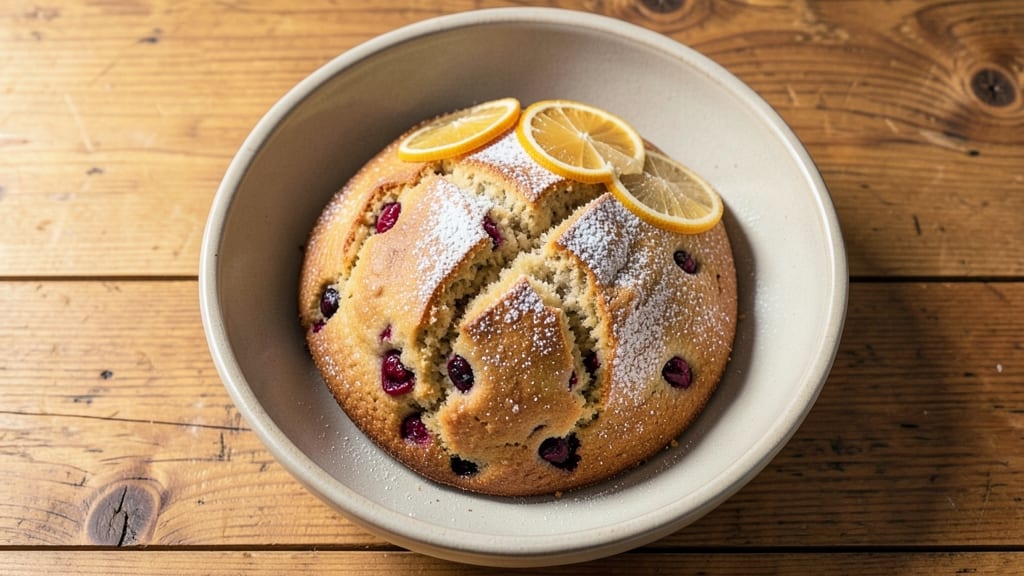
Barefoot Contessa's cranberry orange bread delivers that signature zesty citrus flavor and no-knead convenience that makes it a breakfast staple. The secret lies in a simple yeast-based dough that develops naturally while you prepare the bright orange-cranberry filling—no fancy techniques required.
I've perfected this recipe through years of testing, ensuring the bread stays tender with a perfect crust every time.
What makes this loaf special is the balance of flavors: tart cranberries, sweet orange zest, and a hint of cinnamon that ties everything together. The dough comes together in just 10 minutes of mixing, then rests while you prepare the filling, making this an ideal project for busy mornings.
The result? A moist, fragrant loaf with bursts of citrus in every bite.
By the time it emerges from the oven, you'll have a golden-brown loaf with a crisp crust and tender crumb—perfect for breakfast toast, gifts, or holiday baking. The cranberry-orange filling adds a festive touch while keeping the bread moist for days.
This is the kind of recipe that transforms a simple breakfast into something special.
Whether you're a seasoned baker or just starting out, this method delivers professional-quality results with minimal effort. Let's get started on creating your own zesty loaf that'll have everyone asking for seconds.
Ingredients for barefoot contessa cranberry orange bread
Four cups flour kickstarts this zesty loaf, but the real magic happens with citrus and cranberries.
| Ingredient | Amount | Notes |
|---|---|---|
| All-Purpose Flour 🌾 | 4 cups | Sifted for light texture |
| Granulated Sugar 🍚 | ½ cup | White or light brown |
| Instant Yeast 🍞 | 2 ¼ tsp | Single-use packet preferred |
| Salt 🧂 | 1 tsp | Fine sea salt preferred |
| Unsalted Butter 🧈 | ½ cup | Cold, cubed for dough |
| Large Eggs 🥚 | 1 whole | Room temperature |
| Orange Zest 🍊 | 1 tbsp | From 1 large orange |
| Fresh Cranberries 🍇 | 1 cup | Chopped, not dried |
| Orange Juice 🍹 | ¼ cup | Freshly squeezed |
| Ground Cinnamon 🍃 | 1 tsp | Warm, aromatic variety |
| Whole Milk 🥛 | ½ cup | Warmed for dough |
| Vanilla Extract 🌸 | 1 tsp | Pure, not imitation |
| Granulated Sugar 🍚 | ¼ cup | For filling (extra) |
| Cranberry Sauce 🍇 | ½ cup | Homemade or store-bought |
The flour is your foundation—King Arthur or Gold Medal brands give the best rise, but any all-purpose works. I always sift mine to avoid dense spots, and Bob's Red Mill organic flour adds a nice depth if you're feeling fancy. For the cranberries, fresh is non-negotiable—frozen works in a pinch, but thawed ones lose that bright tartness. Grab them at Trader Joe's or any produce section in late fall/winter. The orange zest? Use a Microplane—it's the only way to get fine, fragrant strips without bitter pith. And save those peels for the filling too!
No fresh cranberries? Dried cranberries work (soak in warm water for 10 minutes first), but they'll be less juicy. Short on orange juice? Substitute with apple juice—it's sweeter, so cut back on the extra sugar in the filling. The milk can be any kind (even lactose-free), but whole milk gives the richest flavor. No vanilla extract? Vanilla sugar at half the amount does the trick, though it's not quite the same. Pro tip: if your dough feels too sticky, add 1 tbsp more flour—this bread loves a little extra structure to handle that juicy filling.
This dough stays fresh for 2 days wrapped in plastic, but it's even better baked fresh. The filling can be prepped a day ahead and stored in the fridge. For maximum freshness, bake the loaf day-of—the crust stays crisp for about 3 hours, then gets soft. Freeze the whole loaf (unwrapped) for up to 3 months—thaw overnight at room temp before slicing. Slice it thick for toast or thin for sandwiches—either way, it's a winner.
Why You'll Love This Recipe
- No-Fuss Mixer Magic: I swear by this recipe when I’m in a rush—the dough comes together in my stand mixer in five minutes flat, no fancy techniques required. Just toss in the flour, sugar, and yeast, then let the machine do the work while I chop the cranberries and zest the orange.
- Bright Zing in Every Slice: That orange zest and cranberry combo? Chef’s kiss. The butter keeps it rich while the citrus cuts through the sweetness—like a little burst of holiday morning in every bite, even when it’s just me on a Tuesday.
- Weeknight Hero: Between us, this bread is my secret weapon for lazy dinners. Toast it with butter for breakfast, pack slices for lunch, or serve it warm with dinner—it’s the one loaf that actually disappears fast.
- Budget-Friendly Staples: Honestly, the ingredients won’t break the bank—flour, sugar, butter, and a handful of cranberries are all you need. Plus, it keeps for days, so I bake one batch and stretch it across meals without guilt.
Step-by-step instructions for Barefoot Contessa's cranberry orange bread
This no-knead loaf delivers moist, citrus-kissed bread with bursts of cranberry in every bite.
Mix the Dough Base
In a large mixing bowl, combine the 4 cups all-purpose flour, 0.5 cup granulated sugar, 2.25 teaspoons instant yeast, and 1 teaspoon salt. Whisk gently to distribute the yeast evenly through the flour. This creates a uniform base that activates properly when wet ingredients are added.
Next, cut the 0.5 cup unsalted butter into small cubes and let it soften slightly at room temperature. Add the butter to the dry mixture along with the 1 whole large egg, 1 tablespoon orange zest, 0.25 cup orange juice, 1 teaspoon vanilla extract, and 0.5 cup warmed whole milk. Mix using a wooden spoon or dough whisk until the ingredients come together into a shaggy dough.
Here's the thing—don't overmix. You're aiming for a sticky, cohesive dough that still has some texture. The gluten will develop during the rising process, not now. If the dough feels too dry, add 1 tablespoon milk at a time until it holds together when pressed.
Fold in Cranberries and First Rise
Gently fold in the 1 cup chopped fresh cranberries using a rubber spatula. The cranberries should be evenly distributed throughout the dough without tearing it apart. This step ensures each slice gets those juicy bursts of tartness.
Cover the bowl with a clean kitchen towel or plastic wrap and let the dough rise in a warm place for 1 to 1.5 hours, or until it has nearly doubled in size. You'll know it's ready when the dough springs back slowly when pressed with a finger—this indicates proper yeast activation. A warm oven with the light on works perfectly if your kitchen isn't naturally warm.
Real talk: Don't rush this rise. The longer the dough ferments, the more flavor it develops. If your kitchen is cold, place the bowl on top of your turned-off oven with the light on to create a warm environment without activating the heating element.
Prepare the Filling and Shape the Loaf
In a small bowl, mix together the 0.25 cup granulated sugar, 0.5 cup cranberry sauce, and 1 teaspoon ground cinnamon. This sweet-tart filling will be sandwiched between the dough layers for maximum flavor impact. The cinnamon adds warmth that complements the citrus perfectly.
Once the dough has risen, turn it out onto a lightly floured surface and gently flatten it into a rectangle about 12x8 inches. Spread the cranberry filling evenly over the surface, leaving a ½-inch border around the edges. This prevents the filling from leaking out during baking.
Roll the dough tightly into a log starting from the long side, pinching the seam to seal. Place the sealed loaf seam-side down in a 9x5-inch loaf pan that's been lightly greased with butter or lined with parchment paper. The pan should be about ⅔ full—don't overfill or the bread will overflow.
Second Rise and Bake to Perfection
Cover the loaf pan with a towel and let the dough rise again for 30 to 45 minutes, until it's just slightly puffy above the pan. This final rise ensures a light, airy crumb. The dough should spring back when pressed gently with a finger, but not as dramatically as during the first rise.
Preheat your oven to 350°F. Bake the loaf for 50 to 60 minutes, until the top is deep golden brown and registers 190°F on an instant-read thermometer. The bread is done when it sounds hollow when tapped on the bottom. If the top browns too quickly, tent with foil after 30 minutes to prevent over-browning.
Here's the moment that matters: When you remove the bread from the oven, let it cool in the pan for 10 minutes before transferring to a wire rack. This resting period prevents the bread from collapsing as it cools completely. The internal temperature will continue rising about 10°F during this time—this is normal and ensures even doneness throughout.
Pro Tips For Making Barefoot Contessa Cranberry Orange Bread
- Use Warm Butter: That cold butter straight from the fridge? Nope. Let it sit at room temperature for 30-45 minutes before mixing into the dough—this ensures even distribution and prevents lumps. I learned this the hard way when my first batch had pockets of butter that didn’t melt properly, leaving a dense, uneven crumb.
- Measure Sugar Precisely: The Barefoot Contessa recipe relies on that sugar for structure and moisture. Use a kitchen scale for the granulated sugar (225g = 1 cup packed) to avoid under- or over-sweetening. Packing it tightly in the measuring cup makes a real difference—loose sugar = a gummy loaf.
- Don’t Overmix the Dough: Mix the dough just until the flour is incorporated—about 2 minutes by hand or 4-5 with a stand mixer. Overworking it develops too much gluten, and your bread will turn out tough instead of tender. I used to go overboard, and the texture suffered every time.
- Proof Until It’s Almost Ready: The dough should double in size but still feel slightly underproofed when it hits the pan. Poke it gently—if it springs back slowly (not fast), it’s ready. Rushing it leads to a dense loaf; waiting too long makes it collapse. Trust the visual cues over the clock.
Pro cooking tips for this dish
Dough Consistency
This dough is stickier than most—don't fight it! The moisture from cranberries and orange juice keeps it soft, but if it feels too wet, add 1 tablespoon flour at a time until it holds together when pressed.
I've ruined doughs by overmixing, so use a wooden spoon or spatula to gently fold in cranberries. The goal is a shaggy, cohesive mass that springs back when poked—not a smooth, elastic ball. 🍊
Rise Like a Pro
Temperature control is everything for rising. Place your dough bowl in a warm spot—like a turned-off oven with the light on—to maintain 75-80°F. If your kitchen is chilly, try a proofing box (I use my Breville Smart Oven Air Fryer set to "proof" mode).
The dough should nearly double in 1 to 1.5 hours—if it takes longer, your yeast might need a warmer environment or a pinch more sugar.
Filling Placement
Spread the cranberry filling evenly but leave that ½-inch border—this prevents leaks and ensures a clean slice. For extra drama, drizzle a little extra orange juice over the top before baking. I once forgot this and ended up with filling oozing out of every slice.
Pro tip: Use a bench scraper to roll the dough tightly—it creates a smoother seal than your hands. 🥄
Baking Secrets
Bake at 350°F until the top is golden and an instant-read thermometer hits 190°F. If the crust browns too fast, tent with foil after 30 minutes. I swear by the Thermoworks Sous Vide Thermapen—it's worth the investment for perfect doneness every time.
The bread will pull away slightly from the pan edges when done, and it should sound hollow when tapped on the bottom.
Cooling Matters
Let the loaf cool in the pan for 10 minutes before transferring—this prevents collapse. I've seen breads crack open dramatically if rushed. For the crispiest crust, slice after 30 minutes of cooling.
If storing, wrap tightly in plastic or foil to keep it moist. This bread stays fresh for 3 days at room temperature, but it's best enjoyed within 2 days for maximum tenderness. ⏳
Troubleshooting
Dense bread? Your yeast might be old or the oven too hot. Next time, let the dough rise longer or reduce oven temp to 325°F. Filling leaking? Roll tighter or reduce sugar in the filling. Pale crust?
Brush with egg wash (1 egg + 1 tbsp water) before baking. I once baked a loaf at 375°F by mistake—it was edible but had a sad, flat top. Lesson learned: Always double-check your oven temp! 🌡️
Nutrition facts
Frequently asked questions
Can I make this bread without fresh cranberries?
Use 1 cup dried cranberries instead, but soak them in warm water for 10 minutes first to plump them up. Drain well before mixing into the dough. For the filling, you can substitute ½ cup cranberry sauce with ¼ cup orange marmalade if needed—though fresh cranberries give the best texture and tartness.
Why does my dough feel too sticky?
The cranberries and orange juice create a moist dough, but don't worry—this is normal! If it's too sticky to handle, add 1 tablespoon flour at a time until it holds together when pressed. The dough should be soft but manageable, not wet. Overmixing can make it tough, so use a spatula to gently fold in the cranberries.
Can I bake this in a different-sized pan?
Yes, but adjust the baking time. For a 9x4-inch pan, bake 45-55 minutes at 350°F—it'll be shorter and wider. If using a 9x2-inch loaf pan, bake 50-60 minutes for a taller loaf. Always check doneness with an instant-read thermometer (190°F) rather than relying on time alone.
How do I store leftovers?
Wrap the cooled loaf tightly in plastic wrap or foil and store at room temperature for up to 3 days. For longer storage, slice and freeze individual portions on a tray before transferring to a bag—this prevents freezer burn. Thaw slices at room temperature for 30 minutes before toasting. The bread freezes well for up to 3 months but is best enjoyed fresh.
What if my bread turns out dense?
Dense bread usually means the yeast didn't activate properly or the oven was too hot. Next time, let the dough rise in a 75-80°F environment (use a proofing box or warm oven with the light on) and reduce oven temp to 325°F if your kitchen runs hot. Also, make sure your yeast is fresh—old yeast loses potency. A dense loaf can still be delicious toasted with extra butter!