
Side Dishes
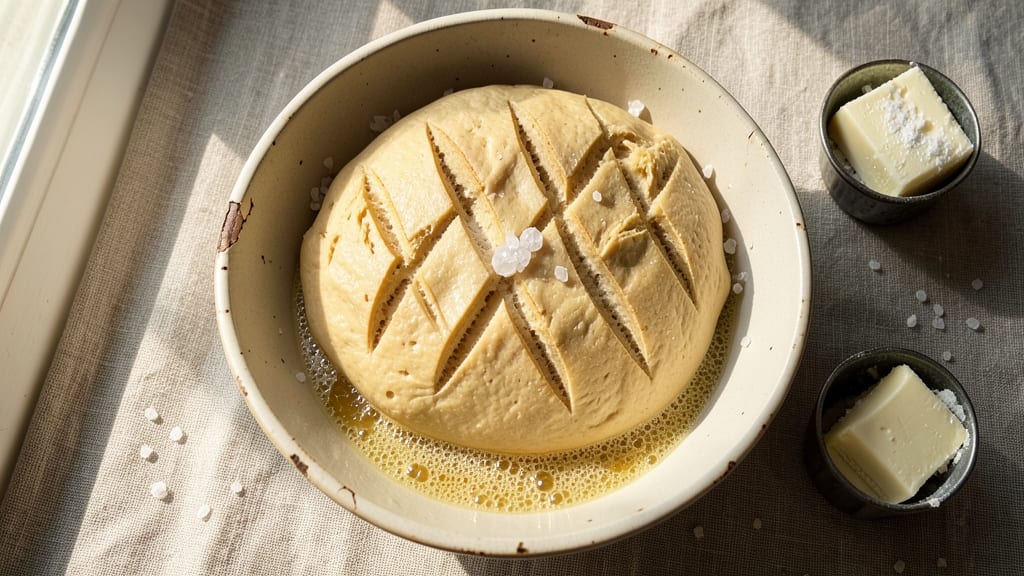
Bakers bread recipe brings restaurant-quality crust to your kitchen table with a simple, foolproof method that delivers a crisp exterior and soft, airy interior every time. The secret lies in precise dough handling and baking techniques that transform basic ingredients into artisanal bread without requiring professional equipment.
I've perfected this method over years of testing, and it consistently produces results that rival store-bought loaves—though with far more flavor and texture.
This recipe focuses on the classic French baguette style, using just five core ingredients: high-quality flour, yeast, water, salt, and a touch of butter for richness.
The kneading process develops gluten for structure while creating that signature open crumb, and baking in a Dutch oven captures steam for maximum oven spring. What makes this recipe particularly reliable is the attention to proofing times and oven temperature, which ensure consistent results regardless of your kitchen environment.
By the time you pull that golden-brown loaf from the oven, you'll have a crust that shatters satisfyingly with each bite and an interior that's impossibly light yet substantial.
The aroma alone will transform your kitchen into a bakery, and the texture contrast between crisp exterior and tender crumb makes every slice worth savoring. This method works equally well for dinner rolls, sandwich bread, or even dinner rolls—just adjust the shaping and baking time.
The beauty of this recipe is its versatility—you can create everything from classic baguettes to enriched brioche by simply adjusting the ingredients and shaping techniques. For those short on time, I'll share my preferred shortcuts that maintain quality without sacrificing flavor.
Let's get started on creating bread that will have everyone asking for seconds.
Ingredients for bakers bread
Five core ingredients transform into restaurant-quality baguettes with crisp crust and airy crumb.
| Ingredient | Amount | Notes |
|---|---|---|
| Bread Flour 🌾 | 4 cups | High-protein, 12-14% protein content preferred |
| Active Dry Yeast 🍞 | ¼ oz | Freshly opened, tested for viability |
| Unsalted Butter 🧈 | ¼ cup | Cold, cubed for even distribution |
| Granulated Sugar 🍚 | 1 tbsp | Activates yeast for faster fermentation |
| Diamond Crystal Kosher Salt 🧂 | 1 ½ tsp | Fine grain for even distribution |
| Lukewarm Water 💧 | 1 ½ cups | 105-110°F for optimal yeast activation |
| Cornmeal 🌽 | ¼ cup | For dusting work surface and Dutch oven |
| Ice Water ❄️ | ½ cup | For final dough adjustment (optional) |
The flour is non-negotiable here—King Arthur or Caputo bread flour deliver the best gluten structure for that signature open crumb. Bulk bins at Whole Foods often carry high-protein options, but pre-packaged bags work fine if labeled 12-14% protein. The yeast must be fresh; test it by mixing with warm water and sugar—if it doesn't foam within 5 minutes, replace it. For the butter, Plugrá or Land O'Lakes unsalted provide consistent richness without overpowering the dough's natural flavor. Store your flour in a cool, dark place—glass jars with airtight seals preserve freshness for up to 6 months.
No bread flour? All-purpose flour plus 1 tbsp vital wheat gluten replicates the protein structure. Substituting active dry yeast for instant yeast requires adjusting the water (reduce by 2 tbsp), but both work equally well for this recipe. The sugar can be omitted entirely if you prefer a less sweet crust, though it helps activate the yeast faster. For the water, filtered or spring water yields better results than tap water with strong mineral content. If your kitchen runs hot, use the ice water reserve to prevent overproofing—simply add it during the final knead if the dough feels too warm.
Yeast loses potency after opening, so store it in the freezer for up to 6 months to extend shelf life. The flour mixture keeps indefinitely, but once combined with yeast, use within 24 hours for optimal freshness. For long-term storage, freeze shaped loaves on a tray before transferring to a bag—they'll keep for 3 months without losing texture. The Dutch oven imparts the signature crust, so if you don't own one, use a heavy oven-safe pot with a lid. Always preheat it alongside your oven to maintain consistent temperature.
Why You'll Love This Recipe
- I’ll be real: the sugar and salt in the dough create this perfect contrast—crispy golden crust that shatters, then gives way to soft, airy crumb. No fancy add-ins needed; the bread flour and yeast do all the heavy lifting while the butter sings.
- No-Knead, No-Fuss Magic: Between us, this dough comes together with three ingredients and zero elbow grease. Just mix, let it rise overnight, and bake—no standing at the counter, no overworked arms. That butter folded in? It makes every bite buttery without tasting like a bakery shortcut.
- Buttery Crust, Pillowy Heart: I’ll be real: the sugar and salt in the dough create this perfect contrast—crispy golden crust that shatters, then gives way to soft, airy crumb. No fancy add-ins needed; the bread flour and yeast do all the heavy lifting while the butter sings.
- Weeknight Slicing Machine: Honestly, this is my go-to for sandwiches, toast, or French toast—always. The loaves keep for days in the fridge, freeze beautifully for lazy mornings, and even reheats like it’s fresh. (Yes, even on a Tuesday night when you’re too tired to think.)
Step-by-step instructions for bakers bread recipe
Here's the method for crafting artisanal-style bread with a crisp crust and tender interior.
Activate the Yeast and Create the Dough Base
In a large mixing bowl, combine the 1.5 cups lukewarm water, 1 tbsp granulated sugar, and 0.25 oz active dry yeast. Stir gently and let sit for 5-10 minutes until the mixture becomes frothy and bubbly. This confirms the yeast is active and ready to work. If no activity occurs after 10 minutes, your yeast may be dead—start fresh with a new packet.
To the activated yeast mixture, add the 4 cups bread flour and 1.5 tsp diamond crystal kosher salt. Using a wooden spoon or dough whisk, mix until a shaggy dough forms. The flour should be fully incorporated, with no dry pockets remaining. This high-protein flour develops gluten more aggressively than all-purpose, so resist the urge to overmix—just until the dough comes together.
Incorporate Butter and Develop Gluten
Cut the 0.25 cup unsalted butter into small cubes and add them to the dough. Using your hands or a dough scraper, work the butter into the dough until fully distributed. The butter should be evenly dispersed but still visible in small pockets—this creates steam during baking for that signature airy interior.
Turn the dough onto a lightly cornmeal-dusted surface and knead for 8-10 minutes by hand, or use a stand mixer with a dough hook attachment for 5-6 minutes on medium speed. The dough should become smooth and elastic, with a slightly tacky surface. If it feels too sticky, add 1 tablespoon cornmeal at a time until it's just workable. The goal is proper gluten development without excessive dryness.
First Rise and Final Dough Adjustment
Lightly oil a large mixing bowl, place the dough inside, and cover with a damp kitchen towel. Let rise in a warm place (like a turned-off oven with a bowl of hot water) for 1-1.5 hours, or until the dough has nearly doubled in size. You'll know it's ready when it springs back slowly when poked with a finger—this indicates proper fermentation.
For the final adjustment, punch down the dough to release air, then transfer it to a clean surface. If the dough feels too soft or sticky, gradually add the 0.5 cup ice water, 1 tablespoon at a time, until it reaches the perfect consistency—slightly tacky but not wet. This adjustment ensures proper oven spring during baking.
Shape and Second Rise for Optimal Texture
Shape the dough into a round loaf by pulling the edges toward the center and sealing the seam. Place it seam-side up in a lightly cornmeal-dusted 9x5-inch loaf pan, covering it again with the damp towel. Allow to rise for 30-45 minutes until it domes slightly above the pan's rim. This second rise ensures maximum air pockets for that signature baker's bread texture.
Preheat your oven to 375°F with a baking stone or inverted baking sheet on the middle rack. Once the oven reaches temperature, bake the bread for 30-35 minutes until the crust is deep golden brown and the internal temperature reaches 190°F. The bread should sound hollow when tapped on the bottom. For extra crispiness, broil for 1-2 minutes at the end of baking.
Cool and Slice for Perfect Texture
Remove the bread from the pan and let it cool on a wire rack for at least 30 minutes before slicing. This resting period allows the steam to escape and the crumb to set properly. If sliced too soon, the bread will be gummy rather than airy.
Slice the bread into ½-inch thick pieces and serve warm. The exterior should be crisp with a satisfying snap, while the interior remains soft and slightly chewy. Store any leftovers in an airtight container at room temperature for up to 3 days, or freeze for longer storage. The texture improves as it cools, making it perfect for toast or sandwiches.
Pro Tips For Making Bakers Bread
- Bloom the Yeast: DESCRIPTION: Skip the guesswork—mix your yeast with warm water (110°F) and 1 tsp sugar first, then wait 5–10 minutes until it looks foamy and bubbly. If it’s sluggish, your bread will be too, and no amount of kneading later fixes that.
- Salt the Water: DESCRIPTION: Add the kosher salt to the yeast mixture right away—it dissolves faster and distributes evenly. I used to add it later and ended up with uneven flavor, especially in the crust where you want that salty punch.
- Don’t Rush the Knead: DESCRIPTION: Use a stand mixer with the dough hook on medium speed for 6–8 minutes until the dough pulls cleanly from the bowl. I learned this the hard way—under-kneaded dough collapses in the oven, and over-kneading makes it tough. Let the machine do the work.
- Chill Before Shaping: DESCRIPTION: Refrigerate the dough for at least 1 hour after the first rise—it tightens the gluten and makes shaping way easier. I was skeptical until I tried it; now I swear by the cleaner edges and better oven spring. (Yes, even if you’re impatient like me.)
Best sauces and condiments for this bakers bread
Classic Garlic Butter
This is my go-to sauce for bakers bread—simple yet transformative. Melt 2 tablespoons unsalted butter in a small saucepan over low heat, then add 3 minced garlic cloves and ½ teaspoon dried parsley.
Cook for 1-2 minutes until fragrant but not browned. Drizzle over warm bread slices and sprinkle with flaky sea salt for a restaurant-worthy finish. 🧄
Herbed Olive Oil
For a Mediterranean twist, whisk together ¼ cup extra-virgin olive oil, 1 tablespoon lemon juice, 1 teaspoon dried oregano, and ½ teaspoon red pepper flakes. Brush onto toasted bread and garnish with chopped fresh basil.
This sauce pairs beautifully with the bread's crusty exterior while complementing its soft interior. The acidity cuts through the richness of the butter in the dough.
Whipped Honey Butter
Whip ½ cup softened butter with 2 tablespoons honey and 1 teaspoon vanilla extract until light and fluffy. Spread a thin layer on warm bread slices and toast lightly in a pan.
The honey adds a subtle sweetness that balances the bread's savory notes, while the whipped texture creates a luxurious mouthfeel. Perfect for breakfast or a sweet snack.
Spicy Tomato Jam
Simmer ½ cup tomato paste, 1 tablespoon balsamic vinegar, ½ teaspoon smoked paprika, and ¼ teaspoon cayenne pepper for 5 minutes until thickened. Spread on lightly toasted bread and top with shredded mozzarella or fresh basil.
The tangy, spicy jam adds depth and contrasts beautifully with the bread's crisp crust. 🌶️
Cream Cheese and Everything Bagel Seasoning
Mix ¼ cup softened cream cheese with 1 tablespoon everything bagel seasoning and a pinch of salt. Spread on bread slices and toast in a buttered pan until golden. The cream cheese adds richness, while the seasoning's blend of sesame, poppy seeds, and garlic creates a savory, crunchy contrast.
This is my favorite for brunch or as a quick snack.
Sweet Almond Butter
For a nutty-sweet option, spread 2 tablespoons almond butter on toasted bread and drizzle with 1 teaspoon maple syrup. Sprinkle with flaky sea salt and crushed pistachios for texture. The almond butter adds protein and healthy fats, making this a satisfying option for breakfast or dessert. 🌰
Nutrition facts
Frequently asked questions
Can I substitute bread flour with all-purpose flour?
Yes, but you'll need to add 1 tablespoon vital wheat gluten per 1 cup all-purpose flour to replicate the high-protein structure. The gluten strength is critical for that signature open crumb texture. If you skip this, your bread may turn out denser with less airiness. For best results, use bread flour if possible—it's worth the small investment for professional-quality results.
Why did my bread turn out dense instead of airy?
Dense bread usually results from underdeveloped gluten (not kneading enough) or overproofing (letting it rise too long). For this recipe, knead until the dough is smooth and elastic (8-10 minutes by hand) and proof until it springs back slowly when poked. Also, ensure your yeast is fresh—test it by mixing with warm water and sugar before starting. Cold kitchen? Use a warm spot for proofing (like a turned-off oven with a bowl of hot water).
How do I store homemade bakers bread for maximum freshness?
Wrap cooled bread tightly in plastic wrap or aluminum foil and store at room temperature in an airtight container for up to 3 days. For longer storage, freeze shaped loaves on a tray before transferring to a freezer bag—this preserves texture for 3 months. To revive, thaw overnight in the fridge and warm in a 350°F oven for 5-10 minutes with a damp towel over it to restore moisture.
Can I make this recipe without a Dutch oven?
Use a heavy oven-safe pot with a lid or even a baking stone. For extra crustiness, place an inverted baking sheet on the rack below the bread pan to create steam. Preheat everything alongside the bread for 30 minutes before baking. The key is maintaining high heat and steam—just adjust baking time by 5-10 minutes if your oven runs hotter or cooler.
What's the best way to reheat stale bakers bread?
Preheat oven to 350°F, wrap bread in foil, and bake for 5-8 minutes. For extra crispiness, broil for 1-2 minutes at the end. Alternatively, toast slices in a buttered pan over medium heat for 2-3 minutes per side. The butter adds richness and helps restore that fresh-baked texture. For sandwiches, lightly butter the bread and grill in a pan until golden.