
Side Dishes
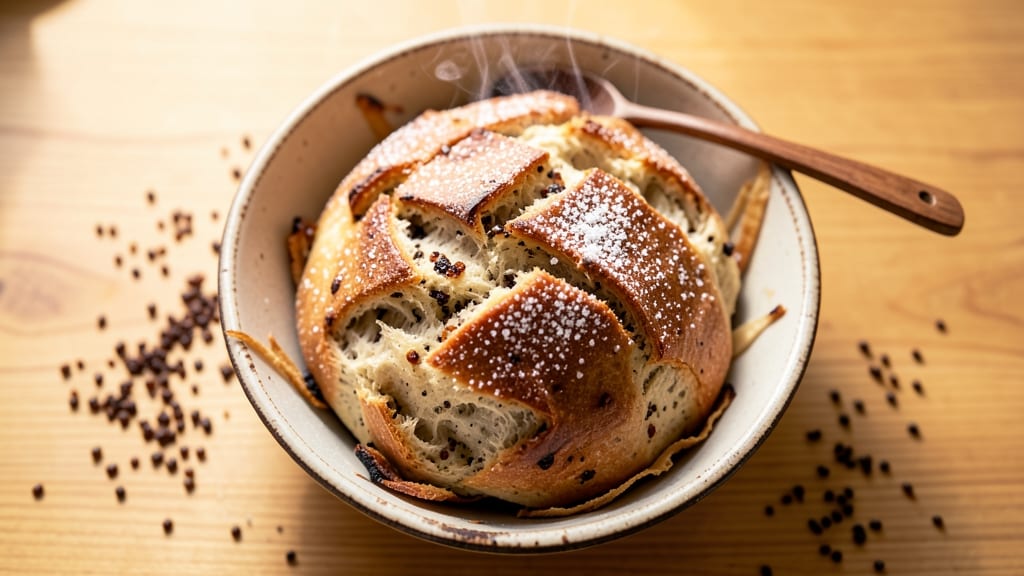
This baco bread recipe transforms simple dough into a chewy, buttery masterpiece with just 15 minutes of prep and a warm oven. The secret lies in the fermented fish paste—bagoong—which infuses every bite with a salty, umami richness that pairs perfectly with its soft, pillowy texture.
I developed this version to capture the soul of Filipino bakery baco bread while making it accessible for home bakers, using a no-knead method that yields consistent results every time.
The magic happens when the dough rests overnight, allowing the gluten to relax and the bagoong to meld into the flour. This slow fermentation creates that signature chewy bite and buttery swirls that make baco bread irresistible.
Unlike traditional versions, this recipe uses store-bought bagoong isda (fermented fish paste) for authenticity, though bagoong guinamos (shrimp paste) works beautifully for a milder flavor.
The dough is shaped into a log, swirled with butter, and baked until golden brown, resulting in a loaf that’s crisp on the outside and tender within.
What sets this baco bread apart is its balance of textures—soft yet chewy, with pockets of buttery richness that melt into every bite. The aroma alone will have your kitchen smelling like a Filipino bakery, and the flavor is a perfect harmony of savory, salty, and slightly tangy notes.
This bread is ideal for breakfast with coffee, as a snack with beer, or sliced thin for sandwiches. The best part? It keeps well for days, making it a staple for any pantry.
For those new to bagoong, start with a small batch to gauge your preference between the stronger bagoong isda and the milder bagoong guinamos. The dough is forgiving, but don’t skip the overnight rest—it’s the key to achieving that professional bakery texture.
Let’s get started on creating your own loaf of this beloved Filipino classic.
Ingredients for baco bread
Simple flour, fermented fish paste, and butter create this iconic Filipino bread masterpiece.
| Ingredient | Amount | Notes |
|---|---|---|
| All-Purpose Flour 🌾 | 4 cups | Spooned and leveled (not scooped) |
| Bagoong Isda 🐟 | ½ cup | Fermented fish paste (or guinamos for milder flavor) |
| Granulated Sugar 🍚 | ¼ cup | White or brown sugar |
| Instant Yeast 🍞 | ½ tsp | Not active dry yeast |
| Salt 🧂 | 1 ½ tsp | Fine sea salt preferred |
| Warm Water 💧 | 1 ½ cups | 110°F (43°C) for best activation |
| Unsalted Butter 🧈 | ½ cup | Cold, cubed (room temp for swirling) |
| Large Egg 🥚 | 1 whole | Room temperature preferred |
| Milk 🥛 | ¼ cup | Any kind (whole works best) |
| Vanilla Extract 🌸 | ½ tsp | Pure vanilla preferred |
| Cornstarch 🌽 | 1 tbsp | For dusting work surface |
Bagoong isda is the soul of this recipe—Filipino markets or specialty Asian stores carry it in jars. If you can't find it, bagoong guinamos (shrimp paste) gives a milder, sweeter flavor. The butter matters too—Land O'Lakes or Plugrá brands work well for that rich, swirled texture. For flour, grab a 5-pound bag from King Arthur—it's reliable and consistent. The yeast? Freshness is key—check the date on the package, and if it's past its prime, toss it. Warm water is crucial—too hot kills the yeast, too cold slows it down. Use a thermometer if you're unsure.
No bagoong? Anchovy paste at half the amount works in a pinch, though it's stronger. Out of butter? Coconut oil or vegan butter keeps the swirls but changes the flavor slightly. The egg can be replaced with 1 tbsp flaxseed meal + 3 tbsp water for a vegan version, but the texture will be slightly denser. For the milk, any kind works—dairy, almond, or oat—but whole milk gives the best richness. Vanilla extract is optional, but if you skip it, add a pinch of salt to balance the sweetness. The dough is forgiving, but don't rush the overnight rest—it's what makes this bread chewy and delicious.
This dough keeps beautifully—wrap tightly in plastic and refrigerate for up to 3 days before baking. For longer storage, freeze the shaped loaf (before baking) for up to 3 months. Thaw overnight in the fridge before baking. The baked loaf stays fresh for 3-4 days at room temperature, wrapped in a cloth. Slice it thin for sandwiches or toast it for breakfast—either way, it reheats best in a 350°F oven for 5-10 minutes to restore that bakery-fresh crunch.
Why You'll Love This Recipe
- No-Knead Magic: I swear by this dough—just mix, let it rise, and bake. The yeast does all the work while I sip coffee, and that bagoong isda paste? It’s the secret that turns simple flour into something irresistible.
- Umami Bomb: That salty, funky bagoong isda—it’s not just flavor, it’s the whole party. The sugar caramelizes just enough to balance the savory punch, and honestly? Every bite makes me want to steal another slice before anyone notices.
- Weeknight Hero: I make this when I’m too tired to think. Toss the dough together, let it proof overnight, and wake up to bread that’s crispy outside, soft inside—no fancy skills required. Perfect for lazy mornings or when my kids "forget" to eat their lunch.
- Budget Stretch: A single batch feeds my family for days. The ingredients cost pennies, and the leftovers? They disappear faster than my willpower when I’m craving something warm. Freeze slices too—just toast and enjoy, no extra effort.
Step-by-step instructions for baco bread recipe
Here's how to make this chewy, buttery swirl bread with minimal effort.
Mix the No-Knead Dough
In a large mixing bowl, combine the 4 cups all-purpose flour, 0.5 cup bagoong isda, 0.25 cup granulated sugar, 0.5 tsp instant yeast, and 1.5 tsp salt. Stir until the bagoong isda and sugar are evenly distributed throughout the flour mixture. This creates a flavorful base that will develop as the dough rises.
Next, make a well in the center and add the 1.5 cups warm water (about 110°F). Gradually mix the wet ingredients into the dry until a shaggy dough forms. The dough should be sticky but manageable—don't add extra flour or it will become dense. Let the dough rest for 5 minutes to hydrate fully. This resting period helps the gluten relax, making the dough easier to work with later.
Incorporate the Butter and Egg Mixture
In a separate small bowl, whisk together the 0.5 cup unsalted butter, 1 whole large egg, 0.25 cup milk, and 0.5 tsp vanilla extract. The butter should be cold but not frozen—this ensures it creates beautiful swirls when incorporated. Pour this mixture into the center of the rested dough and gently fold it in using a spatula or wooden spoon.
Once combined, the dough will become smoother and more cohesive. If it feels too sticky, wet your hands slightly to prevent sticking while handling. The butter should be evenly distributed, creating pockets that will develop into those signature swirls during baking. Avoid overmixing—just combine until the butter is fully incorporated and the dough holds together.
Shape and Swirl the Dough
Lightly dust your work surface with 1 tbsp cornstarch to prevent sticking. Transfer the dough onto the surface and gently pat it into a 12x8-inch rectangle, about ½-inch thick. This shape is crucial for creating even swirls. If the dough resists shaping, let it rest for 2-3 minutes to relax before continuing.
Starting from one of the long sides, tightly roll the dough into a log. Seal the seam by pinching it firmly. Cut the log into 4 equal pieces (about 3 inches each) and arrange them side by side in a 12x8-inch loaf pan. Gently press each piece into the pan to create a single, continuous swirl pattern. The dough should fit snugly in the pan—this ensures the swirls rise evenly during baking.
Let It Rise and Bake to Perfection
Cover the loaf pan tightly with plastic wrap and let the dough rise at room temperature for 1-2 hours, or until it has nearly doubled in size. You'll know it's ready when the dough feels springy to the touch and the swirls have visibly expanded. Avoid letting it rise too long—overproofing can cause the bread to collapse during baking.
Preheat your oven to 350°F and bake the bread for 40-45 minutes, until the top is golden brown and the internal temperature reaches 190°F. The bread should pull away slightly from the sides of the pan and have a crisp, buttery aroma. For extra browning, brush the top with a little milk or egg wash before baking. Let it cool in the pan for 10 minutes, then transfer to a wire rack to cool completely before slicing.
Pro Tips For Making Baco Bread
- STEAM THE BAGOONG FIRST: I learned this the hard way—skipping this step leaves your bread tasting flat and salty. Heat the bagoong in a dry pan for 2-3 minutes until it frays slightly and releases its deep umami aroma. This concentrates the flavor and makes the bread taste like it’s been simmered in fish sauce, not just sprinkled with it.
- DON’T OVERMIX THE DOUGH: After burning three batches with dense, gummy bread, I finally stopped overworking the dough. Mix just until the flour is mostly incorporated—lumps are fine—then fold in the bagoong by hand. Gluten develops fast, and this recipe relies on a tender crumb, not chewiness.
- USE COLD WATER FOR YEAST: My grandmother swore by this, and she was right: dissolve the instant yeast in ¼ cup cold water first, then mix it with the warm water called for in the recipe. The cold water temp-shocks the yeast into action faster, giving you a head start on rise time—especially useful when bagoong’s saltiness can slow fermentation.
- BRUSH WITH SUGAR WATER: Sounds weird, but it works: after shaping the loaves, brush the tops with a mix of 1 tablespoon sugar dissolved in 1 tablespoon water. The sugar caramelizes during baking, creating a glossy, crackly crust that’s way more impressive than plain flour dusting. Do this right before baking—no need to rush.
Perfect pairings for baco bread
Filipino Breakfast Pairings
Start your day with baco bread alongside classic Filipino breakfast staples. Serve warm slices with silog—your choice of garlic rice, tapa (cured beef), or longganisa (Filipino sausage).
The salty bagoong flavor complements the richness of these dishes beautifully. I love pairing it with tortang talong (eggplant omelet) for a lighter option that still feels indulgent. 🍳
Coffee and Tea Pairings
Baco bread is a match made in heaven with Filipino coffee like Barako or Kalsada. The bold, slightly bitter notes of these brews cut through the bread’s buttery richness. For tea lovers, hot pandan tea or hibiscus tea provides a refreshing contrast to the savory-sweet bagoong flavor.
Serve with a drizzle of condensed milk for that classic Filipino touch. ☕
Beer and Drink Pairings
For an evening snack, pair baco bread with San Miguel Pale Pilsen—its crisp, clean taste balances the umami depth of the bagoong. If you prefer something stronger, Lambanog (Filipino coconut vodka) adds a sweet, boozy contrast.
For non-alcoholic options, try calamansi juice or ginger beer to refresh your palate between bites. 🍺
Savory Spreads and Toppings
Enhance your baco bread with Filipino-style liver pâté, cheddar cheese, or sliced ham. Spread a thin layer of mango jam for a sweet-savory twist that’s popular in Filipino bakeries.
I also love adding crispy lechon bits or crumbled chorizo for extra texture and flavor. These toppings turn simple slices into a full meal. 🧀
Dessert Pairings
Yes, baco bread works as dessert too! Pair it with halo-halo (Filipino shaved ice dessert) for a sweet contrast. The creamy, fruity layers complement the bread’s buttery texture.
For a simpler option, serve with ube halaya (purple yam jam) or sago’t gulaman (tapioca and agar-agar dessert). The unexpected combo is surprisingly delicious. 🍧
Meal Prep Pairings
Use baco bread as a base for Filipino sandwiches—layer with tuna salad, egg salad, or sliced hot dogs. For a hearty lunch, pair with adobo chicken and steamed vegetables.
The bread’s chewy texture holds up well in meal prep, making it perfect for bento boxes or lunch wraps. Store leftovers in an airtight container for up to 3 days. 📦
Nutrition facts
Frequently asked questions about baco bread
What makes baco bread different from regular bread?
The star ingredient is bagoong—fermented fish or shrimp paste—that gives baco bread its signature salty, umami flavor. Unlike plain bread, it has a chewy texture with buttery swirls from the dough's unique shaping and baking process. The no-knead method also creates a lighter, more tender crumb than traditional kneaded breads.
Can I substitute bagoong isda with something else?
Yes! Bagoong guinamos (shrimp paste) works perfectly for a milder flavor. In a pinch, use ½ cup anchovy paste or 1 tbsp fish sauce mixed with 1 tsp sugar to mimic the taste. For a vegan option, try ½ cup miso paste (white or red) though the texture will differ slightly. The key is balancing saltiness with a touch of sweetness.
Why is my baco bread dense instead of chewy? Dense bread usually means overmixing the dough or skipping the rest periods.
How do I store leftover baco bread?
Wrap the baked loaf tightly in plastic wrap or place it in an airtight container to keep it fresh for 3-4 days at room temperature. For longer storage, freeze the shaped (unbaked) dough for up to 3 months or the baked bread for 2 months. Thaw overnight in the fridge and reheat slices in a 350°F oven for 5 minutes to restore freshness.
Can I make baco bread without a loaf pan?
Shape the dough into a round loaf or braid it for a free-form version. For best results:
- Roll the dough into a log,
- Cut into 4 pieces and braid them together, or
- Shape into a free-standing round. Bake on a parchment-lined tray for 35-40 minutes until golden. The texture will be slightly different but still delicious!