
Side Dishes
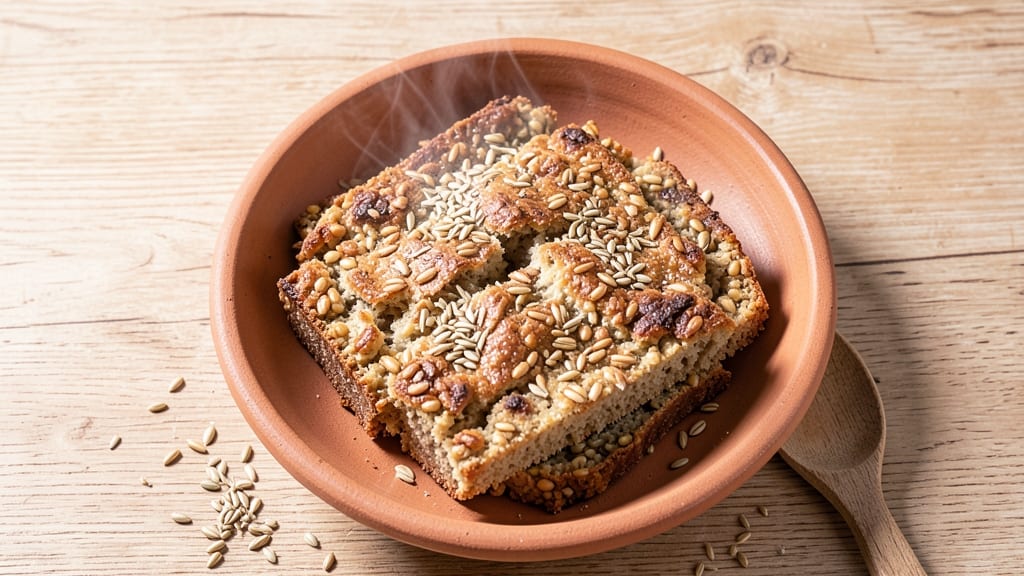
This Ayurvedic bread recipe transforms whole grains and warming spices into a nourishing, digestively balanced loaf that feels like a hug from tradition.
The secret lies in millet flour and cumin, which work together to create a bread that’s both hearty and light—perfect for balancing Vata dosha while satisfying modern cravings.
I developed this recipe during a particularly busy week when I needed something wholesome yet quick, and it became an instant staple in my home.
The beauty of this Ayurvedic-inspired bread is its versatility—it bakes up with a crispy crust and tender interior, infused with the earthy aroma of fennel and the gentle warmth of ginger.
Unlike dense whole wheat bread, this recipe uses a combination of millet and barley flour for a lighter texture while still delivering fiber, protein, and essential minerals. The dough comes together in just 10 minutes, with a 30-minute fermentation that enhances flavor without requiring overnight patience.
What makes this bread truly special is how it supports digestive health, a cornerstone of Ayurvedic practice. The spices not only add depth but also aid digestion, while the ancient grains provide sustained energy.
Whether you’re serving it with soups, using it for sandwiches, or simply enjoying it warm with ghee, this bread delivers both nutrition and comfort. The recipe adapts easily too—swap in flaxseed for eggs or adjust spice levels to suit your palate.
Ready in just 45 minutes from start to finish, this Ayurvedic bread proves that wholesome eating doesn’t have to be complicated. The first bite reveals layers of flavor—slightly sweet from the grains, aromatic from the spices, and perfectly balanced in texture.
It’s the kind of bread that makes you feel nourished inside and out, all while honoring time-honored traditions. Let’s get baking!
Ingredients for ayurvedic bread
Ancient grains and warming spices—just 13 ingredients for bread that nourishes body and soul.
| Ingredient | Amount | Notes |
|---|---|---|
| Millet Flour 🌾 | 1 ½ cups | Fine-ground for light texture |
| Barley Flour 🌾 | ½ cup | Adds subtle nutty depth |
| Whole Wheat Flour 🌾 | ½ cup | For structure and fiber |
| Active Dry Yeast 🍞 | 1 tbsp | Instant yeast works too |
| Warm Water 💧 | 1 ¼ cups | 110°F for optimal activation |
| Ground Fennel Seeds 🌿 | 1 tbsp | Freshly ground for aroma |
| Ground Cumin Seeds 🌶️ | 1 ½ tsp | Toasted for deeper flavor |
| Ground Ginger 🌿 | ½ tsp | Freshly grated preferred |
| Sea Salt 🧂 | 1 ½ tsp | Fine grain preferred |
| Honey 🍯 | 1 tbsp | Or maple syrup for vegan |
| Olive Oil 🫒 | ¼ cup | Extra-virgin for richness |
| Flaxseed Meal 🌱 | 1 tbsp | Mixed with 3 tbsp water |
| Sesame Seeds 🌰 | 1 tbsp | Toasted for garnish |
The flours here are the foundation, so millet flour is non-negotiable—it’s what gives this bread its signature lightness while keeping it hearty. Bob’s Red Mill or Navitas Organics are my go-tos for quality, but any reputable brand works. Barley flour adds that subtle nutty depth, and whole wheat keeps it substantial. If you can’t find barley flour, substitute more millet—just know the texture will be slightly denser. The yeast is the workhorse, so make sure it’s fresh: toss a pinch in warm water with a little sugar, and if it bubbles within 5 minutes, it’s good to go.
Spices are where this bread gets its magic—fennel and cumin are the stars, but ginger ties it all together. Toast your whole spices in a dry pan for 30 seconds before grinding to wake up their flavors. No fresh ginger? Ground ginger works at half the amount. The honey adds just enough sweetness to balance the earthy grains, but maple syrup or agave works beautifully if you’re avoiding honey. Flaxseed meal replaces eggs perfectly—just mix it with water and let it sit for 5 minutes to thicken. And if sesame seeds are out of reach, poppy seeds or sunflower seeds add a nice crunch instead.
This dough is forgiving but has a 30-minute fermentation window, so don’t rush it—let it rise at room temperature. Store leftovers in an airtight container for 3-4 days, or freeze slices wrapped in parchment for up to 3 months. I like to toast slices in the morning for extra crunch—olive oil spray and a pinch of salt in the toaster makes it feel like a treat. The bread reheats beautifully too: wrap in foil and warm in a 350°F oven for 5-7 minutes to restore that fresh-baked aroma.
Why You'll Love This Recipe
- No-Fuss Mixing: I swear by this combo—just toss the millet, barley, and whole wheat flours together, add yeast, and warm water. No sifting, no measuring cups, just a quick whisk and knead. Honestly, it’s the kind of recipe that lets me multitask while dinner waits.
- Earthy, Nutty Magic: That first bite? The barley brings a toasty depth, millet adds a subtle nuttiness, and whole wheat keeps it hearty. It’s not sweet, not overly tangy—just a warm, satisfying bread that tastes like a hug from your grandma’s kitchen.
- Weeknight Workhorse: Freeze half the batch for lazy mornings or reheat slices in a toaster for a quick snack. Serve it with lentil stews, curries, or even peanut butter—it’s the one bread that does it all without fuss.
- Pantry Staple Savings: No specialty ingredients needed—just what’s likely already in your cupboards. A single batch costs pennies and stretches for days, making it my go-to for feeding a family or stretching a budget. (Yes, even on a Tuesday night.)
Step-by-step instructions for Ayurvedic bread recipe
Let's create this nourishing bread with ancient grains and warming spices that balance all doshas.
Prepare the Flaxseed Egg and Activate the Yeast
In a small bowl, combine the 1 tablespoon flaxseed meal with 3 tablespoons water and stir well. Let it sit for 5 minutes until it thickens into a gel-like consistency—this acts as our egg substitute. Meanwhile, in a separate bowl, whisk together the 1.25 cups warm water (about 110°F) with the 1 tablespoon active dry yeast and 1 tablespoon honey. Let this mixture sit for 5-10 minutes until it becomes frothy and bubbles form at the surface.
This yeast activation is crucial—it jumpstarts fermentation and ensures your bread rises properly. If the water isn't warm enough, the yeast won't activate fully, and your bread may not rise. You'll know it's ready when the mixture looks like a bubbly, fizzy drink rather than flat water.
Mix the Wet and Dry Ingredients
In a large mixing bowl, combine the 1.5 cups millet flour, 0.5 cup barley flour, 0.5 cup whole wheat flour, 1 tablespoon ground fennel seeds, 1.5 teaspoons ground cumin seeds, 0.5 teaspoon ground ginger, and 1.5 teaspoons sea salt. Stir these dry ingredients together until they're evenly distributed.
In a separate small bowl, mix the flaxseed gel with the 0.25 cup olive oil. Then, pour the yeast mixture and the oil-flaxseed mixture into the dry ingredients. Using a wooden spoon or your hands, stir everything together until a shaggy dough forms. The dough will be sticky—this is normal due to the high moisture content from the flaxseed gel and warm water.
Knead and Rest the Dough
Turn the dough out onto a lightly floured surface and knead gently for 5-7 minutes until it becomes smooth and elastic. The dough should be soft but not overly sticky—add a little more millet flour if needed, but don't overdo it. Shape the dough into a round loaf and place it in a lightly oiled bowl.
Cover the bowl with a damp towel and let the dough rise in a warm place for 1-1.5 hours, or until it has doubled in size. You'll know it's ready when the dough springs back slowly when gently pressed. This resting period allows the gluten to relax and the yeast to ferment fully, creating that light, airy texture we want in our bread.
Shape and Proof the Loaf
Preheat your oven to 375°F and line a baking sheet with parchment paper. Once the dough has risen, punch it down gently to release any air bubbles. Shape it into an oval or round loaf and place it on the prepared baking sheet. Cover it again with the damp towel and let it proof for an additional 20-30 minutes until it rises slightly and looks puffy.
While the dough proofs, sprinkle 1 tablespoon sesame seeds on a small plate. Just before baking, gently press the sesame seeds onto the top of the loaf for added crunch and visual appeal. This step adds texture and a nutty flavor that complements the warm spices in the bread.
Bake to Golden Perfection
Bake the bread in the preheated oven for 30-35 minutes, until the top is golden brown and the internal temperature reaches 190°F when measured with an instant-read thermometer. The bread should sound hollow when tapped on the bottom—this is your cue that it's fully baked.
Remove the bread from the oven and let it cool on a wire rack for at least 10 minutes before slicing. This cooling period allows the bread to set properly, preventing it from becoming gummy. Once cooled, slice it into thick pieces and serve warm with your favorite spread or alongside a hearty soup. The aroma of the fennel, cumin, and ginger will fill your kitchen, creating a truly comforting experience.
Pro Tips For Making Ayurvedic Bread
- Mix Flours First: Mix the millet and barley flour before adding whole wheat—this prevents the heavier whole wheat from sinking to the bottom and creating a dense, uneven dough. I learned this the hard way when my first batch turned out like a brick.
- Bloom Yeast in Warm Water: Skip the dry yeast shortcut—activate it in warm water (around 105°F/40°C) with a pinch of sugar for 5-10 minutes until frothy. This guarantees it’s alive and working before mixing with the flours, saving you from a flat, sad loaf.
- Knead Just Enough: This isn’t pizza dough—overworking the millet and barley mix makes it tough. Knead by hand for 5-7 minutes until smooth but still slightly sticky; millet flour dries out fast, and forcing it leads to cracks.
- Use a Damp Cloth: Cover the dough with a damp cloth while rising, not plastic wrap. The millet and barley absorb moisture differently, and a dry surface = tough crust. Trust me, your bread will thank you.
Serving suggestions for this dish
Ayurvedic Spread Pairings
Top this bread with ghee or coconut oil warmed with a pinch of turmeric and black pepper—a classic Ayurvedic combo that enhances digestion and balances Vata.
For extra protein, spread with homemade almond butter mixed with honey and a dash of cardamom. These pairings amplify the bread’s warmth while adding depth. 🌿
Soup and Stew Companions
Serve warm slices alongside miso soup or lentil stew to create a complete, grounding meal. The bread’s mild sweetness contrasts beautifully with the umami richness of miso, while its texture holds up perfectly to hearty stews. I love pairing it with turmeric-infused vegetable soup for a vibrant, dosha-balancing dish. ✨
Breakfast Versatility
Toast thick slices and top with mashed banana + cinnamon, or avocado + chili flakes for a satisfying breakfast. The bread’s subtle spice complements sweet and savory toppings equally well. For extra indulgence, drizzle with maple syrup and crushed walnuts—a perfect balance of earthy and sweet. 🍌
Dinner Plating Ideas
Use as a base for Ayurvedic-style sandwiches with roasted sweet potatoes, sautéed spinach, and tahini dressing. For a lighter option, serve with grilled vegetables and a dollop of yogurt mixed with mint.
The bread’s neutral flavor lets other ingredients shine while adding substance to any plate. 🥗
Dessert Twist
Dip warm slices in sweetened coconut milk or rosewater syrup for a dessert-like treat. The spices in the bread pair surprisingly well with dark chocolate—try toasting slices and rubbing with cocoa powder before serving. This unexpected combo satisfies sweet cravings while keeping the meal balanced. 🍫
Storage and Reuse
Save leftovers by wrapping slices in parchment paper and storing in an airtight container for up to 4 days. Reheat in a toaster oven for 3-5 minutes at 350°F to restore freshness.
Crumbs make excellent thickeners for soups or breading for vegetable fritters—minimize waste by using every bit! 💡
Nutrition facts
Frequently asked questions
Can I make this Ayurvedic bread without yeast?
Yes! For a quick version, replace the yeast with 1 tablespoon baking soda and 1 tablespoon vinegar (or lemon juice). The dough will rise immediately, but the texture will be denser. For a more traditional approach, try a 30-minute sourdough starter instead—just mix equal parts starter and water, then proceed with the recipe. The flavor will develop differently but still be delicious.
How do I adjust this recipe for gluten-free baking?
Swap the millet and barley flours for a 1:1 gluten-free flour blend (like Bob’s Red Mill or King Arthur). Add 1 teaspoon xanthan gum to help bind the dough, and increase the flaxseed to 2 tablespoons for extra structure. The texture will be slightly denser, but still flavorful. Always check your blend’s hydration needs—some require more liquid than traditional flours.
Why did my Ayurvedic bread turn out dense?
Dense bread usually means one of three things: the yeast didn’t activate (water too hot/cold), you didn’t knead enough, or the dough didn’t rise long enough. Double-check your yeast by testing it in warm water with sugar—it should bubble within 5 minutes. Also, ensure your oven is fully preheated to 375°F and the dough rises until doubled (1-1.5 hours). A food thermometer helps too—bake until internal temp reaches 190°F.
Can I use this bread for sandwiches?
The mild sweetness and light texture make it perfect for sandwiches. Try it with hummus + roasted veggies, avocado + chili flakes, or Ayurvedic-style fillings like spiced lentils and tahini. Toast slices lightly before assembling to prevent sogginess. For extra flavor, brush with garlic-infused olive oil before serving.
What’s the best way to store and reheat this bread?
Wrap cooled slices in parchment paper and store in an airtight container at room temperature for 3-4 days. For longer storage, freeze slices (up to 3 months)—thaw overnight in the fridge. To reheat, wrap in foil and warm at 350°F for 5-7 minutes or use a toaster oven for 3-5 minutes. Avoid the microwave—it makes the bread gummy.