
Side Dishes
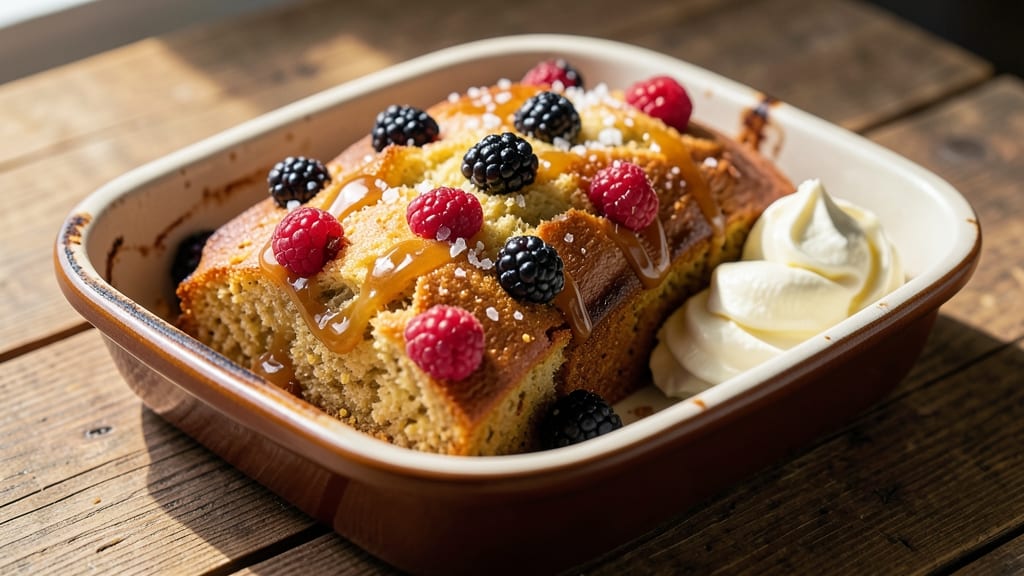
This award-winning sweet cornbread recipe delivers a perfectly golden crust and buttery swirls that make every bite irresistible. 🌟 The secret lies in combining cornmeal with all-purpose flour for that signature texture—tender yet crumbly, with just the right amount of sweetness to satisfy any craving.
I developed this recipe after years of perfecting the balance between moist crumb and crispy edges, ensuring it stands out at any table. What sets this apart is the buttery swirl technique, where melted butter and brown sugar create pockets of rich flavor throughout each slice.
The recipe is beginner-friendly but includes professional touches like proper mixing methods and precise baking times to guarantee consistent results. Whether served warm with honey butter or as a side to barbecue, this cornbread is designed to impress.
The baking process is straightforward: mix, pour, and bake at 375°F for 20-25 minutes until the edges are golden and a toothpick comes out clean.
The key to success is using room-temperature butter and letting the batter rest for 10 minutes before baking—this ensures a light, airy texture that’s hard to resist. Every batch turns out with that signature slightly sweet, buttery richness that makes it award-worthy.
Perfect for holidays, potlucks, or a cozy weekend breakfast, this recipe scales easily for any occasion. The combination of warm spices and creamy butter makes it a crowd-pleaser, and the golden-brown crust adds that professional touch. Let’s get baking!
Ingredients for award winning sweet cornbread
Sixteen ingredients for a showstopping cornbread with signature buttery swirls and golden crust.
| Ingredient | Amount | Notes |
|---|---|---|
| All-Purpose Flour 🌾 | 1 ½ cups | Sifted for light texture |
| Fine Yellow Cornmeal 🌽 | 1 ½ cups | Stone-ground preferred |
| Granulated Sugar 🍚 | ¾ cup | White or light brown |
| Light Brown Sugar 🍯 | ¼ cup | Packed firmly |
| Unsalted Butter 🧈 | ¾ cup | Room temperature, melted |
| Large Eggs 🥚 | 2 whole | Room temperature |
| Buttermilk 🥛 | 1 cup | Fresh or homemade |
| Baking Powder 🧂 | 2 tsp | Diamond Crystal preferred |
| Ground Cinnamon 🌿 | 1 tsp | Freshly ground |
| Ground Nutmeg 🌿 | ¼ tsp | Freshly grated |
| Salt 🧂 | ½ tsp | Kosher or sea salt |
| Vanilla Extract 🌸 | 1 tsp | Pure vanilla preferred |
| Coarse Sugar 🍚 | ¼ cup | For topping |
| Flaky Sea Salt 🧂 | 1 tsp | For finishing |
The cornmeal is non-negotiable—stone-ground brands like Bob's Red Mill deliver that authentic crumb. For the butter, room temperature is critical—soften it in the microwave for 40 seconds if needed. The buttermilk should be fresh (or homemade with lemon juice and milk) for optimal tang. Whole Foods or King Arthur Flour carry excellent stone-ground cornmeal, but any quality brand works. For the sugar, light brown adds subtle molasses notes, while coarse sugar on top creates that signature crunch. Always measure baking powder by weight if possible—Diamond Crystal is lighter than other brands, so use the spoon-and-level method.
No buttermilk? Substitute with 1 cup milk plus 1 tbsp vinegar or lemon juice, let sit 5 minutes. Short on vanilla? Vanilla bean paste works too, though pure extract is ideal. The cinnamon and nutmeg should be freshly ground for maximum aroma—pre-ground spices lose potency quickly. For a deeper flavor, toast the cornmeal in a dry pan for 2-3 minutes before mixing. The coarse sugar topping can be swapped for crushed pecans if you prefer a nutty crunch. If you're baking at high altitude, increase the baking powder to 2.5 tsp for proper rise.
This batter holds well for up to 24 hours in the fridge—perfect for overnight prep. For best results, let it rest at room temperature for 10 minutes before baking. The cornbread reheats beautifully: wrap cooled slices in foil and warm in a 350°F oven for 5-7 minutes. Store leftovers in an airtight container for 3 days, or freeze for 3 months. The golden crust stays crisp for 2 days if kept in a sealed container. For serving, brush warm slices with melted butter and sprinkle with flaky sea salt—trust me, it's worth the extra minute.
Why You'll Love This Recipe
- Sweet Spot Simplicity: I swear by this recipe because it’s the kind of baking that doesn’t demand perfection—just a bowl, a whisk, and 10 minutes of hands-off time. The cornmeal and flour mix is foolproof; no fancy sifting or measuring cups that leave you guessing.
- Buttery-Sweet Magic: That combo of brown sugar and melted butter? It’s what turns this from good cornbread to ridiculously good. The crust gets just enough golden crispness, while the inside stays tender—like a hug from a Southern grandma, but with less guilt.
- Breakfast to Brunch: Honestly, I make this for everything. Toast it with jam for a lazy morning, serve it alongside chili for a hearty dinner, or slice it into squares for a crowd-pleasing dessert. The sugar keeps it sweet enough to eat any time of day.
- Zero-Waste Winner: Between us, this recipe uses pantry staples that won’t break the bank, and the leftovers? They last forever. I’ll wrap a loaf and freeze it for weeks—perfect for when I’m too tired to bake or need a quick treat. Plus, the cornmeal makes it feel special without the fuss.
Step-by-step instructions for award-winning sweet cornbread
Here's the method that delivers a golden crust and buttery swirls every time.
👨🍳 Step 1: Create the Dry and Wet Batters Separately
In a large mixing bowl, whisk together the 1.5 cups all-purpose flour, 1.5 cups fine yellow cornmeal, 2 tsp baking powder, 0.5 tsp salt, 1 tsp ground cinnamon, and 0.25 tsp ground nutmeg. Sift the dry ingredients through a fine-mesh sieve directly into the bowl to ensure a light, aerated texture—this prevents dense pockets in your cornbread. Set aside.
In a separate medium bowl, combine the 1 cup buttermilk, 2 whole large eggs, 1 tsp vanilla extract, 0.75 cup granulated sugar, and 0.25 cup light brown sugar. Whisk vigorously for 30 seconds until fully blended. The buttermilk should be completely incorporated, and the mixture should appear smooth and slightly thickened. Let this sit for 5 minutes while you prepare the butter swirl.
🍳 Step 2: Melt Butter and Prepare the Swirl
Melt the 0.75 cup unsalted butter in the microwave in 20-second intervals, stirring between each, until completely liquid but not hot to the touch. Transfer to a small bowl and let it cool slightly—this prevents cooking the eggs when combined. In a separate small bowl, mix 0.25 cup coarse sugar with 1 tsp flaky sea salt for the topping.
Here's the secret to those signature swirls: drop 2 tablespoons of the melted butter into the center of the dry ingredient bowl. Using a fork, gently draw the butter from the center toward the edges, creating a marbled effect. Repeat this process 3-4 times until the butter is well distributed but still forms distinct ribbons when the batter is poured. This creates those beautiful buttery pockets when baked.
🥘 Step 3: Combine Batters and Pour into Pan
Gradually pour the wet ingredients into the dry ingredients while gently folding with a rubber spatula. Mix just until combined—do not overmix—as this develops gluten and creates a tough cornbread. The batter should be thick but pourable, with a few lumps remaining. If it appears too thick, add 1 tablespoon of buttermilk to loosen it.
Preheat your oven to 425°F and lightly grease a 9-inch cast-iron skillet or baking dish with butter or oil. Pour the batter into the prepared pan and smooth the top with a spatula. Sprinkle the reserved coarse sugar and flaky sea salt mixture evenly over the top. The sugar will caramelize beautifully during baking, while the salt enhances the buttery flavor.
🔥 Step 4: Bake Until Golden and Springy
Bake for 20-25 minutes until the edges are deep golden brown and a toothpick inserted in the center comes out clean. The cornbread is ready when it springs back slightly when pressed in the center—this indicates proper doneness. If the top browns too quickly, tent the pan with aluminum foil during the last 5-10 minutes of baking.
I like to rotate the pan halfway through baking to ensure even browning. The butter swirls should be visible through the crust, and the sides should pull away slightly from the pan. Remove from the oven and let rest for 10 minutes before serving. This resting period allows the cornbread to set properly and makes slicing easier.
⏰ Step 5: Serve Warm for Maximum Flavor
Slice the cornbread into 6 equal wedges and serve immediately. The interior should be moist with pockets of buttery goodness, while the exterior boasts a crisp, caramelized crust. Each bite should deliver a perfect balance of sweetness from the sugars, warmth from the spices, and richness from the butter swirls.
For best results, serve warm with honey butter or fresh berries. If storing, keep wrapped at room temperature for up to 3 days or freeze for up to 3 months. The flavor actually improves slightly the next day as the spices mellow and the sugars caramelize further.
Pro Tips For Making Award Winning Sweet Cornbread
- Preheat the Pan: I learned this the hard way—skip it, and your cornbread will steam instead of brown. Heat your cast-iron or baking dish over medium-high for 3-4 minutes with a pat of butter before pouring in the batter. That initial sizzle locks in that caramelized crust everyone loves.
- Whisk the Dry Ingredients: Don’t just dump the flour and cornmeal into the wet mix like I used to. Whisk them together first—especially that fine yellow cornmeal—so they blend evenly. Lumps in the batter mean pockets of dryness, and nobody wants a crumbly center in their sweet cornbread.
- Butter the Pan Twice: Slather the hot pan with butter once, then wipe it out with a paper towel. Add another thin layer of melted butter before pouring the batter. The first coat prevents sticking; the second guarantees that buttery, golden crust. (Yes, it’s extra work, but your guests won’t notice the effort.)
- Bake Until the Edge Springs: That 18-20 minutes on the recipe card? Forget it. Your oven’s hot spots matter more. The cornbread’s done when the edge springs back when pressed—not when the center jiggles. Pull it out early, tent with foil, and let it rest 5 minutes. Overbaking turns sweet cornbread into a brick.
Common mistakes when making this dish
Overmixing the Batter
I can't stress enough how critical it is to mix just until combined—overmixing develops gluten, which makes cornbread tough instead of tender. Once you've incorporated all ingredients, stop mixing immediately when you see a few small lumps remain.
Think of the ideal texture as "slightly underdone" dough. I've ruined batches by mixing for 30 extra seconds, and the result was dense, cake-like cornbread instead of the light, crumbly texture we want. 🌾
Skipping the Resting Time
Letting the batter rest for 10 minutes before baking is non-negotiable for that perfect crumb structure. This short wait allows the flour to hydrate properly and the baking powder to activate fully. I've seen home cooks impatiently rush to the oven, only to get a cornbread with a sunken center.
For even better results, let it rest at room temperature while you preheat your oven—this small step makes a huge difference in texture.
Incorrect Butter Temperature
Using butter that's too hot will cook your eggs and create a scrambled texture in the batter. Always melt butter in 20-second intervals and let it cool slightly before combining.
I've made this mistake by microwaving butter too long, and the result was a slightly cooked batter that didn't rise properly. For the swirl technique, you want the butter to be liquid but not hot—it should be cool enough to touch without burning your finger.
Room-temperature butter is ideal for this recipe.
Underbaking or Overbaking
The 20-25 minute bake time is a guideline, but visual cues matter more. Cornbread is done when it's golden brown at the edges and springs back slightly when pressed in the center.
I've seen people pull cornbread out too early (resulting in a gummy center) or too late (creating a dry, overbaked crust). If the top browns too quickly, tent with foil for the last 5-10 minutes—this helps the center cook through while preventing excessive browning.
Wrong Pan Choice
A 9-inch cast-iron skillet is ideal because it conducts heat evenly and creates that perfect crust. I've made cornbread in glass dishes and metal baking pans, and the results were noticeably different—the crust wasn't as crispy, and the edges didn't brown as evenly.
If you don't have cast iron, a heavy oven-safe skillet works well. Just be sure to grease it thoroughly with butter or oil to prevent sticking, especially with the buttery swirl technique.
Ignoring the Sugar Topping
The coarse sugar and flaky sea salt topping isn't just decoration—it creates that signature caramelized crust that makes this cornbread award-worthy. I've skipped this step before, thinking it was optional, and the cornbread lacked that professional finish.
The sugar caramelizes during baking, adding sweetness and texture, while the salt enhances all the buttery flavors. Sprinkle it evenly right before baking for the best results. ✨
Nutrition facts
Frequently asked questions
Can I make this sweet cornbread without buttermilk?
Mix 1 cup milk with 1 tablespoon vinegar or lemon juice, then let it sit for 5 minutes to curdle. This homemade substitute works perfectly and maintains the same tangy flavor. For extra richness, use whole milk instead of skim. The texture will be just as tender with this swap.
How do I achieve that perfect golden crust?
The secret is baking at 425°F in a 9-inch cast-iron skillet and using the coarse sugar topping. The high heat caramelizes the sugar while the cast iron creates even browning. Brush the crust with melted butter during the last 2 minutes of baking for extra shine. Rotate the pan halfway through for even color.
Can I substitute cornmeal with something else?
For best results, stick with fine yellow cornmeal—it gives that signature crumbly texture. However, you can replace up to ½ cup with semolina or polenta for a slightly different texture. Never use instant cornmeal as it lacks the proper grit. The cornmeal-to-flour ratio is crucial for that authentic taste and texture.
Why does my cornbread turn out dense?
Overmixing is the #1 cause of dense cornbread. Mix just until combined—stop when small lumps remain. Also check your baking powder (use Diamond Crystal brand) and make sure your butter isn't too hot when combining. Let the batter rest 10 minutes before baking, and use a properly greased cast-iron skillet for even heat distribution.
How should I store and reheat leftovers?
Wrap cooled slices in foil and reheat at 350°F for 5-7 minutes for that fresh-from-oven texture. Store in an airtight container at room temperature for 3 days or freeze for 3 months. For microwave reheating, cover with a damp paper towel and heat for 15-20 seconds—this prevents drying out.