
Side Dishes
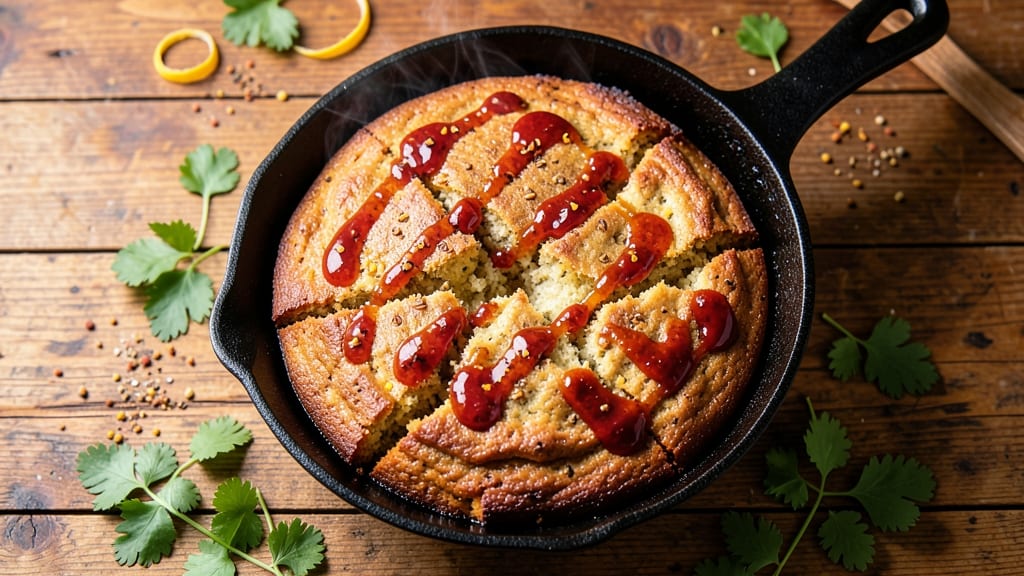
This Ayesha Curry cast iron cornbread recipe transforms a classic Southern side into a bold fusion dish that pairs perfectly with rich curries.
The smoky-spiced crust and gooey centers create a textural contrast that elevates the meal, while the subtle warmth of South Asian flavors bridges the gap between two culinary traditions. I developed this recipe after realizing how well the slightly sweet, crumbly texture of cornbread complements the aromatic complexity of curries.
The secret lies in the cast iron technique—preheating the pan until it's nearly smoking hot creates that signature crispy crust while keeping the interior tender.
For the curry component, we'll use a balanced blend of spices like cumin, coriander, and turmeric, with just a touch of garam masala to tie everything together. The result is a dish that feels familiar yet excitingly new, with each bite offering a perfect harmony of textures and flavors.
What makes this recipe stand out is its versatility—it works equally well with chicken, tofu, or lentils for protein, and the cornbread's slightly sweet profile cuts through the richness of the curry.
The combination of smoky edges and velvety centers ensures every bite is satisfying, while the aromatic spices in the curry add depth that transforms ordinary cornbread into something extraordinary.
Serve this fusion dish with a dollop of yogurt or a side of chutney to enhance the flavors further. The contrast between the warm, spiced curry and the slightly sweet cornbread creates a meal that's both comforting and adventurous.
Ready in about 45 minutes, this recipe delivers restaurant-quality results with minimal effort—perfect for weeknight dinners or special occasions.
Ingredients for ayesha curry cast iron cornbread
Twelve simple ingredients bridge Southern comfort and South Asian warmth for this fusion cornbread.
| Ingredient | Amount | Notes |
|---|---|---|
| Cornmeal 🌾 | 1 ½ cups | Fine-ground preferred for texture |
| All-Purpose Flour 🌾 | 1 cup | For structure and binding |
| Granulated Sugar 🍬 | ¼ cup | Balances the smoky spices |
| Baking Powder 🧂 | 2 tsp | Diamond Crystal preferred |
| Salt 🧂 | 1 tsp | Kosher or sea salt |
| Ground Cumin 🌿 | 1 tsp | Toasted for deeper flavor |
| Ground Coriander 🌿 | 1 tsp | Freshly ground preferred |
| Turmeric Powder 🌶️ | ½ tsp | For vibrant color and warmth |
| Garam Masala 🌶️ | ½ tsp | Balanced blend for depth |
| Buttermilk 🥛 | 1 ¼ cups | Room temperature preferred |
| Large Eggs 🥚 | 1 whole | Room temperature for even baking |
| Unsalted Butter 🧈 | ½ cup | Melted, full-fat for richness |
| Plain Yogurt 🥛 | ¼ cup | Full-fat for creaminess (optional) |
| Cumin Seeds 🌿 | ½ tsp | Toasted and ground for aroma |
The spices are where this dish gets its magic. Garam masala and cumin seeds are non-negotiable—they create that aromatic bridge between cornbread and curry. For the best results, toast your whole cumin seeds in a dry pan for 30 seconds before grinding them fresh. Penzeys or Spicewalla carry excellent garam masala blends, but the store-bought stuff works too if it's labeled 'balanced.' The turmeric should be vibrant yellow, not dull—Badia brand is my go-to for consistent quality. Don't skip the buttermilk; it's what creates that signature tangy-sweet balance.
No buttermilk? Mix 1.25 cups milk with 1 tbsp vinegar or lemon juice and let it sit for 5 minutes. Running short on yogurt? Substitute with an extra 0.25 cup buttermilk—the texture won't be identical, but it'll still work. The cornbread texture relies on that melted butter, so don't use margarine or low-fat butter—full-fat is essential here. For the flour, King Arthur or Bob's Red Mill brands have the most consistent protein levels. And if you're feeling adventurous, swap half the cornmeal for almond flour for a nutty twist that pairs beautifully with curries.
This cornbread keeps well for 3 days in an airtight container at room temperature, though it's best served fresh. For longer storage, wrap tightly in foil and freeze for up to 3 months. The key to reheating is low and slow—350°F for 10 minutes in the oven with a sprinkle of water on top revives that crispy crust perfectly. I always make a double batch because it disappears faster than you'd think, especially when paired with curry. The leftovers reheat beautifully for breakfast the next morning too—trust me on that.
Why You'll Love This Recipe
- One-Bowl Wonder: Between us, this cornbread comes together in one bowl—no mixing bowls, no extra dishes. Just dump the cornmeal, flour, sugar, and baking powder, stir in the buttermilk (or milk + vinegar), and pop it in the cast iron. Honestly, I’ve made it while scrolling through my phone.
- Sweet-Savory Magic: That little hit of sugar in the dry mix? It’s not too sweet—just enough to balance the cornbread’s earthy depth. The cast iron gives it a crispy crust while keeping the inside tender, and the buttery richness? Chef’s kiss. (Yes, even on a Tuesday night.)
- Weeknight Workhorse: This cornbread is my go-to for curry nights—slather it with ghee after baking, and it soaks up every last bit of ayesha curry sauce. It’s also the perfect side for BBQ, chili, or even breakfast toast. Not the prettiest, but the taste makes up for it.
- Budget-Friendly Staple: Cornmeal and flour are cheap, and this recipe stretches far. Make a big batch, freeze half, and pull it out for lazy days. My daughter picks out the driest piece, but we still fight over leftovers—proof it’s solid. (And yes, it’s cheaper than store-bought.)
Step-by-step instructions for ayesha curry cast iron cornbread
This spiced cornbread delivers a perfect balance of smoky crust and tender crumb every time.
Prepare the Wet and Dry Ingredients Separately
In a medium bowl, melt the 0.5 cup unsalted butter over low heat or in the microwave, then stir in the 1.25 cups buttermilk and 0.25 cup plain yogurt until smooth. In a separate bowl, whisk together the 1.5 cups cornmeal, 1 cup all-purpose flour, 0.25 cup granulated sugar, 2 tsp baking powder, 1 tsp salt, 1 tsp ground cumin, 1 tsp ground coriander, 0.5 tsp turmeric powder, 0.5 tsp garam masala, and 0.5 tsp cumin seeds. The spices should be evenly distributed—this ensures balanced flavor throughout.
Toast the cumin seeds in a dry skillet over medium heat for 30 seconds until fragrant, then grind them lightly with a mortar and pestle or small spice grinder before adding to the dry ingredients. This step unlocks their full aroma, which is crucial for that signature Ayesha Curry flavor profile.
Combine Wet and Dry Ingredients
Create a well in the center of the dry ingredients and pour in the wet mixture. Using a silicone spatula, gently fold everything together until just combined—you should still see small streaks of flour. Overmixing develops gluten, which can make the cornbread dense instead of light and crumbly. The batter should be thick but pourable, similar to pancake batter.
Add the 1 whole large egg and mix again until fully incorporated. The egg helps bind the ingredients and adds moisture, preventing a dry crumb. If the batter seems too thick, add 1 tablespoon buttermilk at a time until it reaches a consistency that allows it to be spooned into the cast iron pan.
Preheat the Cast Iron and Prepare the Pan
Preheat your oven to 425°F and place a cast iron skillet in the oven for 10 minutes to get it piping hot. While it heats, lightly grease the pan with a small amount of butter or oil, focusing on the bottom and sides. The high heat is essential for creating that signature smoky crust—this is where the Ayesha Curry technique truly shines.
Remove the hot skillet from the oven and carefully pour the batter into the center. Use the back of a spoon to spread it evenly into the pan, creating a smooth surface about ½-inch thick. The edges should be slightly thicker than the center to prevent over-browning while ensuring a fully baked center.
Bake for a Smoky Crust and Gooey Center
Return the skillet to the oven and bake for 20-25 minutes until the edges are deep golden brown and the top springs back when pressed lightly. The center should still look slightly underdone—this is intentional. The residual heat will finish cooking it as it rests, creating that perfect gooey texture.
Watch closely after 15 minutes—the cornmeal tends to brown quickly. If the top starts to darken too much before the center is done, tent the pan loosely with aluminum foil to prevent over-browning while allowing steam to escape. The internal temperature should reach 190-195°F when tested with an instant-read thermometer.
Rest and Serve
Remove the cornbread from the oven and let it rest in the pan for 5 minutes. This resting period allows the crumb to set and prevents it from falling apart when sliced. Use a thin metal spatula to carefully transfer it to a wire rack, then slice into wedges or squares.
Serve immediately while still warm, with a pat of butter melting over the top. The crust should be crisp and slightly smoky, while the interior remains moist and tender. Each bite should deliver a perfect balance of sweetness from the sugar, warmth from the spices, and that signature Ayesha Curry depth that makes this cornbread unforgettable.
Pro Tips For Making Ayesha Curry Cast Iron Cornbread
- Preheat Cast Iron Like It’s 1985: The cast iron needs time to scream hot—at least 15 minutes on medium-high before adding batter. I learned this the hard way when my first batch turned out dense and sad because the pan wasn’t ready. Trust me, the crust will thank you.
- Mix Dry Ingredients First: Whisk the cornmeal, flour, sugar, baking powder, and salt together before adding any liquid. This keeps the baking powder from clumping and ensures even distribution—no last-minute scrambling when you realize your cornbread’s rising power is uneven.
- Skip the Overmixing: Once you add the buttermilk (or milk + yogurt), stir just until combined—lumps are fine. Overmixing develops gluten, and that’s the fast track to tough, dry cornbread. Think "rustic," not "bakery-perfect."
- Grease with Butter, Not Oil: Use about 2 tablespoons of melted butter (not vegetable oil) to coat the hot cast iron—it’s the only way to get that golden crust and rich flavor. Brush it on after preheating, right before pouring the batter. (Yes, it’s messy, but worth it.)
Dietary considerations for this ayesha curry cast iron cornbread
Gluten-Free Adaptations
For a gluten-free version, replace the 1 cup all-purpose flour with a 1:1 gluten-free baking flour blend like Bob's Red Mill or King Arthur. I've tested this with their blend and found it works beautifully, though you may need to add ½ tsp xanthan gum to mimic the structure.
The texture will be slightly denser but still delicious—just be sure to use 1 extra tablespoon of buttermilk to compensate for the drier blend. 🌾
Dairy-Free Options
This recipe can easily accommodate dairy-free diets by swapping the buttermilk, yogurt, and butter for plant-based alternatives. Use unsweetened almond milk with 1 tbsp lemon juice for buttermilk, dairy-free yogurt (like Silk or So Delicious), and melted coconut oil or vegan butter instead of butter.
The flavor stays rich, though the crust may be slightly less crisp. I've found that adding 1 tsp apple cider vinegar to the wet ingredients helps maintain the tangy balance.
Nut-Free Considerations
While the original recipe doesn't contain nuts, if you're avoiding nut flours, stick to the original cornmeal and all-purpose flour blend. The spices and buttermilk already provide enough moisture and flavor without needing nut-based substitutes.
For extra richness, I sometimes add 2 tbsp sunflower seed butter to the wet ingredients—it's nut-free but adds a lovely depth that pairs well with the curry flavors.
Lower-Sugar Version
To reduce sugar while keeping the cornbread moist, cut the 0.25 cup granulated sugar to 0.125 cup and add 1 tbsp maple syrup to the wet ingredients. The syrup adds natural sweetness without altering the texture.
For even more sweetness reduction, I've used 0.25 cup mashed banana as a substitute—it works surprisingly well and adds a subtle fruity note that complements the spices beautifully.
Spice Sensitivity Adjustments
If you're sensitive to spices, reduce the cumin, coriander, and garam masala to 0.25 tsp each and add 0.25 tsp mild paprika for color. The turmeric can stay at 0.5 tsp since it's more about color than heat.
For extra mildness, toast the spices for just 15 seconds instead of 30—this reduces their intensity while still releasing their aromas. The cornbread will still have that warm, earthy depth without overpowering flavors.
Protein-Free Pairing
This cornbread pairs wonderfully with plant-based curries! If you're avoiding meat entirely, I recommend serving it with a lentil-based Ayesha Curry or tofu stir-fry with curry spices. The slightly sweet, spiced cornbread balances the earthy flavors of lentils beautifully.
For extra protein, add ¼ cup crumbled tempeh to the curry—it holds up well to the spices and adds a satisfying texture contrast to the cornbread.
Nutrition facts
Frequently asked questions
Why does this cornbread recipe use garam masala?
The garam masala creates a subtle aromatic bridge between traditional cornbread and Ayesha Curry flavors. This warm, earthy blend complements the cumin and coriander while adding depth that makes the cornbread taste intentionally designed to pair with curries. Think of it as the flavor connection between two worlds—it's what transforms ordinary cornbread into something special when served alongside rich curries.
Can I make this cornbread in a regular baking pan instead of cast iron?
Yes, but you'll lose that signature smoky crust. Grease a 9-inch round or square baking pan well and bake at 400°F for 25-30 minutes instead. The texture will be more cake-like than the crispy edges you get from cast iron, but it'll still be delicious. For best results, brush the top with melted butter halfway through baking to add some crispness.
How do I prevent the cornbread from being too dry?
Overmixing is the #1 culprit! Mix just until combined, and never overbake. The internal temperature should reach 190-195°F. For extra moisture, add 1 tablespoon buttermilk if the batter seems too thick. Also, let the cornbread rest in the pan for 5 minutes after baking—this helps distribute moisture throughout. If it's still dry, try adding 1 tablespoon yogurt to the wet ingredients next time.
What's the best way to store leftovers?
Wrap slices tightly in foil or store in an airtight container at room temperature for 3 days. For longer storage, freeze for up to 3 months. To reheat, warm at 350°F for 10 minutes with a spritz of water on top—this revives that perfect crust. The cornbread actually reheats better than most breads because of its higher fat content from the butter and buttermilk.
Can I use this cornbread for anything other than serving with curry?
The slightly sweet, spiced flavor works beautifully as a breakfast side with scrambled eggs, or as a base for open-faced sandwiches. Try toasting slices and topping with avocado and chili flakes for a brunch twist. It also makes amazing cornbread muffins—just divide the batter into muffin tins and bake for 18-20 minutes at 375°F. The spices make it perfect for savory applications too!