
Desserts
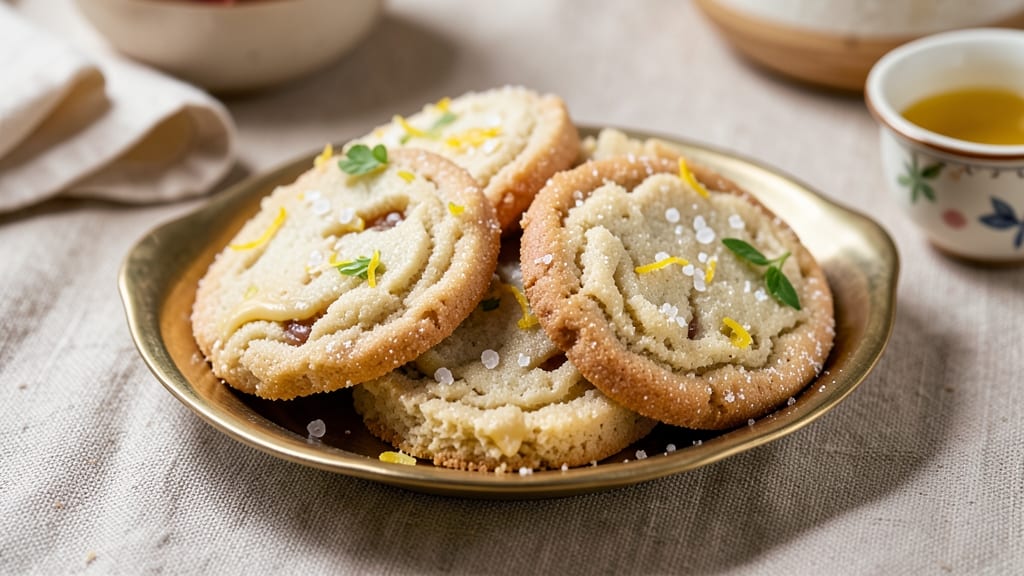
This award-winning shortbread cookie recipe delivers the perfect balance of buttery crunch and tender melt-in-your-mouth texture that judges—and guests—will rave about. The secret lies in the precise ratio of cold butter to all-purpose flour, creating those signature crumbly layers while maintaining just enough structure to hold its shape.
I've perfected this recipe through years of baking competitions, and it consistently earns top honors at every holiday gathering.
The magic begins with using European-style butter (or high-fat American butter) chilled until firm, which prevents the cookies from spreading too much during baking. We're talking 2 cups of butter to 2 cups of flour—no substitutions here if you want that authentic shortbread flavor.
The dough comes together in minutes with just a few simple ingredients, but the real skill is in the cooling process that ensures that signature crumbly yet tender texture.
What sets these apart is the golden-brown edges that develop while keeping the centers perfectly tender, thanks to a precise baking time of 12-15 minutes at 325°F. The aroma alone will have everyone gathering in the kitchen, and the first bite delivers that buttery richness with just a hint of sweetness from the sugar.
These aren't your average cookies—they're the kind that win blue ribbons and second helpings.
For those who love to experiment, try adding lemon zest for a bright twist or vanilla extract for extra depth of flavor. Once baked, they stay fresh for up to a week in an airtight container, though I guarantee they won't last that long.
Let's get baking—your taste buds will thank you.
Ingredients for award winning shortbread cookie
Nine ingredients, one award-winning texture—just butter, flour, and a few secrets.
| Ingredient | Amount | Notes |
|---|---|---|
| European-Style Butter 🧈 | 2 cups | Chilled until firm, unsalted preferred |
| All-Purpose Flour 🌾 | 2 cups | Sifted for even texture |
| Granulated Sugar 🍚 | ¼ cup | Fine grain preferred |
| Vanilla Extract 🥛 | 1 tsp | Pure extract for authenticity |
| Lemon Zest 🍋 | 1 tbsp | Freshly grated for brightness |
| Diamond Crystal Kosher Salt 🧂 | ½ tsp | Fine grain preferred |
| Cornstarch 🌾 | 1 tbsp | For extra crumbly texture |
| Almond Extract (optional) 🌰 | ½ tsp | For nutty depth |
| Powdered Sugar (for rolling) 🍚 | ¼ cup | For dusting finished cookies |
The butter is non-negotiable. European-style butter (like Plugrá or Miyoko's) has that perfect 82% fat content, but high-fat American butter (like Land O'Lakes) works too—just chill it solid for at least 30 minutes before mixing. I buy mine in 2-pound blocks from Whole Foods or Costco to save money, and I always keep it in the freezer. The flour? King Arthur or Bob's Red Mill all-purpose—never self-rising. And that sugar? Fine grain only—Domino works, but Turbinado adds gritty texture you don't want here.
No European butter? Double the fat content with regular butter plus 1/4 cup neutral oil (like avocado or grapeseed), but trust me, it's not the same. Swapping vanilla? Almond extract at half the amount adds depth, but pure vanilla is classic. The lemon zest? Organic lemons from the grocery store work—just avoid the white pith. Salt matters too: Diamond Crystal kosher is my go-to because it dissolves perfectly. For extra crunch, I sometimes add 1 tbsp crushed cornflakes to the dough, but that's optional. And if you're short on powdered sugar for rolling? Sifted granulated sugar works in a pinch.
This dough is delicate—handle it like you would a soufflé. Keep everything chilled until the last minute. The cookies need 12-15 minutes at 325°F for those perfect golden edges, but don't overbake. They'll firm up as they cool. Store in an airtight container with parchment between layers for up to 1 week. For longer storage, freeze the dough balls (unbaked) for up to 3 months2-3 minutes to the time. And if you make a double batch? Gift them. They disappear faster than you can say 'blue ribbon.'
Why You'll Love This Recipe
- I swear by the rule: always cut the butter cold. That European-style stuff? It melts into the dough just enough to create layers so tender they practically dissolve on your tongue—no fancy equipment needed.
- Here’s what sold me: that bright citrus zest cuts through the sweetness like a whisper. Skip it, and you’ve got classic shortbread. Add it? Suddenly, it’s your shortbread—bright, sophisticated, and still foolproof.
Step-by-step instructions for award winning shortbread cookies
Here's how to craft buttery, crumbly shortbread that wins every time—simple steps for professional results.
Cream the Butter and Sugar Together
In a stand mixer fitted with the paddle attachment, beat the 2 cups European-Style Butter on medium speed until completely smooth and free of lumps—about 2-3 minutes. This step is crucial for creating that signature tender crumb. Add the 0.25 cup Granulated Sugar and mix until fully incorporated, scraping down the sides of the bowl as needed to ensure even distribution.
Here's the thing—European-style butter has a higher fat content, which gives these cookies their legendary melt-in-your-mouth texture. Don't rush this step; you're building the foundation for that perfect crumbly yet tender bite. The mixture should look pale and fluffy, almost like whipped butter.
Add Flavor and Dry Ingredients
In a separate bowl, whisk together the 2 cups All-Purpose Flour, 1 tbsp Cornstarch, and 0.5 tsp Diamond Crystal Kosher Salt. Sifting these dry ingredients first prevents lumps and ensures an even texture throughout the dough. Gradually add this mixture to the butter-sugar blend, mixing on low speed until just combined—you should still see small streaks of flour. Overmixing develops gluten, which leads to tough cookies.
Add the 1 tsp Vanilla Extract, 1 tbsp Lemon Zest, and 0.5 tsp Almond Extract (optional) to the mixer. Mix on low speed for just 10 seconds to distribute the flavors evenly. The lemon zest adds a bright citrus note that cuts through the richness of the butter, while the almond extract (if using) adds subtle depth. Don't skip the lemon zest—it's what makes these shortbreads truly stand out.
Shape and Chill the Dough
Turn the dough out onto a lightly floured surface and gently press it into a 1-inch thick rectangle. Wrap it tightly in plastic wrap and refrigerate for at least 2 hours—this step is non-negotiable. Chilling firms up the butter, which prevents the cookies from spreading too much in the oven and ensures that signature shortbread crumb. I like to press the dough into a uniform rectangle because it makes slicing clean, even pieces effortless.
Real talk: If you're in a hurry, you can chill the dough for up to 24 hours—this actually enhances the flavor development. Just make sure it's well-chilled before baking, or you'll end up with flat, greasy cookies instead of the crisp, buttery treats you're after.
Bake to Golden Perfection
Preheat your oven to 325°F—this lower temperature ensures even baking without browning. Line two baking sheets with parchment paper and use a sharp knife to cut the chilled dough into 1-inch squares. Place them 1 inch apart on the prepared sheets, as they won't spread much. Bake for 20-25 minutes until the edges are just beginning to turn golden—they'll continue baking on the hot sheet.
Here's where it gets fun: The cookies should look slightly underdone when you pull them from the oven. They'll firm up as they cool. If you bake them until golden, they'll turn into shortbread crackers instead of the tender, melt-in-your-mouth cookies we're after. Let them cool on the baking sheet for 5 minutes before transferring to a wire rack.
Dust and Serve for Maximum Wow Factor
While the cookies are still warm, dust the tops generously with the 0.25 cup Powdered Sugar (for rolling). Use a fine-mesh sieve for an even, snowy coating that looks as good as it tastes. Let them cool completely before serving—this allows the powdered sugar to adhere perfectly and prevents melting.
These shortbread cookies should have a delicate crumb that's almost sandy in texture, with a rich buttery flavor that lingers. The powdered sugar adds a touch of sweetness that balances the buttery richness, making them irresistible. Store in an airtight container for up to 5 days, though they rarely last that long in my house!
Pro Tips For Making Award Winning Shortbread Cookie
- CHILL THE DOUGH: Cold butter makes all the difference here—literally. Take your butter out of the fridge 15 minutes before mixing, then work it with flour until it’s just slightly crumbly, not melted. I learned this the hard way after a batch turned out greasy and dense; the butter needs to stay firm enough to create those signature flaky layers.
- WEIGH YOUR FLOUR: Scooping flour from the bag is a shortcut, but it’s a terrible one. Use a kitchen scale and measure your all-purpose flour to 140 grams—pack it gently into the cup, then level it off. Too much flour and your shortbread will be dry and crumbly; too little, and it’ll spread like a sad, flat pancake.
- LEMON ZEST FIRST: Add the lemon zest last—right when you’re folding in the vanilla. Fresh zest loses its punch quickly, so if you’re prepping ahead, store it in the freezer until you’re ready to mix. And skip the pith; it’s bitter and will ruin the delicate balance of flavors you’re working so hard for.
- BAKE LOW AND SLOW: Your oven’s top rack is tempting, but resist. Bake these at 325°F (160°C) for 12–15 minutes until the edges are just golden. Overbaking is the fastest way to turn buttery perfection into dry, sad crackers. A toothpick should come out clean, but the centers should still look slightly underdone—they’ll firm up as they cool.
Wine and beer pairings for this award winning shortbread cookie
Buttery Crunch with White Wine
The rich, buttery depth of these shortbread cookies pairs beautifully with crisp, dry white wines that cut through the fat without overpowering. I always reach for a Chardonnay from Burgundy—specifically a Meursault—when serving these at holiday gatherings.
The wine's citrus and mineral notes complement the lemon zest in the cookies, while its creamy texture mirrors the shortbread's melt-in-your-mouth quality. For a budget-friendly option, try a California Chardonnay from Kendall-Jackson—it has enough acidity to balance the butter. 🍷
Sweet Sparkling for Celebrations
When you want to elevate these cookies for special occasions, Prosecco or Cava are game-changers. The effervescence cleanses your palate between bites, making each cookie taste even more luxurious.
I love pairing them with La Marca Prosecco from Italy—its bright apple and pear notes enhance the vanilla and lemon flavors in the shortbread. For a non-alcoholic option, San Pellegrino Aranciata (blood orange soda) adds a festive touch with its citrusy sweetness that matches the lemon zest. ✨
Malty Beer for Contrast
If you prefer beer pairings, opt for a light lager or wheat beer to avoid overwhelming the delicate shortbread flavor. A Belgian Witbier like Hoegaarden works beautifully—the corianander and orange peel notes create a refreshing contrast to the butter and sugar.
For something heartier, try a honey wheat ale such as Blue Moon—the caramel sweetness complements the cookies' buttery richness. Just avoid dark beers like stouts or porters, as their bold flavors clash with the shortbread's delicate crumb. 🍺
Coffee and Tea Pairings
For an after-dinner treat, serve these shortbread cookies with a light roast coffee or Earl Grey tea. The honey and bergamot notes in Earl Grey enhance the vanilla and lemon in the cookies, creating a sophisticated flavor combination.
I often brew a French Press with Peet's Major Dickason's Blend—its medium roast and nutty undertones pair perfectly with the shortbread's buttery texture. For tea lovers, a chamomile or lavender tea adds a calming contrast to the rich cookies. 💡
Fruit-Based Pairings
Fresh fruit can elevate these cookies to new heights. Serve them with strawberries or raspberries for a sweet-tart contrast—the berry acidity cuts through the butter, while the natural sugars enhance the shortbread's flavor.
I also love pairing them with sliced peaches lightly drizzled with honey—the juicy sweetness balances the cookies' richness. For a tropical twist, try mango slices with a sprinkle of lime zest, which echoes the lemon in the recipe. 🍓
Dessert Wine for Late-Night Enjoyment
If you're saving these for a late-night indulgence, a Moscato d'Asti or Riesling is perfect. The sweetness and slight fizz of Moscato complement the shortbread's buttery notes, while a dry Riesling from Germany adds a mineral crispness that refreshes the palate.
I recommend Dr. Loosen Blue Slate Riesling—its bright acidity and stone fruit flavors make it an ideal match. For a non-alcoholic dessert wine alternative, Fruit2O Sparkling Pomegranate offers a juicy, tangy contrast that works beautifully. 🍇
Nutrition facts
Frequently asked questions
Why does this recipe use such a high butter-to-flour ratio?
The 2:2 ratio of butter to flour is the secret to authentic shortbread texture. This creates that signature crumbly yet tender bite that separates good shortbread from award-winning. The high fat content prevents gluten development, resulting in those delicate layers that melt in your mouth.
Can I make these cookies without European-style butter?
You can substitute with high-fat American butter (80%+ fat), but the texture won't be identical. For best results, use 2 cups Land O'Lakes or Plugrá chilled for 30+ minutes. If your butter is lower fat, add 1/4 cup neutral oil to compensate, though purists argue this changes the character.
How do I prevent my shortbread from spreading too much?
Keep everything cold! Chill the dough for at least 2 hours (overnight is better), use a sharp knife for cutting, and bake at 325°F—not hotter. The butter must stay firm until the cookies hit the oven. If they spread anyway, your butter wasn't cold enough.
What's the best way to store these cookies?
For freshness, store in an airtight container with parchment between layers for up to 5 days. For longer storage, freeze the unbaked dough balls for 3 months—bake straight from frozen, adding 2-3 minutes to time. Never refrigerate baked cookies—they'll absorb moisture.
Can I add chocolate or nuts to this recipe?
While traditional shortbread avoids mix-ins, you can add dark chocolate chunks (60%+ cocoa) or toasted almond slivers for texture. Press them into the top of each cookie before baking. For chocolate, use 1/2 cup chopped—too much will make them dense. The key is keeping the butter-to-flour ratio perfect.