
Side Dishes
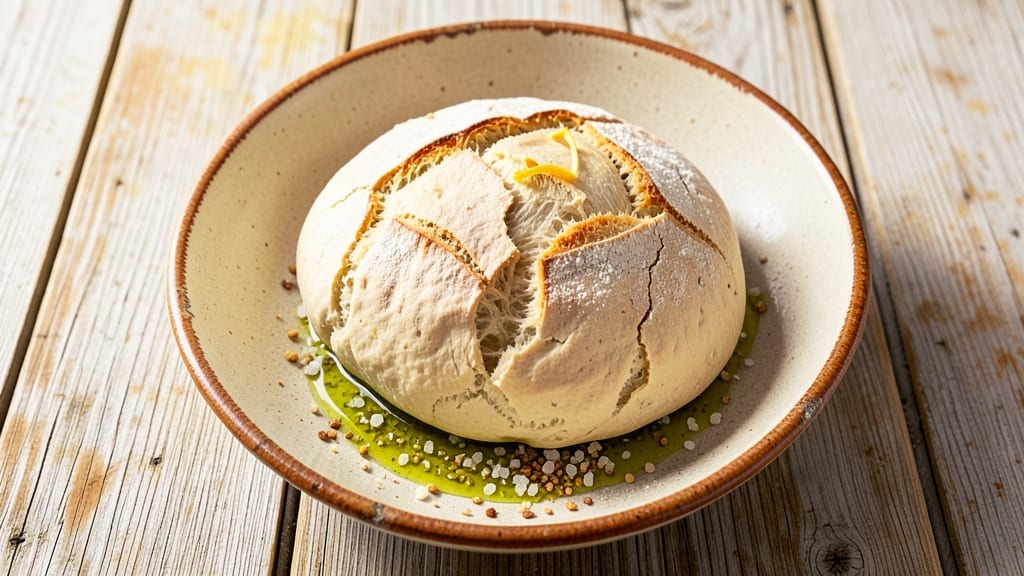
This authentic Tuscan bread recipe brings the rustic charm of Italy to your kitchen with just four simple ingredients and a technique that transforms ordinary flour into golden, crisp-crusted perfection. The secret lies in high hydration dough and slow fermentation, creating that signature open crumb and tender interior that separates Tuscan bread from all others. I've been perfecting this recipe for years, and the results speak for themselves—no fancy equipment, just pure, old-world craftsmanship.
The magic happens in the dough's simplicity: only flour, water, olive oil, and salt come together to create something extraordinary. The dough develops its signature texture through a long, slow fermentation—typically overnight—that allows the gluten to relax and the flavors to meld.
This isn't your typical sandwich bread; it's a rustic loaf with a crisp, golden crust that shatters satisfyingly and a soft, airy interior that melts in your mouth.
What makes this Tuscan bread truly special is its versatility—perfect for dipping in olive oil, pairing with soups, or serving alongside antipasti. The olive oil doesn't just flavor the dough; it creates that characteristic sheen and richness that defines authentic Tuscan bread.
Every bite delivers that perfect balance of crispness and softness, with a subtle olive oil aroma that transports you straight to the Tuscan countryside.
Baking this bread requires patience but rewards you with a loaf that's worth every minute of waiting. The steam from the baking process creates those coveted air pockets, while the olive oil ensures a crust that's crisp without being tough.
Once you try this authentic version, store-bought bread will never measure up again. Let's get started on creating your own rustic masterpiece.
Ingredients for authentic tuscan bread
Four simple ingredients plus a touch of patience create Tuscan bread magic.
| Ingredient | Amount | Notes |
|---|---|---|
| All-Purpose Flour 🌾 | 4 cups | Bread flour preferred for better texture |
| Extra-Virgin Olive Oil 🫒 | ½ cup | High quality, fruity variety |
| Warm Water 💧 | 1 ½ cups | 105°F-110°F for optimal hydration |
| Fine Sea Salt 🧂 | 1 ½ tsp | Diamond Crystal preferred |
| Instant Yeast 🍞 | ½ tsp | Active dry works too |
| Semolina Flour 🌾 | 2 tbsp | For dusting and scoring crust |
| Cornmeal 🌽 | ¼ cup | For baking sheet |
The flour is non-negotiable here. Bread flour gives that signature open crumb, but all-purpose works in a pinch—just expect slightly denser texture. I grab mine from King Arthur Flour when I can, but any high-quality brand works. The olive oil? Extra-virgin with fruity notes—none of that cheap cooking oil. Look for Italian brands at Trader Joe's or specialty stores if you want that authentic Tuscan flavor. The yeast should be fresh—if it's been sitting in your pantry for months, toss it. And that warm water? Too hot and you'll kill the yeast, too cold and it won't activate properly. Aim for lukewarm—like bathwater temperature.
No bread flour? Add 1 tbsp vital wheat gluten per cup of all-purpose flour for better rise. Short on semolina? All-purpose flour works, but it won't give that gorgeous crust. The cornmeal is just for the baking sheet—skip it if you're baking in a Dutch oven. For the yeast, if you don't have instant, proof your active dry yeast in warm water first. Want extra flavor? Add 1 tsp dried rosemary to the dough. And if you're worried about the dough being too sticky, wet your hands slightly when handling it—it makes all the difference.
This dough needs time—at least 12 hours for the magic to happen. Store it in a lightly oiled bowl, covered with a damp towel, in a warm place. The kitchen counter works great, or pop it in the oven with the light on. Once shaped, let it proof another 2-3 hours before baking. Baked loaves keep well at room temperature for 3 days wrapped in a cloth, or 1 week in the fridge. For longer storage, freeze the cooled loaf wrapped in plastic—3 months with no quality loss. And that crust? Best enjoyed fresh, but reheat slices in a 350°F oven for 5 minutes to restore crispness.
Why You'll Love This Recipe
- Five-Ingredient Magic: Honestly, this bread uses nothing but flour, olive oil, water, salt, and yeast—yet it still feels like a labor of love. No fancy mix-ins, no complicated steps, just the pure, rustic soul of Tuscan baking.
- Golden Crust, Soft Heart: That crispy olive-oil crust with a tender crumb inside? It’s the kind of texture that makes you slow down mid-bite. The salt cuts through the richness just right, and the olive oil adds a subtle depth that’s ridiculously satisfying.
- Weeknight Wonder: Between us, this is my go-to for busy nights—toss the dough together while dinner simmers, let it rise in a bowl, and bake it straight from the fridge in the morning. Warm bread with your first coffee? Spot-on.
- Budget-Friendly Staple: A single batch costs pennies and stretches for days—great for toast, sandwiches, or dipping in olive oil and balsamic. I’ll be real: my grocery bill stays low, but my pantry never feels bare.
Step-by-step instructions for authentic Tuscan bread
Here's how to craft that iconic Tuscan loaf with crispy crust and tender crumb.
Mix the Dough with Olive Oil Magic
In a large mixing bowl, combine the 4 cups all-purpose flour and 1.5 tsp fine sea salt. Create a well in the center and add the 0.5 tsp instant yeast. Pour in the 0.5 cup extra-virgin olive oil and 1.5 cups warm water (around 105°F-110°F).
Using a wooden spoon or your hands, mix until a shaggy dough forms. The olive oil is key here—it gives that signature Tuscan flavor and tender crumb. I like to work the dough with my hands for about 5 minutes until it comes together into a smooth, elastic ball. If it feels too sticky, add 1 tablespoon flour at a time until it holds together but doesn't crumble.
Knead for Structure and Flavor
Turn the dough onto a lightly floured surface and knead for 8-10 minutes until smooth and elastic. You'll know it's ready when it springs back slowly when poked. This kneading develops gluten, which gives the bread its signature chewy texture and open crumb.
I press down gently on the dough during the first minute—this prevents it from curling and ensures even contact with the surface. Wrap the dough in plastic wrap and let it rest at room temperature for 1 hour. This first rise allows the gluten to relax and the yeast to activate properly.
Shape and Second Rise
After the initial rise, punch down the dough to release any air bubbles. On a lightly floured surface, shape it into a 12-inch round loaf (traditional Tuscan shape). For extra authenticity, I like to tuck the edges under slightly to create a thick crust all around.
Place the shaped dough on a baking sheet dusted with 0.25 cup cornmeal. Cover loosely with plastic wrap and let it rise for another 1-2 hours until nearly doubled in size. The dough should feel light and springy when pressed gently. This second rise is crucial for that airy interior we're after.
Score and Bake for Crispy Crust
Preheat your oven to 425°F. Once the dough has risen, score the top with a sharp razor or knife in a crosshatch pattern (about ¼-inch deep). Dust the top with 2 tbsp semolina flour—this gives that beautiful golden crust and prevents sticking.
Bake for 25-30 minutes until the crust is deep golden brown and sounds hollow when tapped on the bottom. The interior temperature should reach 190°F. The semolina flour creates that signature crispy crust while keeping the interior tender. For best results, bake on the middle rack for even heat distribution.
Cool and Enjoy
Remove the bread from the oven and let it cool on a wire rack for at least 30 minutes before slicing. I know it's tempting to cut into it immediately, but this resting time allows the steam to escape and the crumb to set properly.
Serve warm with extra-virgin olive oil drizzled on top—a true Tuscan tradition. The crust should be crispy and golden, while the interior remains soft and slightly chewy. This bread pairs perfectly with soups, salads, or simply enjoyed on its own with a glass of Chianti.
Pro Tips For Making Authentic Tuscan Bread
- Use Lukewarm Water: Tuscans don’t use boiling water—they use water that’s warm enough to touch without burning your fingers (about 100°F/38°C). I learned this the hard way when my yeast died in a too-hot batch, leaving me with a dense, flavorless brick instead of a light loaf. Measure it with your wrist: if it feels like a hot bath, it’s perfect.
- Knead Just Enough: This isn’t sourdough—overworking the dough ruins the texture. Mix the flour, olive oil, yeast, and salt until the dough barely holds together, then do a quick 2-minute stretch-and-fold on the counter. The dough should be shaggy, not smooth. I used to knead like I was making pizza dough, and the bread turned out gummy.
- Salt the Olive Oil: Toss the fine sea salt into the olive oil before mixing it with the flour. This ensures even distribution and prevents dry spots in the crust. My grandmother swore by this, and she was right: the bread develops a more consistent, crispy exterior without tasting salty in patches.
- Bake in a Metal Bowl: Skip the Dutch oven if you don’t have one—use a heavy metal bowl (like a stainless steel mixing bowl) for steam and even heat. Place it on a baking sheet to catch drips, then bake at 425°F (220°C) until the crust is deep golden, about 25-30 minutes. I was skeptical until I tried it: the crust gets that perfect Tuscan snap without needing fancy equipment.
Best sauces and condiments for authentic tuscan bread
Olive Oil Drizzle
The simplest yet most authentic way to elevate your Tuscan bread is with a generous drizzle of extra-virgin olive oil right after baking. Use a high-quality Italian olive oil like Colavita or Bertolli—look for fruity, peppery notes that complement the bread's crust.
I like to warm the oil slightly before drizzling so it melts into the crust beautifully. 🫒
Tuscan Garlic Infusion
For a flavor-packed twist, infuse your olive oil with garlic and rosemary before drizzling. Sauté 4 minced garlic cloves and 2 sprigs fresh rosemary in ¼ cup olive oil for 2 minutes until fragrant but not browned.
Strain and drizzle over warm bread—this adds a fragrant, aromatic layer that's pure Tuscan inspiration.
Whole Grain Mustard
A bold contrast comes from whole grain mustard mixed with olive oil. Combine 2 tbsp Dijon mustard with 3 tbsp olive oil and a pinch of salt.
The tangy, slightly sweet mustard cuts through the bread's richness while adding depth. Spread a thin layer on slices for sandwiches or dip the crust directly.
Herb-Infused Olive Oil
Create a vibrant herb blend by combining ¼ cup chopped fresh basil, 2 tbsp chopped parsley, 1 tbsp chopped thyme, and ½ cup olive oil.
Let it sit for 30 minutes before straining. This bright, herby oil pairs perfectly with the bread's rustic flavors and adds a pop of color to your plate. ✨
Spicy Chili Oil
For heat lovers, blend ¼ cup olive oil with 1 tbsp crushed red pepper flakes and 1 tsp dried chili flakes. Simmer gently for 5 minutes on low heat, then cool. Drizzle over warm bread slices—this adds a fiery kick that balances the bread's soft interior beautifully.
Honey-Lavender Drizzle
Sweet and floral contrast comes from a honey-lavender infusion. Warm 2 tbsp honey with 1 tsp dried lavender buds in a saucepan until fragrant, then strain. Drizzle over warm bread for a delicate sweetness that pairs surprisingly well with the bread's savory crust. 🌸
Nutrition facts
Frequently asked questions
Why does Tuscan bread need such a long fermentation?
The extended 12+ hour fermentation develops complex flavors and creates that signature open crumb. The slow rise allows gluten to relax, producing a tender interior with air pockets that store-bought bread can't match. This traditional method also enhances the bread's digestibility and depth of flavor.
Can I use a Dutch oven for this recipe?
Yes! A Dutch oven creates steam during baking, which improves the crust and crumb even more. Place the dough on a baking sheet inside the Dutch oven, then bake as directed. The steam helps create that coveted crispy crust while keeping the interior soft.
What's the best way to store leftover Tuscan bread?
Wrap cooled bread in a clean kitchen towel and store at room temperature for 3 days to maintain freshness. For longer storage, freeze slices wrapped in plastic for up to 3 months. To revive stale bread, warm slices in a 350°F oven for 5 minutes.
Why does my Tuscan bread turn out dense? Dense bread usually results from insufficient kneading (8-10 minutes minimum) or not allowing enough fermentation time.
Can I make this bread without a stand mixer?
This recipe is designed for hand-kneading. The dough's high hydration makes it naturally sticky, so wet your hands slightly when handling. The manual kneading actually helps develop the gluten better than some mixers for this particular bread style.